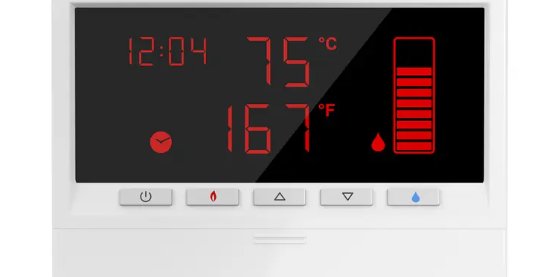
As electric floor heating becomes more popular in homes, the thermostat, as the core control device, directly affects both heating comfort and energy efficiency. However, many users still encounter various issues during use. This article addresses common questions about electric floor heating thermostats to help users better understand and use the device.
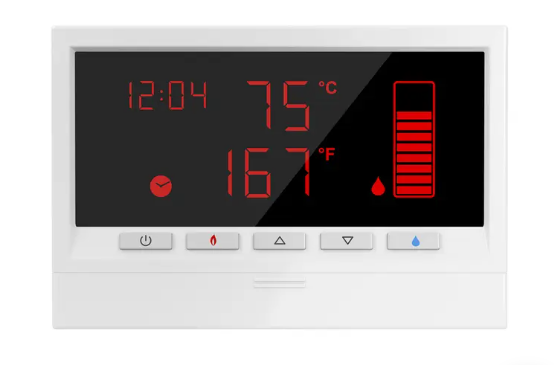
Why Won’t the Thermostat Turn On?
A thermostat that won’t turn on is one of the most common problems. The usual causes include:
Power issues: Check if the socket has power and whether the wiring is properly connected.
Blown fuse: Some thermostats have internal fuses that may need replacement if blown.
Device malfunction: Over time, internal components may degrade, requiring professional repair or replacement.
When facing power-on problems, users should first ensure the power and wiring are safe before considering a device fault.
What to Do If the Display Is Abnormal or Blank?
Display issues, such as flickering numbers, incomplete display, or a completely black screen, are usually caused by:
Extreme ambient temperatures: Some thermostats have automatic protection and may temporarily stop displaying in very cold or hot conditions.
Loose wiring: Poor internal connections may cause signal issues.
Battery problems (for models with backup batteries): Replacing the battery can restore normal display.
Users can try resetting the thermostat or checking the wiring. If the issue persists, contact after-sales service for maintenance.
What If the Thermostat Temperature Is Inaccurate?
Inaccurate temperature control may lead to overheating or underheating, affecting comfort. Common causes include:
Improper thermostat placement: Install in a ventilated location away from direct sunlight and heat sources.
Incorrect floor sensor contact: If the sensor does not properly contact the floor, the thermostat cannot sense the temperature accurately.
Calibration issues: Some thermostats require professional calibration, or users can manually calibrate according to the manual.
Proper installation and regular maintenance help ensure precise temperature control and a comfortable environment.
Why Does the Thermostat Frequently Trip or Heating Become Unstable?
Frequent tripping or unstable heating is a common safety concern in electric floor heating systems. Possible reasons include:
Excessive electrical load: Circuit capacity may be insufficient, or too many appliances are connected at once.
Internal device faults: Such as aged relays or short circuits.
Incorrect wiring during installation: Especially after new installations or modifications.
In these cases, it is recommended to turn off the power immediately and have a professional electrician or after-sales technician inspect the system to ensure safety.
How to Extend the Lifespan of an Electric Floor Heating Thermostat?
Regular cleaning: Prevent dust buildup from affecting the screen and buttons.
Set reasonable temperatures: Avoid long periods of extreme settings to reduce device load.
Regularly inspect wiring and sensors: Ensure connections are secure and sensors have good contact.
Follow the manual: Different brands and models may have specific operational guidelines.
These practices can effectively prolong the thermostat’s life and improve the system’s stability.
Conclusion
Electric floor heating thermostats play a crucial role in home heating, but issues such as failure to power on, display abnormalities, inaccurate temperatures, or frequent tripping may occur. By understanding basic troubleshooting methods and maintaining proper installation and care, most problems can be easily resolved. For issues involving electrical circuits or internal components, it is essential to seek professional help to ensure both safety and comfort.