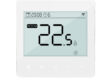
With the increasing popularity of home underfloor heating systems, comfort and flexibility have become key concerns for users. Different rooms vary in usage time, function, and occupant activity, making it difficult for unified heating to meet the needs of all spaces. Therefore, whether underfloor heating thermostats can achieve individual room temperature control has become a recurring question for many families during planning and use.
The Basis for Independent Room Temperature Control
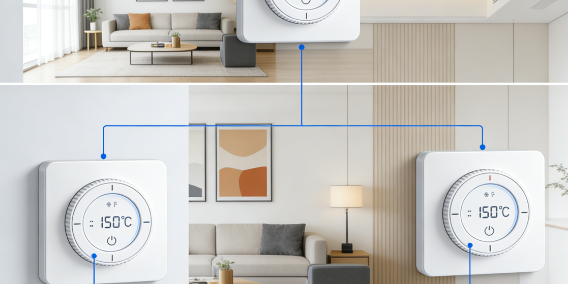
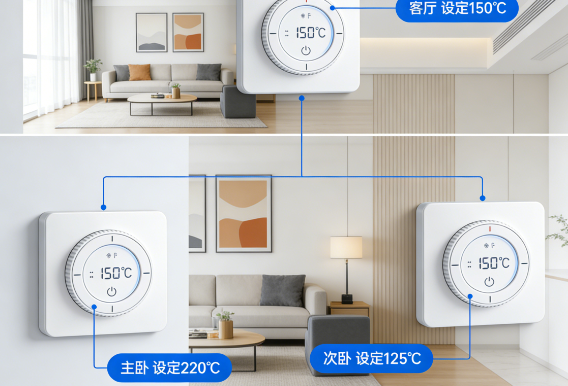
While underfloor heating thermostats inherently possess temperature regulation capabilities, their ability to control room temperature individually depends on the system structure. When each room corresponds to an independent temperature control loop and is equipped with a corresponding thermostat, temperature regulation is no longer a unified system but rather managed separately for each space. This structure allows different rooms to set temperatures according to actual needs, making heating more targeted and providing the technical basis for independent temperature control.
The Role of Thermostats in Independent Control
In underfloor heating systems that support zoned management, the thermostat acts as the “command center” for room temperature. It senses changes in indoor temperature and controls the opening and closing of corresponding loops to maintain the set state. Each room’s thermostat can be independently set, avoiding interference from changes in the needs of other spaces and ensuring more precise and stable temperature control.
Changes in User Experience Brought About by Individual Temperature Control
When room temperature is independently controlled, the living experience changes significantly. Frequently used spaces can maintain a more comfortable temperature, while rooms used less often do not require continuous heating. This on-demand adjustment allows different spaces to maintain an environment suitable for their specific characteristics, reducing discomfort caused by temperature mismatches.
The Relationship Between Independent Control and Energy Utilization
Individual room temperature control not only improves flexibility but also helps optimize energy use. Underfloor heating systems can allocate operating time and intensity according to the actual needs of each space, avoiding all rooms being under high load simultaneously. Reasonable temperature control allocation concentrates energy use in areas that require it, contributing to a more efficient heating mode.
Key Considerations When Choosing Individual Temperature Control
When considering whether a room temperature can be controlled independently, it is also necessary to consider the thermostat’s operation method and stability. A clear display interface and easy-to-understand setting logic facilitate daily use. Stable temperature feedback and control response ensure consistent independent temperature control, allowing the system to maintain optimal operation over the long term.
Conclusion
With appropriate system configuration, underfloor heating thermostats enable individual room temperature control. This approach makes heating management more flexible and allows different spaces to achieve the desired temperature environment. Through proper planning and selection, independent temperature control not only enhances living comfort but also provides a more relaxed and orderly heating experience for the home.