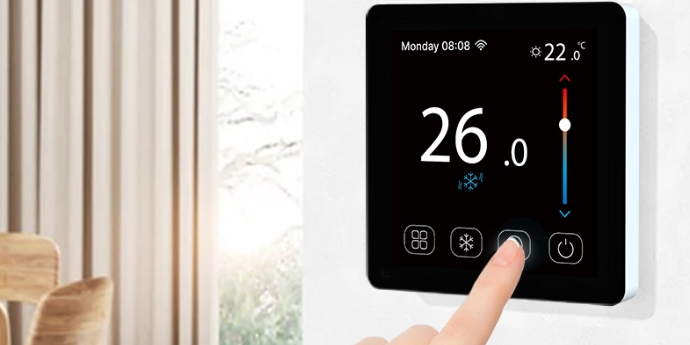
Electric floor heating systems are known for comfort, energy efficiency, and safety. The timer function of a thermostat is an important tool to improve system efficiency. By properly using the timer, you can ensure a comfortable indoor temperature, reduce energy consumption, and extend the lifespan of the system. This article provides a step-by-step guide on how to use the timer function of an electric floor heating thermostat and key points to keep in mind for homeowners.
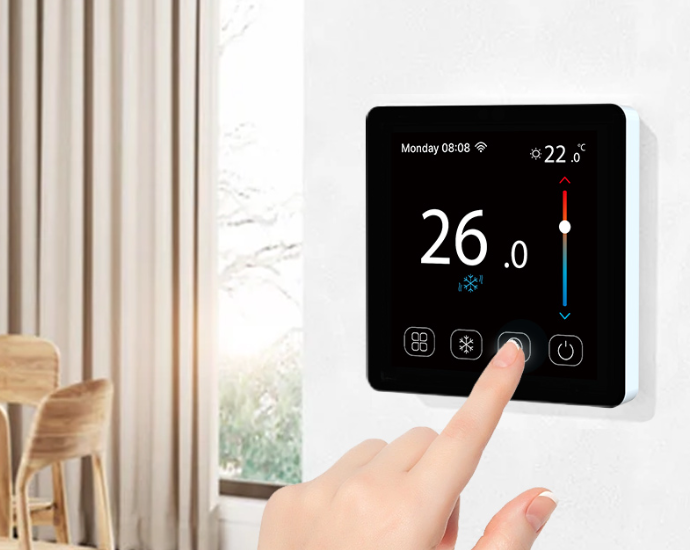
Understanding the Timer Function
The timer function of a thermostat typically includes schedule programming and timed on/off:
Schedule Programming: Users can set different temperatures for different times of the day. For example, heating the floor before waking up in the morning, lowering the temperature while away during the day, and adjusting to a comfortable level at night.
Timed On/Off: Allows setting specific times for the system to turn on or off. This is ideal for households with fixed routines and helps prevent unnecessary energy consumption.
Understanding the type of timer supported by your thermostat is the first step to proper use.
Steps to Set the Timer Function
While the interface may vary by brand and model, the general process is similar:
Enter the Timer Setting Mode
Press the “Timer” or “Program” button to access the timer settings. Some thermostats may require unlocking first.
Select Day or Cycle
Choose “Daily Repeat” or “Weekday/Weekend” mode according to your household schedule for flexibility.
Set On/Off Times and Temperatures
On Time and Temperature: Set the times when you want the indoor temperature to rise, such as before waking up or arriving home in the evening.
Off Time and Temperature: Set the times to lower the temperature when the house is unoccupied or during sleep, saving energy.
Confirm and Save Settings
Review all time and temperature settings, then save. The thermostat will automatically follow the programmed schedule.
Important Tips for Using the Timer
To maximize the benefits of the timer function, keep these points in mind:
Adjust According to Household Schedule: Set the timer based on actual routines to avoid unnecessary heating.
Set Reasonable Temperatures: Maintain comfortable temperatures—living room 18–22°C, bedroom 16–20°C, bathroom 24–26°C.
Avoid Frequent Changes: Constantly adjusting the timer may affect stability; only modify when routines change.
Combine with Energy-Saving Mode: Some thermostats offer an energy-saving mode, which works with the timer to reduce energy usage and improve efficiency.
Proper timer settings enhance comfort while saving electricity and extending equipment life.
Common Issues and Solutions
Some common problems when using the timer function include:
Timer Not Working: Check if the thermostat is in automatic mode; some thermostats disable the timer in manual mode.
Incorrect Time: Ensure the thermostat’s internal clock is correct. After a power outage or daylight saving change, the clock may need recalibration.
Temperature Not Changing: Could indicate a faulty sensor or poor circulation in the heating pipes. Check device connections and sensors.
Following the user manual step by step usually resolves these issues quickly.
Conclusion
The timer function of an electric floor heating thermostat is a key feature for improving home comfort and energy efficiency. By setting schedule programming and timed on/off, users can automate heating, reduce manual adjustments, and maintain a consistently comfortable indoor temperature. Coupled with proper temperature settings and usage tips, an electric floor heating system can provide a warm, energy-efficient, and long-lasting solution for the home. Mastering the timer function makes using electric floor heating smart and convenient.