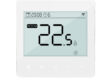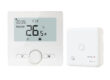
A water underfloor heating thermostat plays an important role in regulating temperature and controlling system operation. After installation is completed, many users want to know how long they need to wait before the thermostat can be put into use. Allowing sufficient time for checking and adjustment not only affects user experience but also helps ensure stable operation and long service life of the underfloor heating system.
Whether the Thermostat Can Be Powered On Immediately After Installation
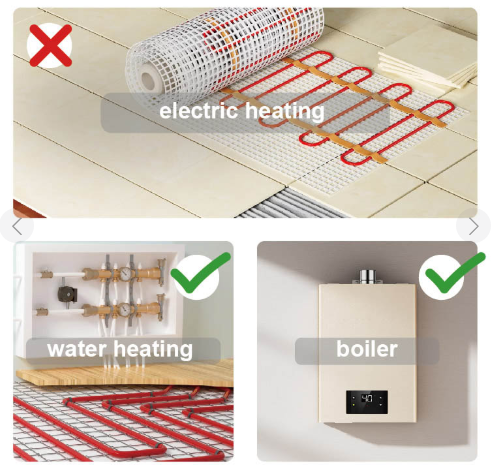
Whether a thermostat can be powered on immediately after installation depends on the overall status of the underfloor heating system. If the thermostat is being replaced or added to an existing system that has already been commissioned and operates normally, it can usually be powered on after confirming correct wiring and stable power supply. However, if the water underfloor heating system is newly installed and the piping and manifold have not yet been fully tested, it is not advisable to use the thermostat immediately. In such cases, the system should be commissioned first.
Necessary Checks Before First System Operation
Before the first operation of a water underfloor heating system, pressure testing and air bleeding are normally required to ensure reliable pipe connections and the absence of trapped air. These steps directly affect system stability and the accuracy of thermostat control. Using the thermostat before these checks are completed may lead to inaccurate temperature control or abnormal system operation, making proper inspection an essential prerequisite.
Influence of Floor Materials on Usage Timing
The floor covering installed above the underfloor heating system also influences when the thermostat can be used. Materials such as ceramic tiles or stone adapt well to temperature changes and allow gradual heating once system commissioning is complete. Wooden or composite flooring requires a slower heating process to reduce the risk of deformation caused by thermal expansion. In such cases, the thermostat can still be turned on, but the initial temperature should be set lower and increased gradually.
In practice, attention is usually given to:
Increasing temperature step by step during initial heating
Avoiding prolonged operation at high temperatures
Adjusting settings according to flooring requirements
These measures help extend the service life of both the heating system and floor materials.
Thermostat Commissioning and Adaptation Period
After the thermostat is powered on for the first time, a short self-check and adaptation period is typically required to ensure sensors and control logic function correctly. During this time, minor display or control fluctuations may occur and are generally normal. After basic settings and a brief observation period, the thermostat can enter stable operation and provide continuous control for the underfloor heating system.
Proper Use Supports Long-Term System Stability
Even when the thermostat is ready for use, it is not recommended to make large temperature adjustments immediately after installation. Gradual heating and reasonable setpoints help reduce system load and improve overall stability. This approach promotes better coordination between the thermostat and the underfloor heating system, enhancing comfort while reducing operational risk.
Conclusion
How long after installation a water underfloor heating thermostat can be used depends on the condition of the heating system, the characteristics of floor materials, and the thermostat’s own commissioning process. Once system checks and adjustments are completed, the thermostat can be gradually put into use. Proper timing and careful operation help ensure stable system performance and provide a comfortable indoor environment.