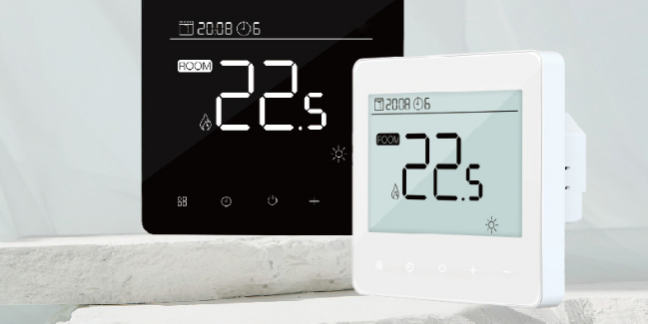
When using an electric floor heating system, seeing an error code on the thermostat can be confusing. Many users immediately worry that the system is broken. In reality, error codes are built-in diagnostic alerts designed to protect the system and help identify problems quickly. Understanding these codes can save time, reduce unnecessary repairs, and improve overall safety.
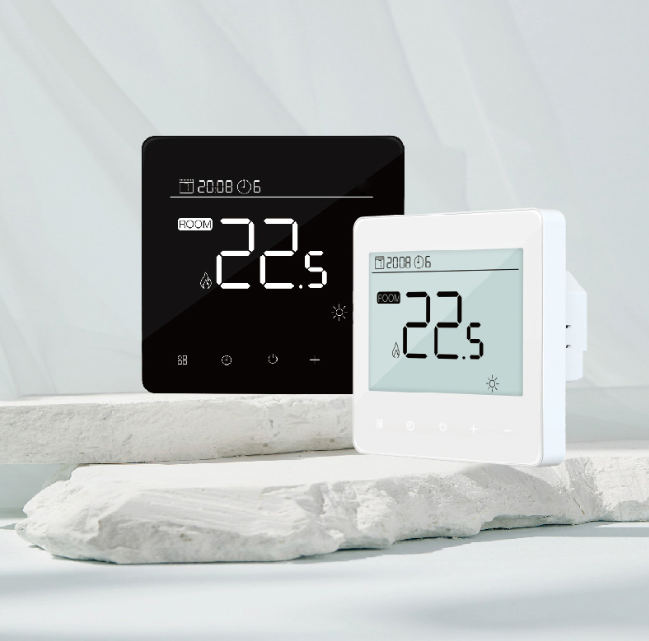
Why Electric Floor Heating Thermostats Display Error Codes
Modern electric floor heating thermostats are equipped with self-diagnostic and protection functions. When the system detects abnormal conditions—such as sensor failures, electrical issues, or overheating risks—the thermostat automatically stops heating and displays an error code.
These codes are not random. Each one corresponds to a specific abnormal condition, allowing users and technicians to pinpoint the issue more efficiently.
Sensor-Related Error Codes
Temperature sensor errors are among the most common thermostat fault codes. When the thermostat detects an open circuit, short circuit, or unstable signal from the floor temperature sensor, it will display a sensor-related error.
Such issues are often caused by aging sensor wires, loose connections, or improper installation during construction. Restarting the thermostat rarely solves these problems permanently. In most cases, professional inspection or sensor replacement is required.
Overheating Protection Error Codes
When the floor heating temperature exceeds the preset safety limit, the thermostat triggers overheating protection and displays an error code. This may occur due to incorrect temperature settings, thick floor coverings that restrict heat dissipation, or poor ventilation conditions.
Overheating protection is a safety feature designed to prevent damage to heating cables and floor materials. Users should first check temperature settings and ensure the floor surface allows proper heat release before restarting the system.
Power Supply and Voltage-Related Error Codes
Some thermostat error codes are related to power supply issues, such as unstable voltage, temporary power loss, or internal power module abnormalities. These problems may cause the thermostat to fail to start, display abnormal characters, or restart repeatedly.
Users should first check household power stability, circuit breakers, and wiring connections. If the problem persists, internal electrical components may require professional servicing.
Heating Circuit Error Codes
When the thermostat detects abnormal resistance, mismatched load, or output failure in the heating circuit, it may display a heating circuit error code. This often indicates issues with the heating cable, such as broken wires, localized damage, or improper wiring.
Heating circuit faults involve electrical safety risks. Users are strongly advised not to attempt repairs themselves and should contact qualified technicians for testing and maintenance.
How to Respond Correctly to Thermostat Error Codes
When an electric floor heating thermostat displays an error code, users should follow a systematic approach. First, record the error code and avoid repeated power cycling. Next, consult the product manual or official guidance to understand the code’s meaning. Finally, determine whether the issue can be resolved through simple adjustments or requires professional repair.
Forcing the system to operate without identifying the root cause may lead to further damage or safety hazards.
Conclusion
Error codes on electric floor heating thermostats provide valuable insight into system operation. By understanding these codes, users can diagnose problems more efficiently and avoid unnecessary troubleshooting.
Whether the issue involves sensor faults, overheating protection, power supply problems, or heating circuit failures, error codes serve as an essential safety and diagnostic tool. Learning how to interpret them is an important step toward ensuring reliable and long-term electric floor heating performance.