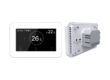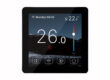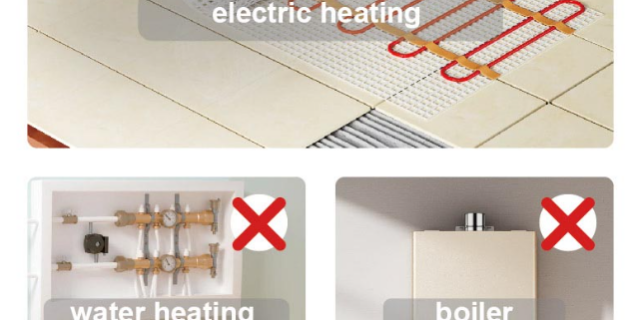
With the growing popularity of home electric floor heating systems, more users are paying attention to balancing comfort and energy savings. Modern electric floor heating thermostats often feature an energy-saving mode, which intelligently adjusts heating strategies to maintain indoor comfort while reducing electricity costs. This article shares practical tips to help users make the most of the energy-saving mode.
Understanding How Thermostat Energy-Saving Mode Works
Energy-saving mode works by intelligently controlling temperature and optimizing heating cycles. The thermostat automatically adjusts heating power and on/off frequency based on the target temperature and indoor conditions, preventing excessive heating and wasted energy. For example, once the room reaches the set temperature, the system may lower power or operate intermittently to maintain stability efficiently.
Some thermostats also take into account indoor-outdoor temperature differences, floor heat retention, and user routines. By predicting heating needs, the system can optimize energy use even further.
Practical Tips for Using Energy-Saving Mode
1. Set a Reasonable Target Temperature
The effectiveness of energy-saving mode largely depends on the temperature setting. Setting it too high increases heating time and power consumption, reducing energy efficiency. It is recommended to set a temperature slightly below the maximum comfort level according to room usage and seasonal conditions. For example, during winter, living areas can be set at 20–22°C (68–72°F) and bedrooms or inactive areas at 16–18°C (61–64°F).
2. Use Time-Based or Scheduled Control
Modern thermostats often include scheduling or smart time-based features. Users can program different temperature strategies for active periods and sleep or absence periods. For example, energy-saving mode can lower heating when away or during sleep, and automatically restore comfort temperature before returning home or waking up. This approach reduces unnecessary heating and lowers energy consumption.
3. Avoid Frequent Manual Adjustments
Manually adjusting the thermostat too often can disrupt the energy-saving algorithm, reducing heating efficiency. It is better to set appropriate temperature ranges initially based on room size, floor heat retention, and usage patterns, and then let the energy-saving mode manage temperature changes automatically.
4. Improve Indoor Conditions
The efficiency of energy-saving mode also depends on indoor insulation. Closing doors and windows, using curtains or rugs, and minimizing drafts all help the system maintain the desired temperature with lower power consumption.
5. Regular Maintenance and Calibration
Over time, thermostat sensors may become inaccurate due to dust or aging, reducing the effectiveness of energy-saving mode. Regularly cleaning the thermostat, checking sensors, and inspecting wiring ensures accurate and efficient system operation.
Actual Benefits of Energy-Saving Mode
With proper use, energy-saving mode can typically reduce electricity consumption by 10%–25% while maintaining comfortable indoor temperatures. For households that use electric floor heating regularly, this not only lowers electricity bills but also prolongs system life and reduces wear caused by overuse.
Conclusion
The energy-saving mode of electric floor heating thermostats is an essential tool for modern home energy management. By combining reasonable temperature settings, scheduled control, intelligent automation, and proper insulation, users can maintain comfort while saving energy.
Mastering these tips helps households reduce costs, extend the life of their floor heating system, and enjoy a smarter, more efficient winter heating experience. Using energy-saving mode correctly ensures warmth and efficiency go hand in hand—the best practice for modern home electric floor heating.