In daily life and work environments, temperature directly impacts comfort and energy consumption. People’s activity levels, space usage frequency, and temperature sensitivity vary significantly across different time periods. Setting the temperature appropriately based on these time changes not only improves overall comfort but also effectively reduces energy waste, making the temperature control system more efficient and stable.
The Importance of Setting Temperature for Different Time Periods
Maintaining the same temperature throughout the day often doesn’t meet actual needs. During the day, activity levels are high, and the perception of temperature changes is more sensitive; at night, when rest is desired, the temperature requirement is more moderate. Ignoring these differences can easily lead to discomfort during the day and excessive energy consumption at night. Setting the temperature for different time periods allows the environment to better align with human rhythms while reducing unnecessary operating costs.
Temperature Setting Strategies for Daytime Activity Periods
Daytime is typically the peak period for family activities or office use. During this stage, temperature settings should prioritize stability and comfort. Frequent fluctuations in indoor temperature can negatively impact concentration and physical comfort. For spaces with high human activity, maintaining a relatively balanced temperature range is appropriate to ensure the environment remains comfortable. As long as extreme high or low temperatures are avoided, overall comfort can be guaranteed.
Temperature Settings During Nighttime Rest
At night, with reduced human activity, it’s suitable to adjust the temperature appropriately:
Appropriately lower the temperature: The human body is less sensitive to temperature changes during sleep.
Avoid sudden drops: Temperature reduction should be gradual to prevent affecting sleep quality.
Consider sleep habits: Different groups have different preferences for nighttime temperatures.
By setting the temperature at different times during the night, energy consumption can be reduced while ensuring sleep comfort.
Temperature Management During Outings or Idle Periods
Maintaining a consistently comfortable temperature is unnecessary when family members are out or certain areas are unused for extended periods. During this time, the temperature can be adjusted to an energy-saving state, allowing the system to operate at a low load. This reduces energy consumption and avoids the additional burden of restarting the equipment after a complete shutdown. For people with regular sleep schedules, a warm-up time can be set in advance to allow the room to gradually return to a comfortable state before returning.
Convenience Brought by Intelligent Temperature Control Devices
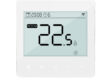
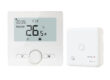
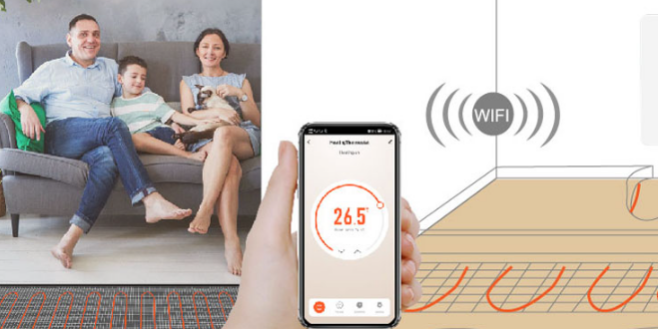
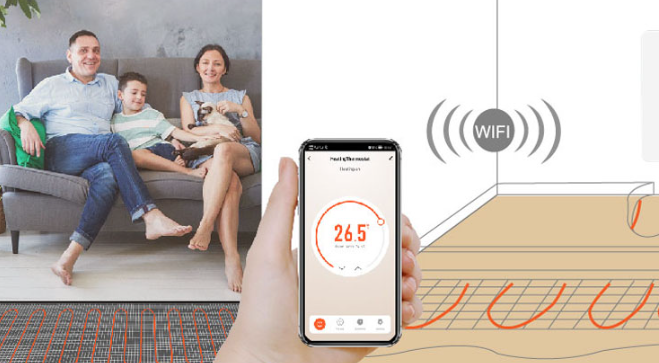
Intelligent temperature control devices that support time-sharing functionality make temperature management simpler. By setting time periods and corresponding temperatures in advance, the system can automatically switch between them without frequent manual adjustments. This method is not only convenient to operate but also reduces errors caused by human intervention, making temperature changes more stable and natural. For users who want to balance comfort and energy saving, intelligent time-sharing control is an efficient choice.
Common Precautions in Time-Sharing Temperature Settings
In actual operation, the following issues should also be noted:
Avoid frequent settings changes to prevent system malfunctions.
Pay attention to indoor insulation; good insulation helps stabilize the temperature.
Regularly check the equipment status to ensure the temperature control system is operating normally.
These details help improve the overall effect of time-sharing temperature settings.
Summary
Setting temperatures reasonably for different time periods is an important way to improve the quality of life and achieve energy-saving goals. By differentiating between different time periods such as daytime activities, nighttime rest, and free time outside, and adjusting according to actual usage habits, the environment can be made more comfortable while reducing energy waste. Time-sharing temperature management is not complicated. As long as the concept is clear and the settings are reasonable, an ideal balance between comfort and efficiency can be achieved.