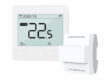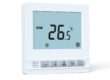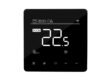
In modern building HVAC systems, fan coil unit (FCU) systems are widely used in hotels, office buildings, hospitals, and residential projects due to their flexibility and energy efficiency. With the increasing demand for smart building management, digital fan coil unit thermostats have gradually replaced traditional mechanical or analog thermostats and become the preferred solution. So, what are the key advantages of digital FCU thermostats? This article provides a detailed analysis from the perspectives of control accuracy, functionality, and practical application.
More Precise Temperature Control for Improved Comfort
Digital FCU thermostats use digital temperature sensors and microprocessor-based control, allowing them to detect indoor temperature changes with high accuracy. Through intelligent algorithms, the thermostat adjusts fan speed and valve operation to maintain room temperature within a narrow set range. This significantly reduces temperature swings and enhances comfort, which is especially important in hotels and office spaces.
High Functional Integration to Meet Diverse Requirements
Digital thermostats typically integrate multiple control functions, such as three-speed or automatic fan control, heating and cooling mode switching, and valve control. They are compatible with both 2-pipe and 4-pipe fan coil systems. Compared with traditional thermostats that offer limited functionality, digital models consolidate more control logic into a single device, improving overall system reliability.
Communication Support for Centralized Management
One of the major advantages of digital FCU thermostats is their support for communication protocols such as Modbus and BACnet, enabling seamless integration with Building Management Systems (BMS). Facility managers can remotely monitor system status, adjust parameters, and analyze energy consumption through centralized platforms. This feature is particularly valuable for large commercial buildings and hospitals.
Stronger Energy-Saving Capabilities
Thanks to accurate temperature sensing and advanced control logic, digital thermostats effectively prevent overcooling or overheating. When the room temperature approaches the set point, the system automatically reduces fan speed or closes the valve, minimizing energy waste. Some models also support scheduling, energy-saving modes, or occupancy-based control to further reduce operating costs.
User-Friendly Interface with Reduced Operating Errors
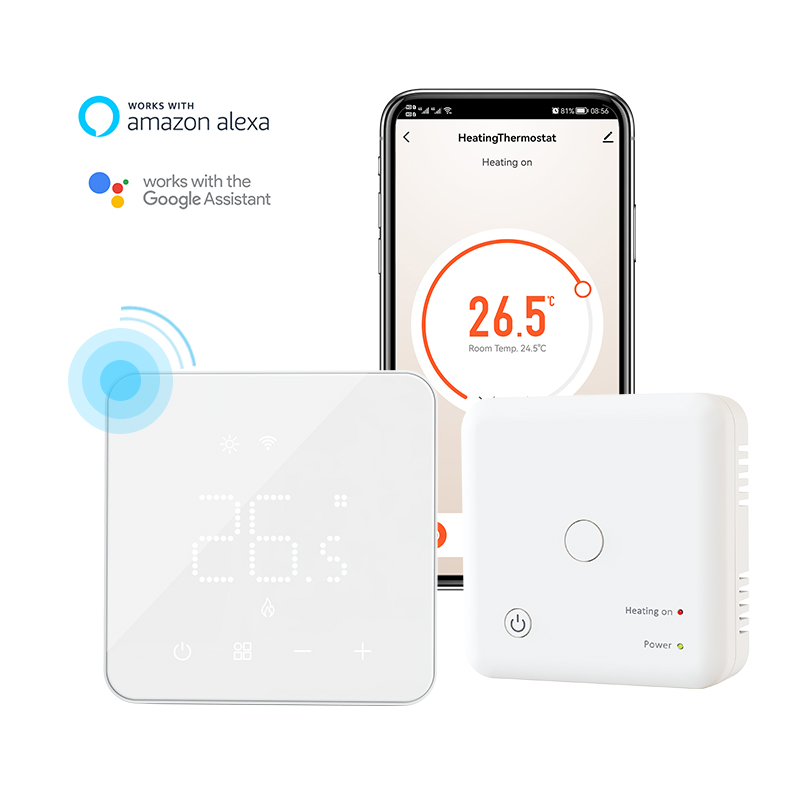
Digital FCU thermostats often feature LCD or touch-screen displays with intuitive menus and clear parameter visualization. Users can easily adjust temperature and operating modes, improving overall user satisfaction. In hotels and public buildings, a friendly user interface also helps reduce misuse and maintenance-related complaints.
Greater Stability and Longer Service Life
Digital thermostats rely on electronic control rather than mechanical components, eliminating wear-related issues common in mechanical thermostats. This results in higher operational stability and longer service life. Control accuracy remains consistent over time, reducing maintenance frequency and replacement costs, which is ideal for long-term HVAC projects.
Suitable for a Wide Range of Applications
Whether used in new construction or retrofit projects, digital fan coil unit thermostats offer strong adaptability. Flexible parameter settings and multiple control options allow them to meet the requirements of various building types and usage scenarios.
Conclusion
Overall, digital fan coil unit thermostats offer significant advantages in control accuracy, functional integration, communication capability, energy efficiency, user experience, and system stability. As smart building technologies and energy efficiency standards continue to advance, digital thermostats are becoming the standard choice for FCU systems. Selecting the right digital FCU thermostat can greatly improve comfort, reduce energy consumption, and enhance management efficiency.