
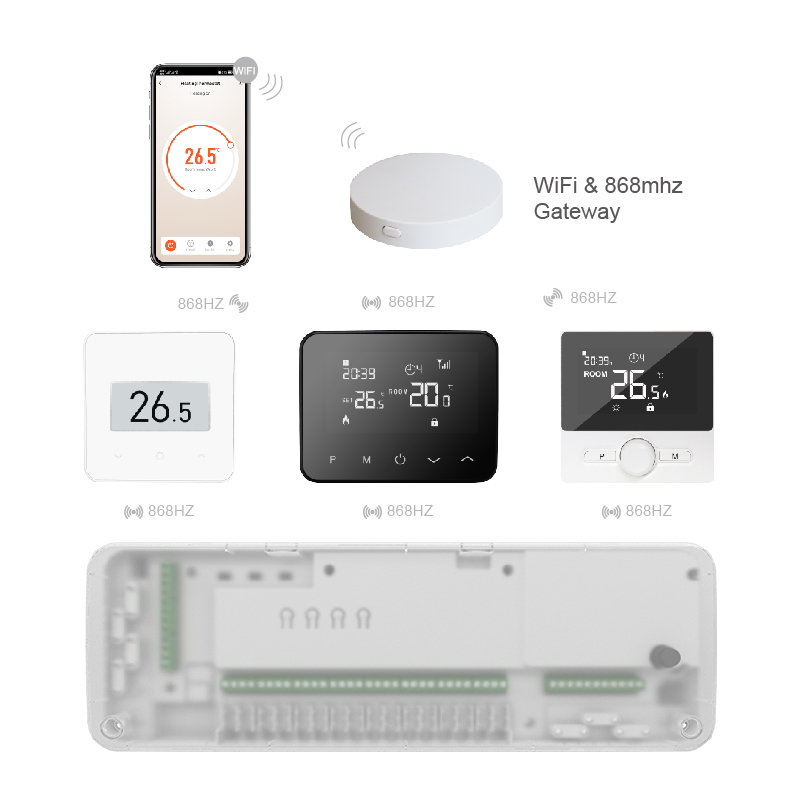
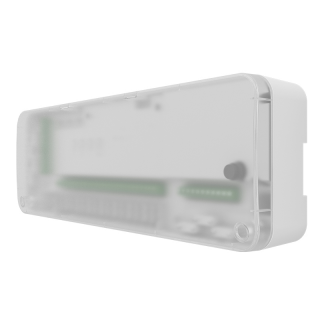
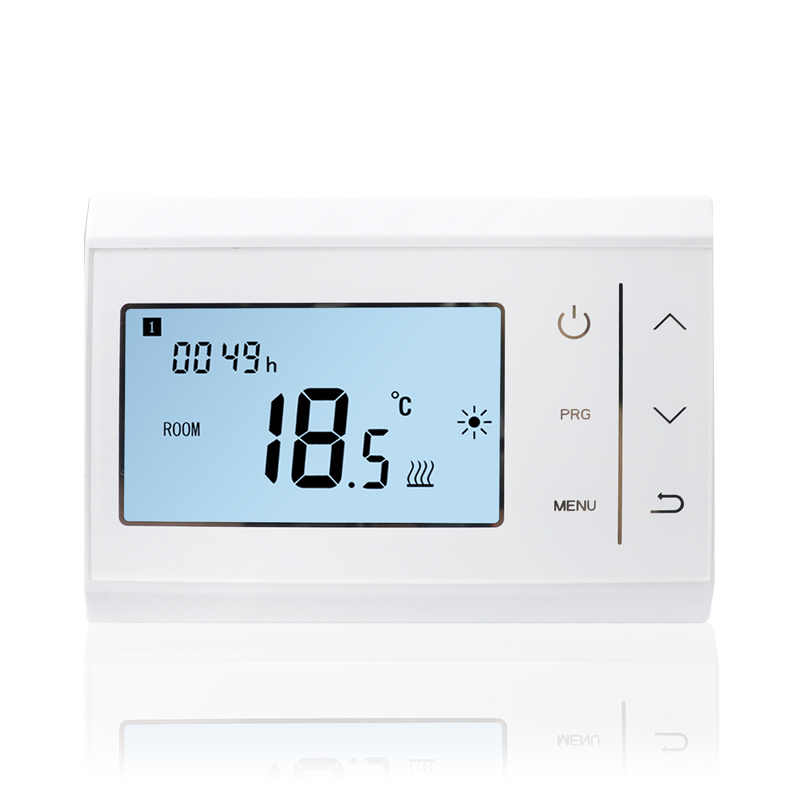
As demand for building comfort and energy efficiency continues to increase, heat pump fan coil floor heating systems have become a preferred solution in residential and commercial buildings. This system integrates a heat pump as the primary energy source with fan coil units and floor heating terminals to provide year-round temperature regulation and indoor comfort control. In practical applications, this combined system improves indoor environmental quality while offering strong performance in energy efficiency, operational flexibility, and energy cost management.
Energy Efficiency Benefits Driven by Heat Pump Technology
Heat pump fan coil floor heating systems rely on heat pump technology to transfer energy using a relatively small amount of electricity. By extracting low-grade heat from air, water, or the ground and converting it into usable thermal energy, the system achieves higher output efficiency compared with traditional electric or fuel-based heating methods. Floor heating operates with low-temperature water, allowing the heat pump to maintain efficient performance over extended operating periods. This operating characteristic reduces energy loss and supports stable long-term system operation, making it suitable for projects that emphasize energy-efficient building standards.
Complementary Characteristics of Fan Coil Units and Floor Heating
Fan coil units and floor heating systems complement each other in functionality. Floor heating distributes heat evenly through radiant transfer, creating a stable indoor temperature environment, while fan coil units respond quickly and allow targeted temperature adjustment in specific areas. This combination provides flexibility in different seasons and usage scenarios. During transitional periods or in spaces with intermittent use, fan coil units can manage temperature regulation independently, reducing the need for continuous floor heating operation and improving overall system efficiency.
Comfort Improvement and Indoor Environment Quality
Heat pump fan coil floor heating systems offer notable advantages in indoor comfort. Floor heating reduces excessive air movement, helping to limit dust circulation and improve air quality. Fan coil units allow adjustable airflow and output, enabling precise temperature control in occupied areas. Key comfort-related benefits include:
More uniform temperature distribution, reducing hot and cold spots
Lower operational noise, supporting quiet residential and office environments
These features make the system well suited for residences, hotels, and office buildings with high comfort expectations.
Flexible Zoning and Temperature Control
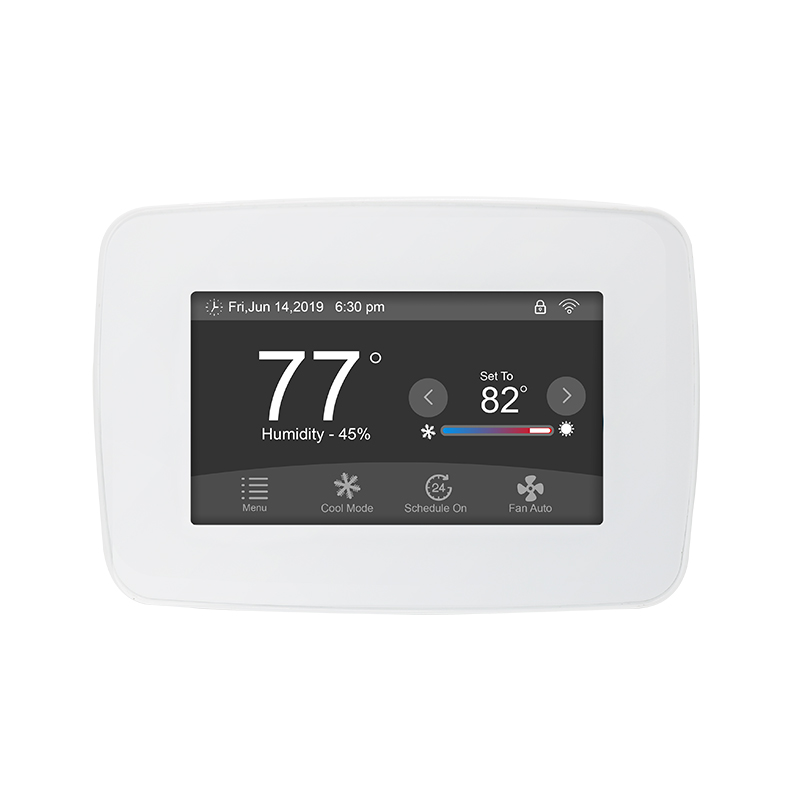
Heat pump fan coil floor heating systems support zoning control, enabling independent temperature management for different rooms or functional areas. With properly configured controllers and sensors, users can adjust operation based on occupancy patterns and usage schedules. Zoning control improves system flexibility and helps avoid unnecessary energy use in unoccupied spaces. This capability is especially valuable in large residential layouts and commercial buildings where usage patterns vary across different zones.
System Stability and Long-Term Operational Value
With standardized design and professional installation, heat pump fan coil floor heating systems deliver reliable operational stability. Heat pumps operate efficiently under low-temperature conditions, reducing mechanical stress caused by frequent start-stop cycles. Floor heating pipelines are embedded within the building structure, offering stable performance and minimal maintenance requirements. Fan coil units remain accessible for routine inspection and servicing, helping control long-term maintenance costs and supporting consistent system performance.
Positive Impact on Building Energy Use and Operating Costs
Heat pump fan coil floor heating systems contribute significantly to reducing overall building energy consumption. Through proper system configuration and intelligent operation, energy utilization efficiency improves and operating expenses become more predictable. When paired with well-insulated building envelopes, the system’s energy-saving potential becomes even more pronounced. This advantage enhances its value in both new construction projects and renovation applications where energy performance and comfort are equally important.