
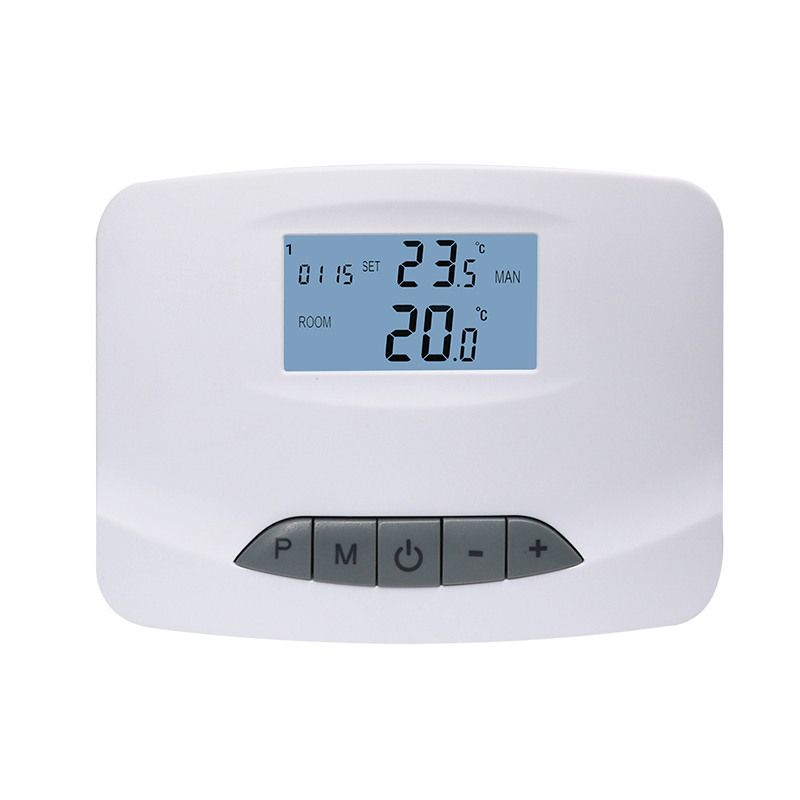
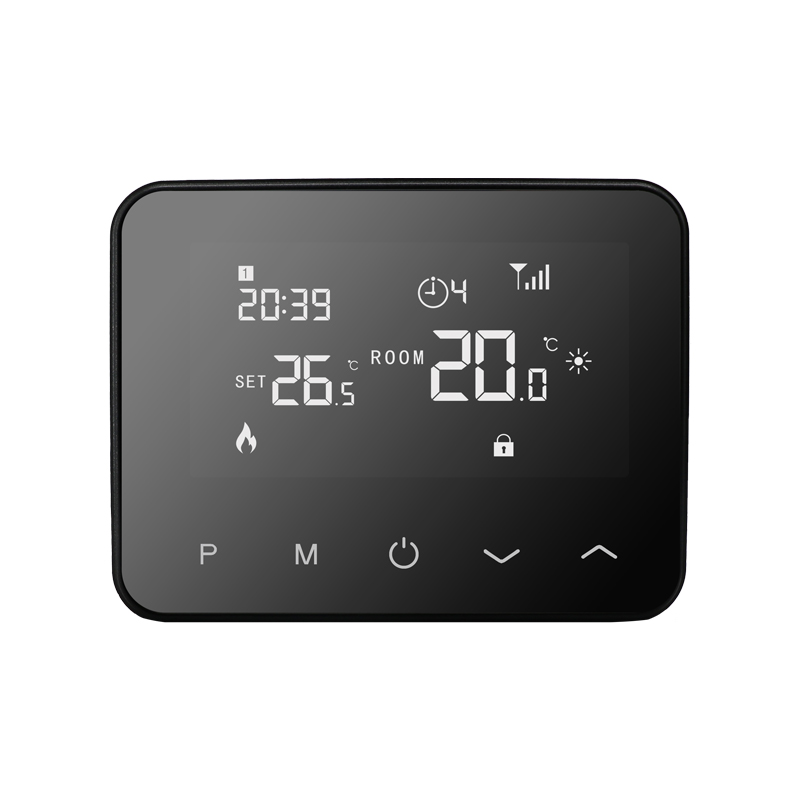
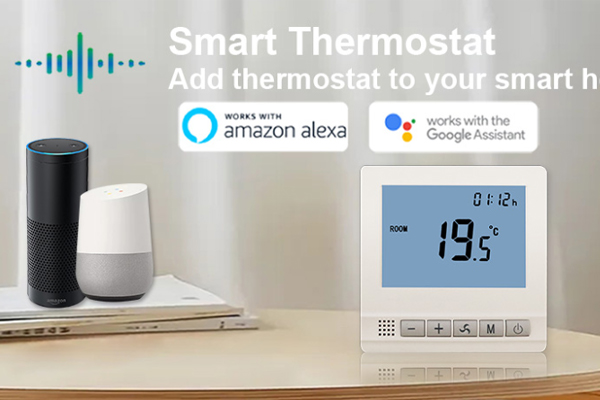

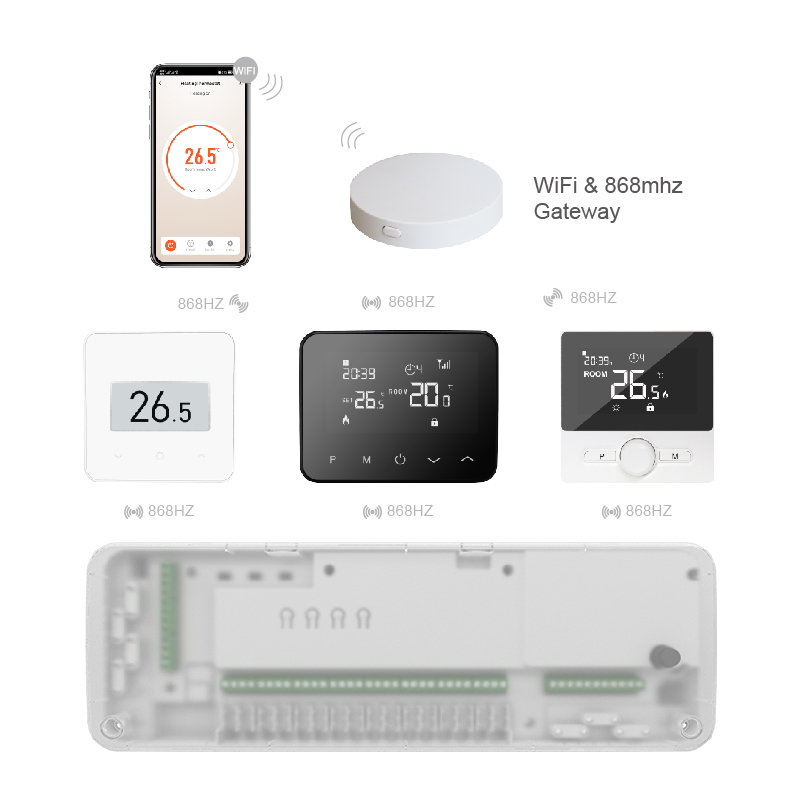
In modern energy-efficient building systems, the combined application of fan coil units and heat pump floor heating has become increasingly common. This type of system can meet heating demands in winter while also supporting efficient cooling in summer, offering clear advantages in comfort and energy control. However, differences in structural design, operating temperatures, and control methods raise important questions about compatibility and proper integration. A clear understanding of how fan coil units and heat pump floor heating work together helps ensure stable operation and optimal system performance.
Differences in Operating Characteristics
Fan coil units rely on forced air circulation to achieve heating and cooling, and they typically operate under medium to high water temperature conditions. Their response speed is fast, making them suitable for spaces that require rapid temperature adjustment. Heat pump floor heating, on the other hand, is based on low-temperature water circulation and delivers heat through radiant floor surfaces, emphasizing uniform warmth and comfort. Because these two terminal systems have different requirements for water temperature and flow rate, careful coordination is essential during system design to avoid reduced efficiency or unstable operation.
Technical Foundations for System Compatibility
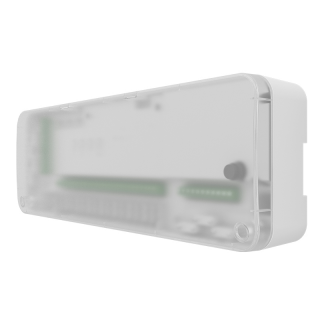
Achieving compatibility between fan coil units and heat pump floor heating depends on solid technical support at the system level. The heat pump unit must be capable of wide temperature-range operation to accommodate the needs of both terminals. During pipeline design, zoning or mixing devices are often required to regulate water temperature, ensuring that each loop operates under suitable conditions. Control system coordination is equally important, as it allows precise regulation based on zone-specific demands, improving overall operational efficiency.
Advantages of Compatible Fan Coil and Heat Pump Floor Heating Systems
When properly designed, the combined system offers several practical advantages:
Improved system flexibility, allowing different terminal solutions for different rooms
Enhanced comfort levels, with floor heating providing stable warmth and fan coils enabling rapid adjustment
Higher energy efficiency, as heat pumps perform better under low-temperature conditions
Broader application range, suitable for residential, office, and commercial buildings
These advantages help balance comfort requirements with energy-saving objectives.
Impact of Water Temperature Control on Compatibility
Water temperature is a key factor influencing compatibility between fan coil units and heat pump floor heating. Floor heating systems typically require lower supply water temperatures, while fan coil units often need higher temperatures during heating operation. Without proper separation, one terminal may underperform. Common solutions include independent circulation loops, mixing valves, or intelligent temperature control modules, allowing each terminal to operate within its optimal temperature range and maintaining system stability.
Role of Control Systems in Coordinated Operation
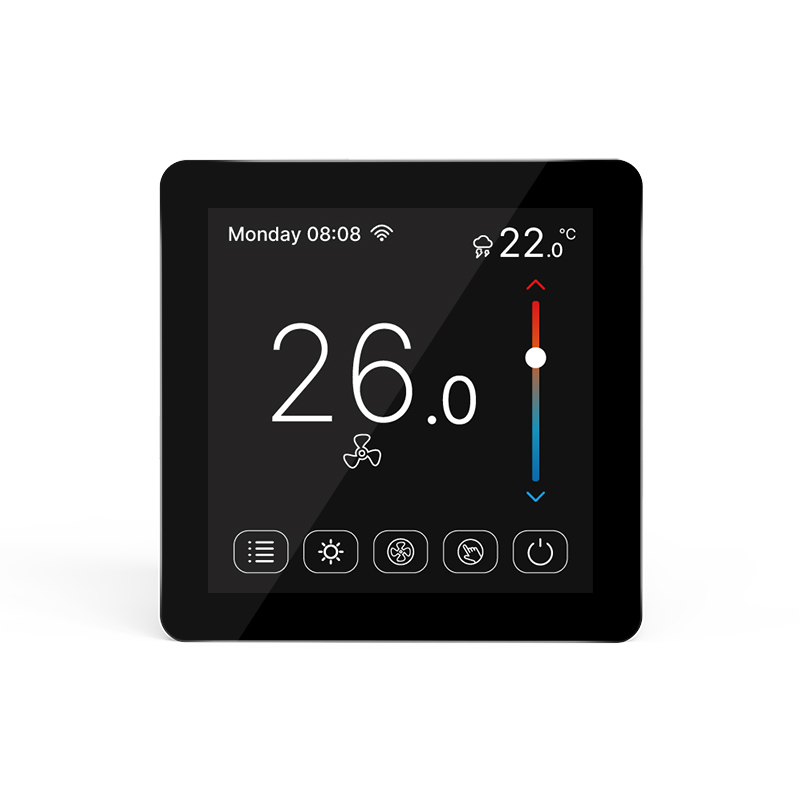
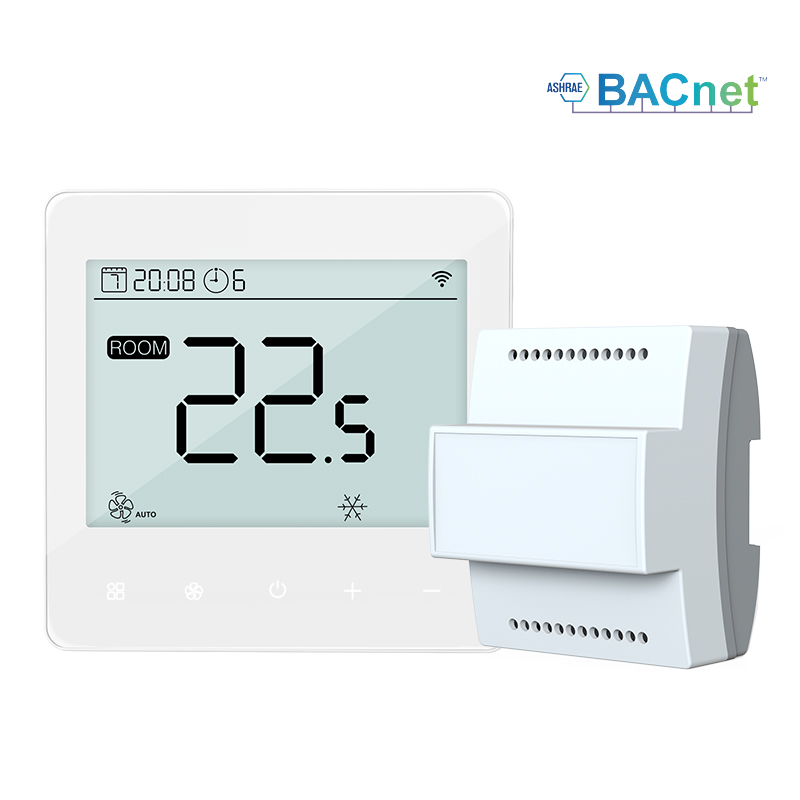
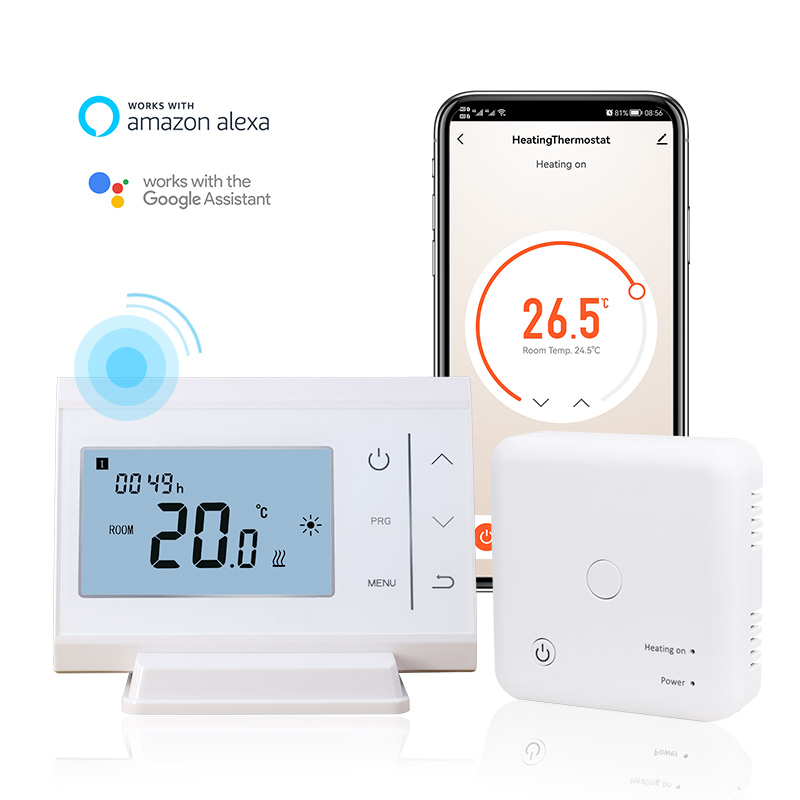
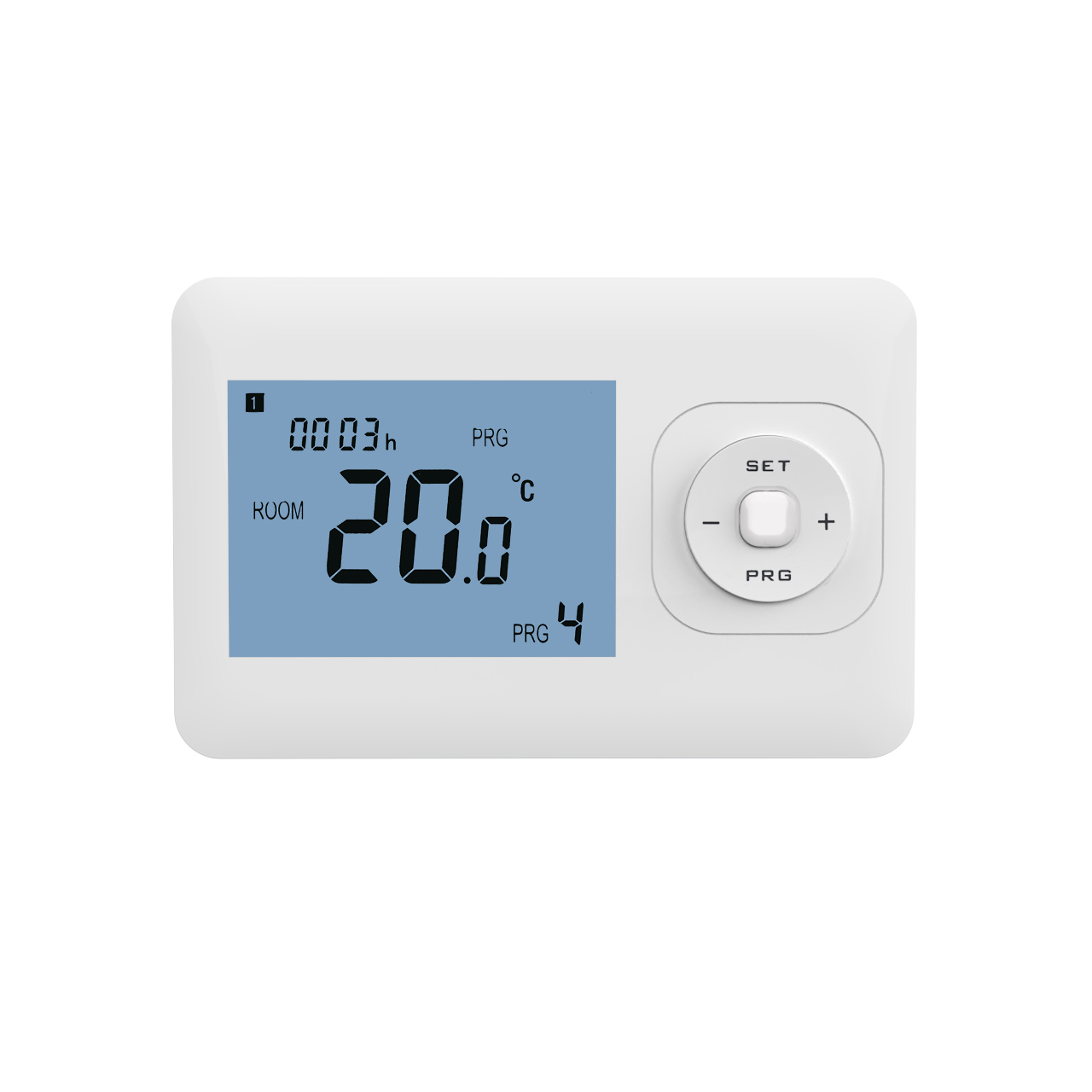
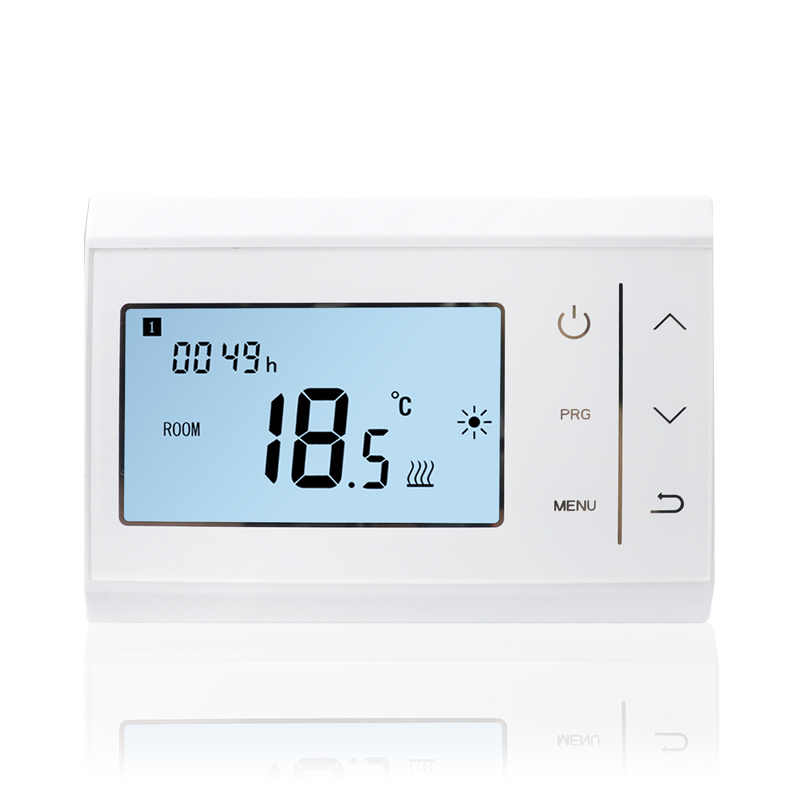
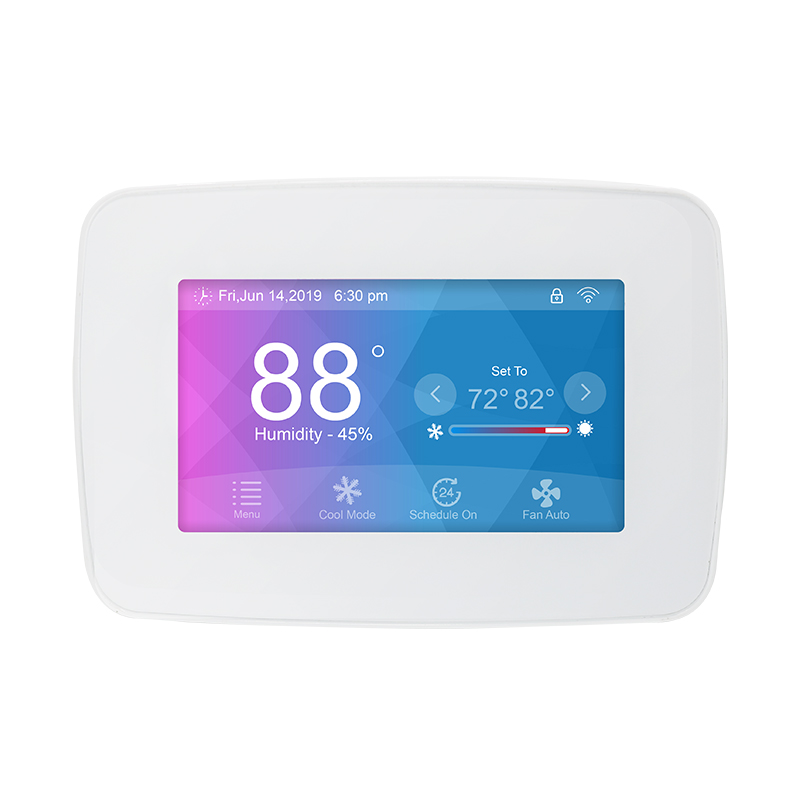
Intelligent control systems play a critical role in ensuring coordinated operation between fan coil units and heat pump floor heating. Through zoning control and scheduling, the system can adjust operating modes according to actual usage patterns. For example, fan coil units may be prioritized during daytime hours for fast temperature adjustment, while floor heating maintains a steady indoor environment at night. Well-designed control logic improves comfort and avoids unnecessary energy consumption.
Installation and Commissioning Considerations
During installation and commissioning, attention to compatibility details is essential. System parameters for terminal devices should be clearly defined before construction to ensure proper heat pump selection. During commissioning, each loop’s water temperature, flow rate, and response behavior should be tested individually to prevent uneven heating or frequent equipment cycling. Standardized installation and commissioning procedures provide a strong foundation for long-term stable operation of combined systems.
Operational Performance in Real Applications
In real-world applications, fan coil and heat pump floor heating systems designed with proper compatibility demonstrate strong adaptability. Users can switch operating modes according to seasonal needs while maintaining stable output and indoor comfort. As building energy-efficiency standards continue to rise, this combined solution is gaining wider adoption and offering new design possibilities for modern HVAC systems.