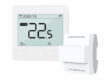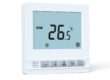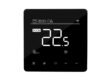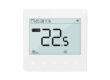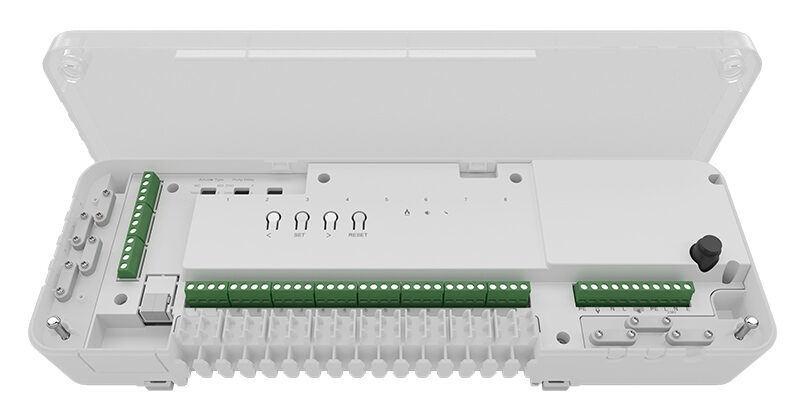
In modern buildings, indoor comfort has become a key indicator of HVAC system performance. Temperature stability, air circulation, and noise control all have a direct impact on occupant experience. As the core control device of fan coil unit (FCU) systems, FCU thermostats play a critical role in optimizing indoor comfort. With proper configuration and use, thermostats can enhance environmental quality while maintaining energy efficiency.
Precise Temperature Control for Better Thermal Comfort
FCU thermostats continuously monitor room temperature and compare it with the setpoint, automatically adjusting fan operation and water valve control to keep indoor temperature within a stable range. Compared with simple on/off control, this approach reduces temperature fluctuations and prevents sudden heating or cooling.
Setting an appropriate temperature range is equally important. Overly high or low setpoints can reduce comfort and increase energy consumption. Fine temperature control through FCU thermostats helps maintain indoor conditions within the human comfort zone.
Impact of Fan Speed Adjustment on Comfort
FCU thermostats typically support multi-speed fan control and can automatically adjust fan speed based on temperature differences. Higher fan speeds accelerate heat exchange when the temperature gap is large, while lower speeds reduce air draft and noise when the setpoint is nearly reached.
This dynamic fan speed control creates smoother air movement and significantly improves perceived comfort, especially in hotels, offices, and other comfort-sensitive environments.
Balanced Control to Reduce Noise Disturbance
Noise is an important factor affecting indoor comfort. Proper control through FCU thermostats prevents frequent fan cycling and prolonged high-speed operation, both of which can increase noise levels.
Using automatic modes and appropriate temperature differentials allows equipment to operate more smoothly, helping maintain a quiet and comfortable indoor environment.
Zone Control to Meet Diverse Comfort Needs
Different rooms, orientations, and occupant activities require different environmental conditions. FCU thermostats enable independent zone control, allowing each space to be adjusted according to its specific requirements.
This zoning capability is particularly valuable in office buildings, hotels, and hospitals, where personalized comfort improves user satisfaction while avoiding discomfort caused by uniform control strategies.
Comfort Optimization Through BMS Integration
In medium- to large-scale buildings, FCU thermostats connected to a building management system (BMS) can optimize comfort by combining time schedules, occupancy data, and environmental parameters.
By balancing centralized management with local control, buildings can maintain high comfort levels while improving overall system efficiency.
Usage and Maintenance Recommendations
To sustain indoor comfort over time, proper use and maintenance are essential. Regularly verify temperature sensing accuracy and ensure thermostats are installed away from direct sunlight or heat sources. Keeping fan coil units clean and operating properly also allows thermostats to deliver optimal performance.
Conclusion
Fan coil unit thermostats play an indispensable role in improving indoor comfort. Through precise temperature control, intelligent fan speed adjustment, zone-based management, and BMS integration, they help create stable, quiet, and comfortable indoor environments. With proper selection and scientific use, FCU thermostats significantly enhance the quality of modern building spaces.