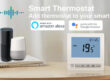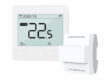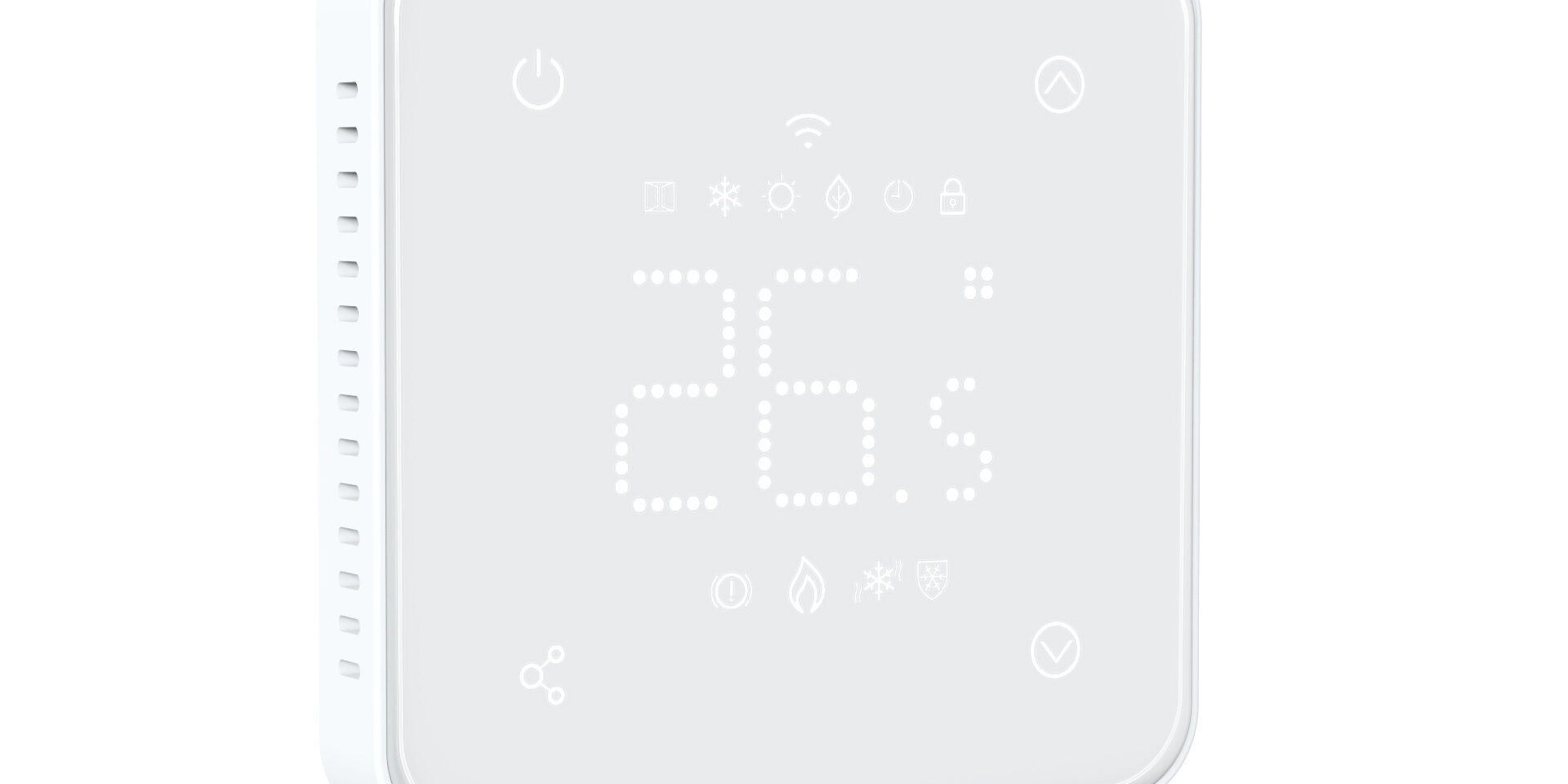
With the rapid development of smart buildings and IoT control technologies, more and more HVAC systems are adopting remote-controlled fan coil thermostats. These advanced thermostats not only allow precise indoor temperature adjustments but also enable monitoring and control via smartphones, tablets, or remote management platforms. But is it really worth investing in a remote-controlled thermostat? This article evaluates the benefits, costs, user experience, and selection tips for making an informed decision.
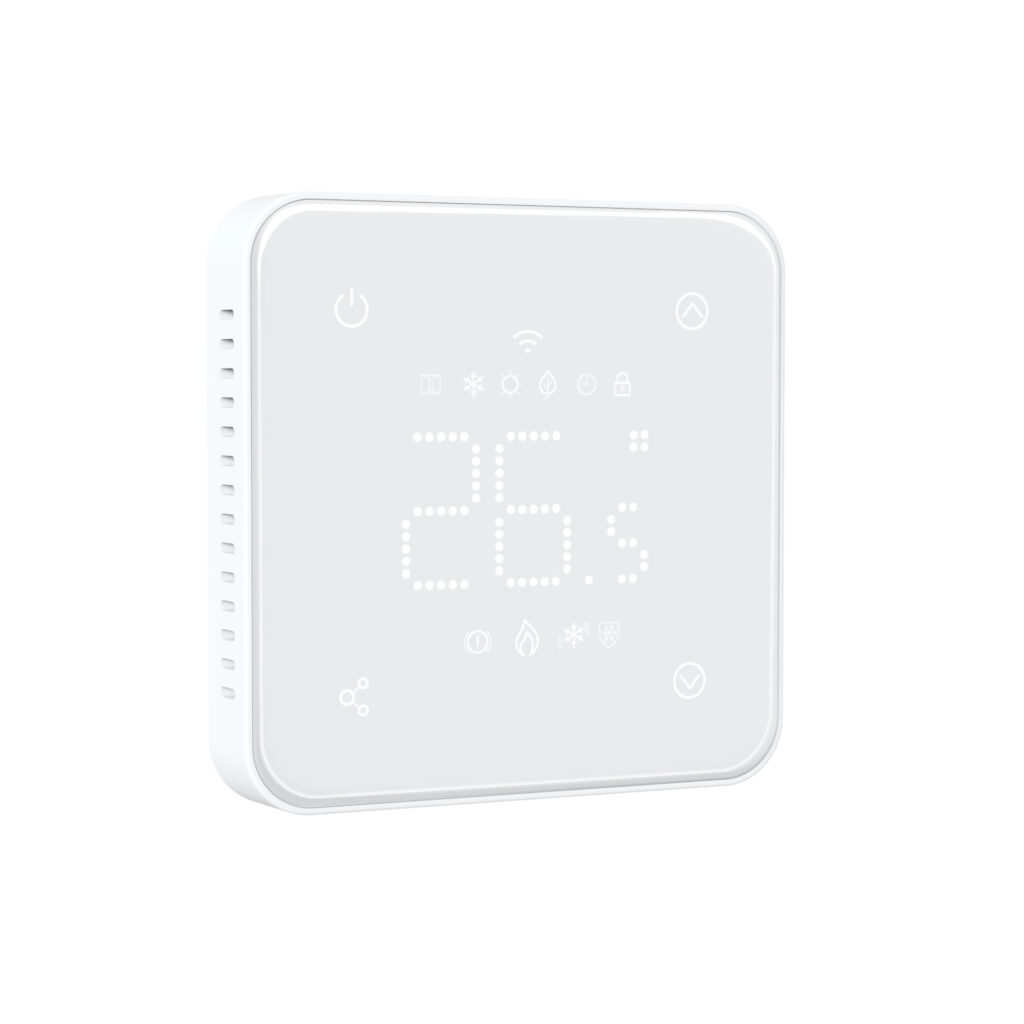
What Is a Remote-Controlled Fan Coil Thermostat?
A fan coil thermostat is the core control device in a fan coil unit system, responsible for adjusting fan speed, regulating room temperature, and maintaining comfort. A remote-controlled thermostat integrates Wi-Fi, Bluetooth, or wired network connectivity, allowing users to monitor and adjust temperature settings from virtually anywhere.
By leveraging smart controls, it has become an important upgrade for modern smart buildings, hotel rooms, and hospital wards.
Three Key Advantages of Remote Control
1. Control Your Environment Anytime, Anywhere
With remote control, users can check room temperature, fan speed, and system status via a mobile app. There’s no need to be physically at the thermostat—temperature can be adjusted from the office, during travel, or before arriving home, significantly improving comfort and convenience.
2. Energy Savings and Cost Optimization
Remote control combined with scheduling features or smart algorithms can automatically adjust temperature settings according to occupancy and usage patterns. For example, the thermostat can lower the setpoint or turn off the unit during unoccupied periods, reducing unnecessary energy consumption and saving electricity costs.
3. Centralized Management and Maintenance
For buildings with multiple rooms or zones, remote-controlled thermostats can be integrated into a building management system (BMS) for centralized monitoring and control. Administrators can adjust settings, track faults, and perform maintenance remotely, significantly improving operational efficiency.
Are Remote-Controlled Thermostats Suitable for Every Scenario?
Although remote control offers many benefits, it may not be necessary for all applications. Here are some guidelines:
◎ Ideal Scenarios
Smart offices or commercial buildings requiring centralized control of multiple fan coil units
Hotels or multi-unit residences where guest comfort and personalized settings are important
Hospitals or laboratories requiring precise environmental control
Remote-managed or unattended spaces
In these cases, the value of remote control—especially for energy management and centralized operation—is significant.
× Less Suitable Scenarios
Simple installations or purely local manual control
Single-room spaces with fixed conditions and no need for remote adjustment
Tight budgets where energy savings or remote access is not a priority
In these cases, traditional thermostats may be more cost-effective and sufficient.
Key Considerations When Selecting a Remote-Controlled Thermostat
Before purchasing, consider the following:
✔ Compatibility
Ensure the thermostat is compatible with existing fan coil unit circuits, including power supply, control wiring, and communication interfaces.
✔ Connectivity and Protocol Support
Choose devices with stable network connectivity, remote app management, support for smart platforms (like Alexa or Google Home), or integration with a building management system (BMS).
✔ Security and Privacy
Remote devices involve network access. Make sure the thermostat supports encryption, user access control, and firmware updates to prevent unauthorized access and protect privacy.
✔ After-Sales Support and Ecosystem
Opt for brands with reliable after-sales service, firmware upgrade support, and an open ecosystem to ensure long-term stability and usability.
Conclusion: Remote Control Is the Trend, but It Depends on Your Needs
Overall, remote-controlled fan coil thermostats offer convenience, energy management, and centralized maintenance advantages. For multi-zone buildings, remote monitoring, and high comfort requirements, investing in a remote-controlled thermostat is worthwhile. For single rooms, budget-limited projects, or cases where remote access is unnecessary, a standard thermostat may suffice.
When selecting a thermostat, consider your actual usage scenario, installation environment, and long-term maintenance needs. A well-chosen remote-controlled thermostat can enhance energy efficiency, improve user comfort, and maximize the value of your HVAC system.