
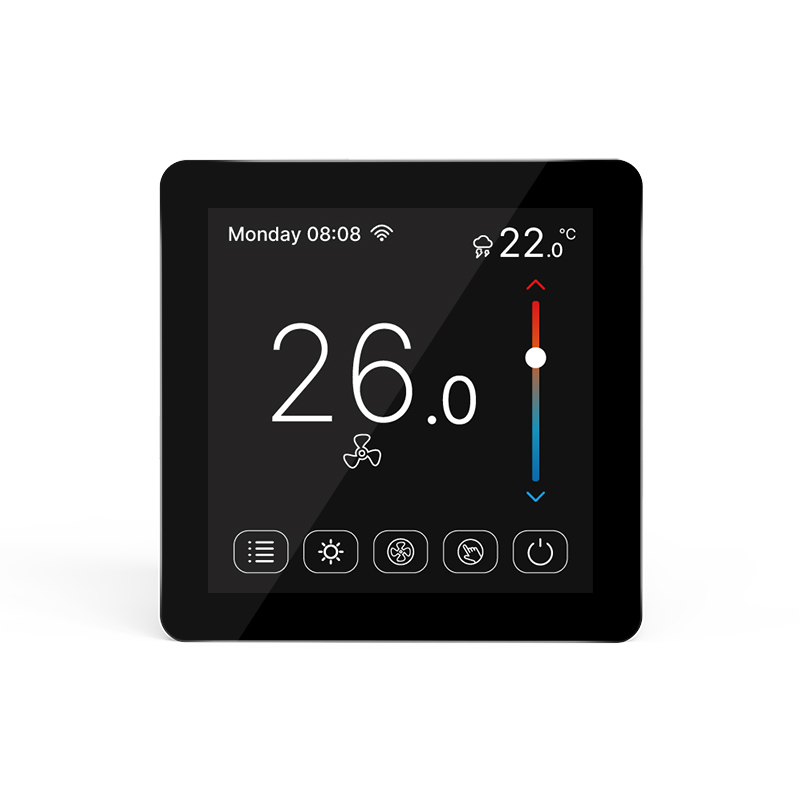
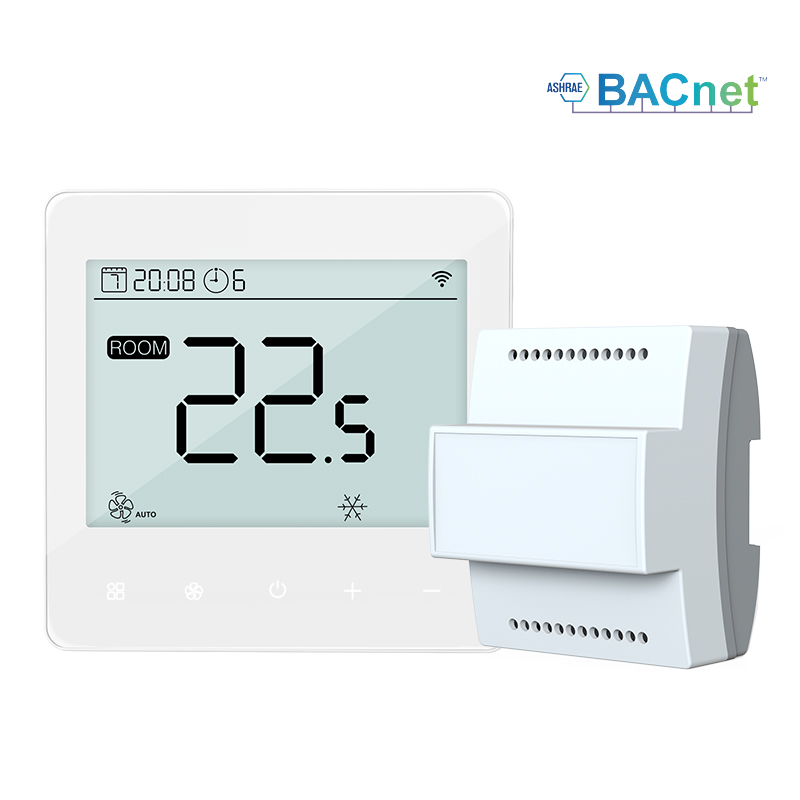
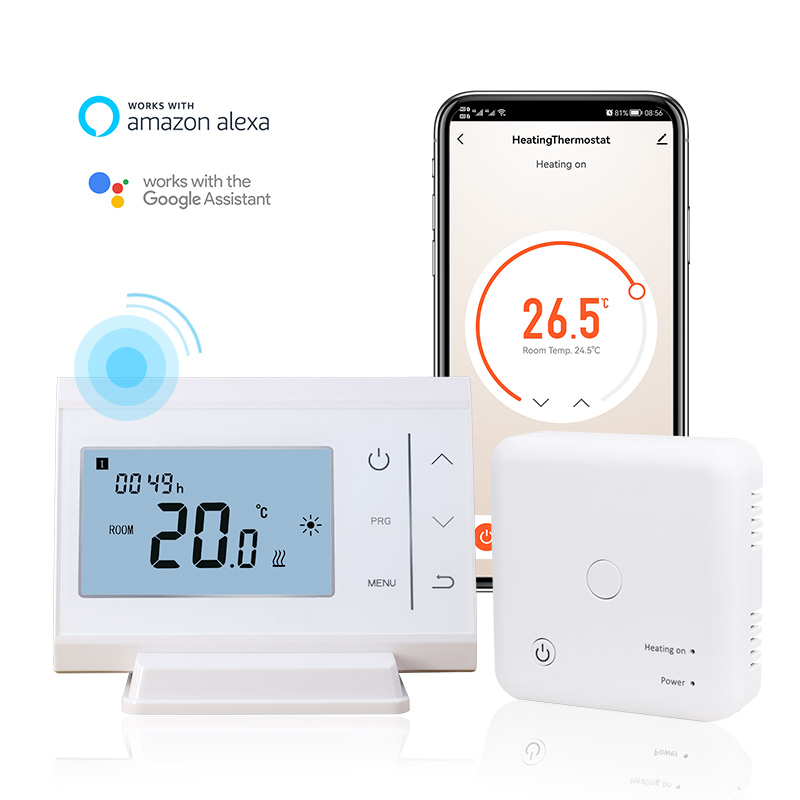
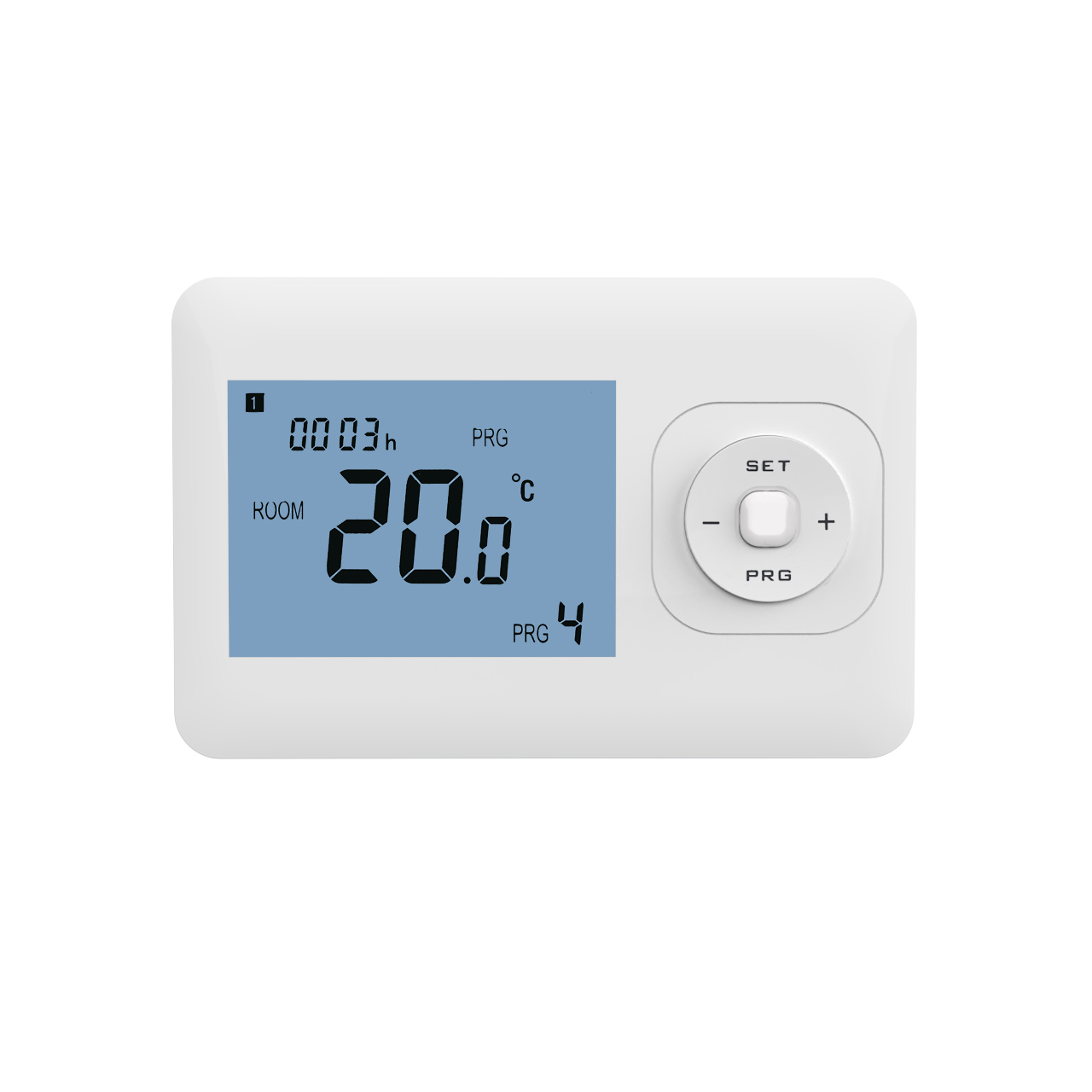
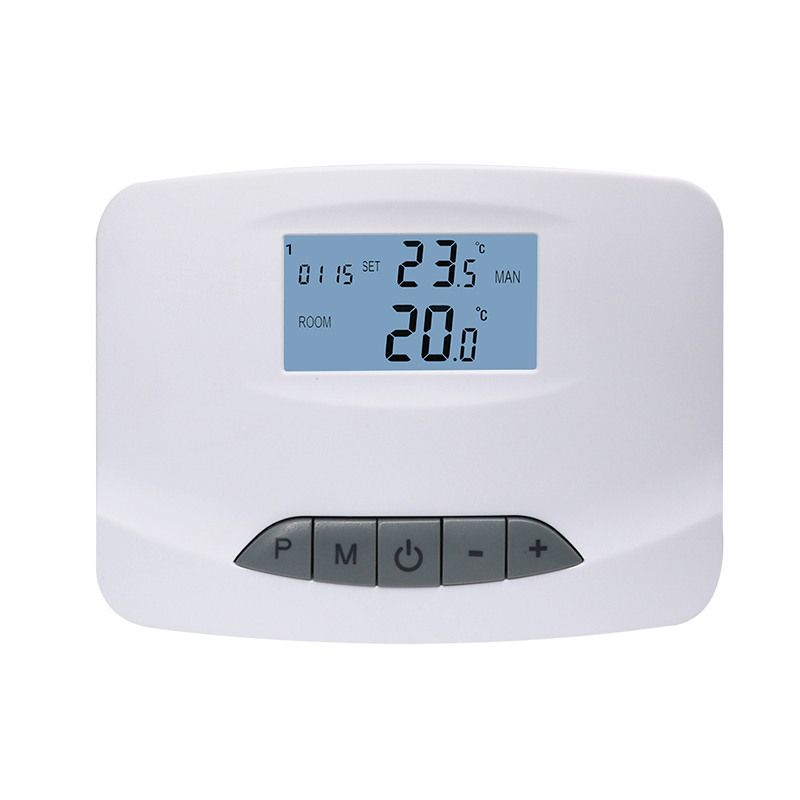
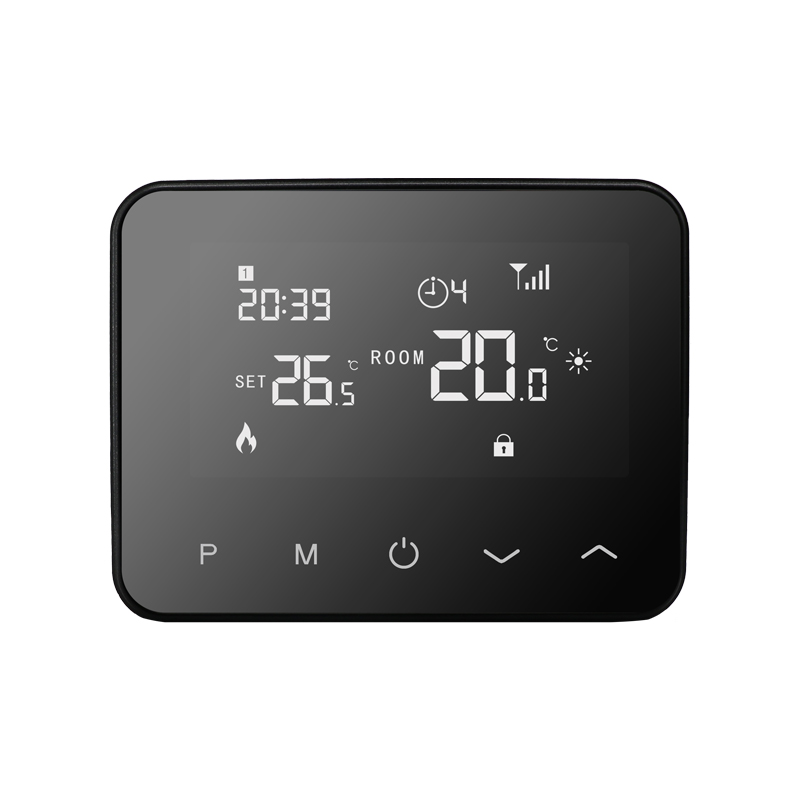
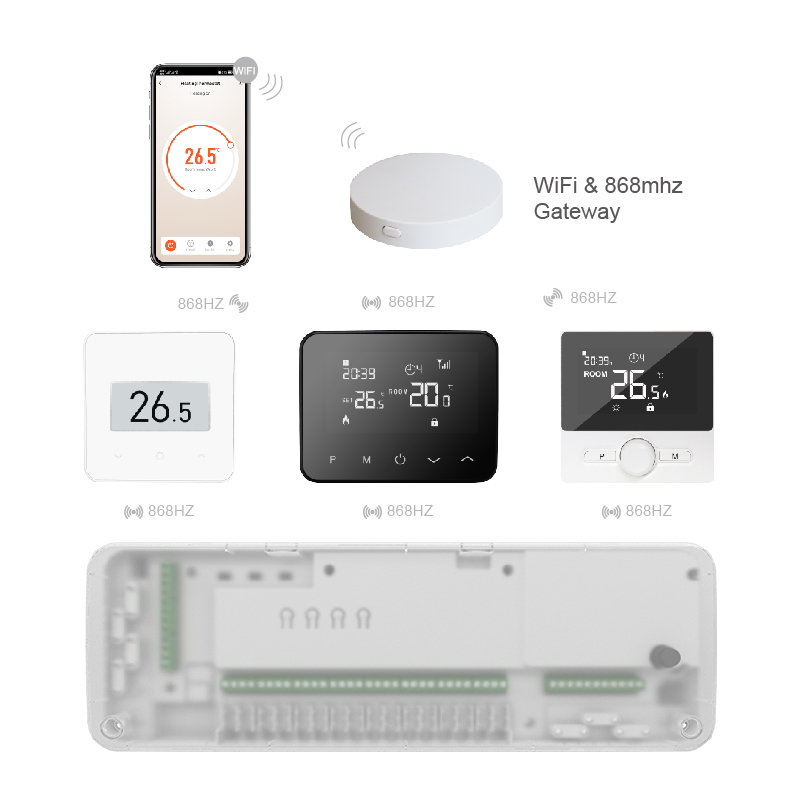
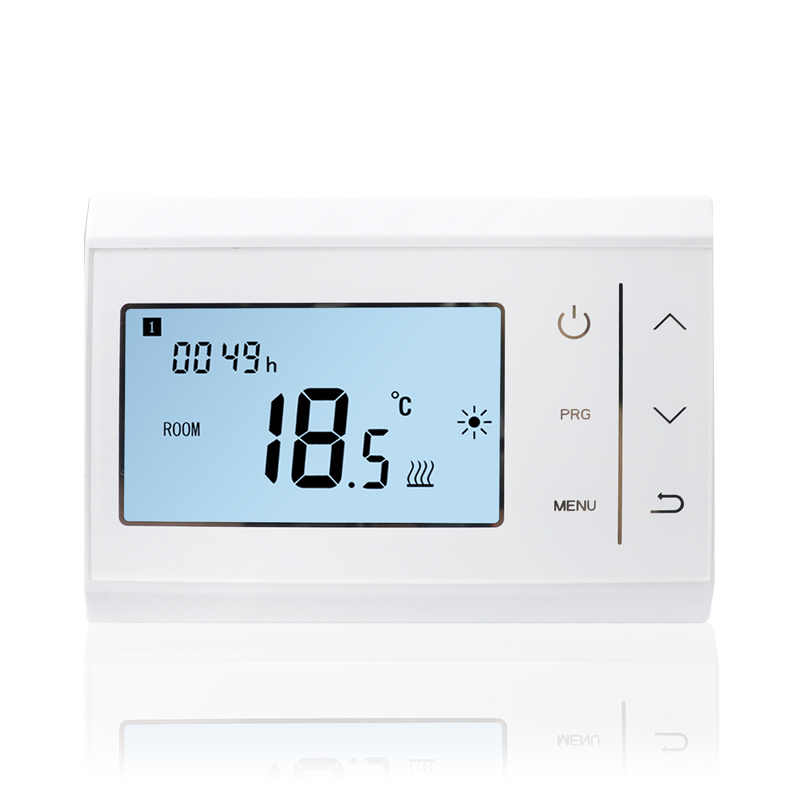
Fan coil unit (FCU) thermostats play a key role in HVAC systems, regulating indoor temperature, fan speed, and valve position to ensure comfort and energy efficiency. However, during long-term operation, thermostats may experience faults. To alert users, the system displays error codes that indicate specific issues. Understanding these error codes is essential for quickly diagnosing problems and maintaining stable HVAC system operation.
Common Categories of Error Codes
FCU thermostat error codes are generally divided into the following categories:
Sensor Faults
Abnormalities in temperature or humidity sensors will trigger related error codes. Common codes like E1 or E2 indicate an indoor temperature sensor or water temperature sensor open circuit, short circuit, or measurement error. Sensor faults prevent the thermostat from accurately monitoring the indoor environment, affecting system control performance.
Communication Faults
Errors in communication between the thermostat and the FCU controller or building management system may trigger codes such as C1 or C2. Causes may include disconnected bus lines, incorrect wiring, electrical interference, or protocol mismatch. Communication faults can prevent the thermostat from sending or receiving control commands, impacting centralized system control.
Valve or Fan Actuator Faults
When the electric valve or fan actuator in the FCU system malfunctions, the thermostat will display codes like F1 or F2. Common issues include actuator jamming, motor burnout, or feedback signal errors. These faults directly affect heating or cooling performance and require prompt inspection.
Power or Internal Circuit Faults
If the thermostat experiences power supply issues or internal circuit failure, error codes such as P1 or U1 may appear. Power issues may result from unstable voltage or loose connections, while circuit faults often require replacing the thermostat’s main board or control module.
Quick Troubleshooting Using Error Codes
Understanding common FCU thermostat error codes helps technicians quickly identify the root cause. Recommended steps for troubleshooting include:
Record the Error Code
When an error code appears, record the code and the time it occurred to provide a reference for further diagnostics.
Consult the Official Manual
Error codes may vary slightly between brands and models. Always refer to the product manual for precise definitions and recommended actions.
Check Sensors and Wiring
Sensor faults are the most common. Inspect sensor connections for looseness or damage and verify that readings are accurate.
Inspect Actuators and Fans
For valve or fan actuator errors, check whether the actuator operates normally and whether there is mechanical jamming or motor damage.
Verify Communication and Power Supply
Check the bus connection between the thermostat and controller, ensure stable power supply, and rule out wiring damage or interference.
Benefits of Using Error Codes
Using error codes for troubleshooting allows technicians to pinpoint problems efficiently, avoiding blind disassembly or trial-and-error. Leveraging error codes saves maintenance time, improves system reliability, and ensures long-term stable operation of the FCU HVAC system.
Conclusion
Error codes in fan coil unit thermostats are an essential self-diagnostic tool. Common faults include sensor errors, communication failures, valve or fan actuator malfunctions, and power or circuit issues. Understanding these codes and following systematic troubleshooting methods enables rapid problem resolution and targeted corrective actions. Proper use of error codes enhances maintenance efficiency and ensures both system stability and indoor comfort. For building managers and HVAC maintenance engineers, mastering thermostat error code interpretation is a key skill to ensure reliable long-term operation of FCU systems.