

As HVAC systems continue to evolve, 24V thermostats are no longer limited to basic temperature switching. One feature that has attracted increasing attention is multi-stage control. Many users question whether this function delivers real performance benefits or simply adds technical specifications. Understanding how multi-stage control works in real-world applications helps users make more informed decisions when selecting a thermostat.
Basic Concept and Operating Logic of Multi-Stage Control
Multi-stage control refers to a thermostat’s ability to regulate heating or cooling output in multiple levels rather than relying on a single on-off cycle. Common 24V thermostats support two-stage heating or two-stage cooling, with some models designed to manage heat pump systems and auxiliary heating sources.
When the temperature difference between the room and the setpoint is large, the thermostat activates a higher output stage to bring the environment closer to the desired level. As the gap narrows, the system automatically shifts to a lower stage, maintaining temperature in a smoother and more controlled manner. This layered regulation reduces abrupt changes in system operation.
Impact of Multi-Stage Control on Temperature Stability
In daily operation, multi-stage control plays an important role in improving temperature stability. Traditional single-stage thermostats rely on basic start-stop logic, which often leads to noticeable temperature swings. A 24V thermostat with multi-stage control delivers a more refined response.
Practical benefits include:
Reduced temperature fluctuations
Quieter and more consistent equipment operation
A more comfortable indoor climate
These characteristics are especially valuable for underfloor heating systems, central air conditioning, and heat pump installations where gradual temperature changes improve overall comfort.
Performance in Different HVAC Systems
Multi-stage control is not universally applicable, but its advantages become clear in suitable systems. In heat pump applications, a multi-stage thermostat coordinates primary heating with auxiliary heat sources, preventing unnecessary energy spikes. In central HVAC or fan coil systems, staged output minimizes mechanical stress caused by frequent cycling.
For larger residential spaces or environments with higher comfort requirements, the improvements delivered by multi-stage control are more noticeable. In commercial settings, staged operation also supports stable indoor conditions during extended operating hours.
Energy Management and Equipment Longevity
Many users are interested in whether multi-stage control helps reduce energy consumption. By limiting prolonged high-output operation, staged control allows HVAC equipment to run more efficiently. While energy savings depend on insulation quality and user behavior, multi-stage thermostats generally support more balanced energy usage over time.
From a maintenance perspective, reducing frequent start-stop cycles benefits key components such as compressors and motors. This is one reason HVAC professionals often recommend 24V thermostats with multi-stage control for systems designed for long-term operation.
Daily User Experience and Ease of Operation
Despite its advanced functionality, multi-stage control does not complicate daily operation. Most 24V thermostats manage stage transitions automatically in the background. Users only need to set the desired temperature and select the operating mode.
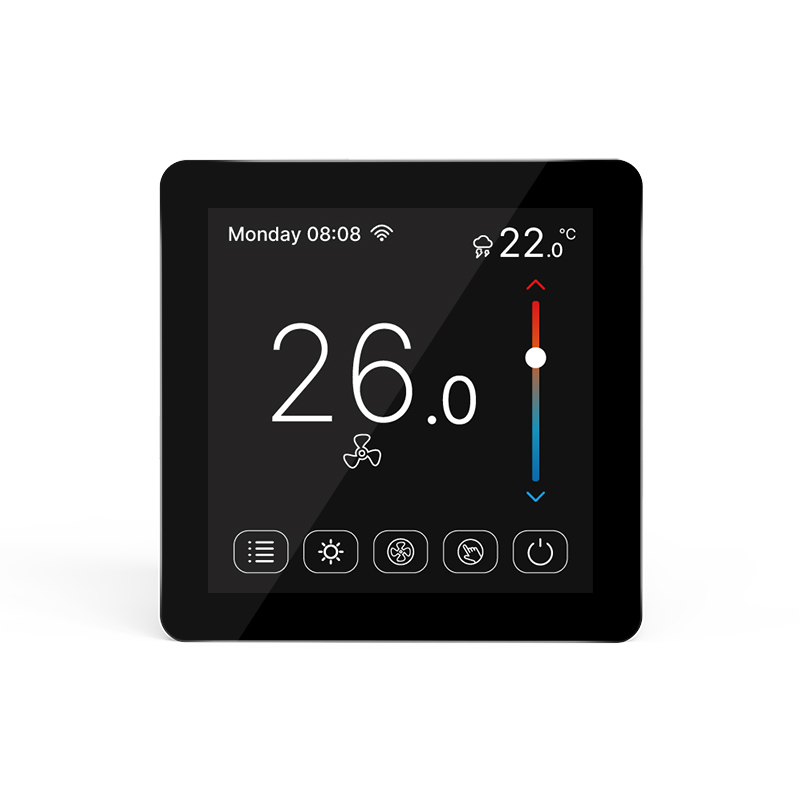
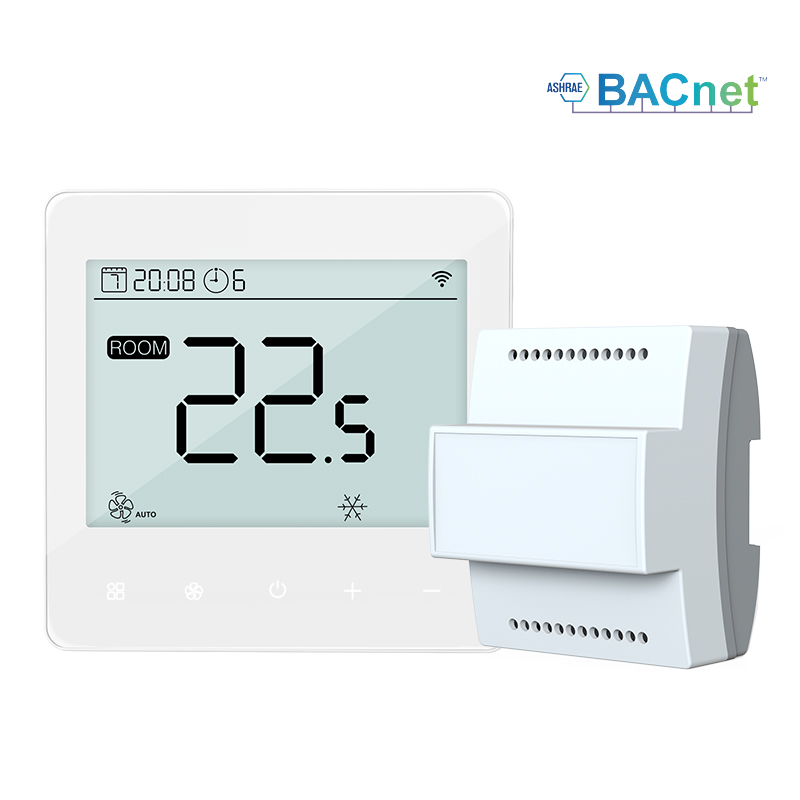
Many multi-stage thermostats also feature clear displays and intuitive menu structures, allowing users to easily understand system status. When combined with programmable scheduling, these thermostats provide a convenient and transparent temperature management experience.
Thermostat Selection and Practical Application Advice
When selecting a 24V thermostat, the decision to use multi-stage control should be based on the HVAC system configuration. Systems capable of staged output benefit most from thermostats designed to manage multiple stages effectively. For users upgrading or installing new HVAC equipment, choosing a thermostat with reliable multi-stage control and flexible programming enhances overall system performance.
Many well-established 24V thermostat models on the market integrate multi-stage control with stable regulation and user-friendly interfaces. Pairing such thermostats with compatible HVAC systems improves comfort, supports efficient operation, and delivers a more dependable temperature control experience.