
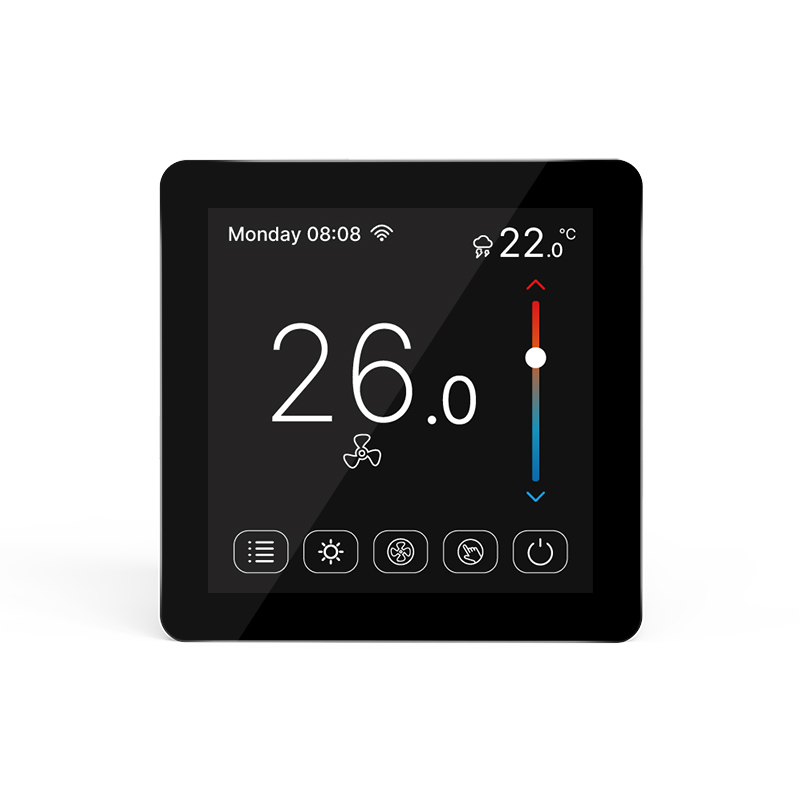
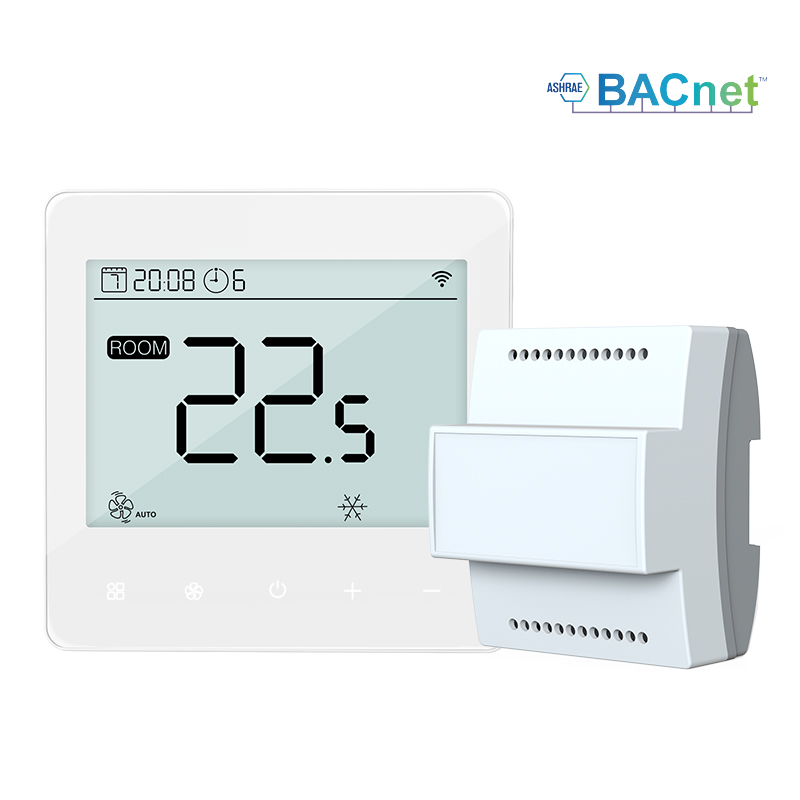

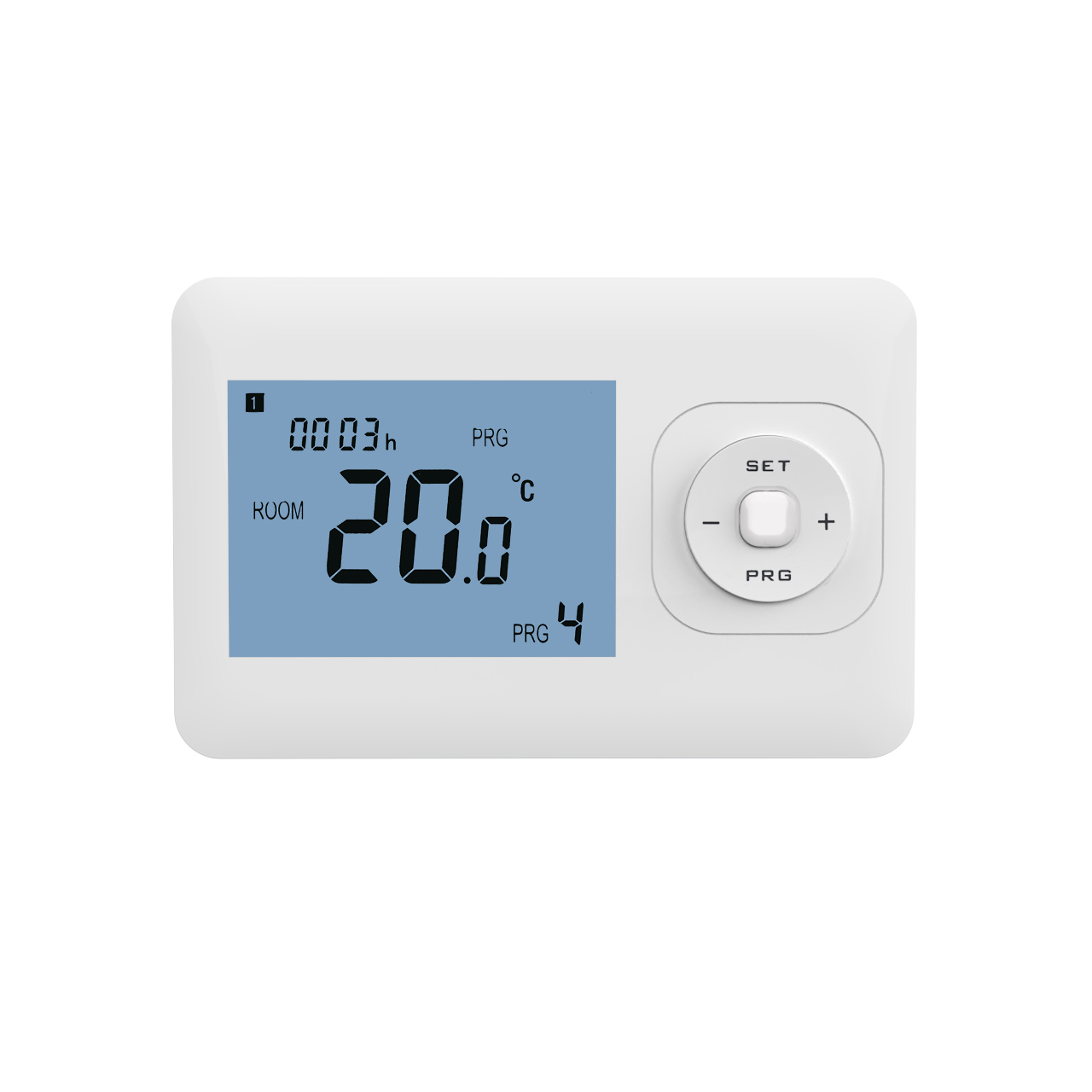
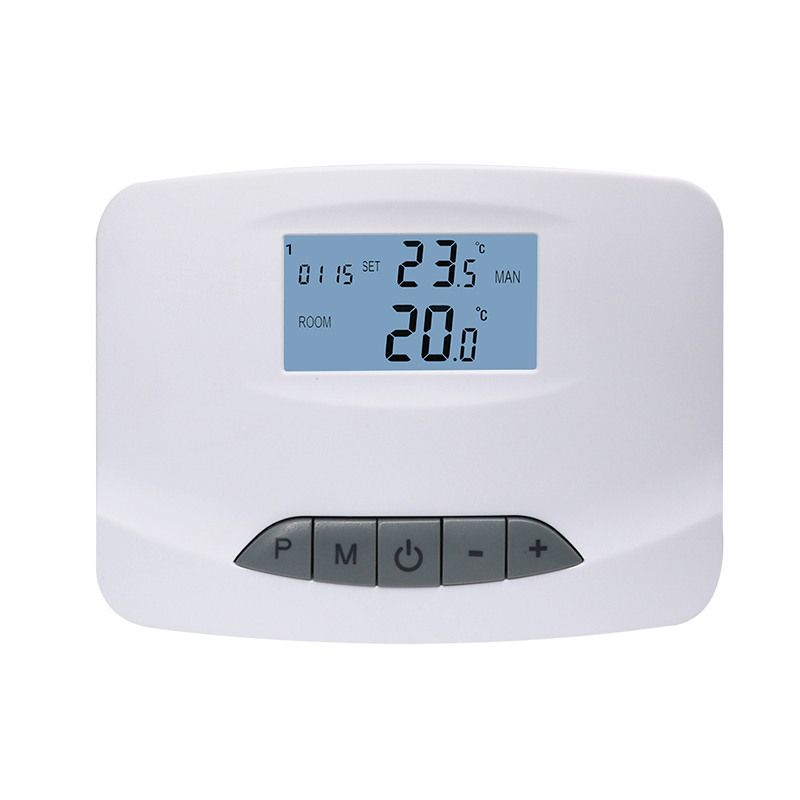



In home heating systems, radiator thermostatic valves, though small in size, play a crucial role. Like a smart “butler,” they precisely regulate indoor temperature, ensuring a warm and comfortable living environment even in the cold winter. However, faced with the dazzling array of thermostatic valve models on the market, many consumers often feel confused and unsure how to choose. Actually, by mastering the correct methods, it’s easy to select the right thermostatic valve model for your home’s heating system.

Choosing the right thermostatic valve model first requires considering the type of heating system. Currently, common heating systems include centralized heating and individual heating systems. Centralized heating systems typically have higher pressure and water temperatures. When selecting a thermostatic valve model, it’s essential to ensure it can withstand the higher pressure and temperature, possess reliable sealing performance, and high-temperature resistance to prevent leaks or damage. Individual heating systems are more flexible, with relatively stable pressure and water temperature. However, when choosing a thermostatic valve model, it’s still necessary to consider the specific heating equipment, such as the type and power of the boiler, to ensure stable operation and good temperature control of the heating system.
The function and size of a room are also important considerations. Different rooms have different temperature requirements. For example, bedrooms require a relatively warm and quiet environment to ensure good sleep quality; therefore, a thermostatic valve model with high adjustment precision and low noise should be chosen. Living rooms, as places for family activities and entertaining guests, have higher personnel flow and more flexible temperature requirements; a thermostatic valve with a wider flow rate adjustment range can be selected to quickly adjust the temperature according to different situations. At the same time, the size of the room directly affects the heat dissipation of the radiator. Larger rooms require a thermostatic valve model with a larger flow rate to ensure sufficient heat is provided for a uniform and comfortable indoor temperature.
Furthermore, water quality is also crucial. In some areas, the water quality is poor, containing more impurities and minerals, which can easily form scale inside the thermostatic valve, affecting its normal operation and lifespan. In such cases, a thermostatic valve model with good corrosion resistance and anti-clogging design should be chosen, such as products made of stainless steel or with built-in filters, which can effectively reduce scale buildup and ensure the sensitivity and stability of the thermostatic valve.
Choosing the right thermostatic valve model for your radiator requires considering various factors, including the type of heating system, the room’s function and size, and water quality. Only by accurately matching these needs can you select a high-performance, reliable thermostatic valve that provides strong support for your home heating system. Let us enjoy the comfort and warmth brought by thermostatic valves without worrying about temperature adjustments during the cold season, and start a high-quality home life.