
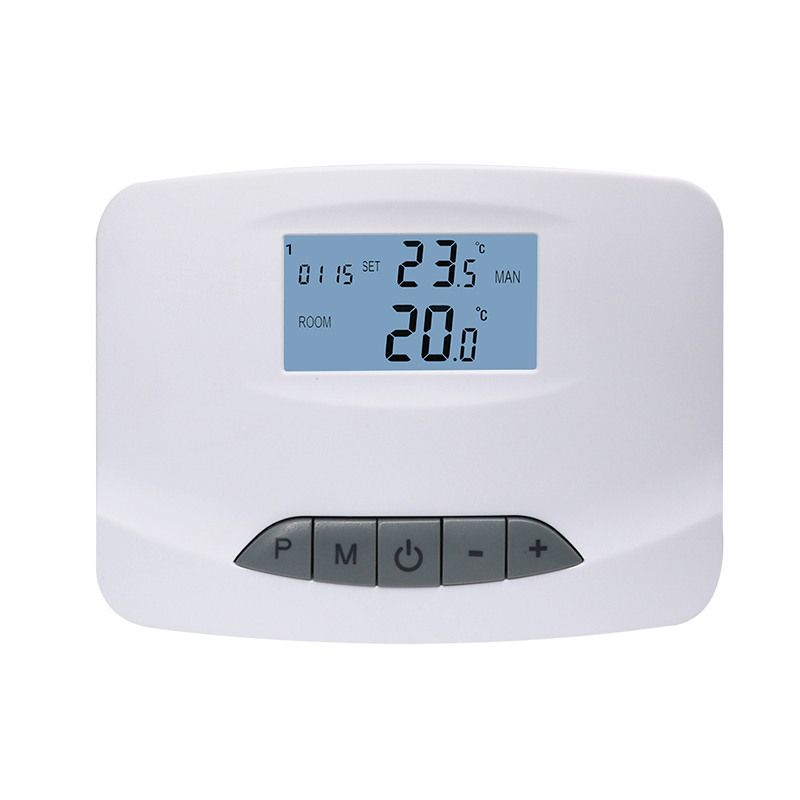
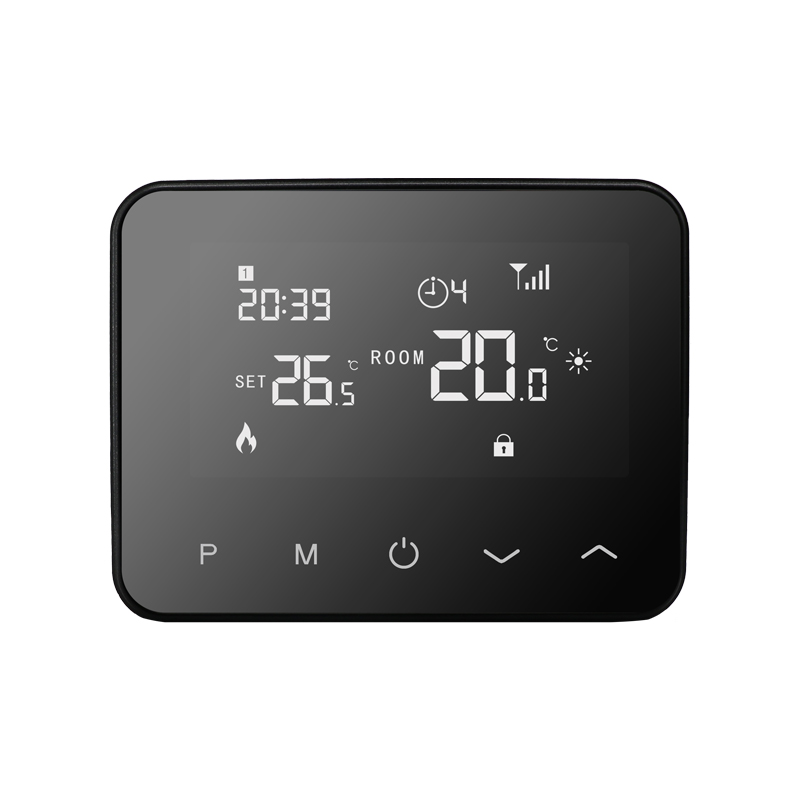


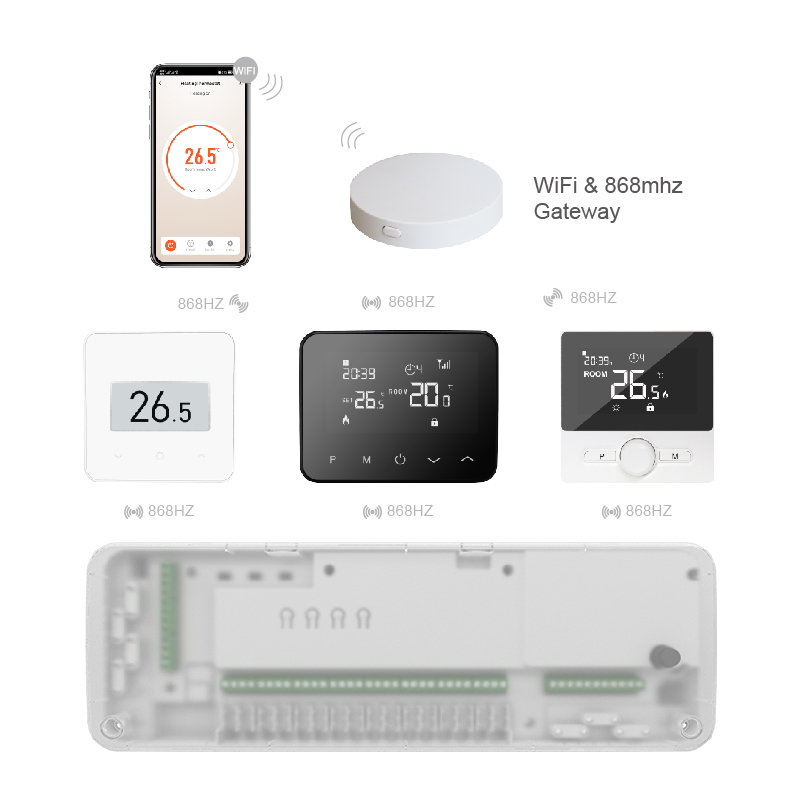
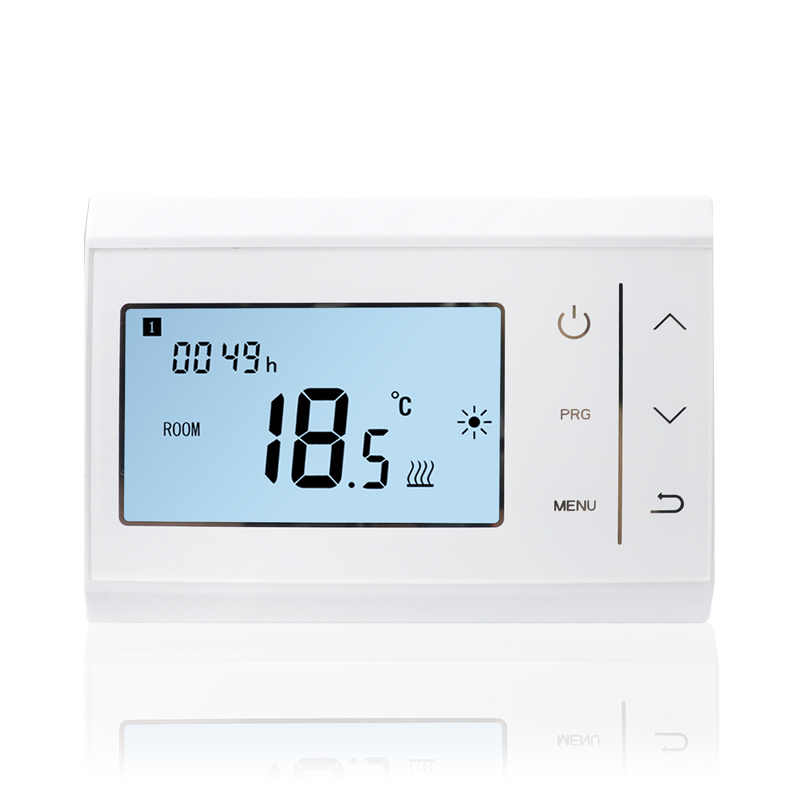
With winter approaching, heating becomes a necessity for every household. However, many face a dilemma: raising the temperature hurts their wallets, while lowering it leaves them shivering in the cold. Traditional heating methods often suffer from uneven heat distribution and overheating, resulting in significant energy waste. The emergence of thermostatic radiator valves offers a new solution for home heating. With its ingenious design and intelligent adjustment, it has become a key to saving money on winter heating.
Dynamic Adjustment: Precisely Matching Heat Demand and Avoiding “Heat Overload”
Traditional radiators operate with a relatively fixed hot water flow rate, continuously supplying heat regardless of the actual indoor heat demand. This is akin to constantly feeding a person who is already full, inevitably leading to waste. For example, during sunny days when indoor temperatures are already high, traditional radiators continue to supply heat at a fixed flow rate, causing excessively high room temperatures. Users are forced to open windows to dissipate heat, resulting in wasted energy.
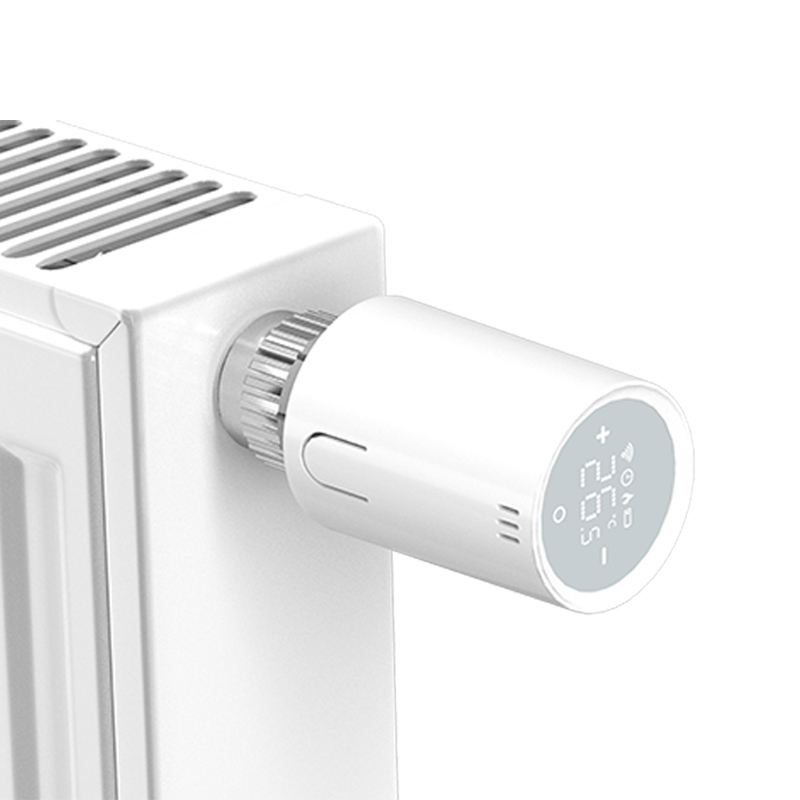
Thermostatic radiator valves are completely different. Their built-in temperature bulb acts like a sensitive “temperature sensor,” detecting real-time changes in indoor temperature. When the room temperature exceeds the set value, the bulb expands rapidly, pushing the valve stem to close the valve and reduce the amount of hot water flowing into the radiator. When the room temperature drops, the bulb contracts, automatically opening the valve and increasing the hot water flow. This dynamic adjustment mechanism ensures that the heat output of the radiator always matches the actual indoor demand, avoiding “heat excess.” According to tests by relevant institutions, using thermostatic valves can reduce heat waste caused by overheating by 20%-30%, significantly lowering heating costs.
Adapting to Environmental Changes: Flexibly Addressing “Free Heat” and Unlocking Energy-Saving Potential
Many sources of “free heat” exist in the home environment, such as sunlight, human activity, and heat dissipation from appliances. While this heat is unstable, proper utilization can reduce reliance on radiator heating, thus achieving energy savings. However, traditional heating systems cannot detect and utilize this “free heat,” causing radiators to operate under constant high load.
The intelligence of a thermostatic radiator valve lies in its ability to sensitively detect changes in “free heat.” When there is sufficient “free heat” indoors, such as when sunlight streams into the room through a window, the thermostat senses the temperature rise and automatically closes the valve to reduce radiator heating, allowing the “free heat” to be fully utilized. When “free heat” decreases, such as after sunset, the thermostat senses the temperature drop and opens the valve to replenish heat. This flexible adjustment fully taps into the energy-saving potential of the home environment, further reducing heating costs. Some users have reported that after installing a thermostatic valve in a sunny room, radiator heating is almost unnecessary during the day in winter, as sunlight alone is sufficient to maintain warmth, resulting in a significant reduction in heating costs.
Balancing System Hydraulics: Solving “Uneven Heating” and Improving Overall Energy Efficiency
In some dual-pipe or single-pipe heating systems, an imbalance in riser water flow often occurs, leading to uneven heating between different rooms within the same system. For example, rooms closer to the heat source may be too warm, while rooms farther away may be too cold. To achieve a comfortable temperature in cold rooms, users often increase the overall heating parameters of the system. This not only wastes energy but also makes the already hot rooms even more stuffy.
Thermostatic radiator valves effectively solve this problem. In a two-pipe system, they automatically adjust the hot water flow according to the actual needs of each room through proportional regulation, making the flow distribution to each radiator more reasonable and achieving hydraulic balance. In a single-pipe system, with a bypass pipe design, the thermostatic valve can flexibly control the proportion of hot water flowing through the radiator and the bypass pipe, ensuring that each room receives suitable heat. After the system achieves hydraulic balance, the overall heating efficiency is improved, avoiding ineffective adjustments due to localized overheating or underheating, thereby reducing energy consumption and heating costs.
With its advantages of dynamic adjustment, adaptability to environmental changes, and system hydraulic balance, the thermostatic radiator valve brings significant energy-saving effects to home heating. It acts like a shrewd “financial manager,” maximizing the value of every bit of heat, helping families enjoy warmth while saving money during winter heating. If you’re still worried about high heating costs, consider installing thermostatic valves on your radiators for a cost-effective and comfortable new heating experience.