
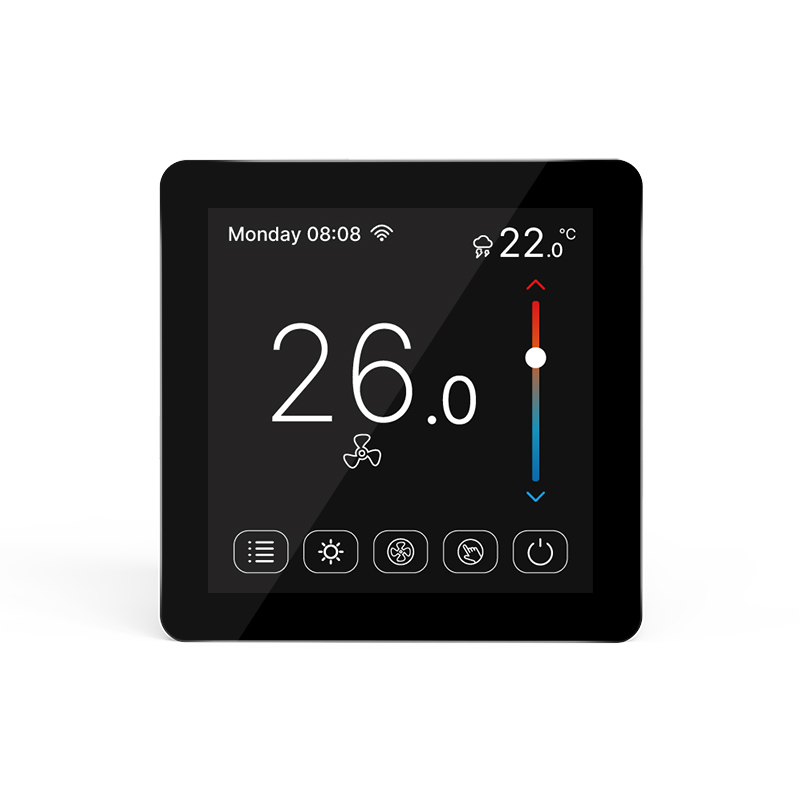
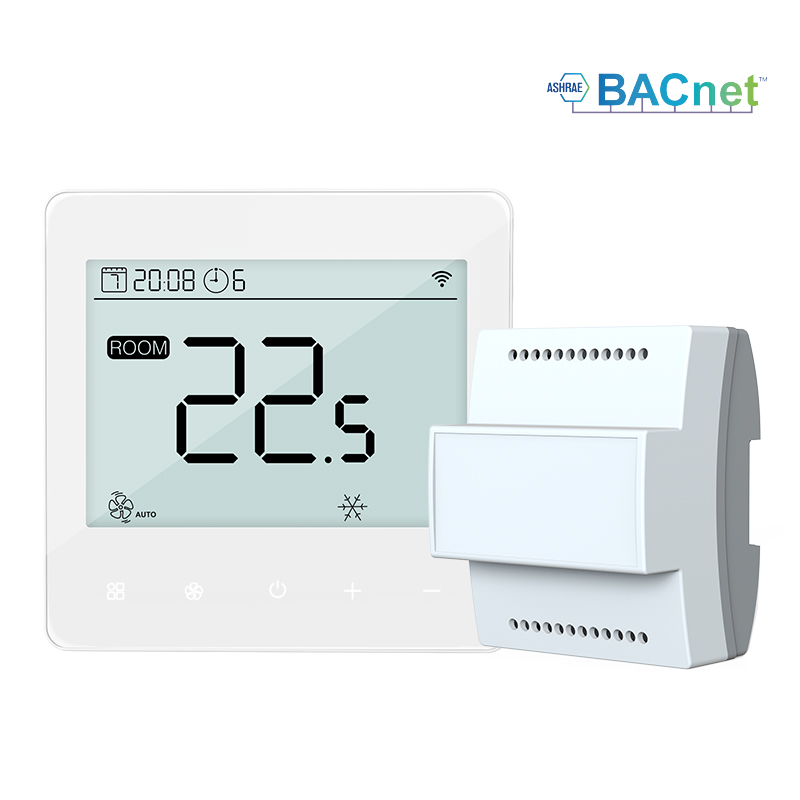
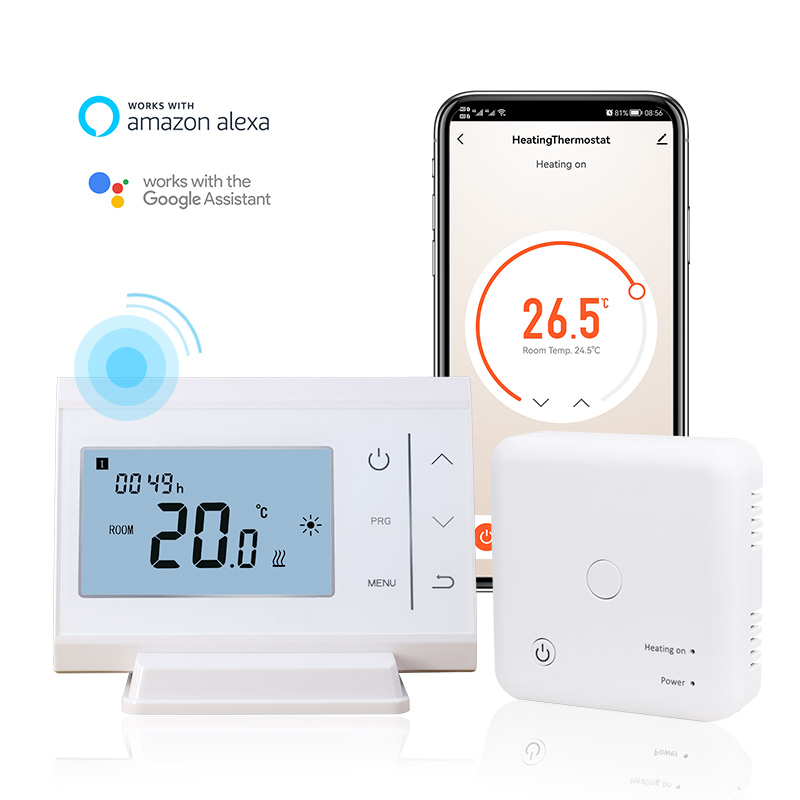
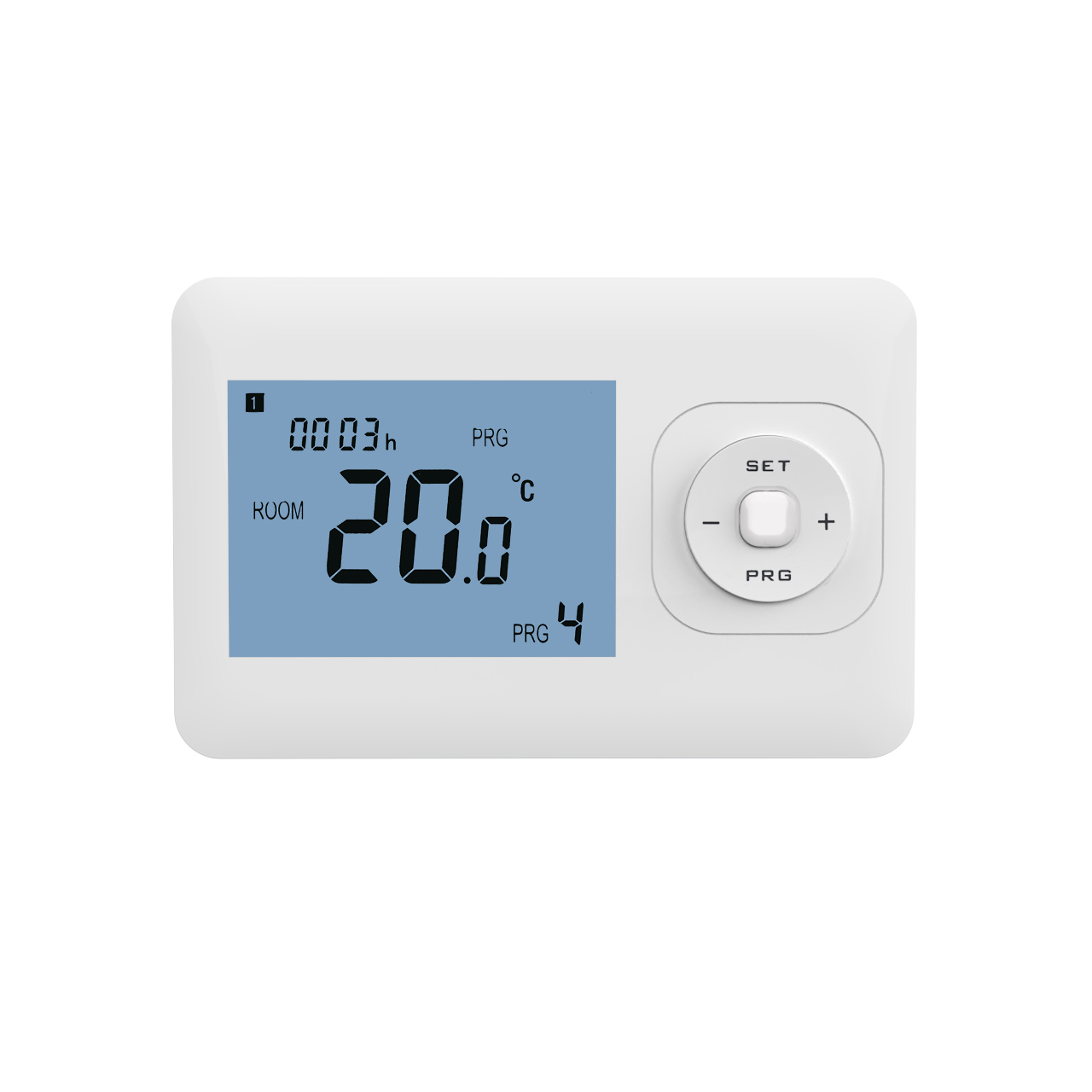

In modern HVAC systems, fan coil units and underfloor heating are two commonly used terminal solutions, and the 24V thermostat serves as the key control interface between users and system operation. Many users wonder whether a 24V thermostat is more suitable for fan coil systems or underfloor heating installations. Understanding the operational characteristics of each system and how thermostats manage control logic helps users select the most appropriate solution and achieve better indoor comfort.
Core Control Characteristics of a 24V Thermostat
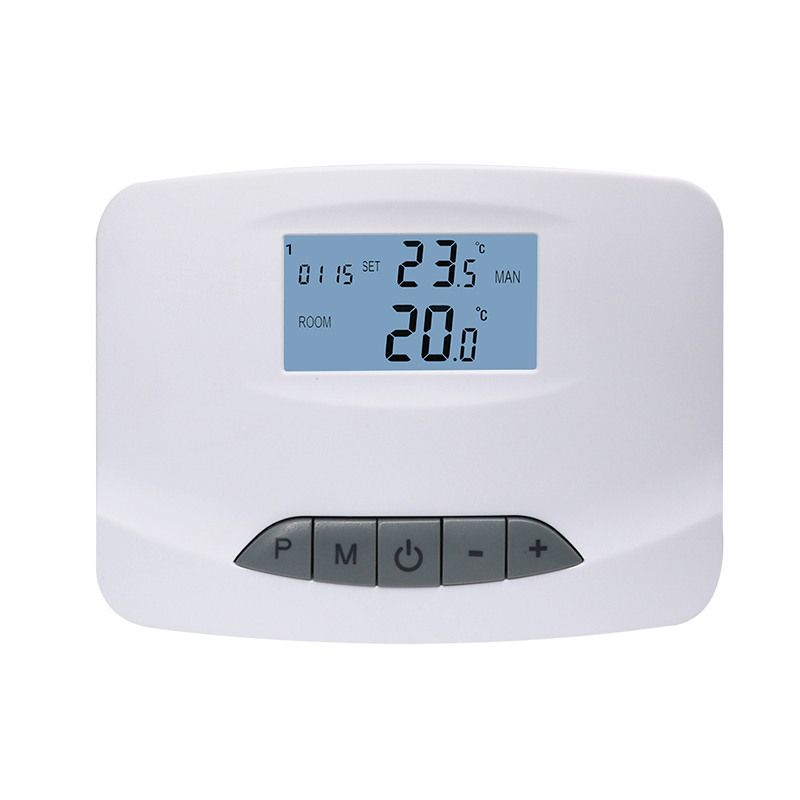
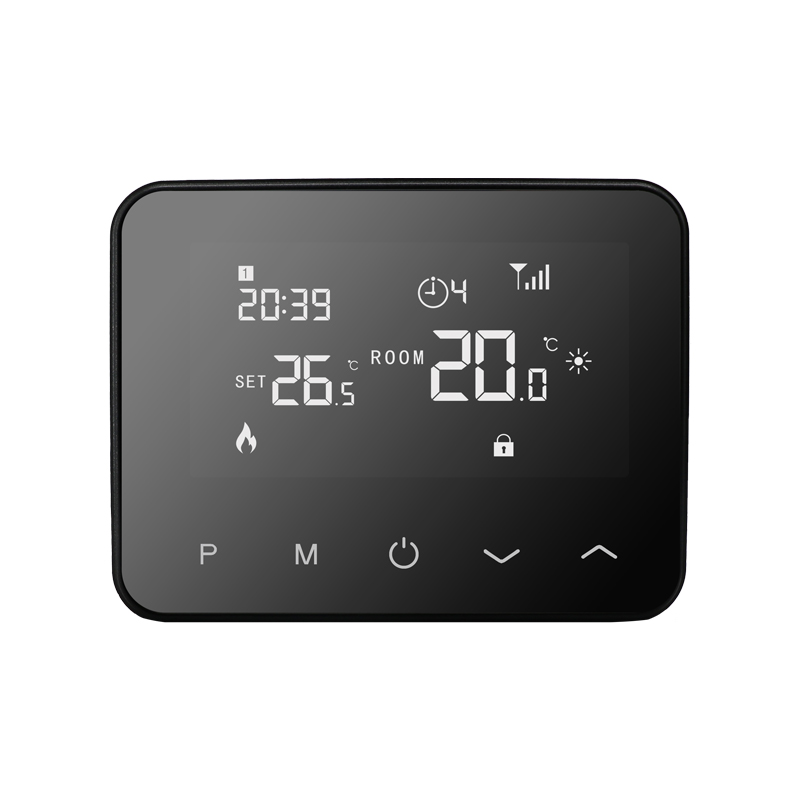
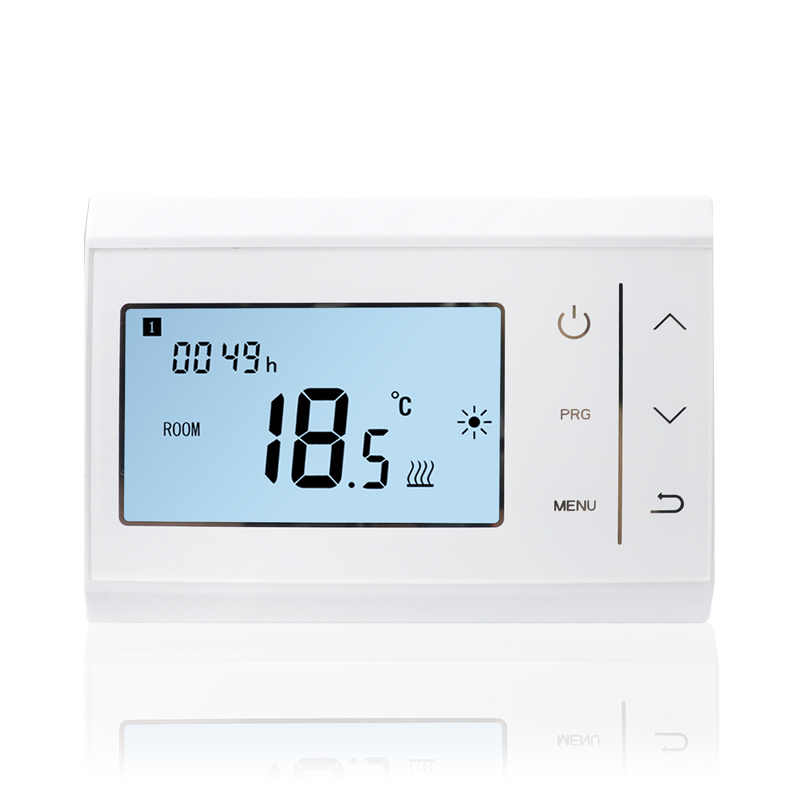
A 24V thermostat operates using low-voltage control signals to communicate with HVAC equipment, actuators, or control modules. This low-voltage design enhances safety and provides broad system compatibility, making it suitable for both residential and commercial environments. Built-in temperature sensors continuously monitor indoor conditions and issue control commands based on preset temperature values.
Many 24V thermostats support heating and cooling mode selection, programmable scheduling, and multi-stage control. These features allow the thermostat to adapt to different terminal systems and operational requirements.
Application of 24V Thermostats in Fan Coil Systems
Fan coil systems are known for fast response and flexible temperature adjustment, making them suitable for environments where quick temperature changes are required. In such systems, the 24V thermostat typically controls fan operation, water valve actuation, and mode switching. Because fan coil units respond quickly, the thermostat must provide accurate and timely control.
In practical applications, 24V thermostats designed for fan coil systems often offer:
Support for multiple fan speed settings or on-off fan control
Rapid temperature feedback and precise adjustment
Clear user interfaces for frequent manual operation
These features make fan coil systems in offices, hotels, and residential buildings more comfortable and easier to manage.
Compatibility of 24V Thermostats With Underfloor Heating
Underfloor heating systems have higher thermal inertia, with slower temperature rise and fall. This characteristic places greater emphasis on stable temperature control rather than rapid cycling. In underfloor heating applications, a 24V thermostat focuses on maintaining steady operation instead of frequent start-stop actions.
Thermostats suitable for underfloor heating typically emphasize:
Smooth temperature transitions with minimal fluctuation
Programmable scheduling for daily routines
Protective functions such as overheat prevention or delay control
In residential environments, pairing underfloor heating systems with reliable 24V thermostats improves comfort by ensuring even and consistent heat distribution.
Differences Between Fan Coil and Underfloor Heating Control
Fan coil units and underfloor heating systems differ significantly in operating behavior, which influences thermostat configuration. Fan coil systems prioritize quick response, while underfloor heating prioritizes long-term stability. Due to its flexible feature set, a 24V thermostat can perform effectively in both systems, provided appropriate settings are applied.
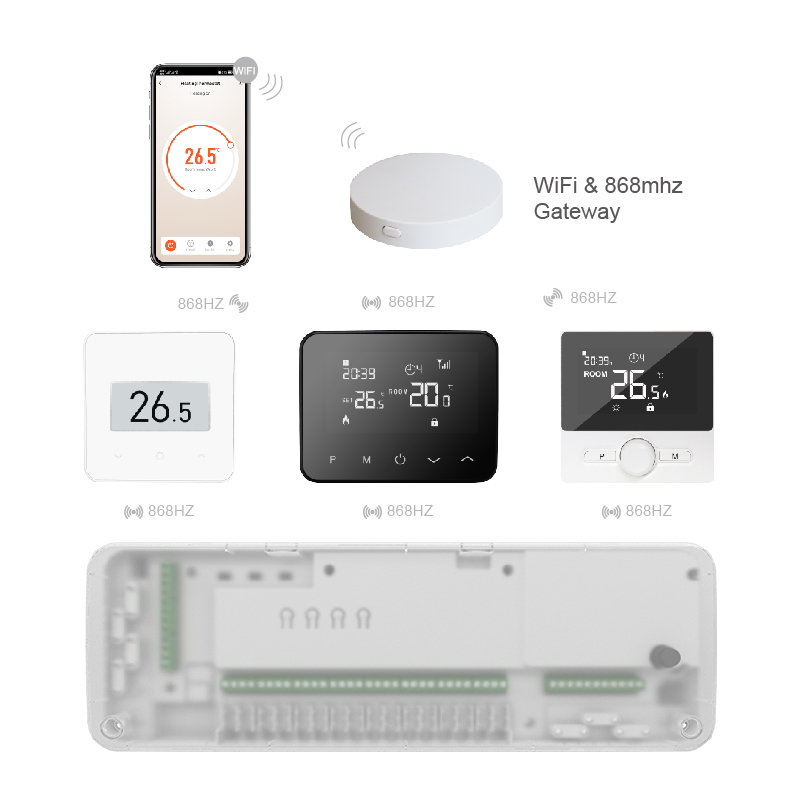
In hybrid HVAC setups, some users choose multi-functional 24V thermostats that support different control modes. This flexibility allows seasonal adjustments and zone-based temperature management within the same property.
Thermostat Selection and Practical Usage Guidance
When selecting a 24V thermostat, system type and usage requirements should guide the decision. For fan coil systems, models with fast response and fan control functions are preferable. For underfloor heating systems, attention should be given to temperature stability and programmable control features.
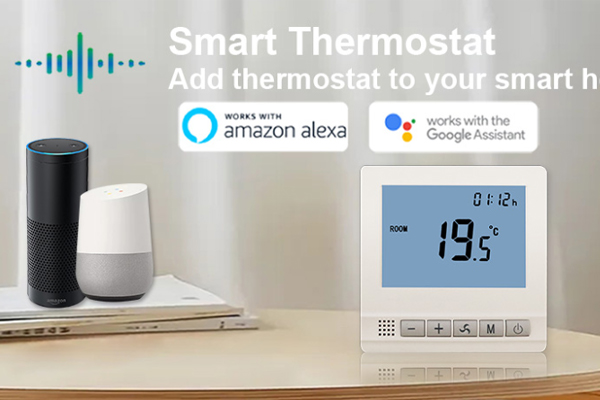
Many well-established 24V thermostat products on the market are designed to support both fan coil and underfloor heating applications. Choosing a reliable, well-engineered thermostat enhances system efficiency and simplifies daily operation, helping users achieve a more comfortable indoor environment across different HVAC configurations.