
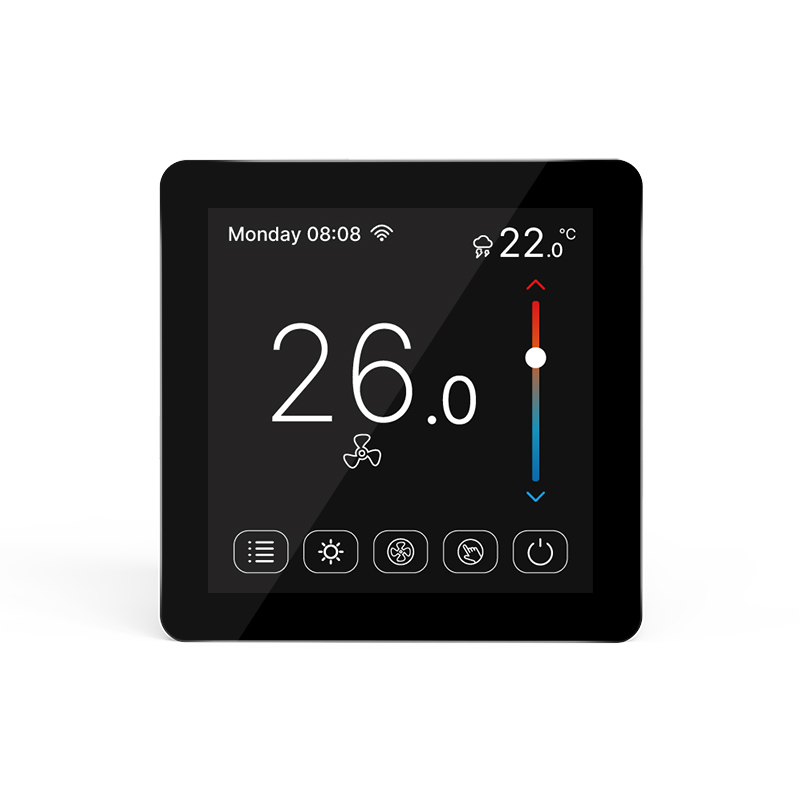
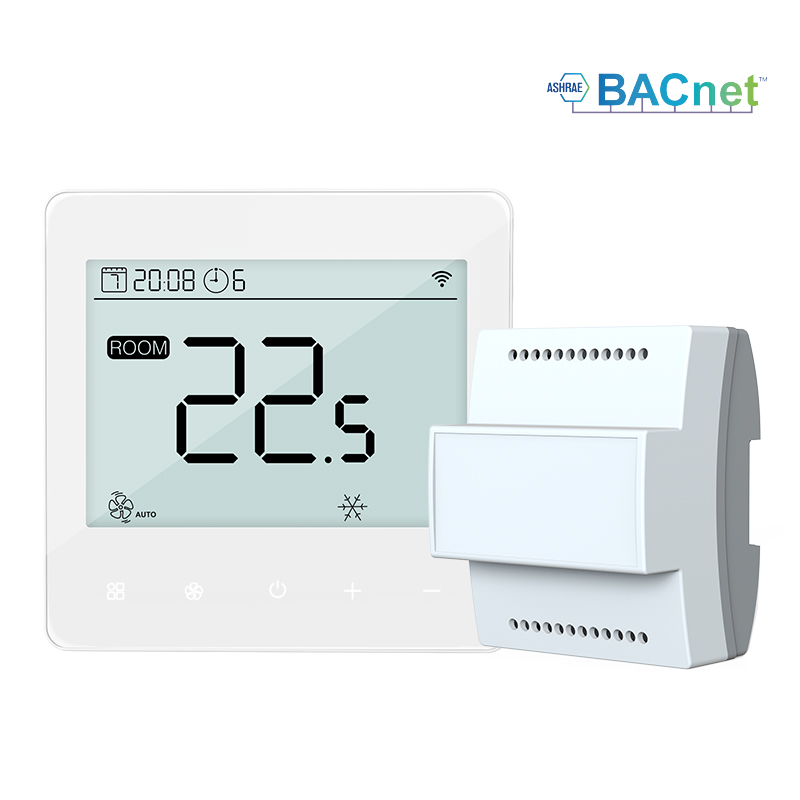
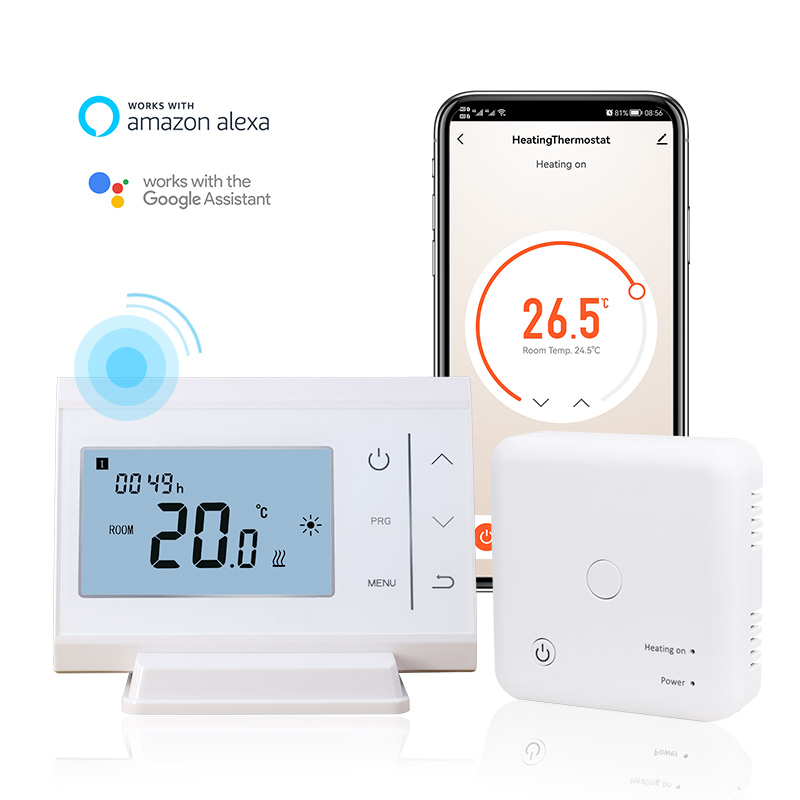
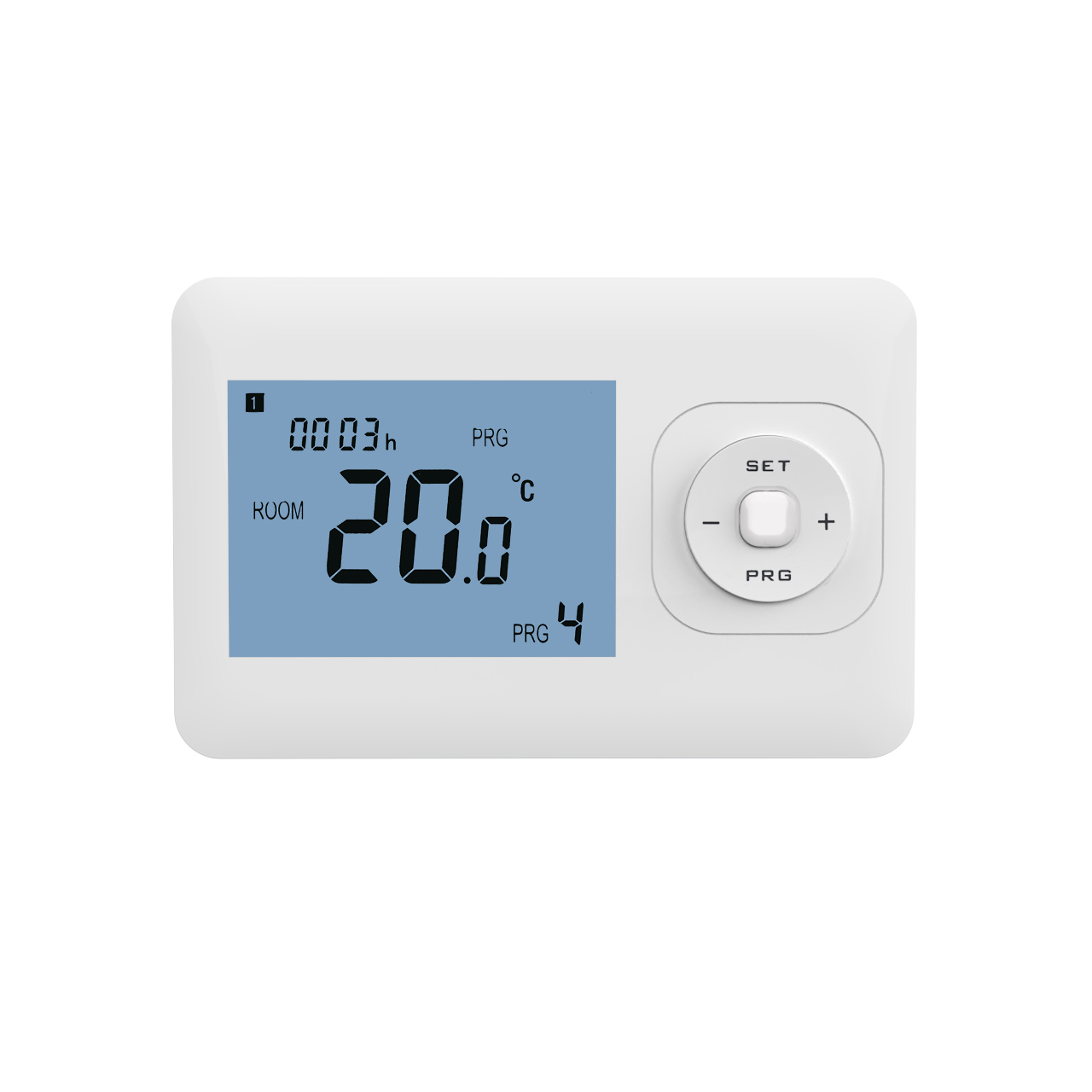
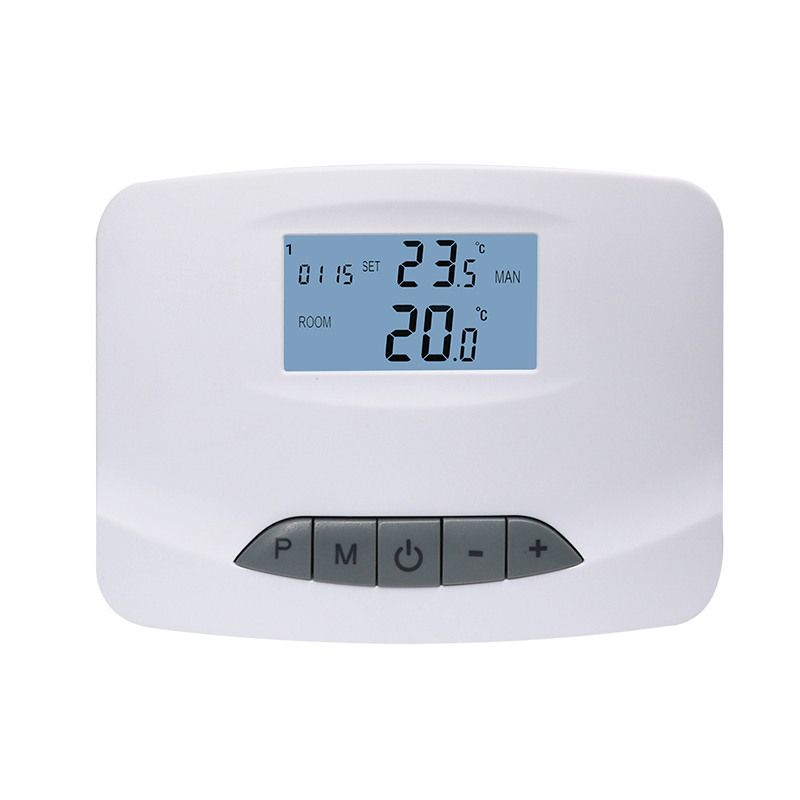
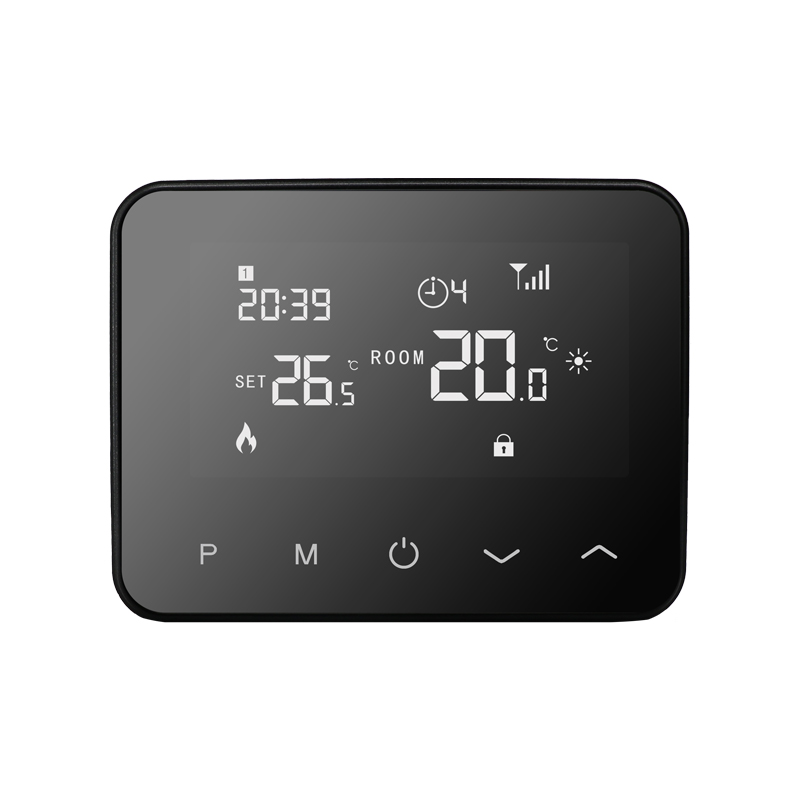
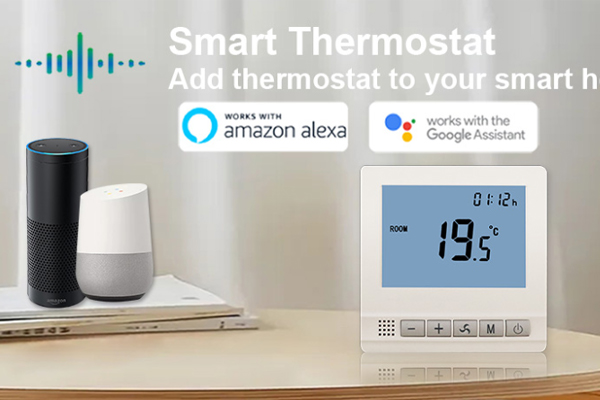

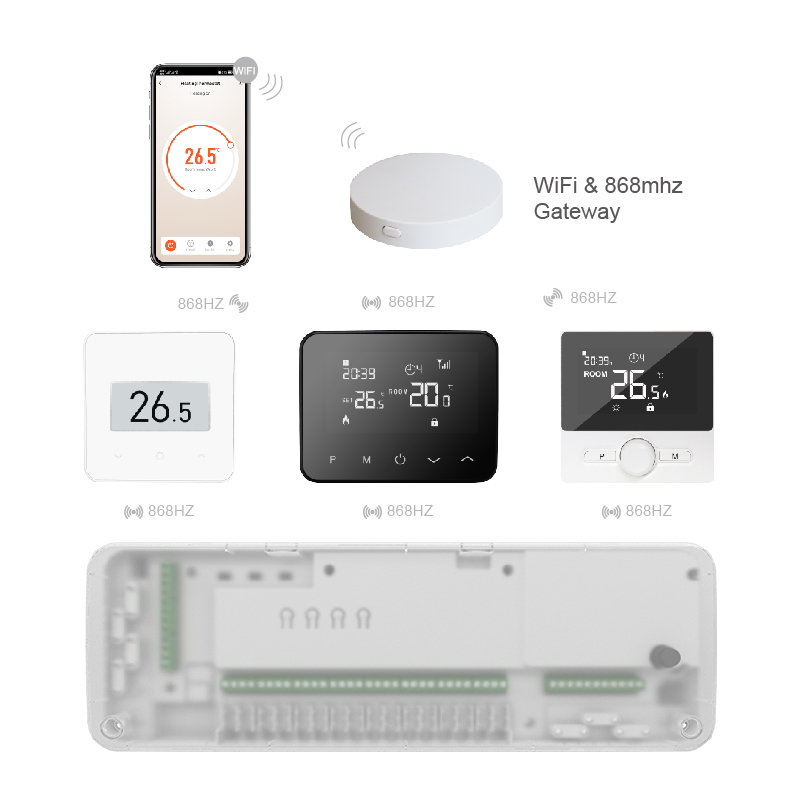
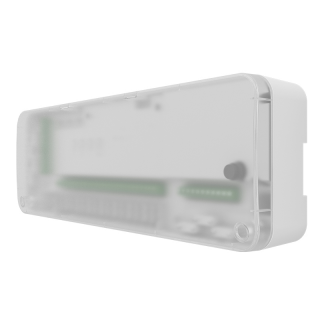
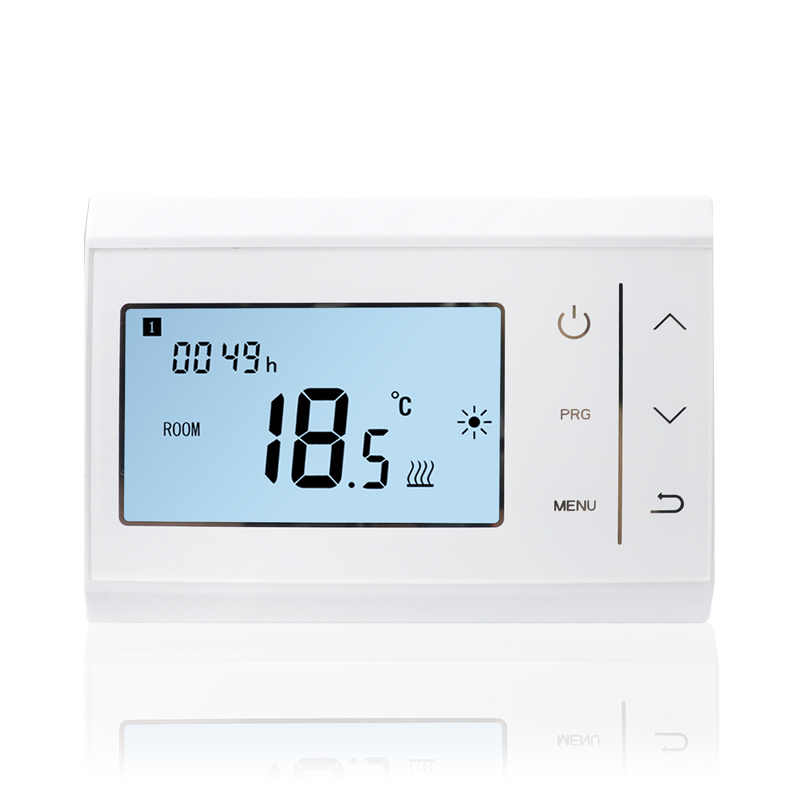
In modern residential and commercial buildings, the 24V thermostat has become an essential control component in HVAC systems. Compared with traditional mechanical controls, a 24V thermostat uses low-voltage signals to precisely regulate heating and cooling equipment, allowing indoor temperatures to stay closer to the desired setpoint. Proper use and configuration of a 24V thermostat not only enhance comfort in living or working spaces, but also significantly improve temperature control efficiency and reduce unnecessary energy consumption.
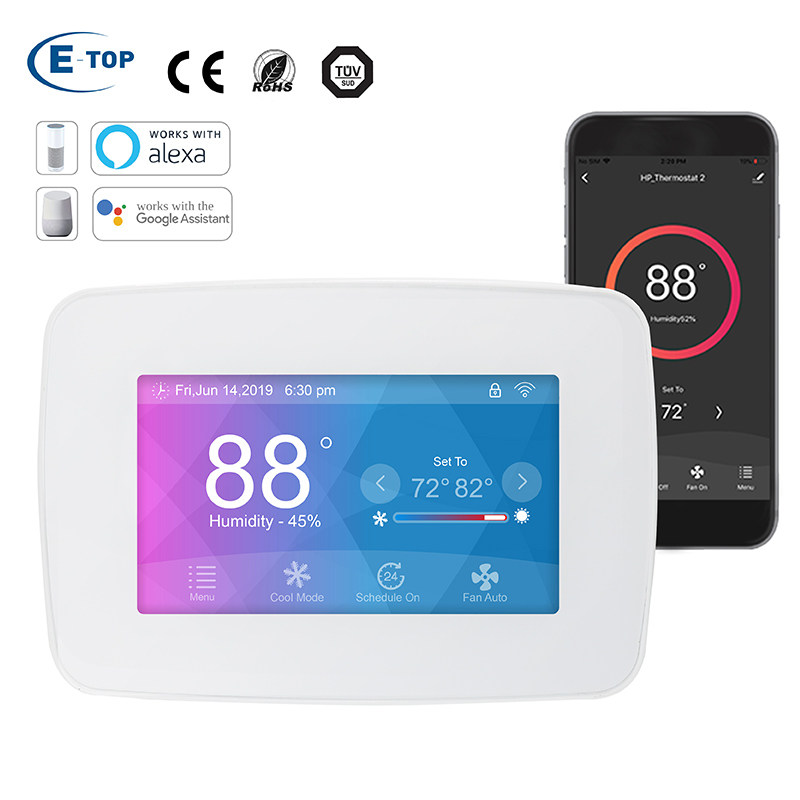
The Impact of Accurate Temperature Sensing on Efficiency
One of the core advantages of a 24V thermostat lies in its temperature sensing capability. Built-in sensors continuously monitor changes in the indoor environment and transmit signals to the HVAC system for response. When sensor accuracy is high, the thermostat can detect temperature deviations more quickly, preventing equipment from operating under high load for extended periods. Stable temperature sampling helps the system perform smoother start-stop control, reducing energy waste caused by frequent temperature fluctuations.
The installation location also has a direct effect on sensing accuracy. Installing the 24V thermostat in an area with balanced air circulation helps it capture more representative temperature data. Keeping it away from supply vents, windows, and heat sources reduces local temperature interference, resulting in more accurate control decisions.
Efficiency Gains Through Multi-Mode Control
Modern 24V thermostats usually support multiple operating modes, such as cooling, heating, automatic switching, and independent fan control. Choosing the appropriate mode allows the system to operate efficiently under different seasons and usage scenarios. Automatic mode enables the thermostat to switch between heating and cooling based on ambient temperature changes, reducing energy loss caused by frequent manual adjustments.
Some models also offer multi-stage control, allowing equipment to adjust output levels based on actual temperature differences. This approach helps avoid constant full-power operation, maintains more stable indoor temperatures, and reduces stress on compressors and heating elements, leading to improved overall efficiency.
The Role of Scheduling and Time Management
With programmable scheduling features, a 24V thermostat can apply different temperature strategies at different times of the day. For example, temperature ranges can be relaxed during periods of low occupancy and restored during high-use hours. This form of time-based management can significantly reduce unnecessary energy consumption.
Set different temperature programs for weekdays and weekends
Adjust temperature transitions based on daily routines
Avoid maintaining extreme temperature settings for long periods
Well-planned scheduling enables HVAC systems to operate more efficiently while maintaining comfortable indoor conditions.
The Importance of HVAC System Compatibility
The efficiency of a 24V thermostat also depends on how well it is matched with the HVAC system. Heating and cooling systems differ in response speed, output capacity, and control logic, and the thermostat must be configured accordingly. Proper matching reduces inefficient operation and ensures that energy is used primarily for actual temperature regulation.
In multi-stage or heat pump systems, the thermostat intelligently switches between operating stages, keeping the equipment within an optimal working range. This coordinated control approach helps extend equipment service life and maintain stable indoor temperature performance.
How Fan Control Affects Temperature Efficiency
Fan operation strategy plays an important role in temperature control efficiency. A 24V thermostat typically provides both automatic and continuous fan modes. In automatic mode, the fan runs only during heating or cooling cycles, which helps lower energy usage. Continuous fan mode improves air circulation, allowing temperatures to distribute more evenly throughout the space.
In practical applications, selecting the appropriate fan mode based on room layout and usage needs helps balance comfort and energy efficiency. For larger spaces or areas with partitions, extending fan operation slightly can enhance overall temperature consistency.
User Behavior and Its Influence on Efficiency
While a 24V thermostat offers strong control capabilities, its effectiveness is closely tied to user behavior. Frequent changes to temperature settings can cause repeated system cycling, reducing operational efficiency. Maintaining relatively stable setpoints allows the system to develop a more consistent operating pattern.
Avoid making large temperature adjustments within short periods
Make good use of energy-saving or automatic modes
Periodically check whether the displayed temperature matches actual conditions
By developing good usage habits, a 24V thermostat can continuously deliver efficient temperature control, creating a more stable and comfortable indoor environment.