
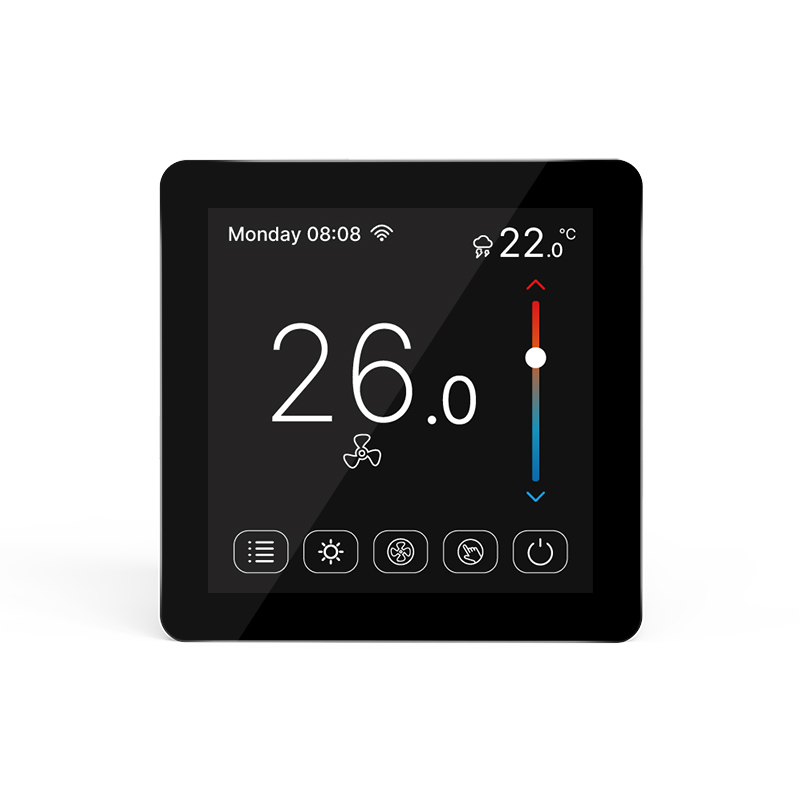
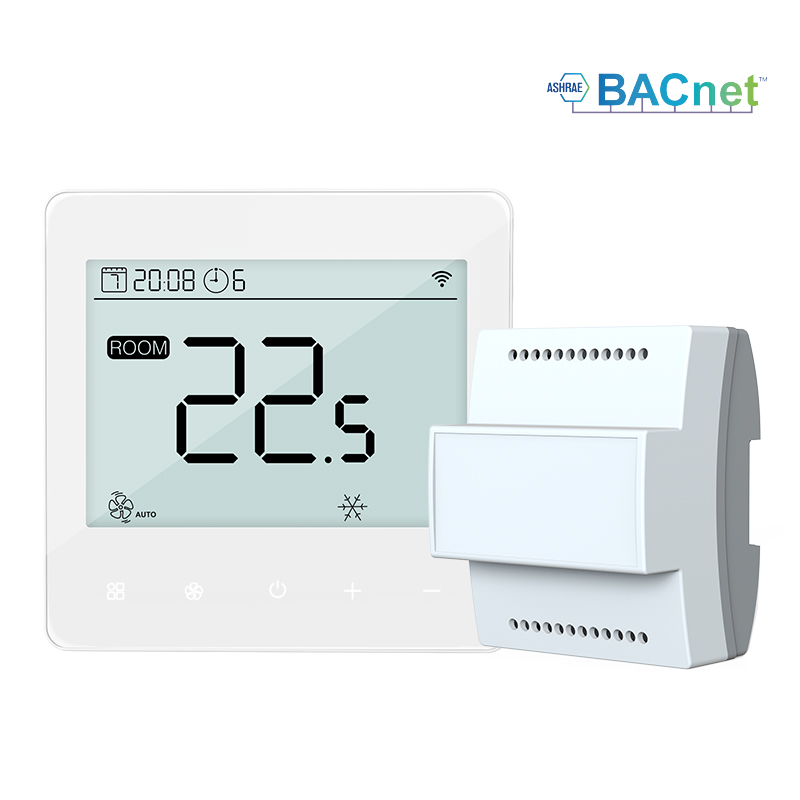
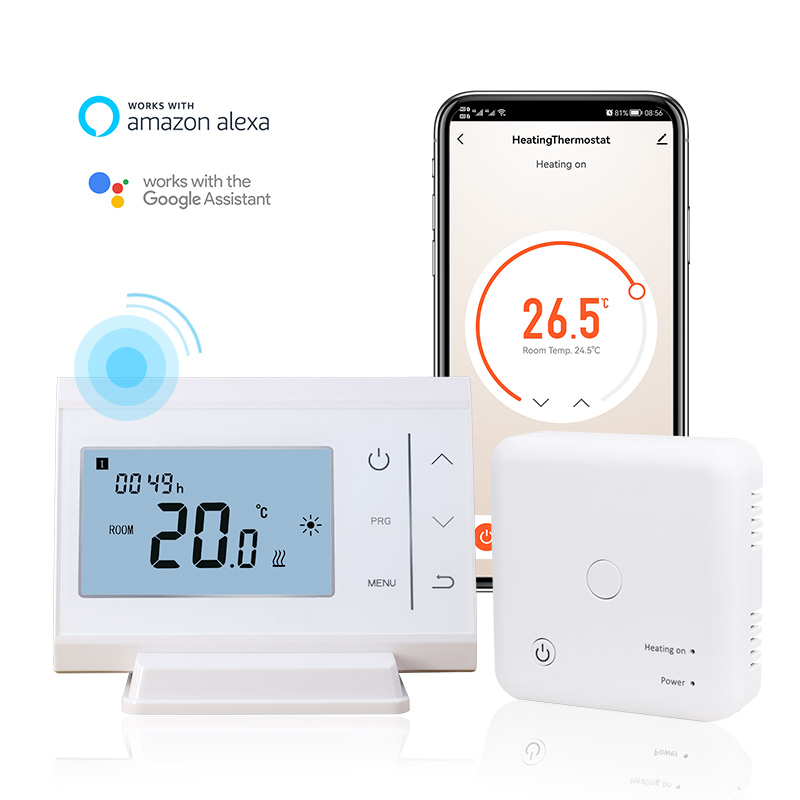
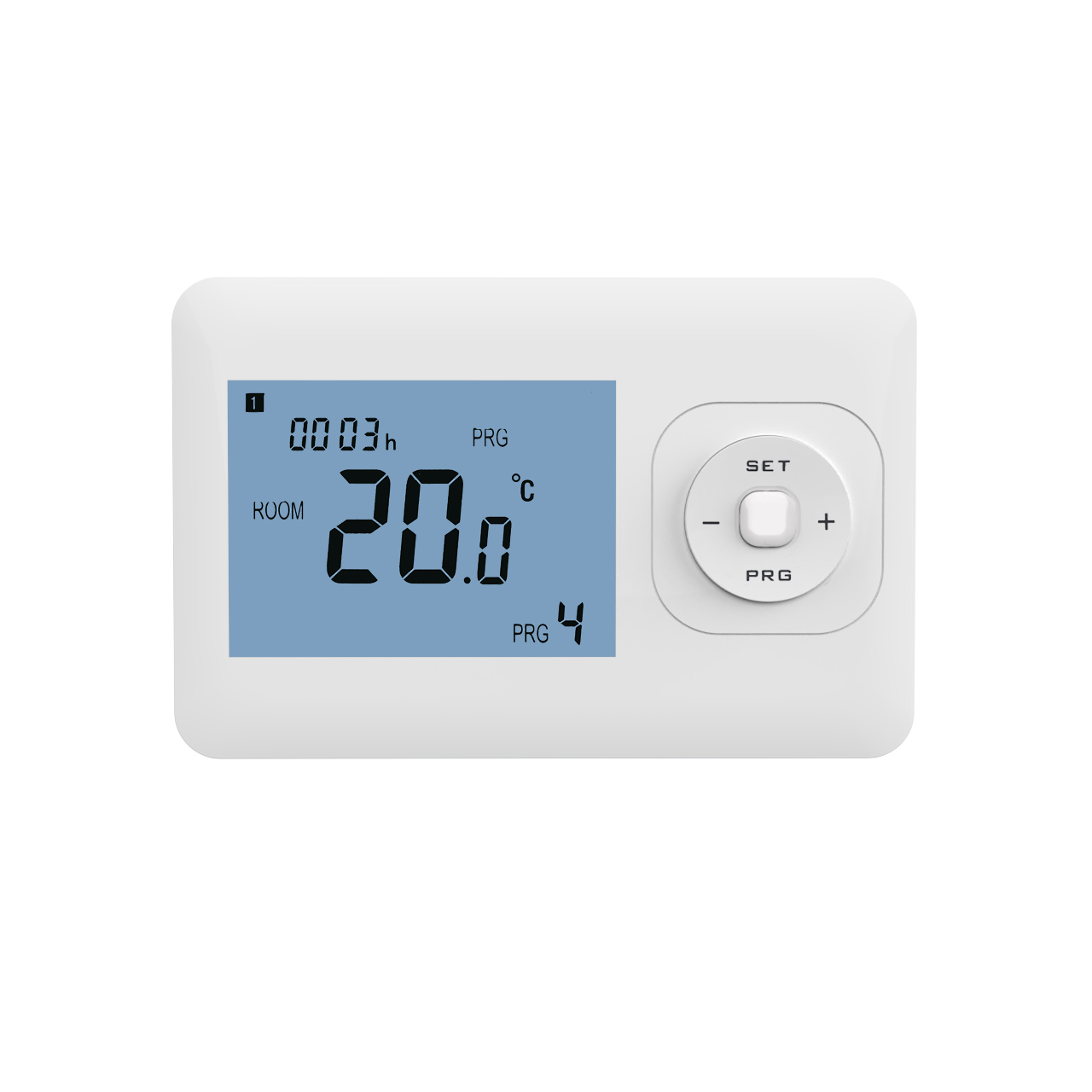
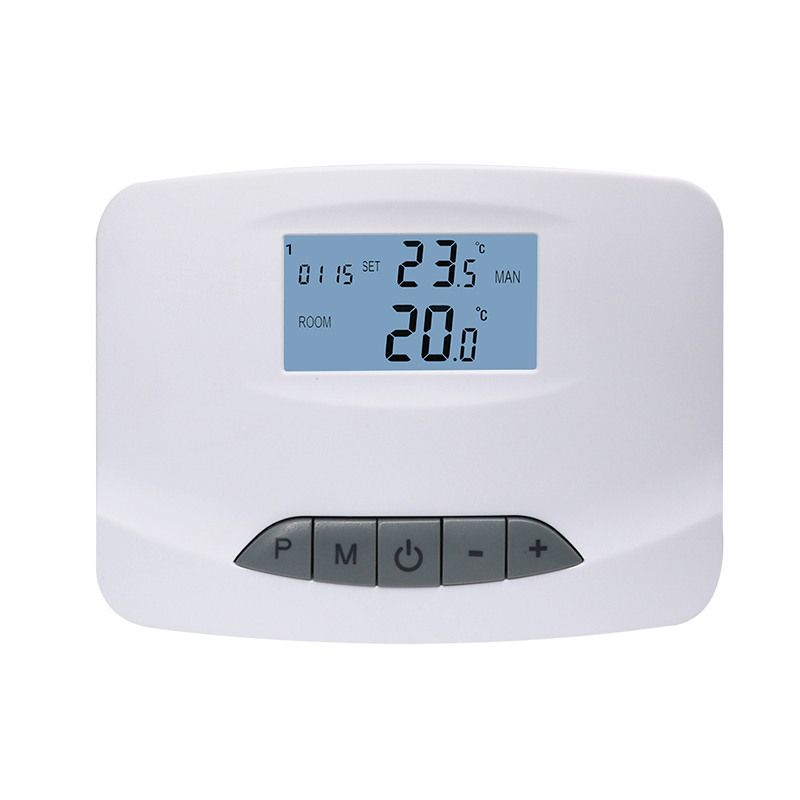
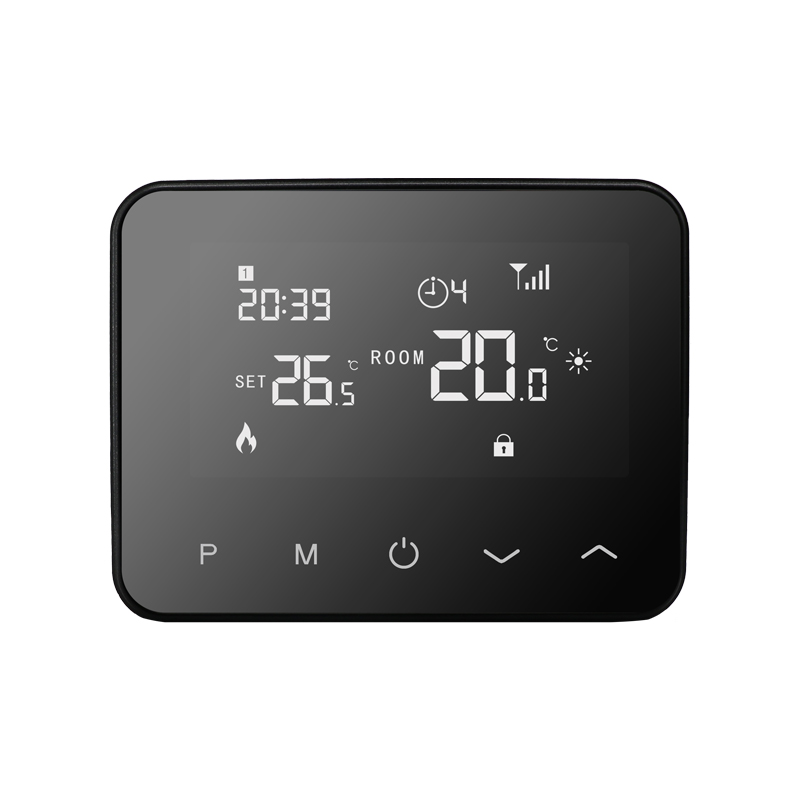
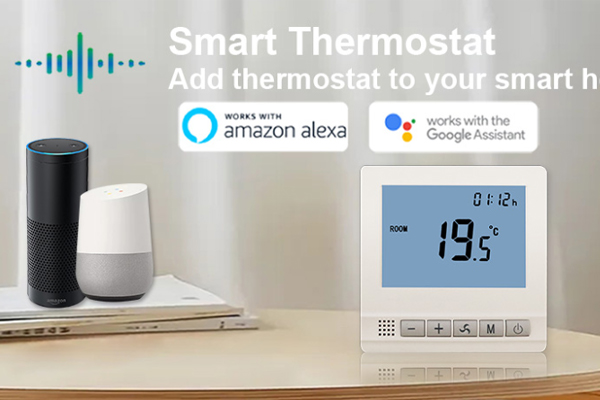

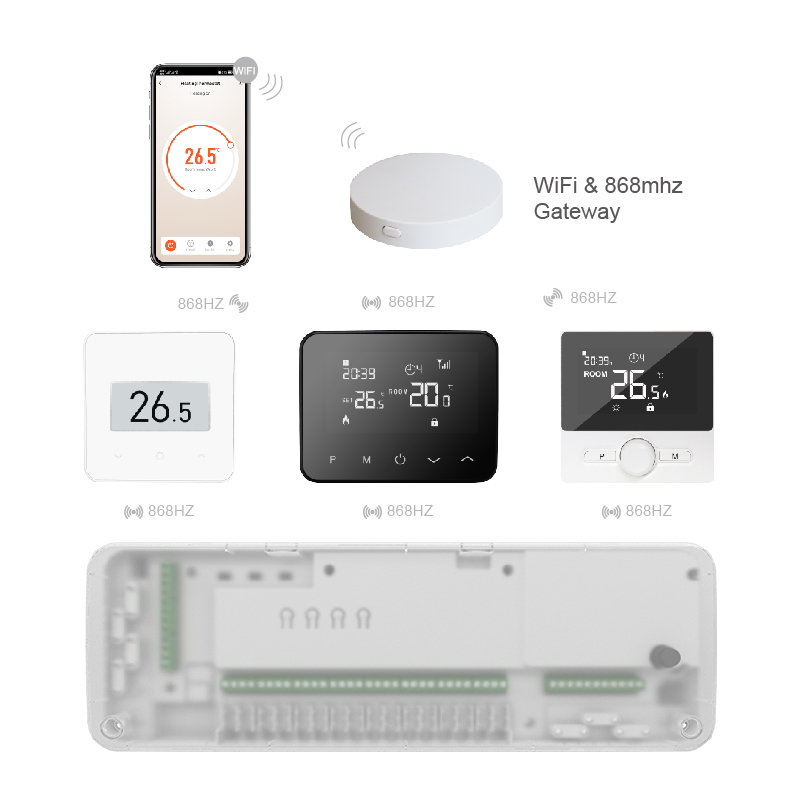
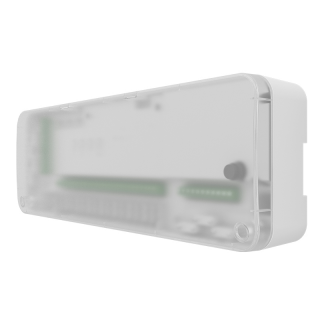
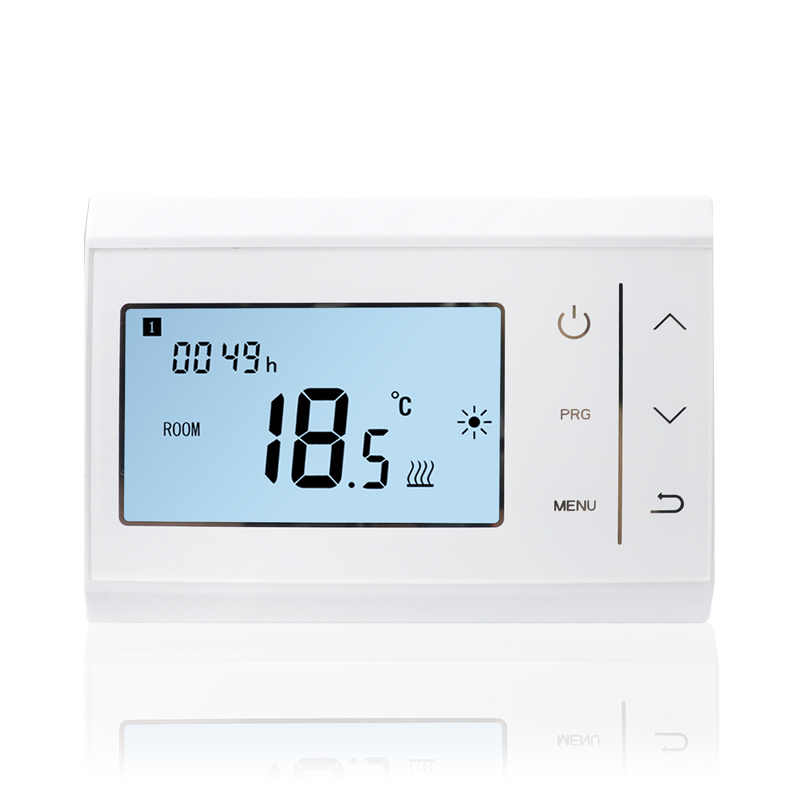
In residential and commercial HVAC systems, a 24V thermostat plays a crucial role in regulating the operation of cooling and heating equipment. Compared with traditional control methods, a 24V thermostat uses low-voltage control signals to manage air conditioners, heat pumps, and heating units with greater precision. Proper configuration and use of a 24V thermostat can improve cooling and heating efficiency, reduce energy waste, and extend equipment service life while maintaining indoor comfort.
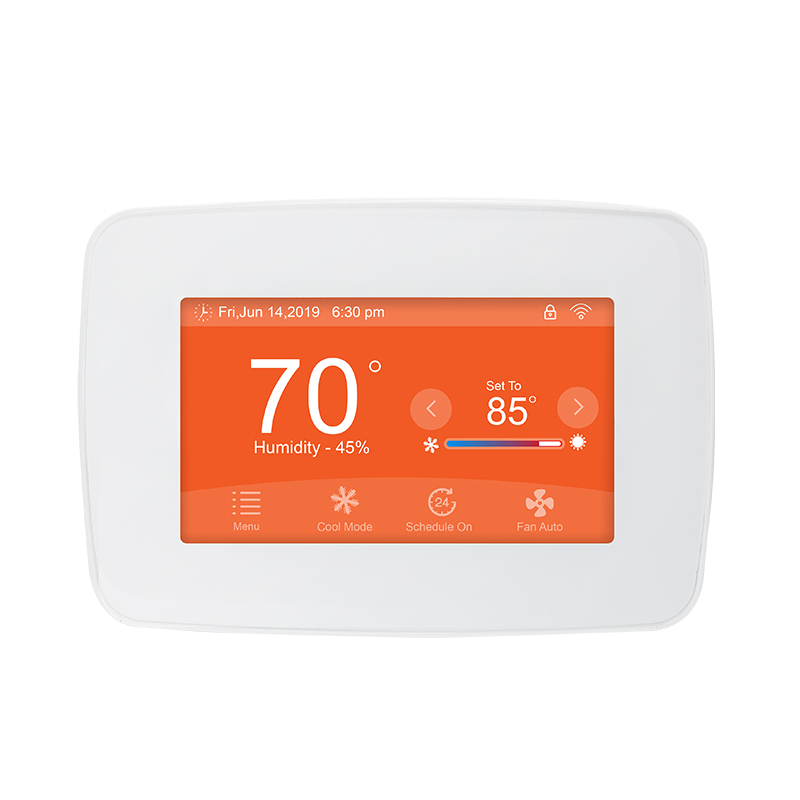
Efficiency Improvements Through Precise Temperature Control
A 24V thermostat is equipped with a highly responsive temperature sensor that continuously monitors indoor temperature changes and sends feedback to the HVAC system. Accurate temperature evaluation helps minimize the gap between actual room temperature and the setpoint, allowing cooling or heating equipment to operate within a more efficient range. The more stable the temperature control, the lower the likelihood of frequent system cycling, which reduces energy consumption by compressors and heating components.
The installation location of the thermostat also has a significant impact on control performance. Placing it in an area with even air circulation minimizes the influence of localized temperature differences and enables the system to respond more accurately to real environmental conditions.
The Role of Multi-Stage Operation
Many 24V thermostats support multi-stage control, enabling cooling and heating equipment to adjust output levels based on temperature demand. This operating method prevents equipment from running at high power when temperature differences are small, helping to reduce unnecessary energy usage. Stable low-load operation helps maintain indoor temperature balance and reduces mechanical stress on system components.
In multi-stage systems, the thermostat evaluates both the rate and magnitude of temperature change to select the most appropriate operating stage, resulting in smoother cooling and heating cycles and improved overall efficiency.
Energy Savings Through Scheduling and Smart Management
24V thermostats often include programmable scheduling features that allow users to adjust temperature strategies based on time periods. By lowering system output during low-occupancy hours and restoring comfort settings during peak usage, energy consumption can be effectively reduced. This form of smart management helps prevent extended high-load operation and unnecessary energy loss.
Create temperature schedules that match daily routines
Use different operating strategies for weekdays and weekends
Avoid maintaining extremely low or high temperatures during unoccupied periods
Well-designed schedules allow cooling and heating equipment to operate in line with actual usage needs.
The Importance of System Compatibility
The performance of a 24V thermostat depends heavily on how well it matches the cooling and heating system. Different HVAC systems vary in control logic and response characteristics, and the thermostat must be configured to suit the specific system type. Proper compatibility reduces inefficient operation and ensures that energy is directed toward effective temperature regulation.
In heat pump and multi-stage air conditioning systems, the thermostat coordinates different operating stages to keep equipment working within a higher-efficiency range, preventing frequent transitions into high-energy states.
How Fan Control Influences Cooling and Heating Efficiency
The fan plays an essential role in distributing heated or cooled air throughout the space. A 24V thermostat typically offers automatic and continuous fan modes. In automatic mode, the fan runs only during cooling or heating cycles, which helps limit electricity consumption. Continuous fan mode improves air circulation, allowing temperatures to spread more evenly across the room.
In large or complex spaces, extending fan operation appropriately can reduce temperature stratification and stabilize cooling and heating performance, indirectly improving overall system efficiency.
The Impact of User Habits on Efficiency
While a 24V thermostat provides advanced control capabilities, its effectiveness also depends on user behavior. Frequently changing temperature setpoints can cause repeated system cycling, increasing energy use. Maintaining relatively stable temperature settings helps the system establish a consistent operating pattern.
Avoid making large temperature adjustments within short periods
Use energy-saving or automatic modes whenever possible
Periodically verify that the displayed temperature matches actual conditions
With good usage habits, a 24V thermostat can regulate cooling and heating equipment more efficiently, maintaining a balanced combination of comfort and energy savings.