
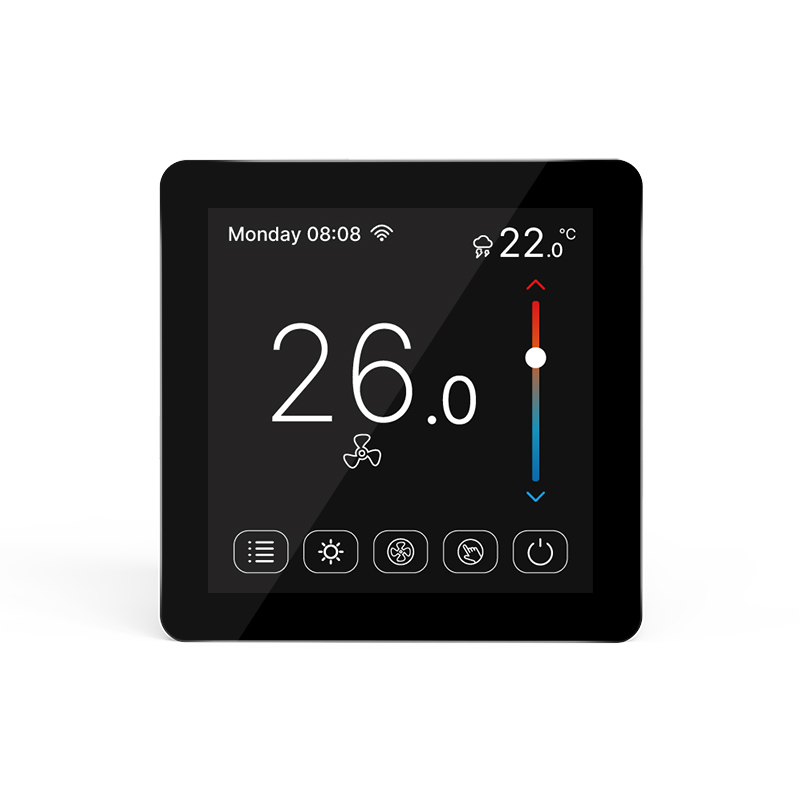
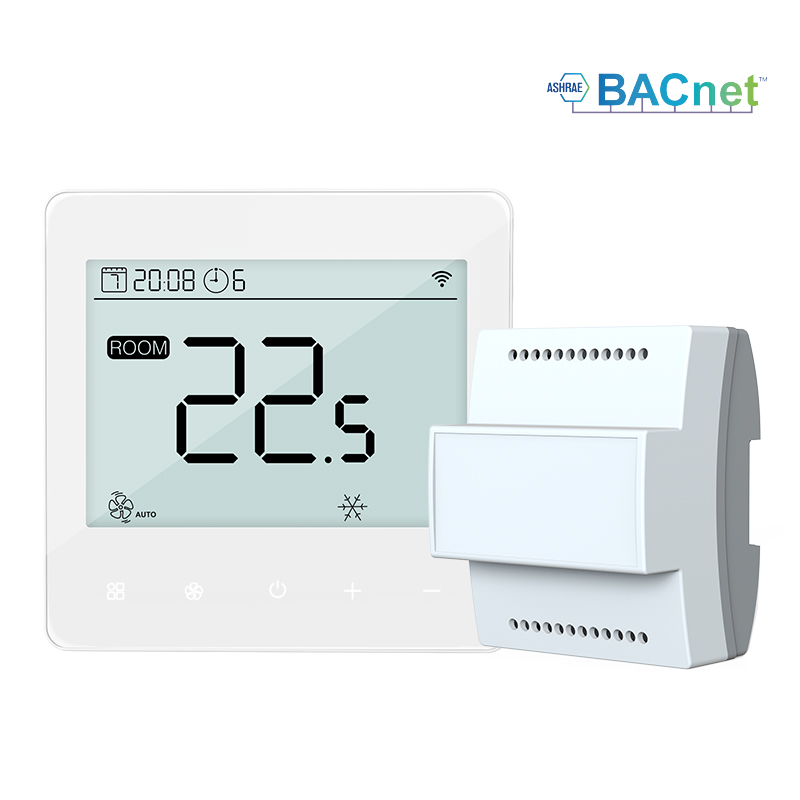

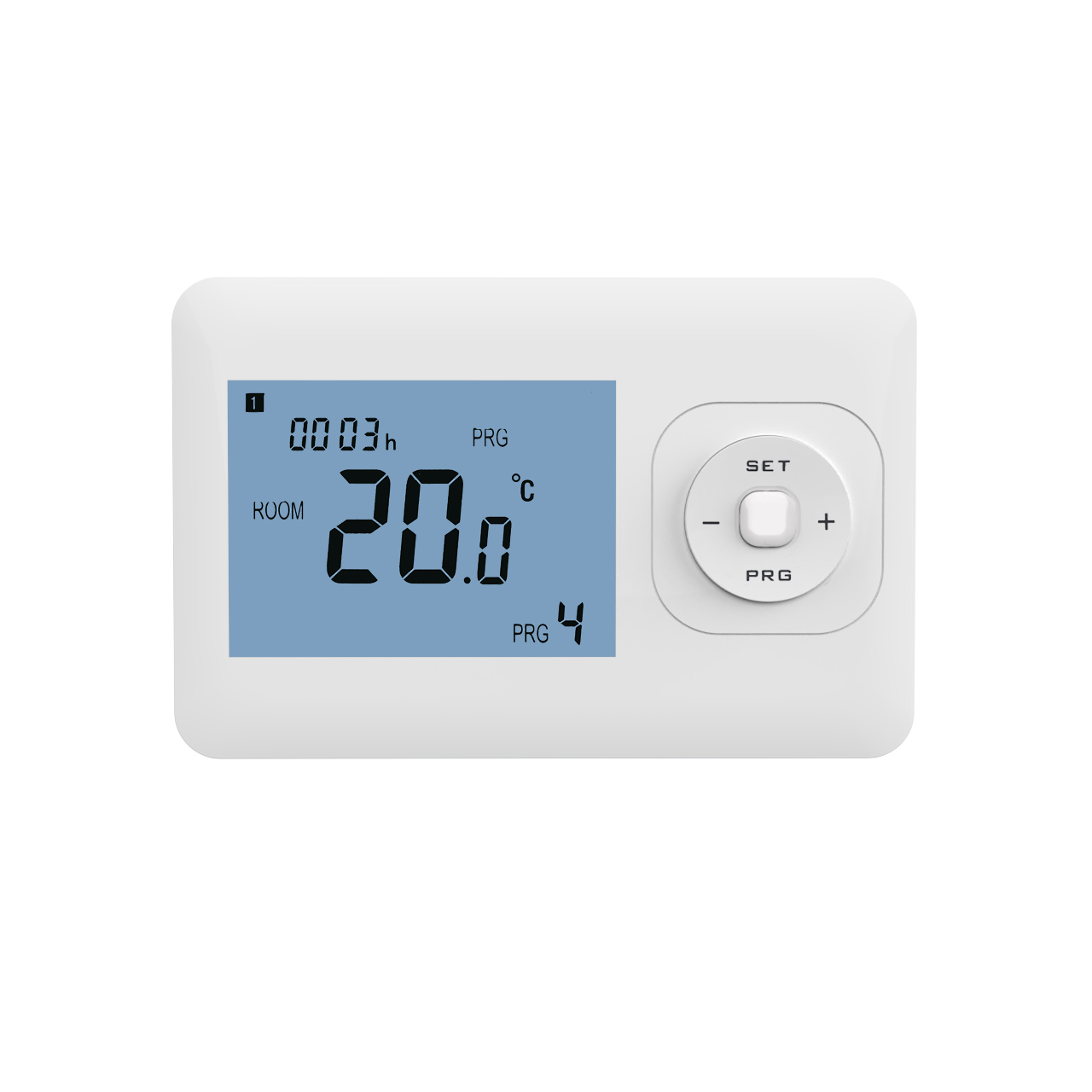
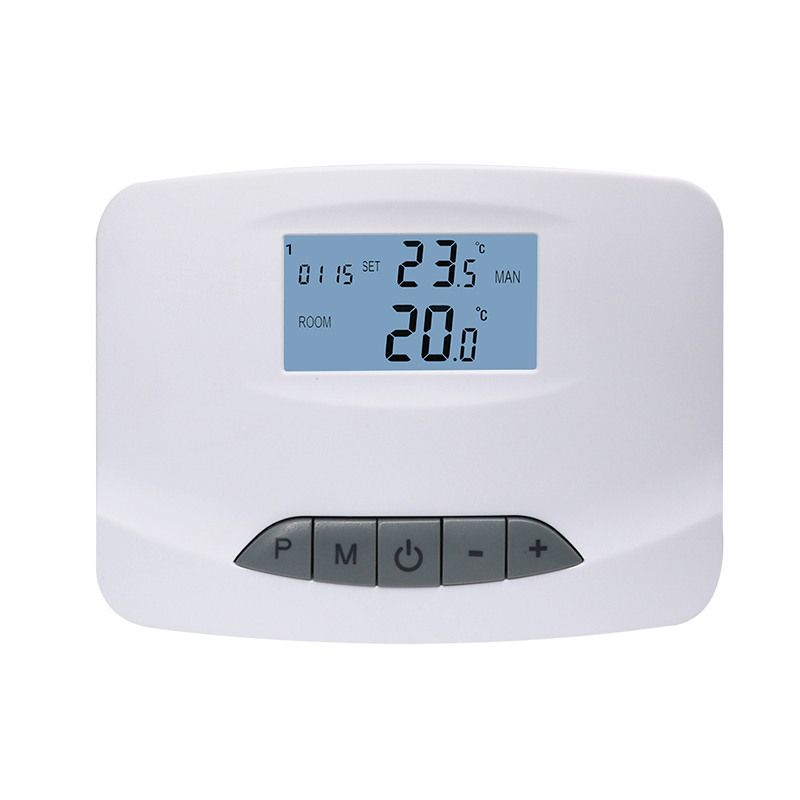
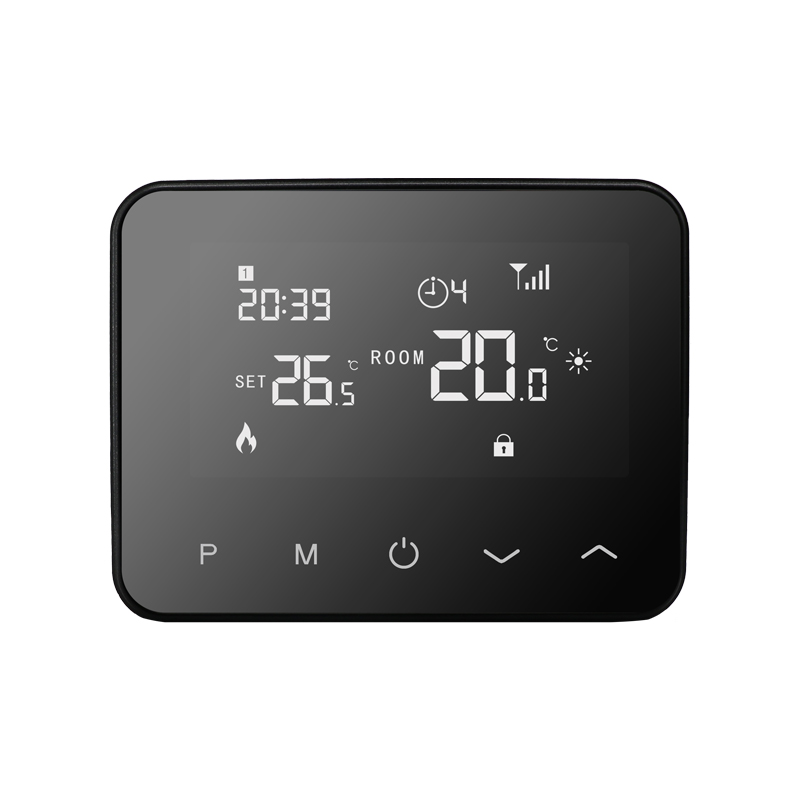



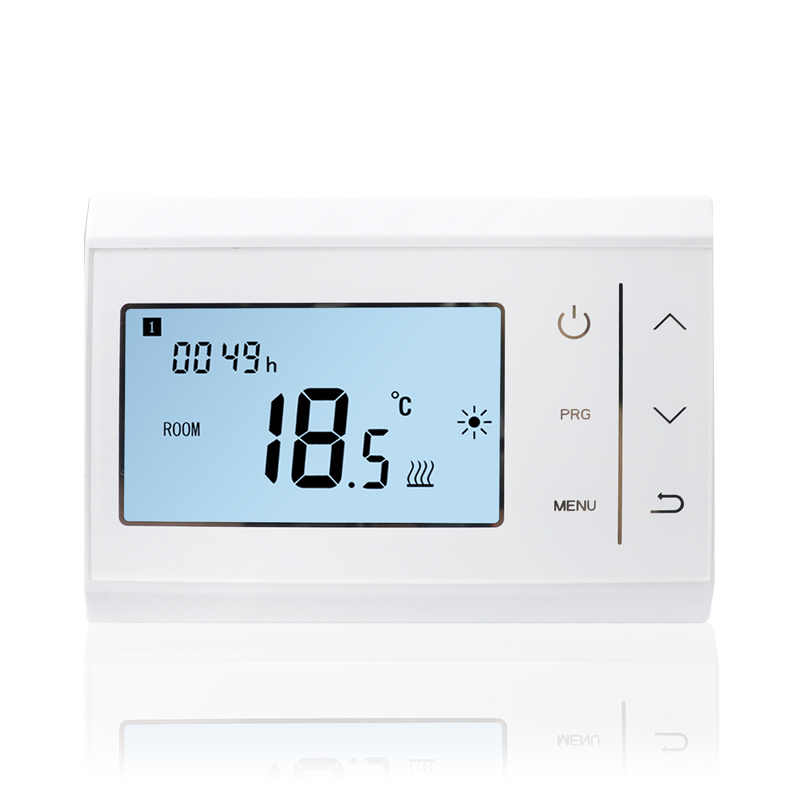
In the cold season, radiator thermostats act like silent “temperature stewards,” precisely regulating indoor temperature and ensuring warmth in every corner of the home. However, many users often overlook the maintenance needs of this “steward,” only realizing its importance when it malfunctions or its performance deteriorates. So, do radiator thermostats require maintenance? The answer is undoubtedly yes.
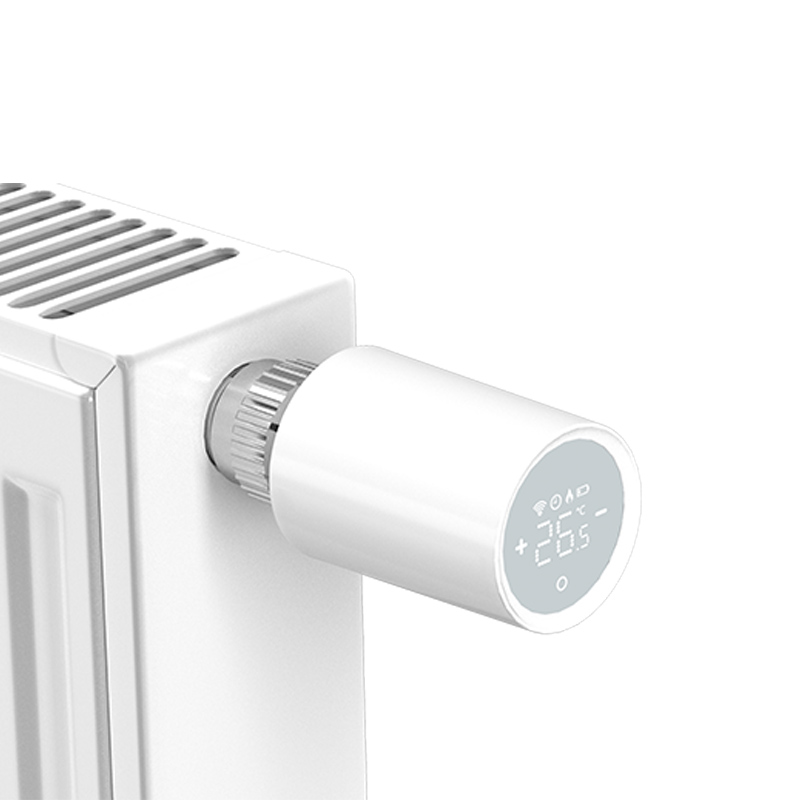
Hidden Wear and Tear in Daily Use
Although small, radiator thermostats bear the heavy responsibility of regulating water flow and controlling temperature. In daily use, they constantly sense changes in water temperature, adjusting the valve opening through internal heat-sensitive elements or mechanical structures. During this process, components such as the valve core and seals gradually wear down due to frequent friction, leading to decreased sealing and even leakage. Furthermore, impurities and minerals in the water accumulate in the valve body, forming scale, further affecting the valve’s sensitivity and lifespan.
Case Study: A resident in a certain community reported that after two years of use, their radiator thermostat became unresponsive and experienced large temperature fluctuations. After inspection by professionals, it was found that the valve core, due to long-term wear, could no longer accurately sense changes in water temperature, and a large amount of scale had accumulated inside the valve body, severely affecting its normal operation. Replacing the valve with a new one and cleaning the system completely resolved the problem.
Maintenance: The Secret to Extending Life
Maintaining radiator thermostatic valves is not a complex process, but it can significantly extend their lifespan and improve the user experience. Regular inspection is the first step in maintenance, including observing the valve’s exterior for leaks or rust, and listening for any abnormal noises during operation. If leaks or noises are found, contact a professional immediately for repair or replacement of parts.
Cleaning and maintenance are equally important. For removable thermostatic valves, the valve core can be periodically removed, and scale and impurities can be removed with a soft brush. For non-removable valves, a professional cleaning agent can be used for circulating cleaning to remove deposits inside the valve body. In addition, check the valve seals for aging or deformation; if necessary, replace the seals promptly to ensure the valve’s tightness.
The Wisdom of Seasonal Maintenance
The maintenance needs of radiator thermostatic valves change with the seasons. Before the heating season begins, all thermostatic valves should be thoroughly inspected to ensure they are in good working order. For valves that have not been used for a long time, a manual adjustment test can be performed to observe their responsiveness. For frequently used valves, check the accuracy of their adjustment range to prevent temperature control issues.
After the heating season ends, do not neglect the maintenance of thermostatic valves. At this time, close the valves and drain the water from the system to prevent scale and impurities from accumulating in the valve bodies. Simultaneously, clean the valves to remove surface dust and dirt, preparing them for the next heating season.
Although small, radiator thermostatic valves are crucial to the stable operation of the entire heating system and the warmth and comfort of your home. Regular maintenance and upkeep can not only extend the valve’s lifespan but also improve its adjustment accuracy and response speed, making the temperature in your home more pleasant. Therefore, do not neglect the maintenance needs of this “temperature steward”; with care and attention, let it safeguard the warmth of your home for a long time.