

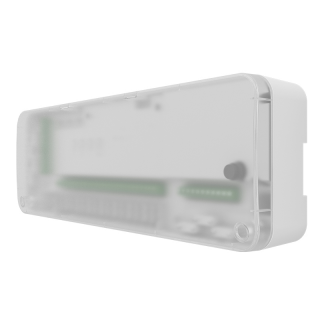
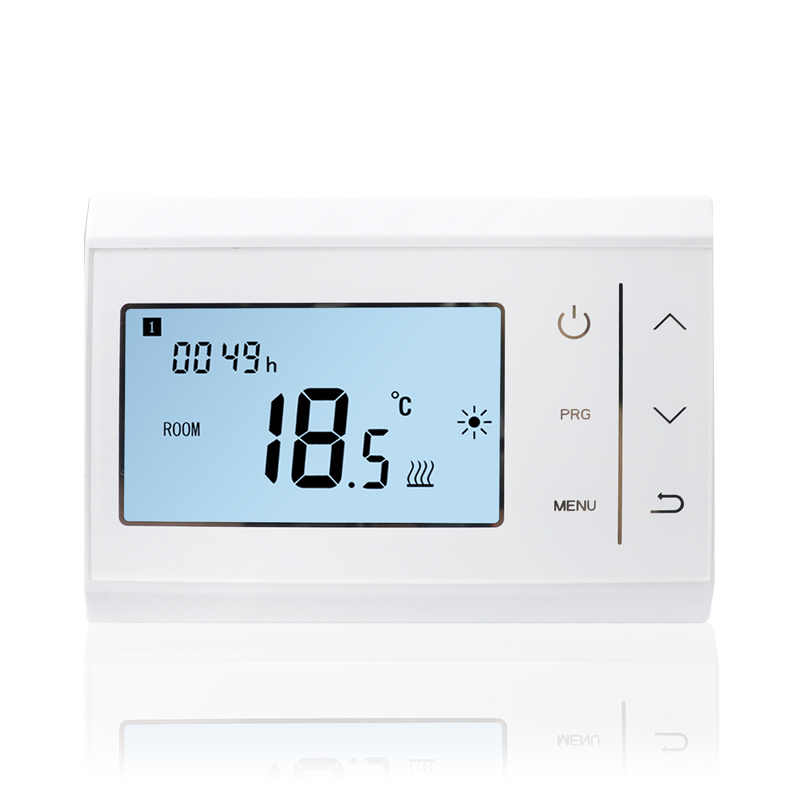
In modern residential construction, the heating system is one of the core elements ensuring residents’ comfort during winter. As winter temperatures gradually decrease, the demand for residential heating increases daily. Choosing an efficient, energy-saving, and safe heating solution has become a key concern for many families. The wiring center, as a crucial connection hub in the heating system, plays a vital role.
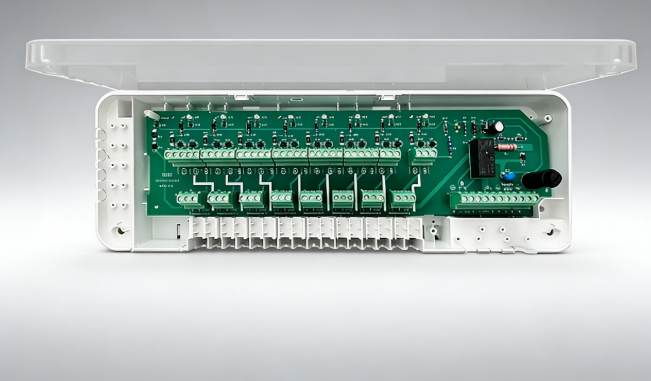
The Role of Wiring Centers in Heating
The wiring center is a key device in the heating system. It connects the heat source to the heating equipment within the residence, ensuring that heat is safely and effectively transferred to every room. Through the wiring center, homeowners can easily manage and control the operating status of the heating system. Especially in detached houses, the wiring center can achieve temperature control and adjustment in different areas, avoiding uneven heating throughout the house.
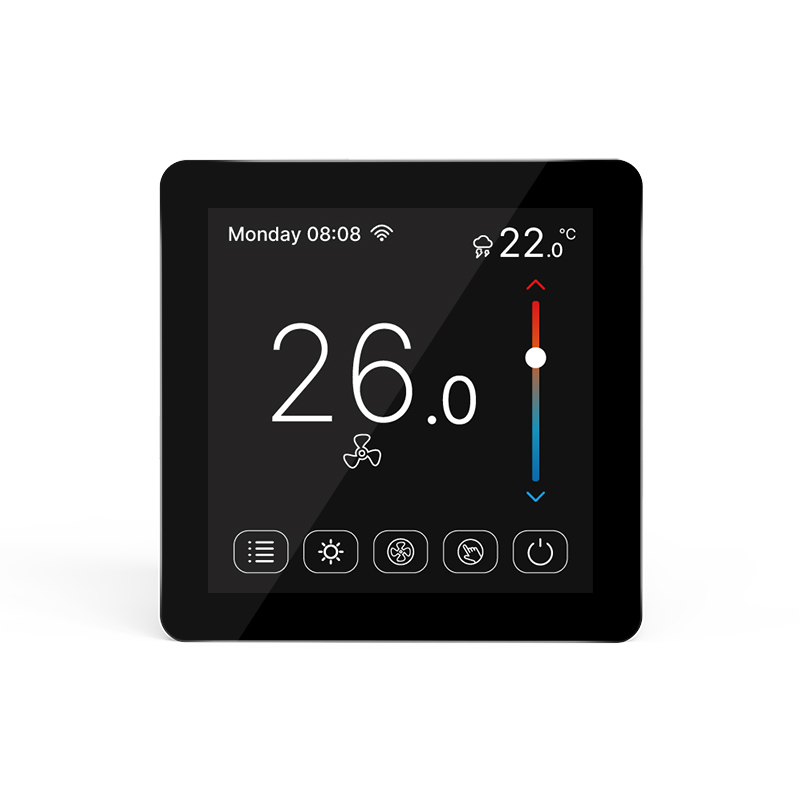
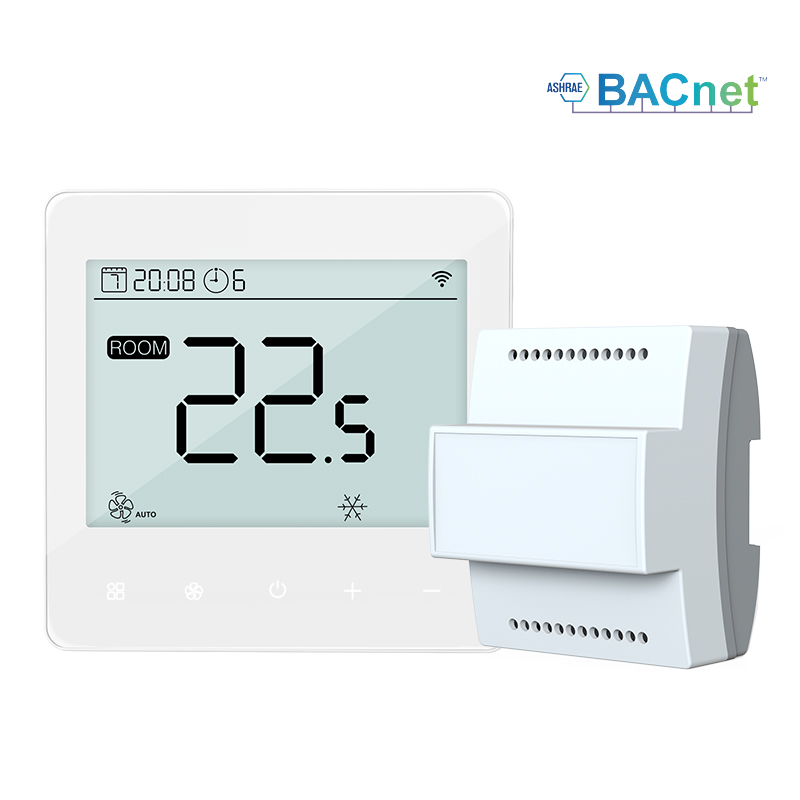
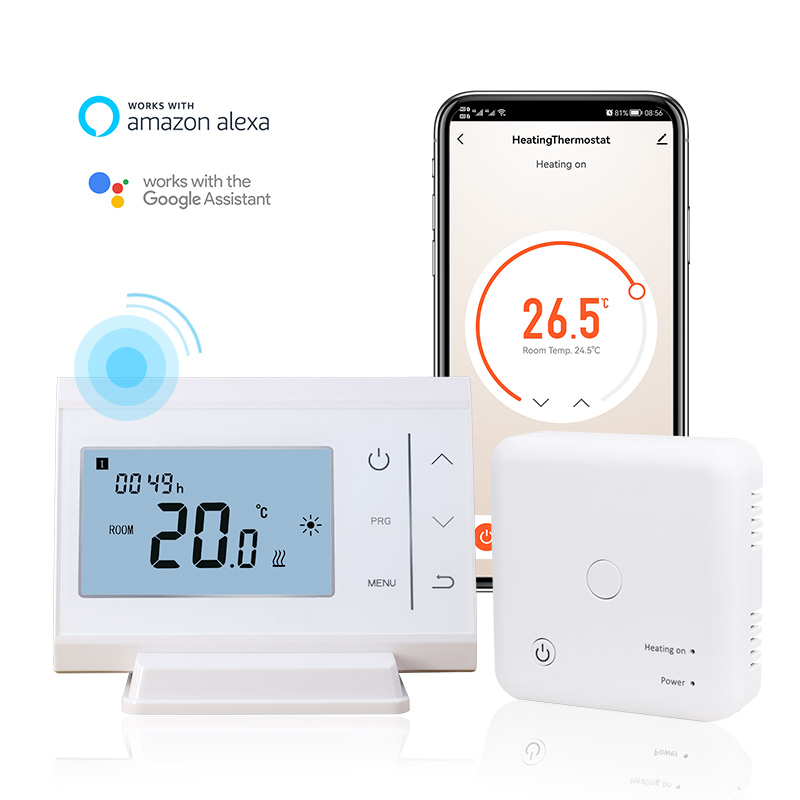
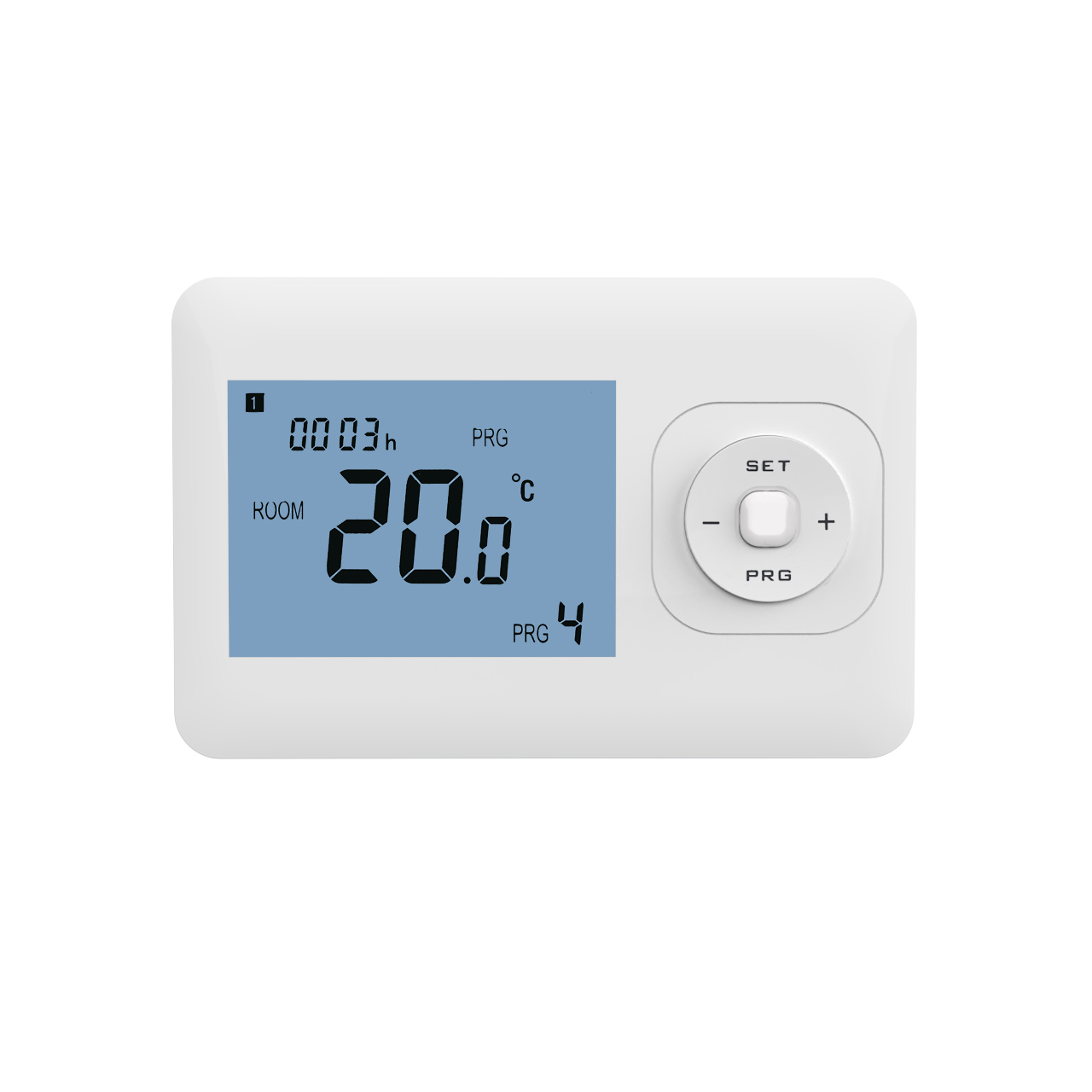
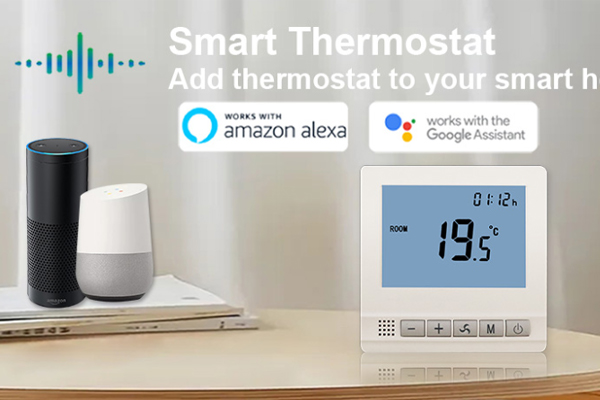
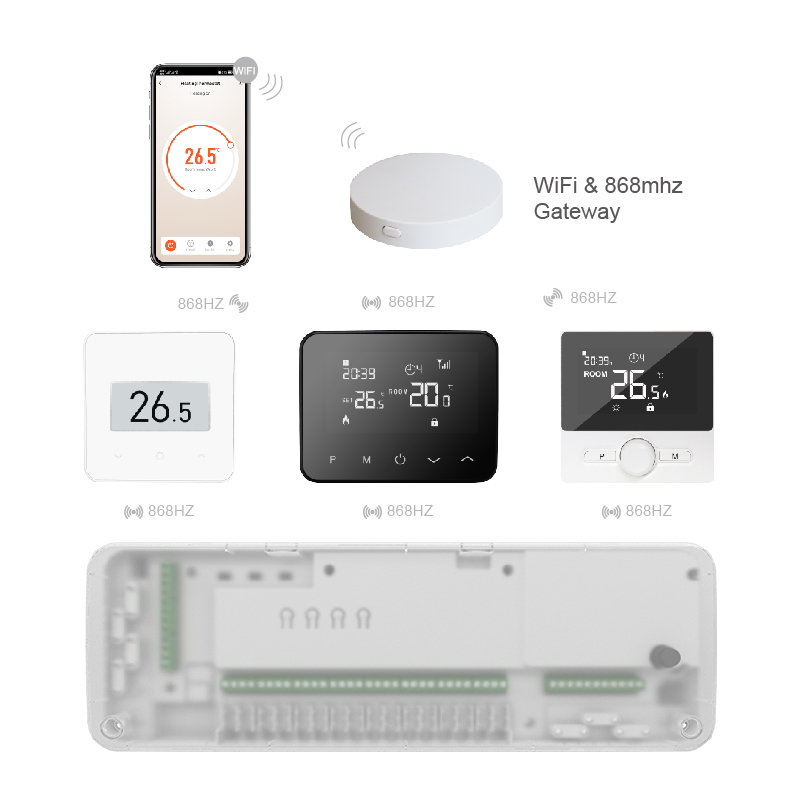
The role of the wiring center is not limited to connecting the heat source and equipment; it also integrates multiple intelligent functions. For example, modern wiring centers are typically equipped with thermostats, pressure sensors, and leak alarms, which can monitor the system’s operating status in real time, ensuring the safety and stability of the heating system. Furthermore, the intelligent wiring center is compatible with smart home systems, allowing homeowners to remotely control their home’s temperature settings via a mobile app, bringing greater convenience and comfort.
Common Heating Methods
Depending on the type of heat source, residential heating methods can be categorized as follows:
Central Heating
Central heating supplies hot water or steam from a centralized heat source, which is then piped to each household for heating. While suitable for multiple households, this method is uncommon in detached houses unless the residential area has a unified heating system. The advantages of central heating are stable heating and energy savings, but its disadvantages include limited flexibility and the inability to adjust to individual needs.
Natural Gas Heating
Natural gas heating systems use gas-fired boilers to heat water, which is then heated radiantly or convectionally through pipes. Due to the high thermal efficiency of natural gas combustion and the relative convenience of the equipment, natural gas heating is widely used in detached houses. The advantages of this method are independent systems, flexible installation, and relatively low operating costs, but a sufficient gas supply is required.
Electric Heating
Electric heating uses electrical energy to heat air or water. This heating method is favored by some families due to its ease of installation and lower cost. Electric heating systems typically include heating panels, heating films, and heating pipes, suitable for small homes or homes with low heating needs. However, electric heating has higher operating costs, especially in cold regions where high electricity consumption can lead to high electricity bills.
Ground Source Heat Pump Heating
Ground source heat pump heating utilizes the constant temperature of the underground soil to provide heat. Hot water circulates through underground pipes, and the heat pump brings the heat from the ground into the room. This heating method is energy-efficient and environmentally friendly, suitable for long-term use, but the initial installation cost is high, requiring a reasonable assessment of the surrounding environment.
Air Source Heat Pump Heating
Air source heat pumps use heat from the air to heat the air, suitable for areas with milder temperatures. Similar to ground source heat pumps, air source heat pumps have relatively low installation costs, but their efficiency decreases in extremely cold weather, making them unsuitable for extremely cold regions.
Adaptation of Wiring Centers to Different Heating Methods
Wiring centers have different application characteristics in different heating methods. For example, in a natural gas heating system, the wiring center needs to regulate the pressure and flow of the gas source to ensure stable system operation; while in an electric heating system, the wiring center is responsible for regulating the power supply and intelligent control to ensure safe and efficient system operation. In ground source heat pump or air source heat pump heating systems, the wiring center needs to be seamlessly connected to the heat pump system to regulate the heating needs of different temperature zones and ensure a balanced indoor temperature.
Regardless of the heating method, the wiring center should have flexible control functions and be able to intelligently manage according to different usage needs. Especially for detached houses, the wiring center must not only meet basic heating needs but also consider multiple factors such as energy consumption, system stability, and safety.
Choosing a Suitable Heating Solution
When choosing a heating system, homeowners need to consider the following factors based on their specific circumstances:
Heating Needs
The heating needs of the household are the primary factor in choosing a heating system. 1. Heating Methods: Colder regions require heating systems with higher heat output, such as natural gas or heat pumps. Milder climates can opt for simpler and more convenient methods like electric heating.
Installation and Maintenance Costs
Installation and maintenance costs are also key considerations for heating systems. Electric heating has lower installation costs but higher operating costs; natural gas and heat pump systems require higher initial investment, but offer relatively lower energy consumption in the long run.
System Safety and Stability
Safety is a crucial factor in heating systems. Choosing a wiring center with intelligent monitoring capabilities and ensuring the system can automatically adjust its operation can effectively prevent safety hazards caused by system malfunctions.
The wiring center, as a core component of a residential heating system, connects the heat source to various heating devices. When choosing a suitable heating method, homeowners need to comprehensively consider factors such as their family’s actual needs, budget, and installation conditions. A reasonable heating plan can effectively improve living comfort and reduce energy consumption. With the help of a modern and intelligent wiring center system, homeowners can not only improve heating efficiency, but also achieve more flexible and convenient operation while ensuring safety, and enjoy a more comfortable living environment.