
With the growing popularity of smart homes and energy-saving concepts, more households are paying attention to indoor temperature control devices. Among them, plug-in thermostats have become a popular option thanks to their easy installation and precise temperature control. However, many consumers still wonder: Is a plug-in thermostat really necessary? This article provides a comprehensive analysis from multiple perspectives, including user experience, energy efficiency, cost, and suitable use cases, to help you make an informed decision.
What Is a Plug-In Thermostat?
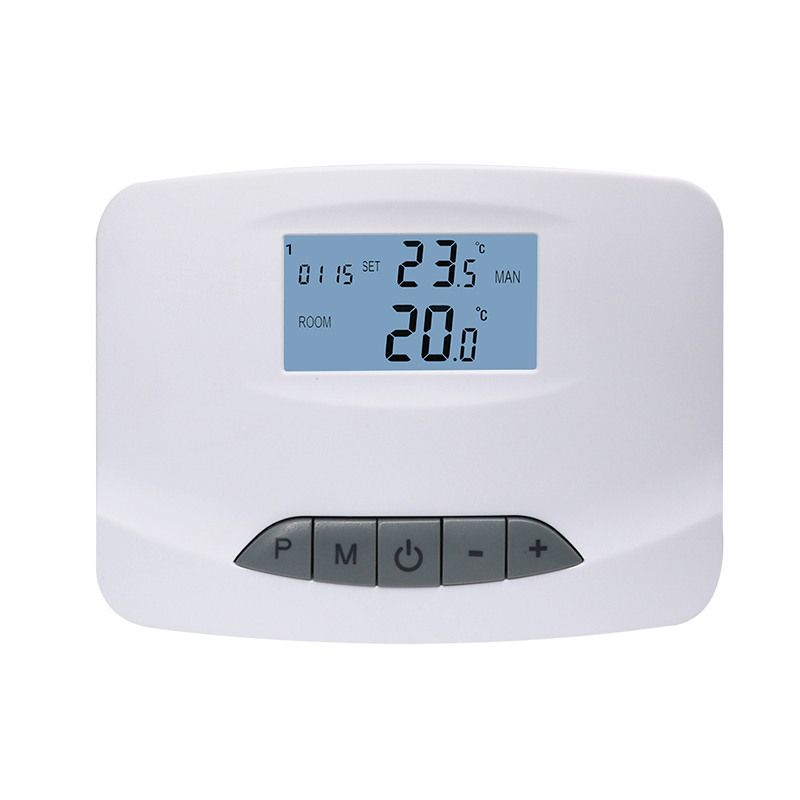
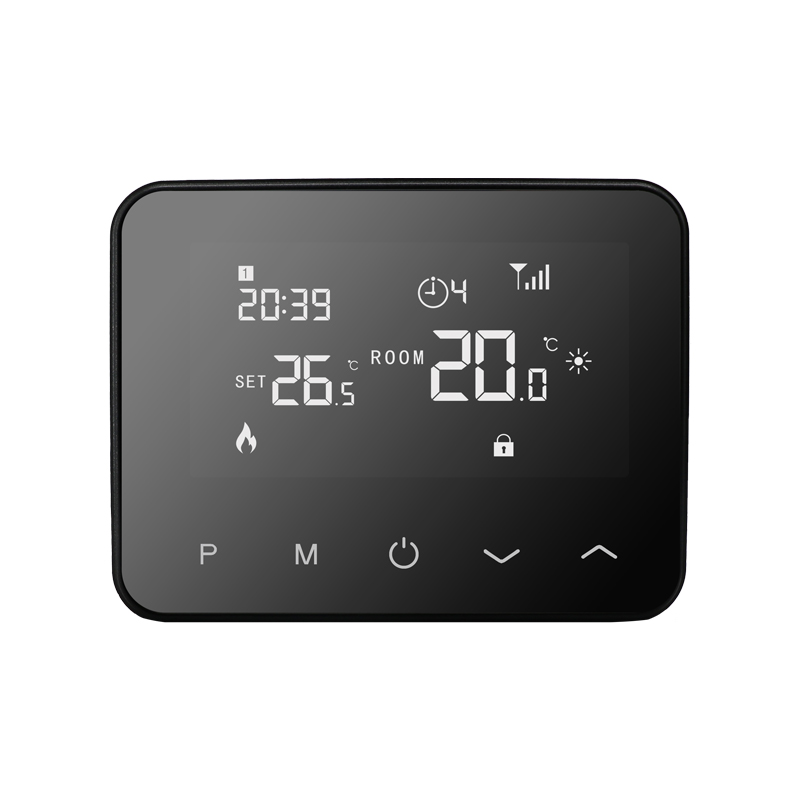
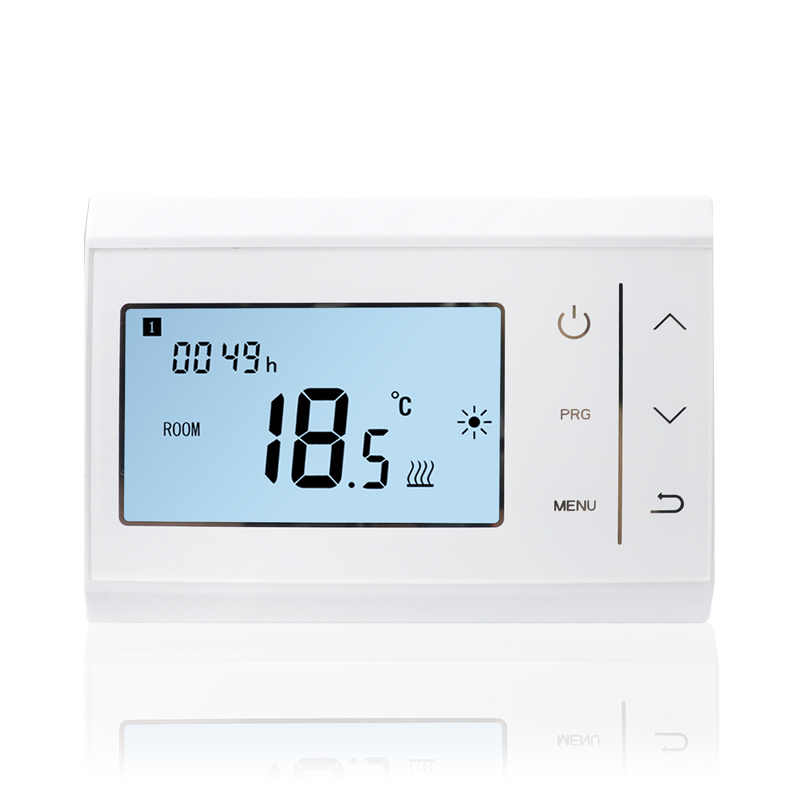
A plug-in thermostat is a temperature control device used to regulate the power output of electrical appliances such as space heaters, electric blankets, and fan heaters. By setting a target temperature, the thermostat automatically turns the appliance on or off to maintain a stable room temperature. Compared with traditional manual control, plug-in thermostats offer more accurate temperature regulation and automation.
Is the Energy-Saving Effect Significant?
One of the main reasons people purchase plug-in thermostats is energy savings. In principle, once the appliance reaches the set temperature, the thermostat reduces power output or switches the device to standby, effectively preventing unnecessary overheating and energy waste.
For example, when using a space heater in winter without temperature control, the heater may run at full power for long periods, consuming excessive electricity. With a plug-in thermostat, the heater cycles on and off based on the preset temperature, maintaining comfort while significantly reducing energy consumption. This benefit is especially noticeable in households where heating devices are used for extended hours.
Is Installation Complicated? Is It Safe?
Compared with wall-mounted or built-in temperature controllers, plug-in thermostats are much easier to install. Most models simply plug into a power outlet, and the appliance plugs into the thermostat—no professional electrician or rewiring required. This plug-and-play design is ideal for renters and homeowners who prefer not to modify existing wiring.
In terms of safety, reputable plug-in thermostat brands usually include overload protection, short-circuit protection, and overheat safeguards. These features allow the device to cut power automatically if abnormal conditions occur. However, users should still avoid using the thermostat in humid environments or with appliances that exceed its rated power capacity.
Are Smart Features Worth the Investment?
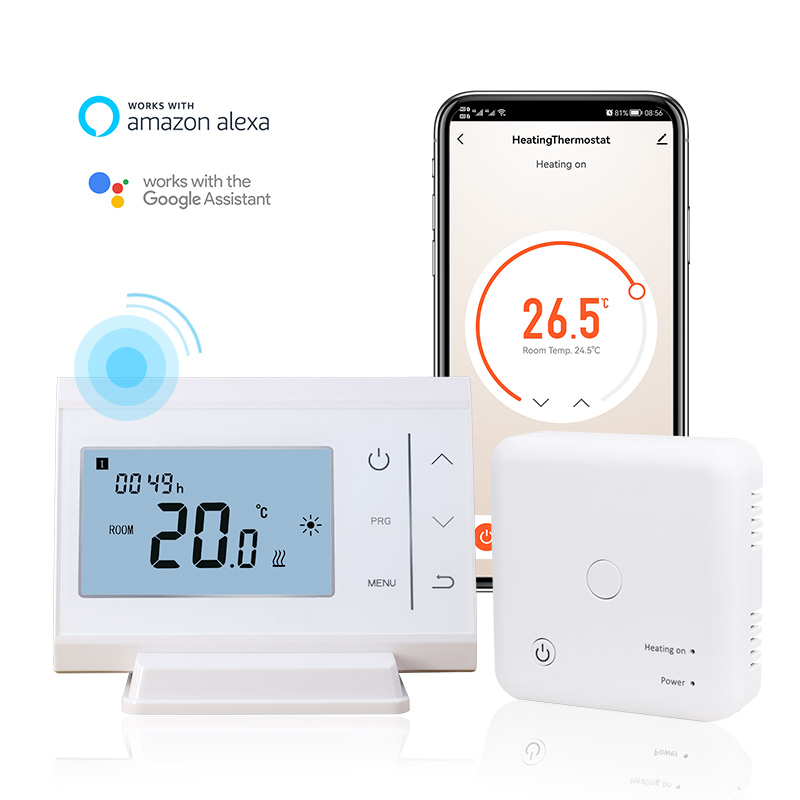
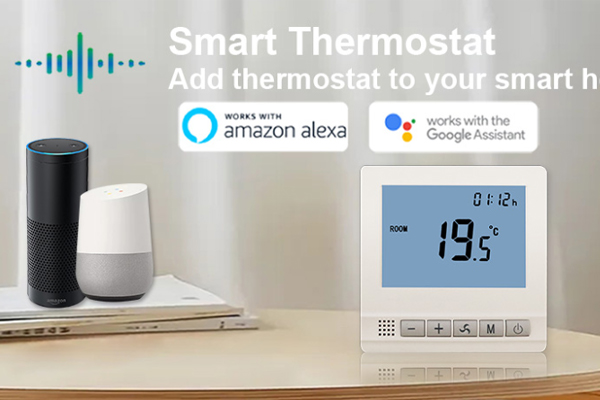
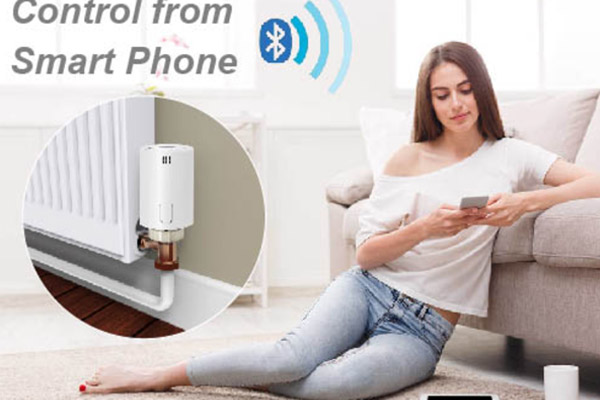
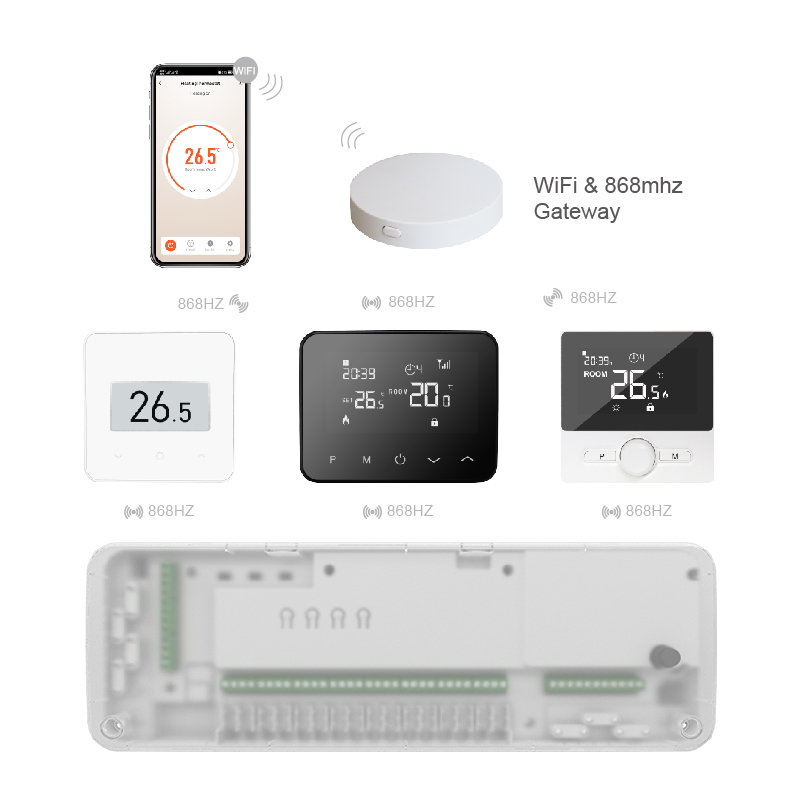
With the development of smart home technology, many plug-in thermostats now support Wi-Fi connectivity, mobile app control, scheduling, and voice assistant integration. These smart features transform the thermostat from a simple temperature controller into a convenient home management tool. For example:
Remotely turning off a heater via smartphone when leaving home;
Scheduling the room to reach a comfortable temperature before waking up;
Linking the thermostat with other smart devices such as environmental sensors or air conditioners.
For smart home enthusiasts, these functions not only enhance convenience but can also further improve energy efficiency.
Who Should Consider a Plug-In Thermostat?
Not every household needs a plug-in thermostat. Suitability depends largely on lifestyle and appliance usage:
Households that regularly use space heaters, electric heating films, or fan heaters;
Environments with large temperature fluctuations requiring precise temperature control;
Renters or users who cannot modify electrical wiring;
Users seeking greater convenience through smart home integration.
For households that only occasionally use heating devices or already rely on smart HVAC systems, the cost-effectiveness of a plug-in thermostat may be relatively limited.
Is It Worth Buying? Key Purchase Considerations
Overall, for users looking to improve temperature control accuracy, reduce electricity costs, and enhance everyday convenience, a plug-in thermostat is definitely worth considering. With a relatively low investment, it delivers automated control and tangible energy-saving benefits, making it a practical upgrade for traditional heating appliances.
When purchasing, consider the following:
Choose products with certified safety protections;
Ensure the rated power matches your appliances;
Decide whether smart connectivity features are necessary for your needs.
Conclusion
A plug-in thermostat is not a “must-have” device, but for households that value comfort and precise temperature control, it offers excellent value as a home upgrade. When used correctly, it can enhance living comfort while delivering real energy savings, making it a smart and efficient choice for modern homes.