
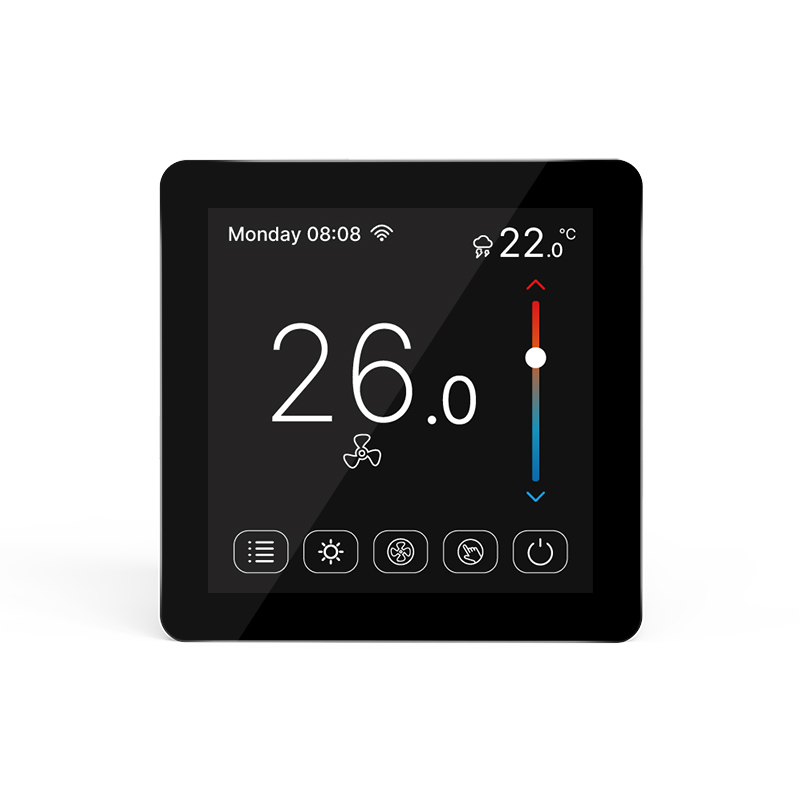
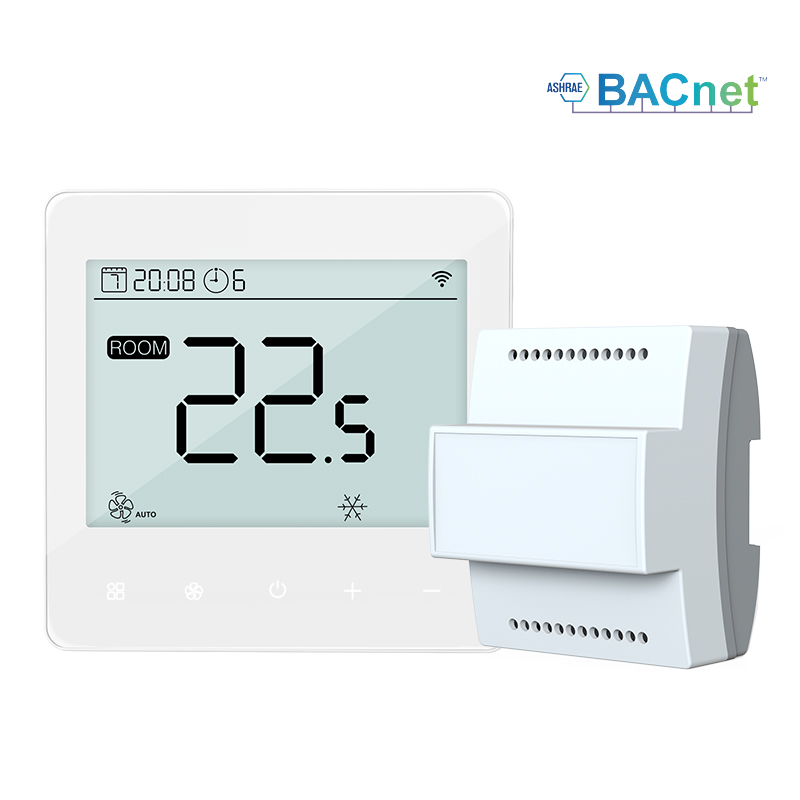
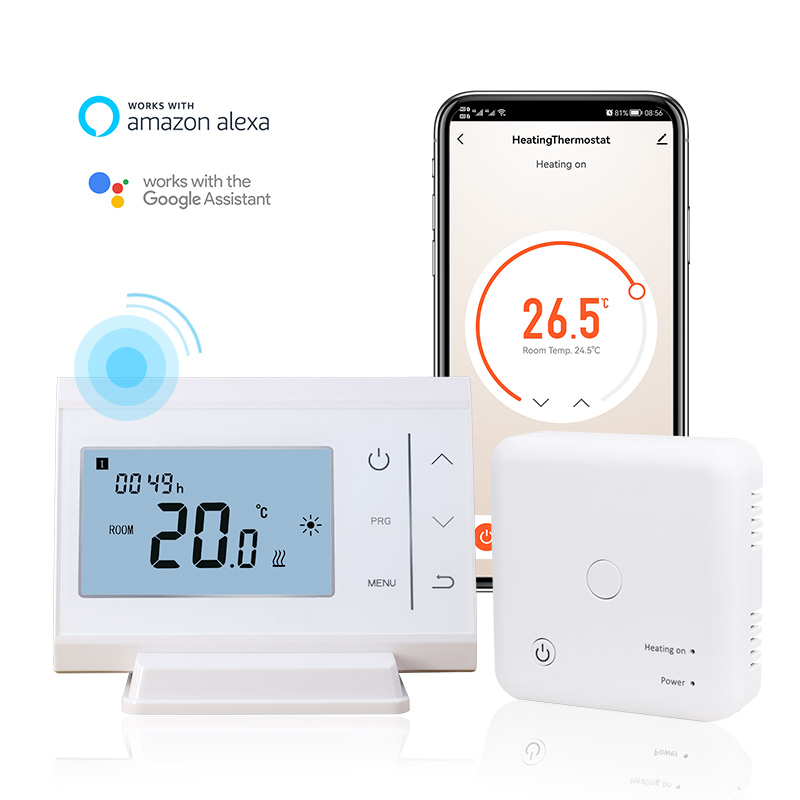
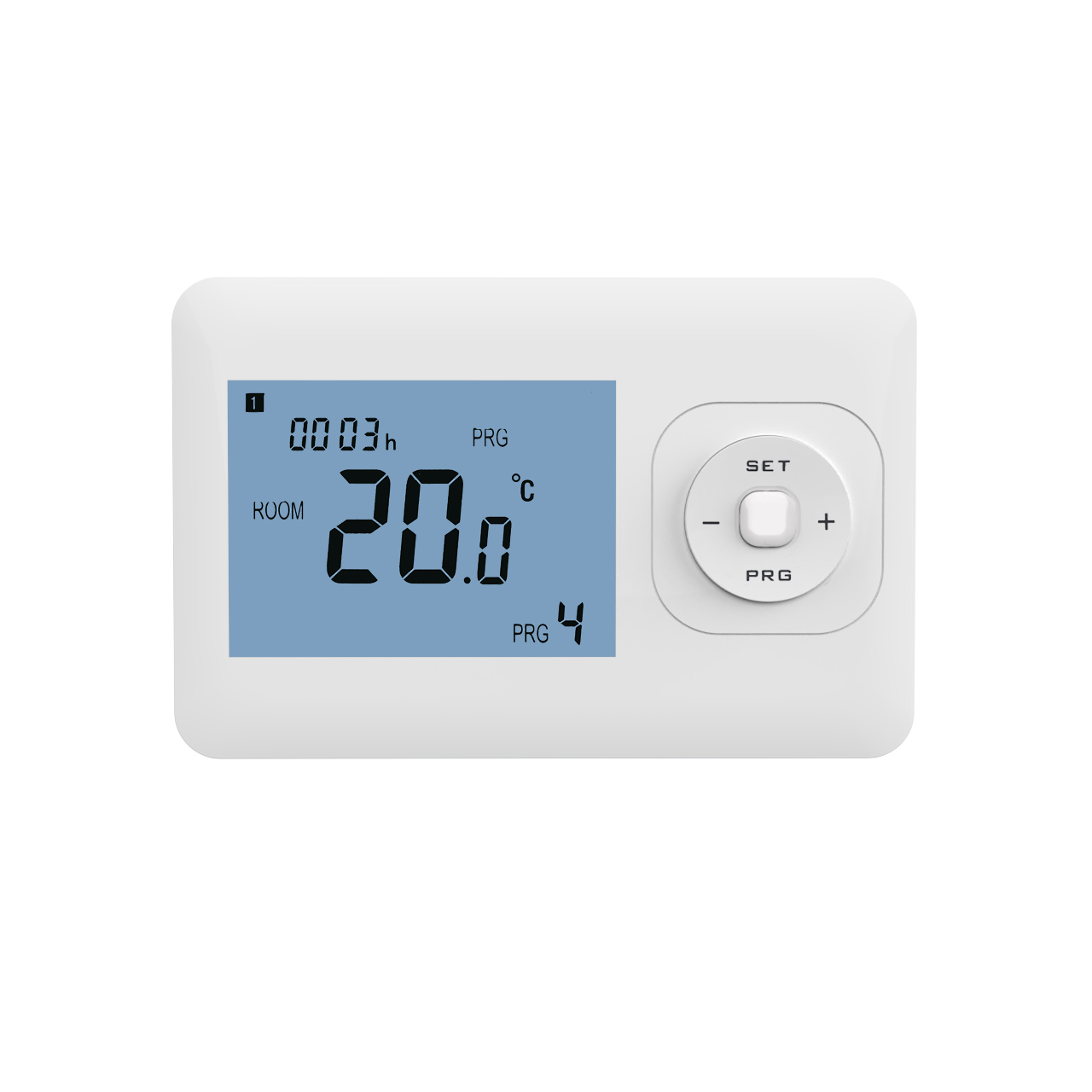
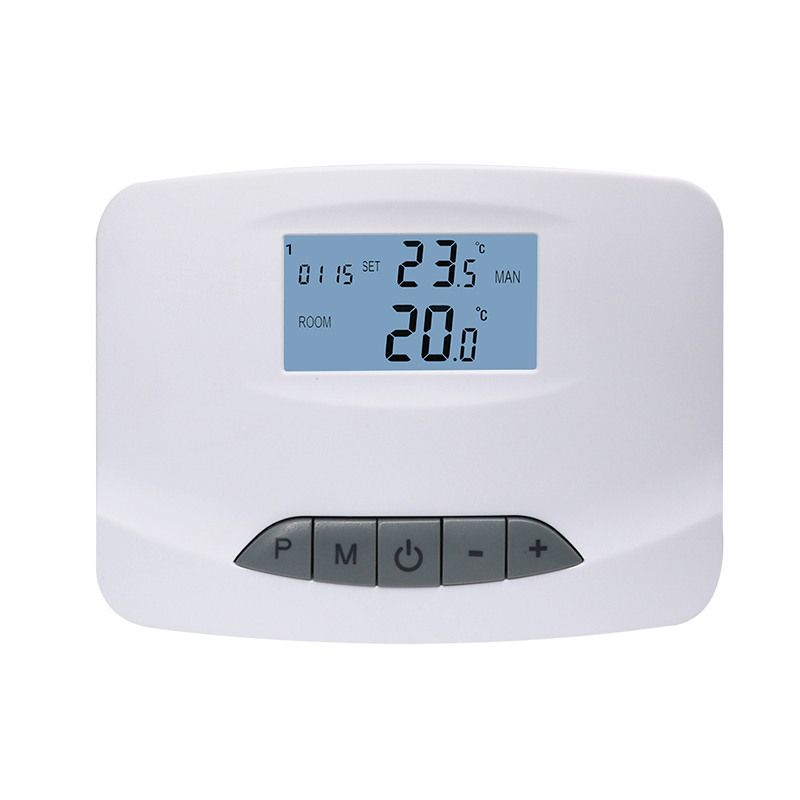
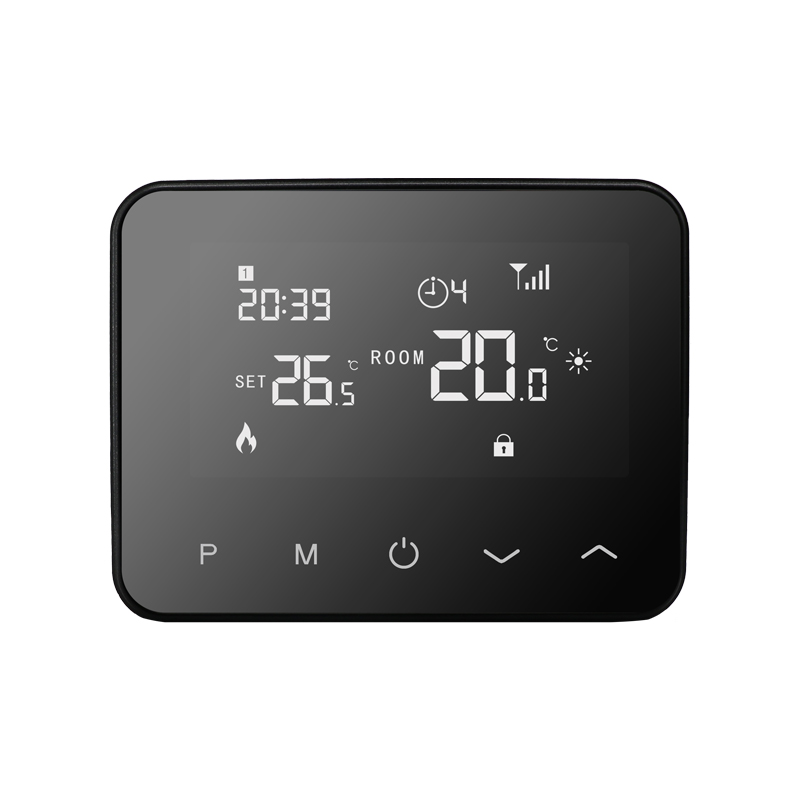
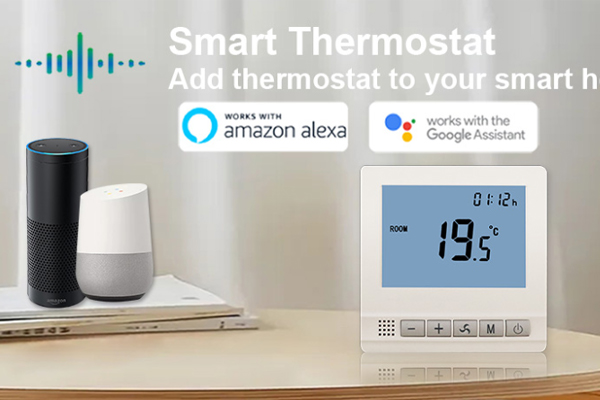

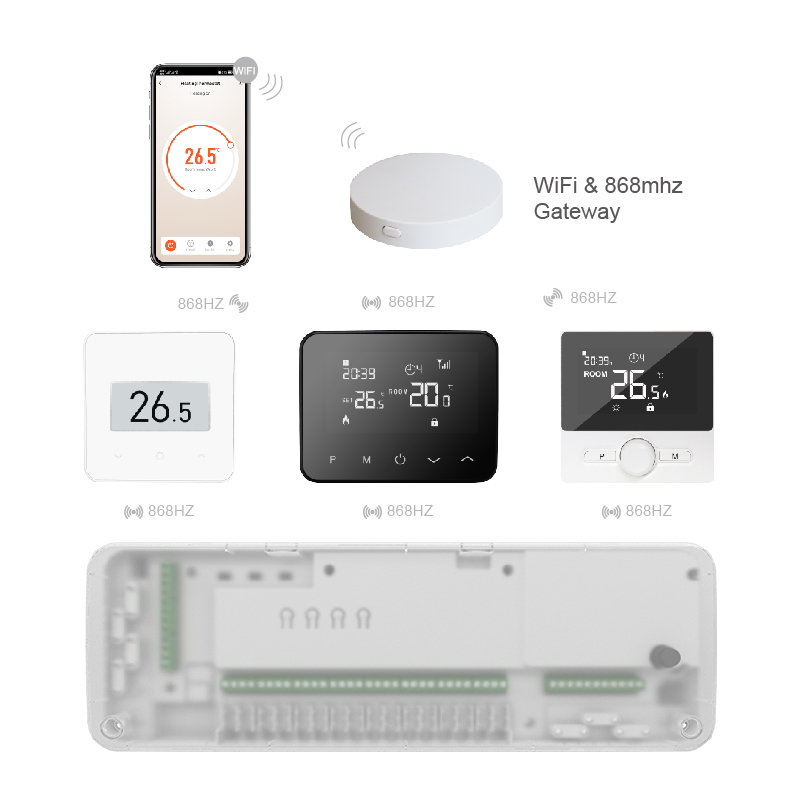

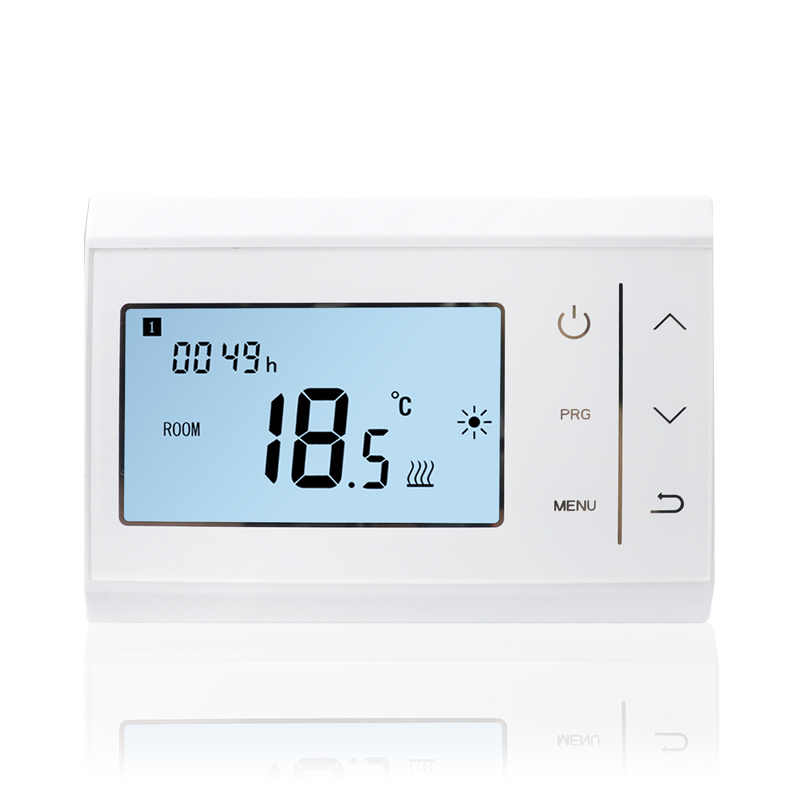
With rising energy costs and increasing awareness of energy conservation, building air conditioning and heating systems are facing higher demands. People not only want a comfortable and stable indoor environment but also want to minimize energy consumption and operating costs over long-term use. It is in response to these realities that the “energy-saving heat pump PTAC temperature control solution” has gained increasing attention. This solution is not merely a single device or function; rather, it is based on the heat pump PTAC system and achieves rational management of energy use through efficient and precise temperature control. The heat pump PTAC system itself has high energy efficiency, and the thermostat, as the core control component, directly affects the energy-saving effect. A reasonable temperature control solution can avoid frequent start-stop cycles of air conditioning, reduce unnecessary energy waste, and maintain stable indoor temperatures. For hotels, apartments, dormitories, and other places that require long-term operation of air conditioning equipment, this energy-saving-focused temperature control solution not only reduces overall energy consumption but also improves equipment reliability.
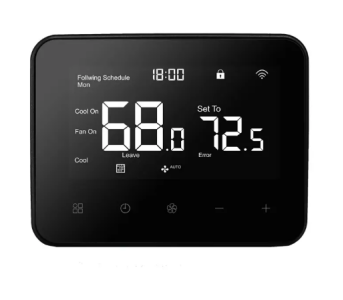
Energy-Saving Basis of Heat Pumps and PTAC
The energy-saving potential of heat pump PTAC temperature control solutions stems primarily from the inherent characteristics of both heat pumps and PTAC systems. PTAC is a complete terminal air conditioning system, typically serving a single room or independent space, avoiding energy losses caused by excessively long pipes or uneven distribution in centralized systems. Each room operates independently, consuming only the amount of energy used, inherently possessing an energy-saving foundation. Heat pump technology achieves heating or cooling by “transferring heat,” offering higher energy efficiency compared to simple electric heating. Under suitable environmental conditions, heat pumps can generate more heat output with less electricity, thereby reducing overall energy consumption. When heat pumps and PTAC are used in combination, with proper control, lower energy consumption can be achieved while maintaining comfort.
The Core Role of Thermostats in Energy Saving
In the entire heat pump PTAC system, the thermostat is the key component for achieving energy-saving goals. The thermostat senses changes in indoor temperature in real time, judging and adjusting the system’s operating status. Without a proper temperature control strategy, even highly energy-efficient equipment can easily waste resources due to over-operation. Energy-saving heat pump PTAC temperature control solutions typically employ a tiered control approach, such as multi-stage cooling and multi-stage heating. When the indoor temperature is small compared to the set temperature, the system can operate at a lower setting to reduce energy consumption; only when the temperature difference is large will a higher setting be activated. This approach avoids “full load from the start,” effectively reducing energy consumption. Simultaneously, stable temperature control reduces frequent compressor starts, protecting the equipment itself.
Energy-Saving Design to Reduce Ineffective Operations
Energy saving is not only reflected in operational efficiency but also in controlling “ineffective operation.” Heat pump PTAC temperature control solutions are typically designed considering various practical usage scenarios. For example, when a room is unoccupied, the thermostat can limit the temperature range, preventing the air conditioner from maintaining extreme set values for extended periods. In centrally managed locations, the thermostat can also be used in conjunction with access cards, time controls, or management systems to automatically enter energy-saving mode under specific conditions. This approach doesn’t significantly impact the user experience but can save substantial energy over long-term operation. Overall, reducing inefficient operation is often more direct and effective than simply improving equipment performance.
Indirect Energy Savings from Simple Operation
An easily overlooked energy-saving factor is the ease of user operation. If the thermostat is complex, users are prone to repeated adjustments, or even setting unreasonable temperatures for extended periods, which actually increases energy consumption. Heat pump PTAC temperature control solutions designed for energy saving typically emphasize a clear interface and simple operation. Through intuitive temperature displays and mode selection, users can quickly set suitable temperatures instead of frequent adjustments. Clear control principles help guide users to develop reasonable usage habits, thereby reducing energy waste imperceptibly. This “energy saving through design” approach is equally important in practical applications.
Heat pump PTAC temperature control solutions designed for energy saving are the result of combining equipment performance with control strategies. Based on the high efficiency characteristics of heat pumps and PTAC systems, it reduces unnecessary energy consumption through precise and stable temperature control. Meanwhile, through tiered control, limiting inefficient operation, and simplified operating procedures, energy saving becomes a natural outcome of system operation, rather than an additional burden. This temperature control solution does not pursue complex functional stacking, but rather starts from practical use, achieving rational energy utilization while ensuring comfort. Whether used in an independent room or in a place requiring unified management, the heat pump PTAC temperature control solution demonstrates clear and practical energy-saving value.