
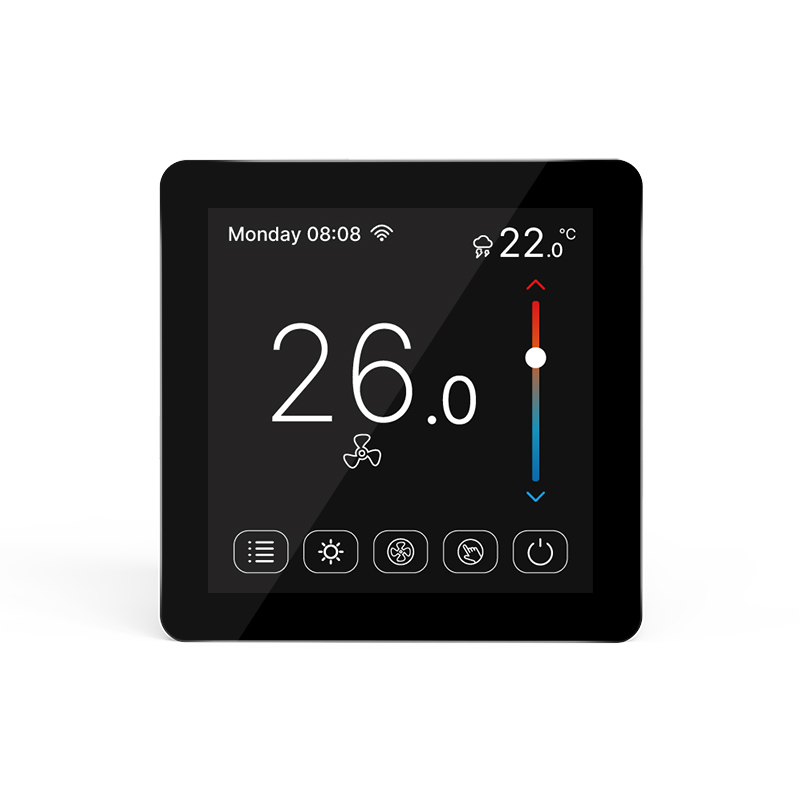
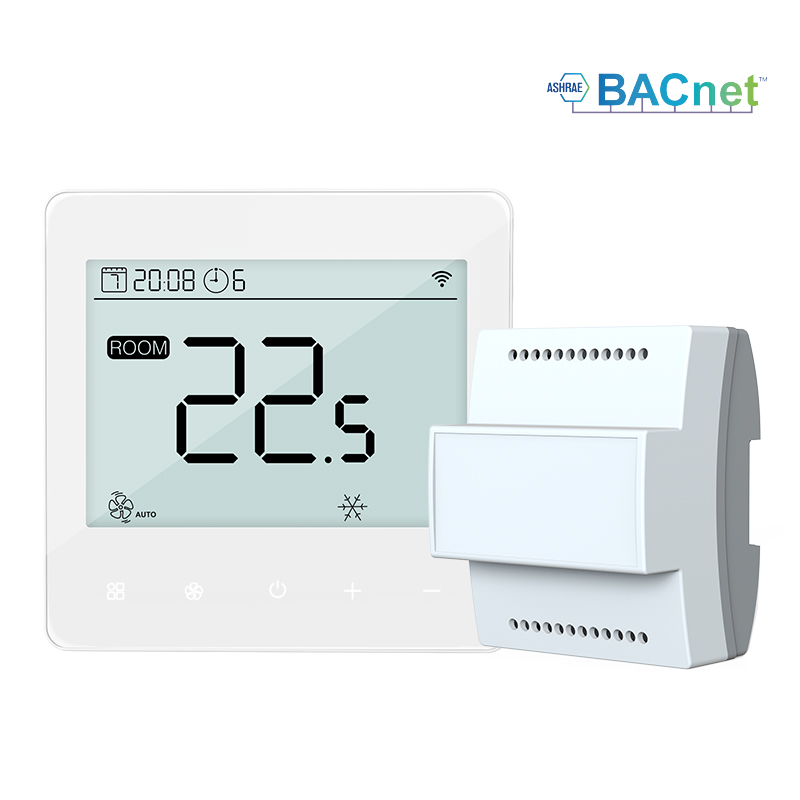
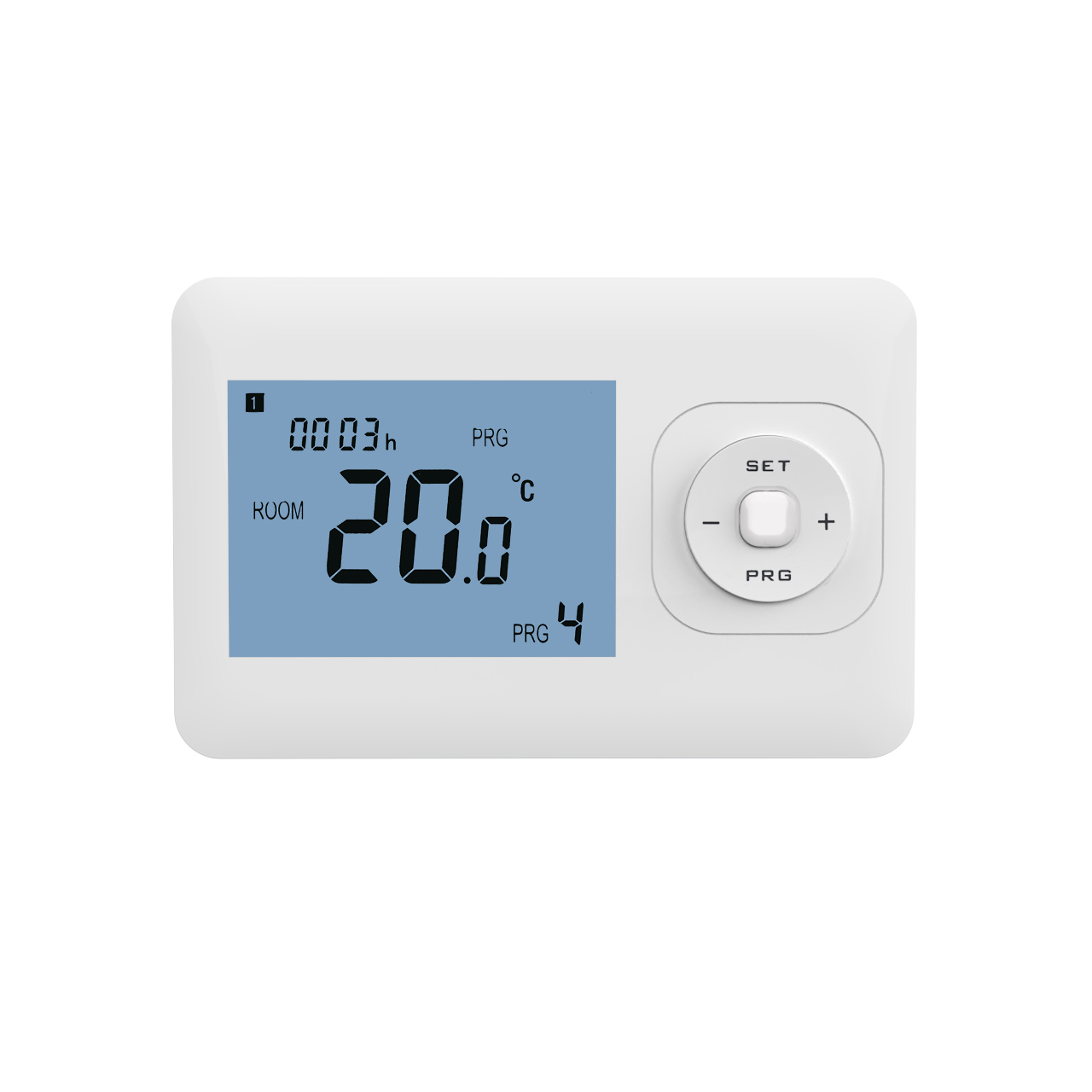
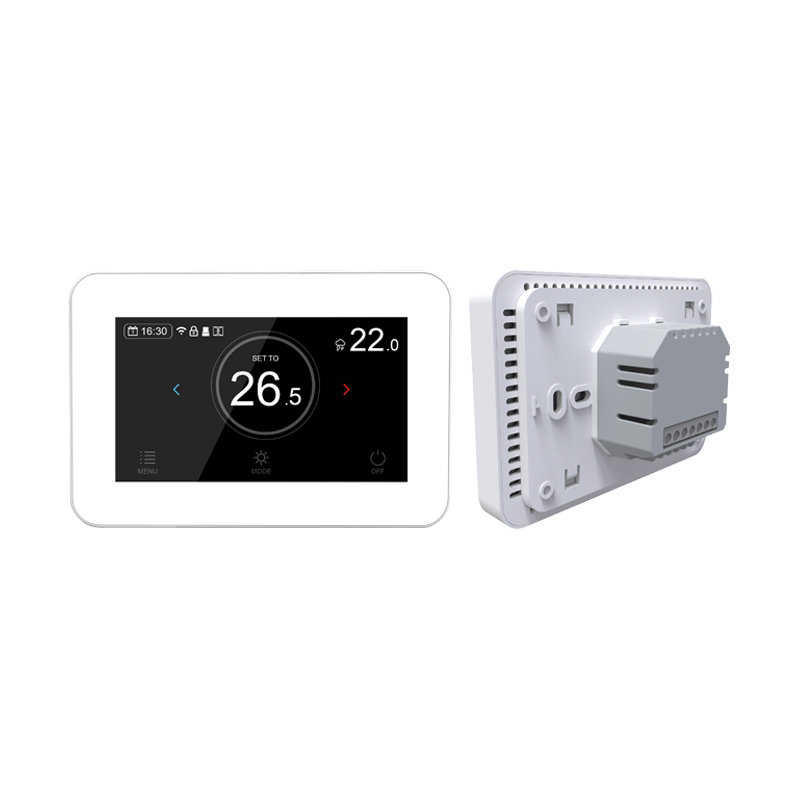
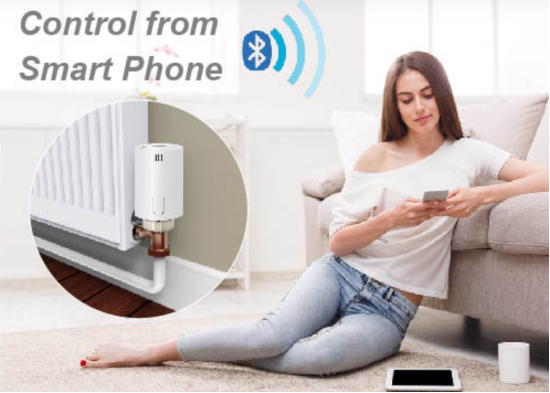
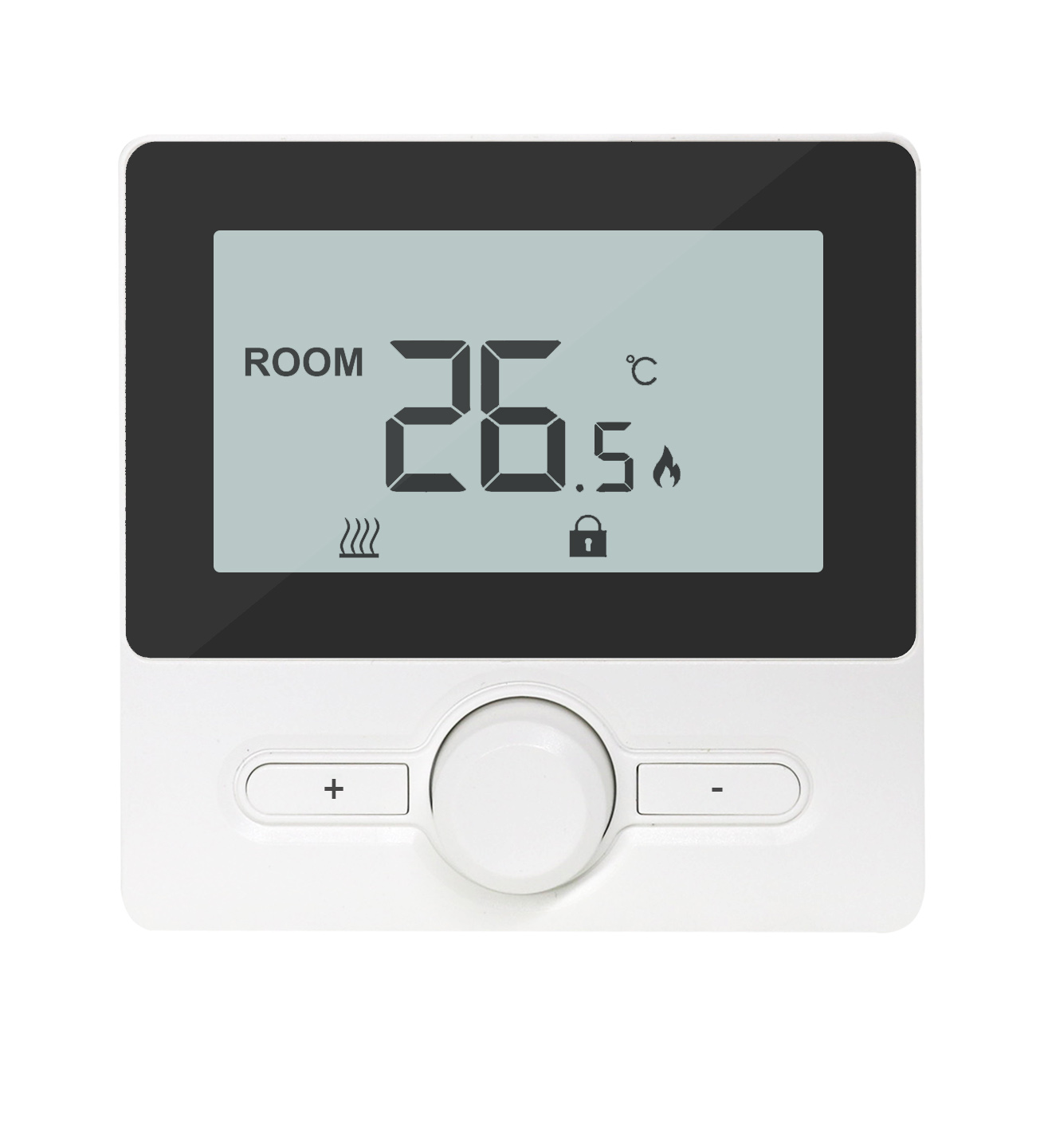
With the growth of smart homes, plug-in thermostats are no longer just simple heating or cooling devices—they now feature smart app control, providing more efficient, convenient, and personalized temperature management. Through a smartphone or tablet, users can monitor and adjust indoor temperatures anytime and anywhere, achieving both comfort and energy savings. This article explains the app control features of smart plug-in thermostats in detail, covering key functions, user experience, remote control, smart scenarios, and usage tips.
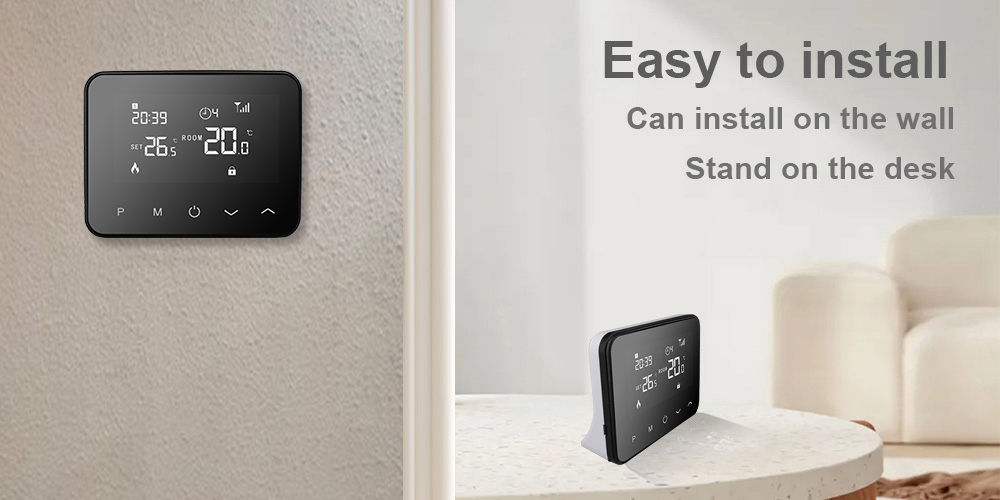
Core Features of App Control
The app control of smart plug-in thermostats primarily offers the following functions:
Real-time temperature monitoring
Built-in temperature sensors continuously collect environmental data and display the current temperature in the app, allowing users to track indoor conditions at any time.
Temperature setting and adjustment
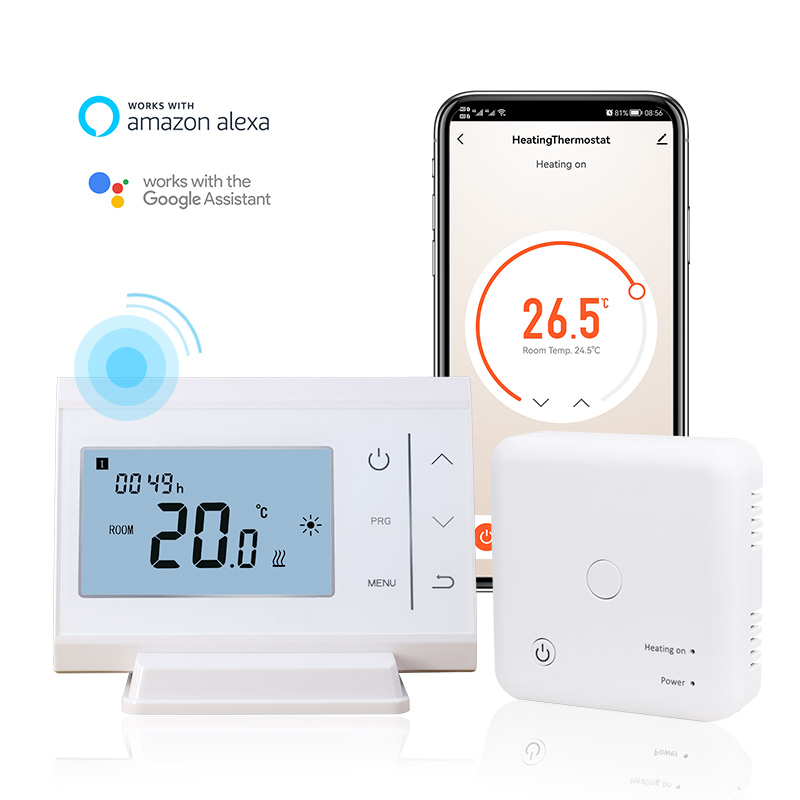
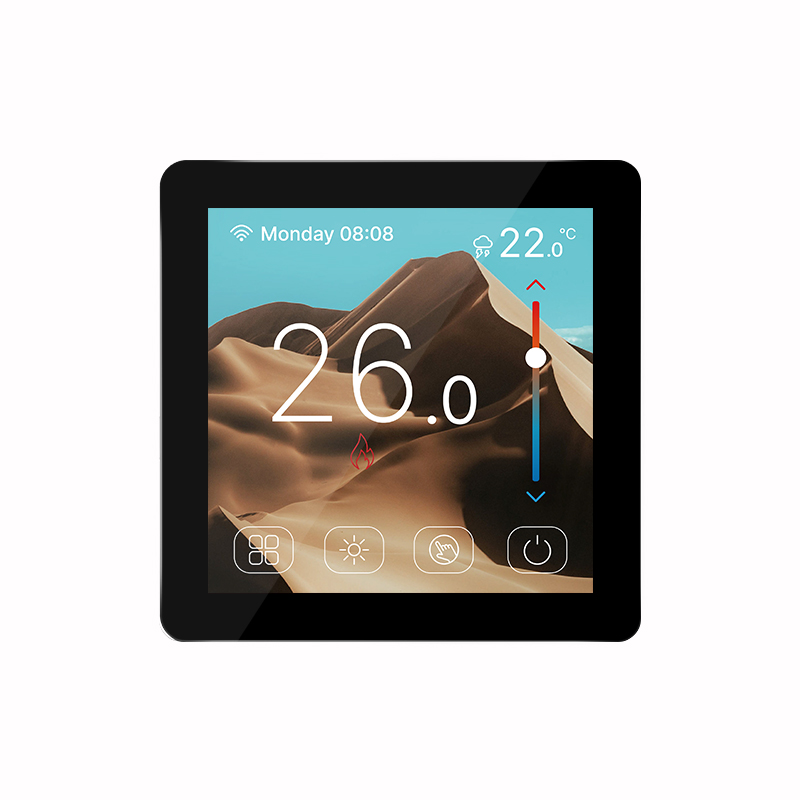
Users can set target temperatures or adjust temperature ranges directly within the app, eliminating the need to manually operate the device. The interface is intuitive and user-friendly.
Scheduling and scene modes
Apps support scheduled on/off, temperature adjustments, and various scene modes, such as wake-up mode, sleep mode, and away mode, enabling automated temperature control.
Remote control and notifications
Users can control the thermostat remotely from the office, outdoors, or while traveling. Some devices also send notifications for temperature anomalies or device status issues.
User Experience
In practice, the app provides a smooth and convenient user experience:
Intuitive interface
Functions like temperature adjustment, mode switching, and scheduling are logically arranged, making it easy to find and operate each feature.
Fast response
The connection between the app and the thermostat is stable, and changes are reflected almost instantly, minimizing delays.
Data visualization
Some apps provide historical temperature records and energy consumption statistics, helping users understand indoor conditions and optimize energy use.
Advantages of Remote Control
One of the most significant benefits of app control is remote management:
Control temperature anytime, anywhere
Whether at home, work, or traveling, users can adjust the temperature via the app, ensuring a comfortable environment upon arrival.
Energy-saving management
Turning off the device or adjusting temperatures remotely helps reduce unnecessary energy consumption, such as lowering heating power or switching off when away.
Emergency adjustments
For sudden weather changes or unexpected needs, users can quickly modify indoor temperature without being physically present.
Smart Scenes and Integration
App control also enables integration with smart home systems for enhanced automation:
Voice assistant compatibility
Through Alexa, Google Assistant, or other voice assistants, users can adjust temperature using voice commands, enabling hands-free operation.
Multi-device integration
The app can link the thermostat with smart lights, door locks, air purifiers, and other devices to create full-home automation. For example, a “sleep mode” may dim lights and lower the temperature automatically.
Learning and optimization
High-end models can learn user routines and historical temperature settings to automatically optimize performance, enhancing both comfort and energy efficiency.
Usage Tips
To maximize the app control experience, users should consider:
Maintain a stable network: Ensure a strong Wi-Fi signal for smooth remote control and real-time data updates.
Update app and firmware regularly: Keep the app and thermostat firmware up-to-date for improved stability and new smart features.
Set schedules and scenes thoughtfully: Configure different modes based on daily routines to increase comfort while reducing energy usage.
Ensure security and permissions: Protect app accounts to prevent unauthorized access to remote control functions.
Conclusion
Overall, the app control feature of smart plug-in thermostats greatly enhances convenience and intelligence in home temperature management. With real-time monitoring, remote adjustments, scheduling, and smart integration, users can efficiently manage indoor temperatures while enjoying comfort and energy savings. For households pursuing a smart lifestyle and personalized temperature control, app control is a key upgrade that significantly improves the value and usability of plug-in thermostats.