
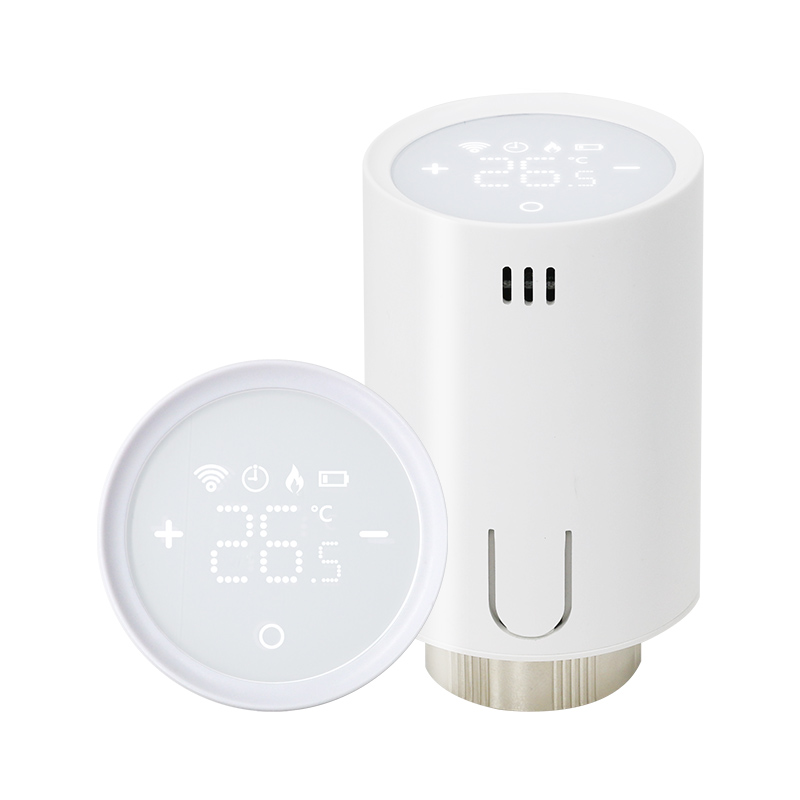
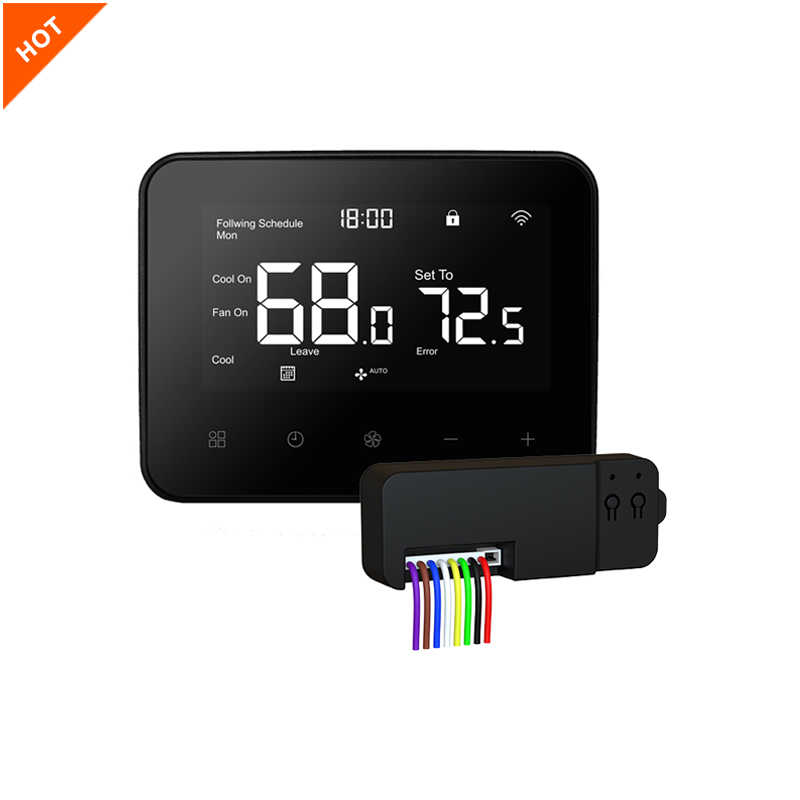
In radiator heating systems, the valve may look like a small component, but it has a major impact on indoor temperature stability, energy consumption, and overall user comfort. The two most common options are thermostatic valves and manual radiator valves. When upgrading a heating system, many users struggle to decide which one is better. In reality, the difference is not just “automatic vs manual,” but also involves control logic, energy efficiency, and long-term user experience.

Temperature Control Performance: Automatic Regulation vs Manual Adjustment
- Thermostatic valve: automatic sensing and dynamic control
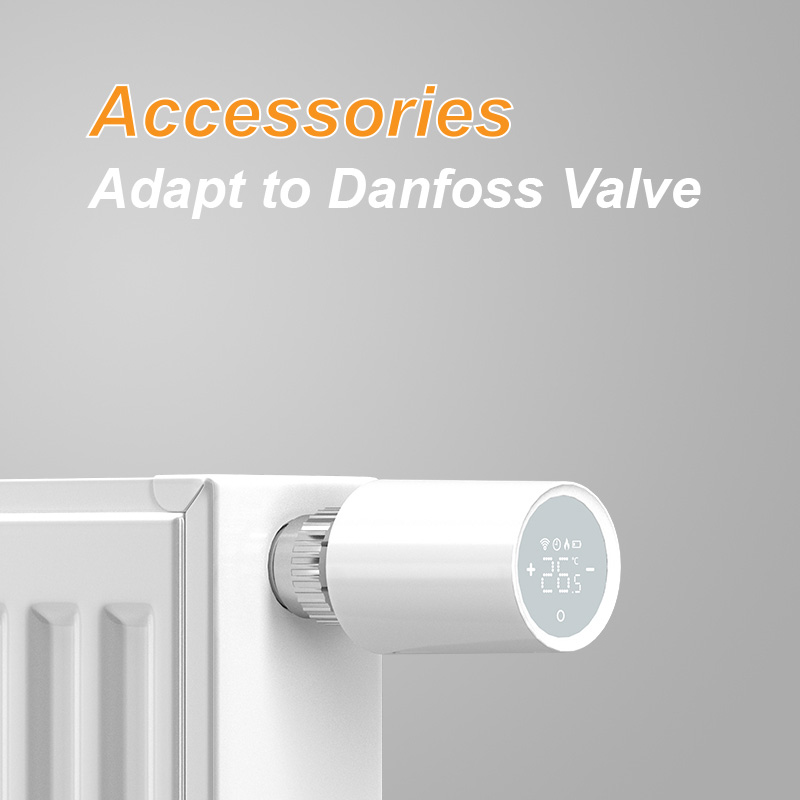
A thermostatic valve is equipped with an internal temperature-sensitive element that continuously monitors room temperature changes. When the temperature rises, it automatically reduces hot water flow into the radiator; when the temperature drops, it increases flow. This closed-loop system (“sensing–adjusting–feedback”) keeps indoor temperature stable around the set level without manual intervention.
- Manual valve: fixed opening, fully dependent on user adjustment
A manual radiator valve controls flow only by adjusting its opening. Once set, it does not change automatically. Users must manually adjust it according to weather or temperature changes; otherwise, rooms may become too hot during the day or too cold at night, especially during seasonal transitions.
Energy Efficiency and User Experience: Smart Savings vs Passive Control
- Thermostatic valve: energy-efficient and stable
Thermostatic valves operate on a “demand-based heating” principle. Once the set temperature is reached, heat output is automatically reduced, preventing unnecessary energy consumption. They also support independent room temperature control, improving overall system efficiency and reducing boiler load over time.
- Manual valve: low cost but inconsistent performance
Manual valves are cheaper and structurally simpler, making them easy to install and maintain. However, due to the lack of automatic regulation, users often forget to adjust them or adjust them too late, leading to energy waste and unstable indoor temperatures. Over time, comfort and efficiency are significantly lower than thermostatic systems.
Comfort Level Comparison: Stable Environment vs Temperature Fluctuation
- Thermostatic valve: stable temperature and higher comfort
Thermostatic valves continuously fine-tune heat output, maintaining a stable indoor temperature and reducing hot-and-cold fluctuations. This is especially beneficial in bedrooms or long-stay living areas, improving overall comfort and sleep quality.
- Manual valve: noticeable temperature variations
Without automatic adjustment, room temperature can easily fluctuate with outdoor conditions. If users do not adjust the valve in time, some areas may become too warm while others remain cold, reducing overall comfort.
Application Scenarios: Modern Homes vs Basic Systems
- Thermostatic valve: ideal for modern residential and commercial spaces
Suitable for apartments, hotels, offices, and other environments requiring stable comfort and energy efficiency. It is especially effective in multi-room temperature control systems.
- Manual valve: suitable for low-cost or basic heating setups
Best for simple systems, limited budgets, or spaces where precise temperature control is not required.
The key difference between thermostatic valves and manual radiator valves lies in automatic temperature control capability. Thermostatic valves use intelligent sensing and automatic adjustment to provide stable indoor temperatures, improved comfort, and better energy efficiency, making them the mainstream choice for modern heating systems. Manual valves, while affordable and simple, require frequent manual adjustment and offer lower long-term comfort and efficiency. As heating systems move toward smarter and more energy-efficient solutions, more users are upgrading to thermostatic valves. If you are looking to optimize your heating system, E-top provides professional thermostatic valve and HVAC solutions to help achieve more precise temperature control, higher efficiency, and greater comfort.