
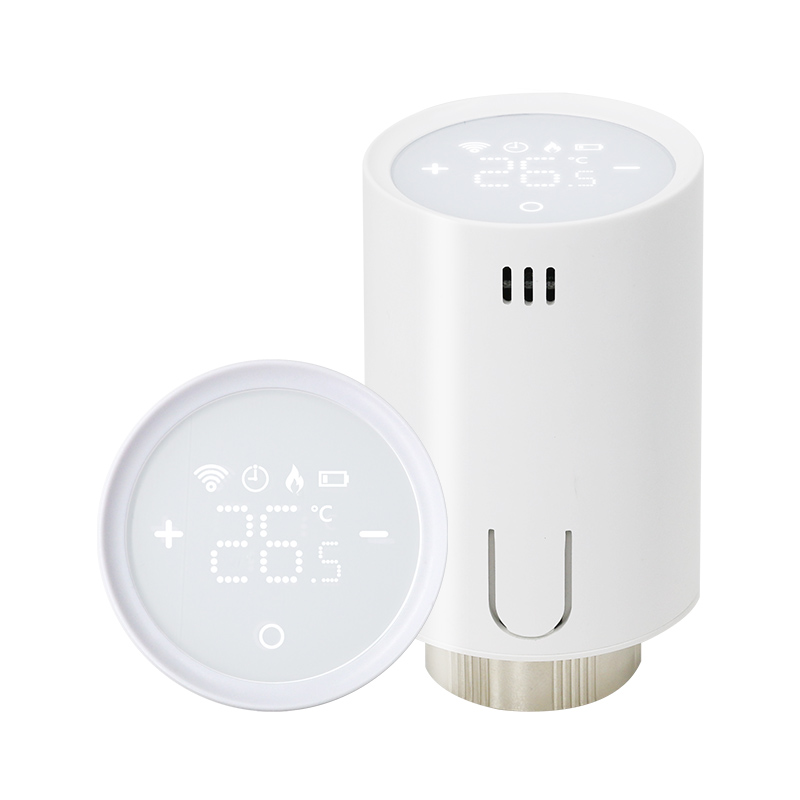
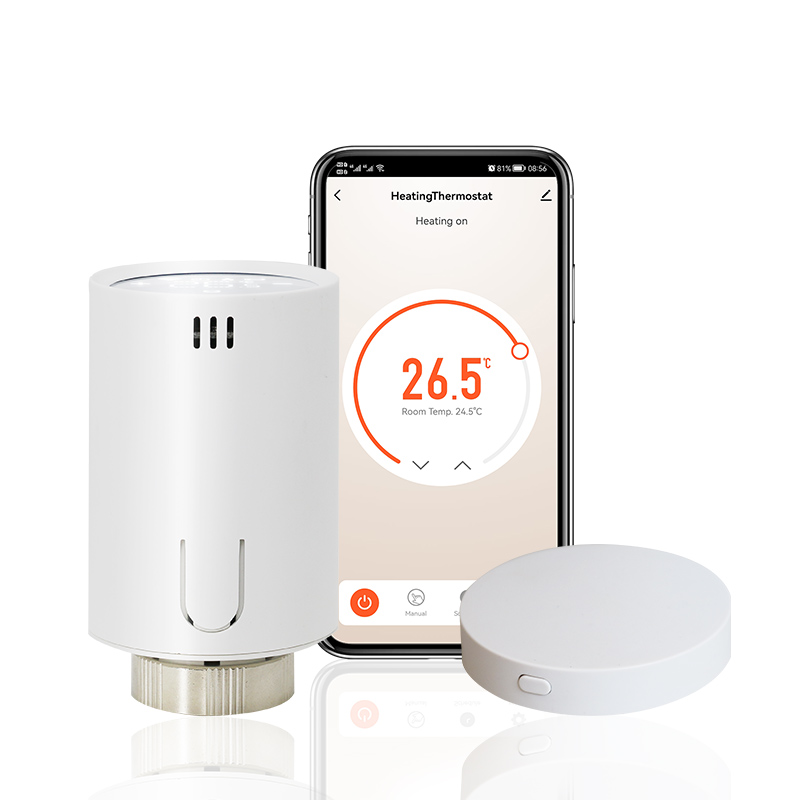
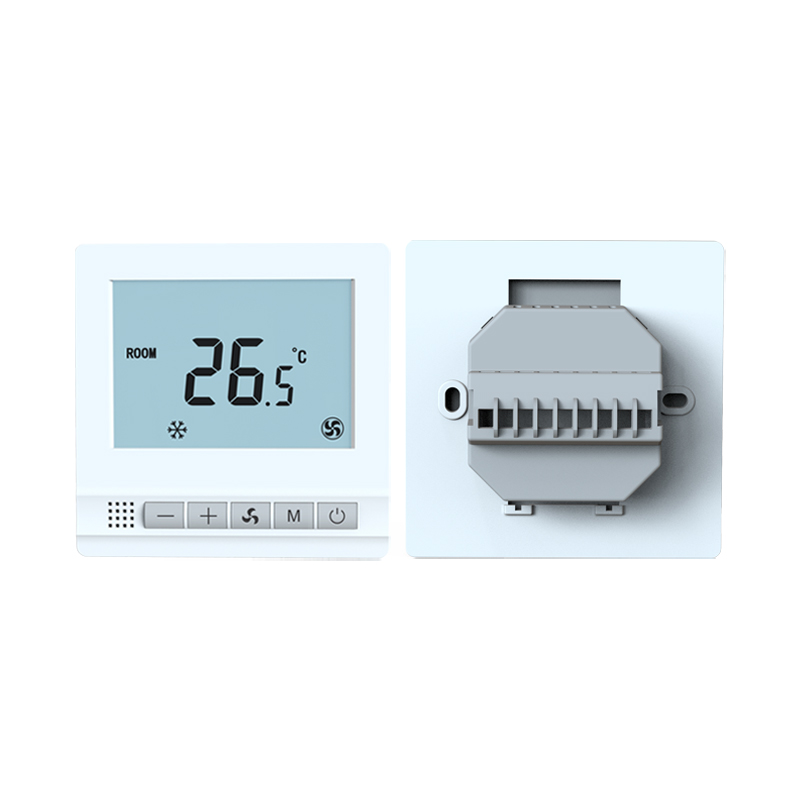
In HVAC installation practice, many users focus on the brand and performance of thermostatic valves but overlook a key factor—installation height. In reality, whether a thermostatic valve can accurately sense room temperature is closely related to its position and height. If installed too low, too high, or blocked, it may misread the indoor temperature, affecting both comfort and energy efficiency. Therefore, understanding the correct installation height is essential for optimizing heating performance.
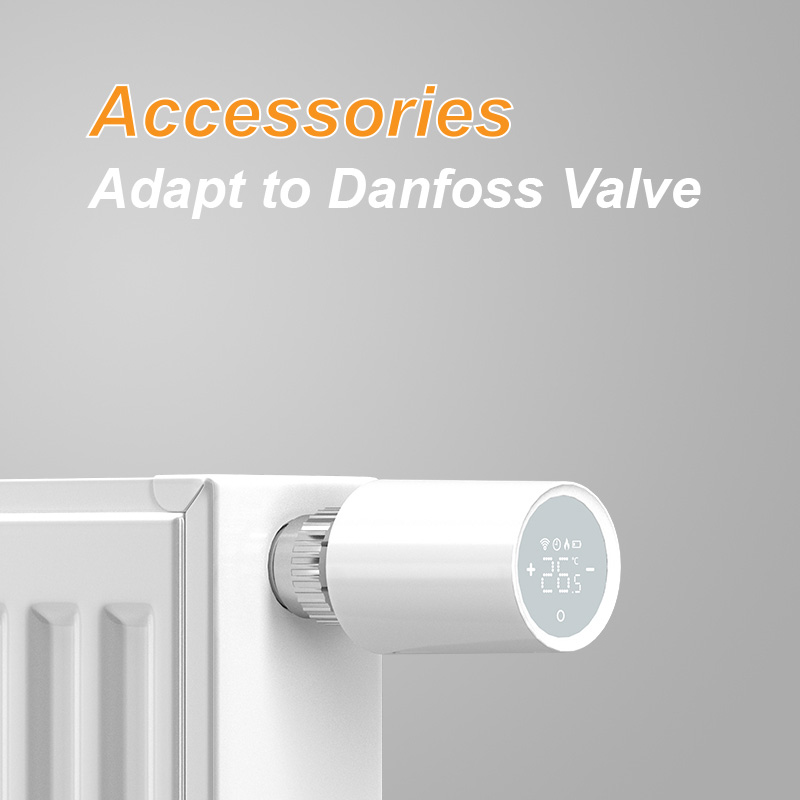
Standard Installation Height for Radiator Thermostatic Valves
The installation height of a thermostatic valve is not arbitrary; it should be based on human comfort zones and air circulation patterns.
- Common recommended height range
It is generally recommended to install the valve about 60cm–120cm above the floor, which better reflects the temperature felt by occupants.
- Depends on radiator structure
Different radiator designs have different pipe positions, so the final installation height may vary slightly.
- Horizontal installation is more common
Many systems use horizontal mounting to reduce the direct influence of rising hot air on the sensing element.
Why Installation Height Affects Temperature Control Accuracy
Thermostatic valves rely on air temperature sensing, so their position directly impacts measurement accuracy.
- Too low can be affected by cold air
Near-floor areas are usually cooler, which may cause the valve to misjudge the room as underheated and over-supply heat.
- Too high may sense rising hot air
Since warm air rises, a high installation position may cause the valve to shut off too early, leading to insufficient heating.
- Proximity to heat sources causes distortion
If installed too close to the radiator body, localized heat can distort temperature readings.
- Air circulation affects responsiveness
Good airflow ensures the valve accurately detects real room temperature changes.
Installation Considerations in Different Environments
Different room layouts require different installation precautions.
- Curtain obstruction
Thick curtains can trap heat around the valve, causing inaccurate temperature sensing.
- Furniture blockage
Large furniture such as sofas or cabinets may block airflow and affect measurement accuracy.
- Small spaces with heat accumulation
In compact rooms, heat builds up faster, making proper positioning even more important.
Problems Caused by Incorrect Installation Height
Improper installation is a common reason for poor heating performance.
- Unstable room temperature
Incorrect sensing leads to frequent opening and closing of the valve.
- Increased energy consumption
The system may overheat the space due to incorrect temperature readings.
- Uneven room heating
Some areas become too warm while others remain cold.
- Reduced system efficiency
The valve cannot respond accurately to real temperature changes.
How to Maximize Thermostatic Valve Performance
Proper installation goes beyond height—it also includes system integration and usage habits.
- Maintain good air circulation
Avoid blocking the valve so it can sense real room conditions.
- Match installation method with radiator type
Different radiator structures require different mounting positions and angles.
- System-wide calibration
After installation, test and adjust to ensure balanced room temperatures.
- Regular maintenance
Check for dust buildup or mechanical wear that may affect sensitivity.
The installation height of radiator thermostatic valves may seem like a minor detail, but it plays a crucial role in temperature accuracy and overall heating performance. Proper positioning ensures stable temperature control, better energy efficiency, and improved indoor comfort. In modern HVAC systems, correct installation is just as important as product quality. If you are looking for more professional and efficient heating solutions, E-top provides high-quality thermostatic valves and HVAC system components to help achieve precise temperature control and a more comfortable living environment.