
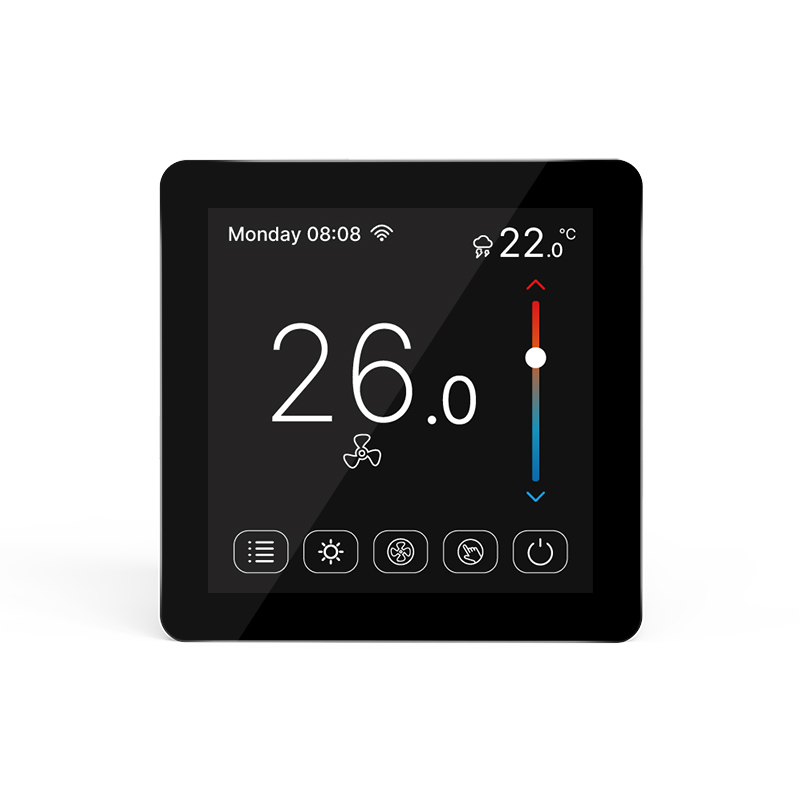
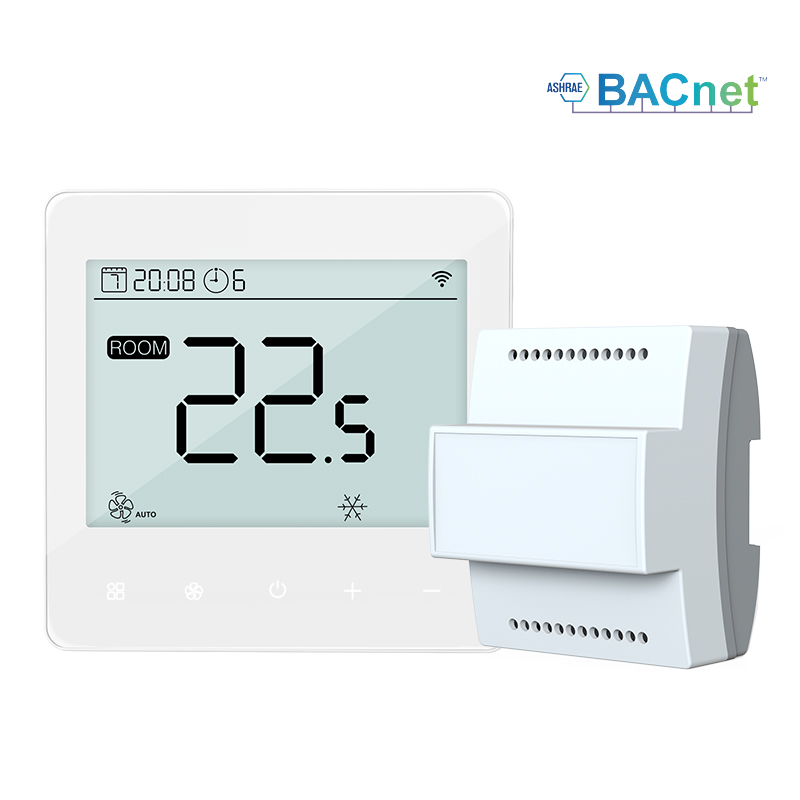
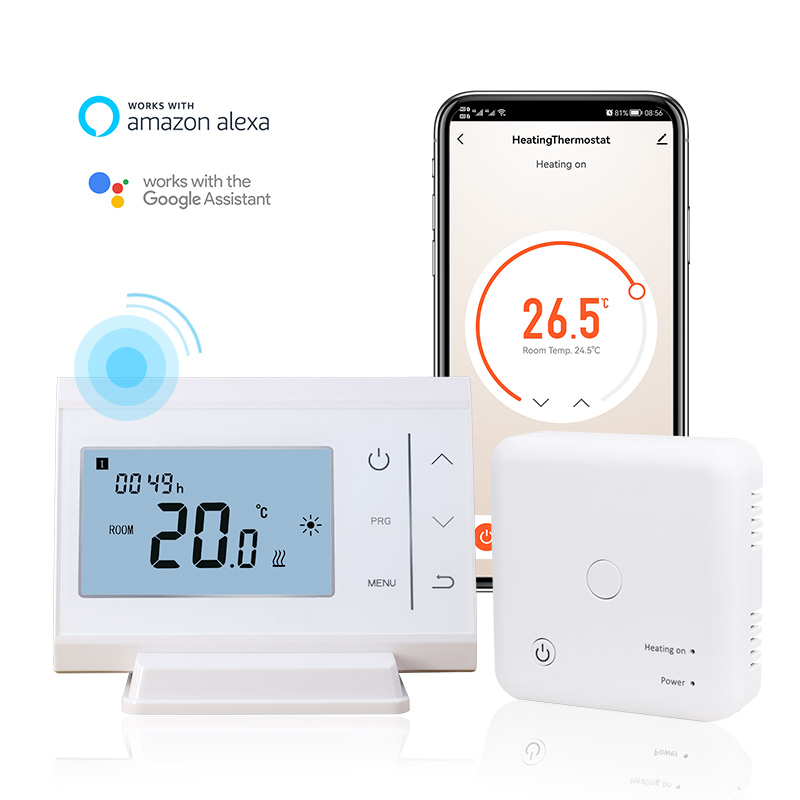
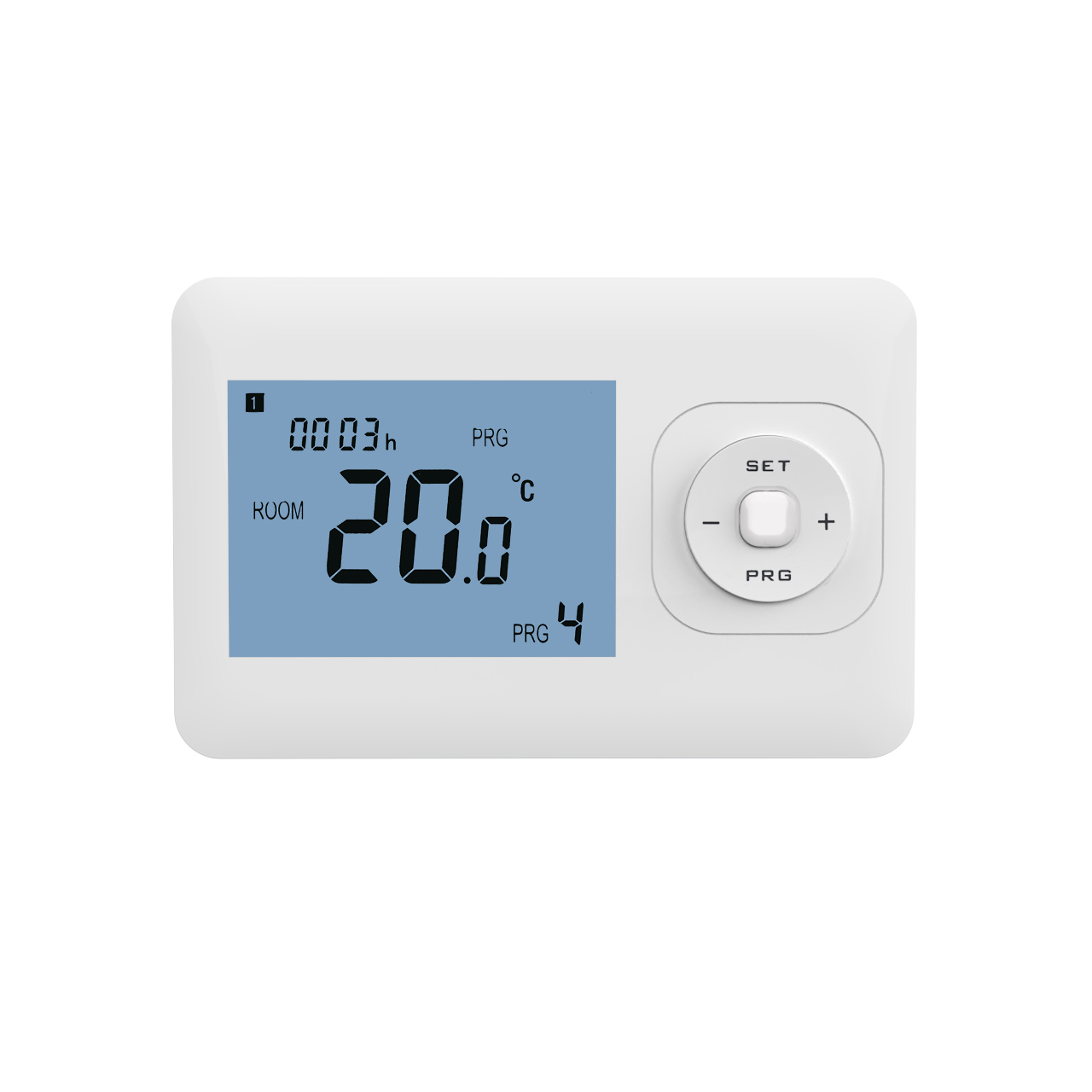
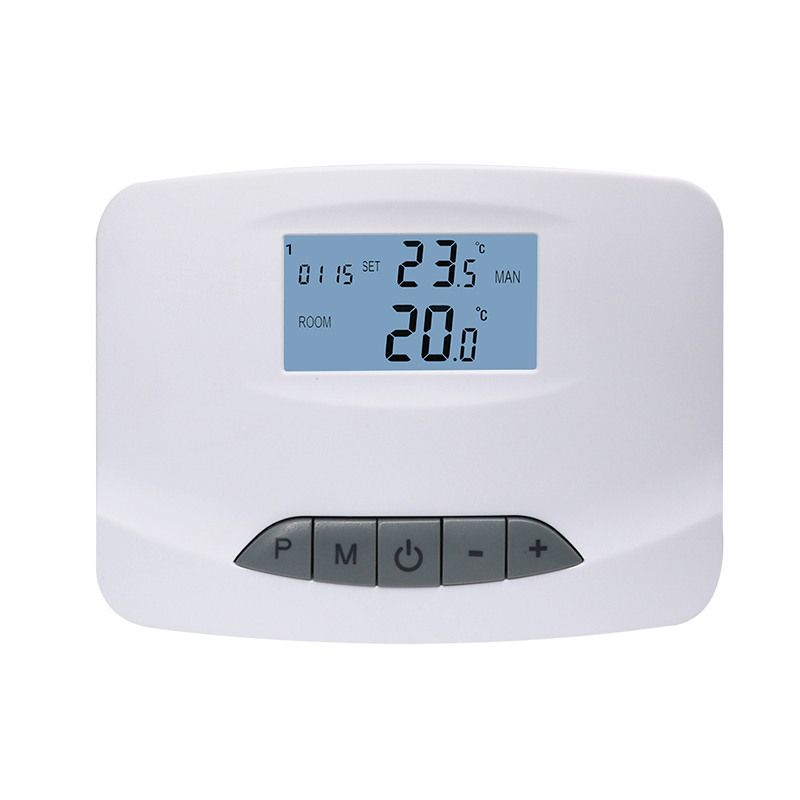
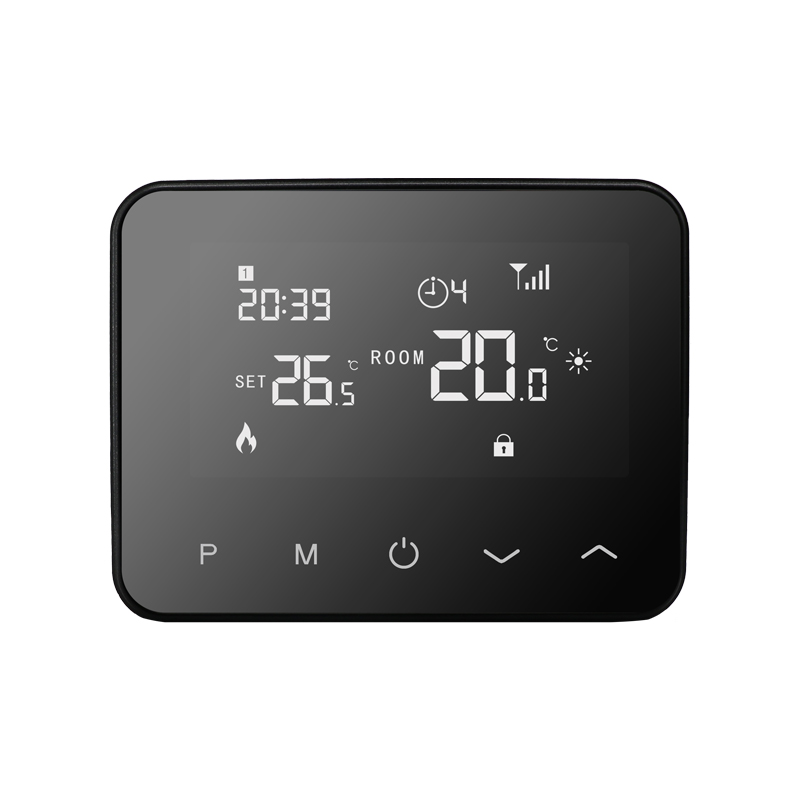
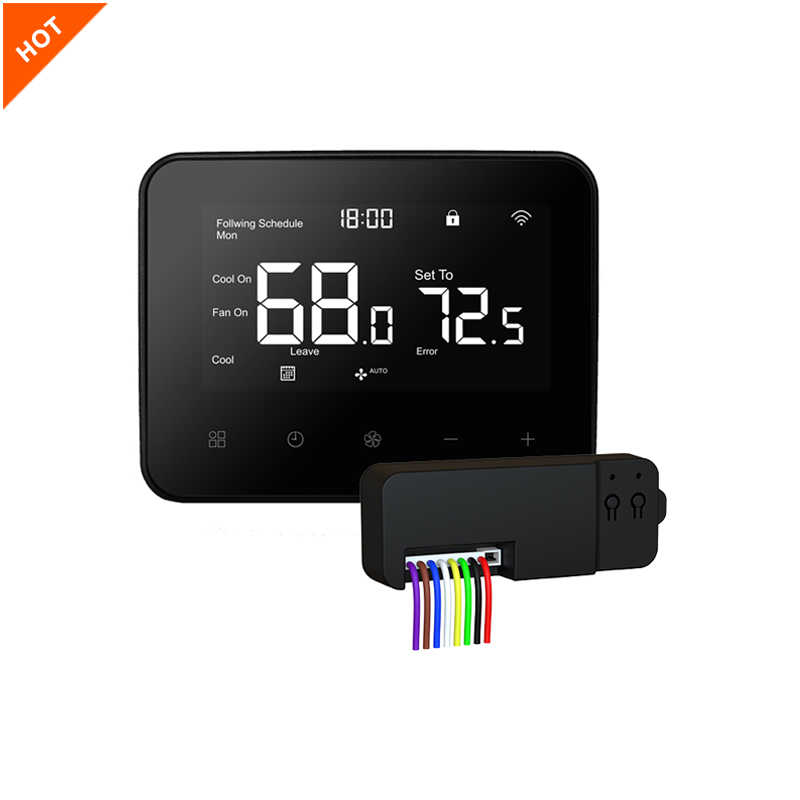
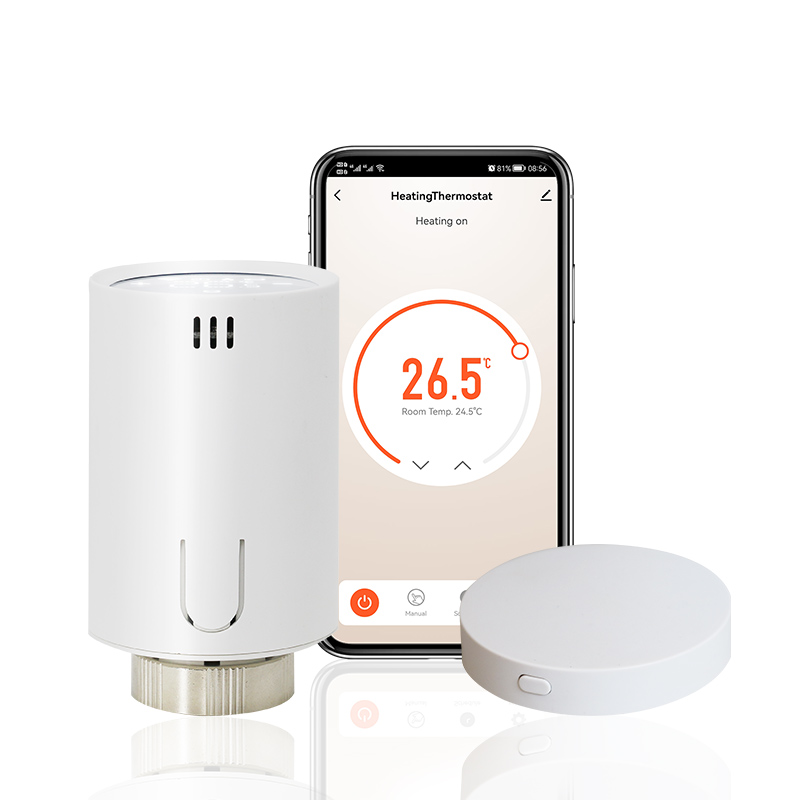
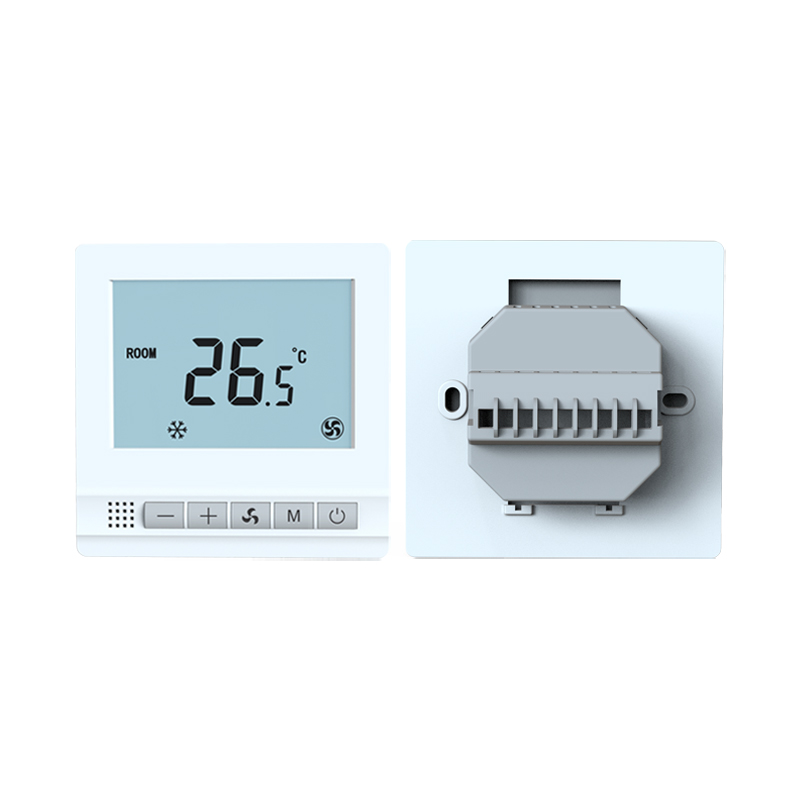
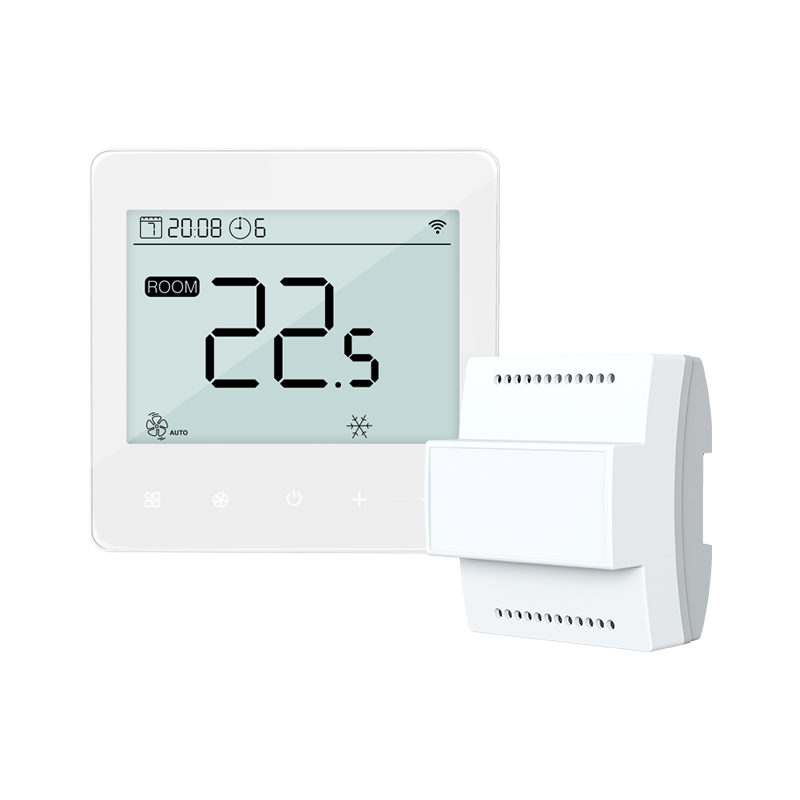
In modern residential and commercial heating systems, radiators are the most common terminal heat emitters. However, many users still experience unstable indoor temperatures, uneven heating, or localized overheating. These issues are usually not caused by radiator performance itself, but by the lack of precise temperature control. A thermostatic valve solves this problem by enabling radiators to adjust heat output automatically, improving both comfort and energy efficiency.
Why Radiators Need Temperature Regulation
Without proper control, radiators tend to operate in a constant heating mode, which can easily lead to indoor imbalance.
- Indoor temperature fluctuations
The system cannot differentiate between rooms, causing some spaces to overheat while others remain underheated.
- Different usage patterns
Living rooms, bedrooms, and kitchens have different heating needs, but traditional systems cannot adjust automatically.
- Strong impact from environmental changes
Sunlight, occupancy, and daily activity can all affect room temperature, but the system cannot respond in real time.
How Thermostatic Valves Achieve Automatic Temperature Control
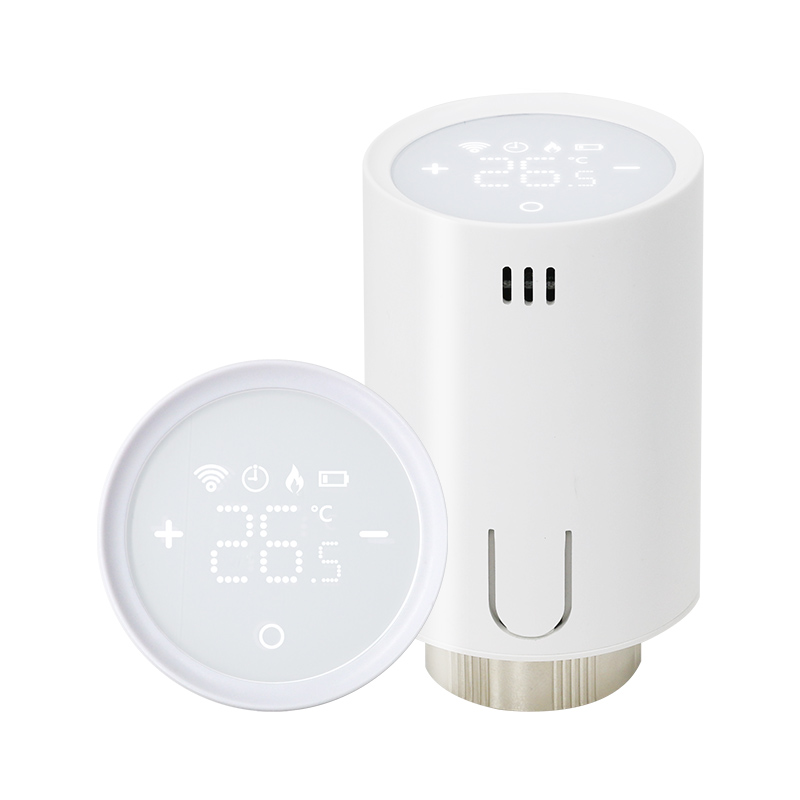
Thermostatic valves use mechanical sensing structures to give radiators self-regulating capability.
- Detecting temperature changes
The internal sensing element expands or contracts according to ambient temperature changes.
- Adjusting hot water flow
When room temperature rises, the valve reduces flow; when it drops, it increases heating output.
- Continuous micro-adjustments
Instead of fully opening or closing, the system constantly fine-tunes flow within a stable range.
- Closed-loop control mechanism
A continuous cycle of sensing, adjusting, and feedback keeps indoor temperature stable.
Energy-Saving Benefits of Installing Thermostatic Valves
Thermostatic valves not only improve comfort but also significantly reduce energy waste.
- Preventing excessive heating
Once the set temperature is reached, heat output is automatically reduced.
- Independent room control
Each room can be set to different temperatures, avoiding uniform heating waste.
- Improved system efficiency
Boilers or heat sources avoid running at full load continuously, reducing overall energy consumption.
- Extended equipment lifespan
Reduced cycling and lower stress help decrease system wear and tear.
Improvements in Living Comfort
The benefits of thermostatic valves are directly noticeable in daily life.
- More stable indoor temperature
Reduces sudden hot-and-cold fluctuations for a more comfortable environment.
- Less localized overheating
Areas near radiators no longer feel excessively hot.
- Better sleeping environment
More stable bedroom temperatures help improve sleep quality.
Installation and Usage Considerations
Although thermostatic valves are simple in structure, proper installation and use are essential.
- Avoid blocking the sensing area
Do not cover with curtains or furniture, as this affects temperature accuracy.
- Choose compatible models
Different heating systems require matching valve specifications.
- Set appropriate temperature levels
Adjust according to actual living needs rather than keeping extreme settings.
- Regular maintenance checks
Ensure smooth valve operation and prevent dust or aging from affecting performance.
Installing thermostatic valves on radiators upgrades heating systems from fixed output to demand-based control. Through temperature sensing and automatic adjustment, they maintain a stable indoor environment while significantly reducing energy waste. As modern buildings increasingly prioritize energy efficiency and comfort, thermostatic valves have become an essential component of HVAC systems. If you want a smarter, more efficient heating solution, E-top provides professional thermostatic valves and HVAC systems to help achieve precise temperature control and improved energy performance.