In modern homes, thermostats have become essential devices for controlling indoor temperature. Using a thermostat scientifically not only improves living comfort but also effectively reduces energy consumption and operating costs. Different seasons and varying family members’ needs necessitate diverse temperature control strategies. Mastering reasonable adjustment methods, combined with family routines and environmental characteristics, can achieve a balance between comfort and energy conservation, while extending the equipment’s lifespan and reducing the risk of malfunction.
How a Thermostat Works
Thermostats sense changes in indoor temperature and automatically control the start and stop of the heating or cooling system. When the room temperature is lower or higher than the set value, the system will activate the corresponding function to adjust the temperature. Maintaining a stable temperature reduces energy consumption and mechanical wear caused by frequent system start-stop cycles. For underfloor heating or central air conditioning systems, temperature changes have a certain delay; planning heating or cooling times in advance helps to ensure a more stable indoor temperature and avoids energy waste. Frequent and drastic temperature adjustments can overload the equipment; maintaining a constant setting is generally more efficient.
Reasonable Setting of Daily Temperature
Setting the temperature range reasonably according to different seasons and usage scenarios can improve comfort and save energy:
- Winter heating: It is recommended to maintain the room temperature between 20℃ and 22℃ to ensure warmth while controlling energy consumption.
- Summer cooling: It is advisable to set the room temperature between 24℃ and 26℃ to avoid discomfort caused by excessive temperature differences between indoors and outdoors.
- At night or during sleep: The temperature can be slightly lowered or raised by 1℃ to 2℃ to improve sleep quality and save energy.
- During periods when no one is living in the house: The temperature can be adjusted to energy-saving mode to avoid maintaining a constant temperature in an empty environment for a long time.
By setting the temperature in different time periods, the thermostat can reduce the system’s operating load and achieve efficient temperature control.
Application of Intelligent Thermostat Mode
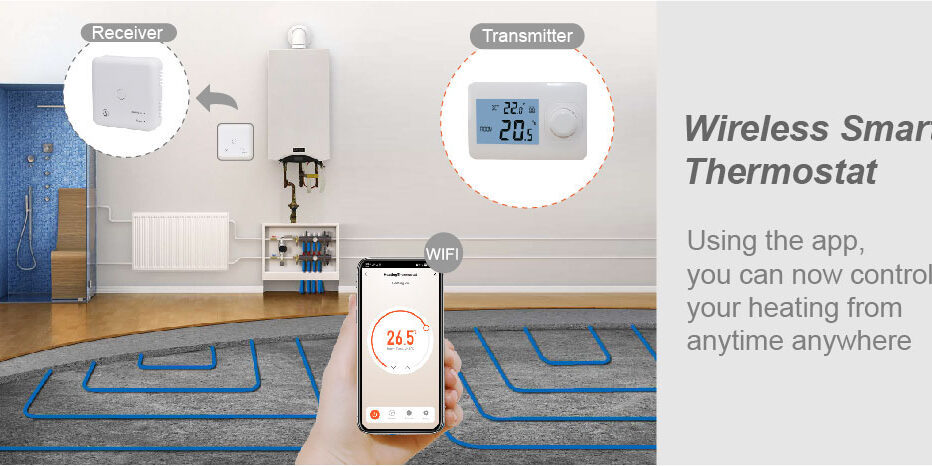
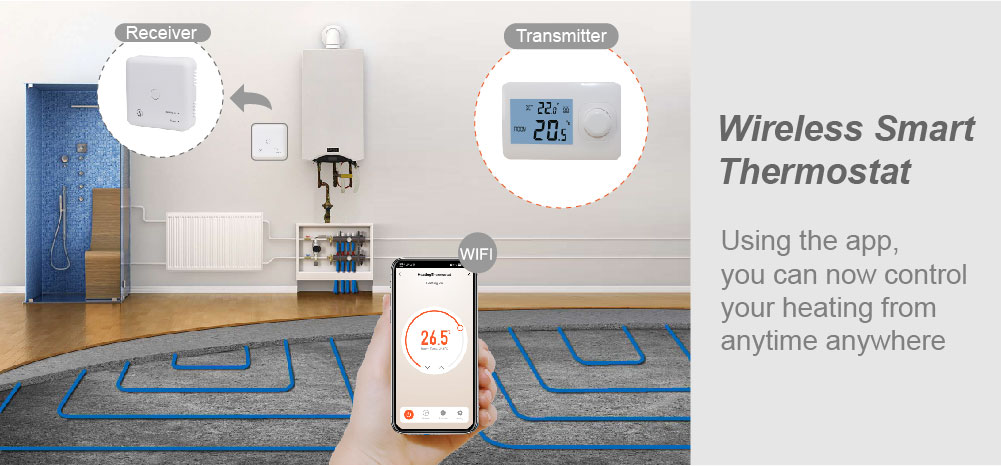
Intelligent thermostats can automatically adjust the temperature according to family routines. By setting different modes for weekdays and weekends, the system can start in advance before getting up or returning home, providing a comfortable environment for the home while reducing the overall operating load throughout the day. Some devices support remote control, allowing users to adjust the temperature at any time via a mobile application to cope with temporary changes. Intelligent thermostats can also optimize operating strategies using historical data, reducing energy consumption fluctuations caused by human intervention. Properly utilizing intelligent functions can achieve both comfort and energy savings.
Auxiliary Measures to Improve Temperature Control
Besides properly adjusting the thermostat, improving the indoor environment can significantly enhance temperature control. Strengthening door and window seals reduces the loss of hot and cold air, making the indoor temperature more stable. Using curtains or sunshades blocks direct sunlight in summer and reduces heat loss in winter. Regularly maintaining air conditioning, boilers, or underfloor heating systems, including cleaning filters and inspecting pipes, ensures efficient operation. Ensure good air circulation around the thermostat and avoid obstructing the temperature sensor to prevent misjudgments. Combining these measures allows the thermostat to reach the set temperature faster and more accurately.
Avoiding Common Adjustment Mistakes
A common mistake when using a thermostat in the home is setting the temperature too high or too low at once, thinking it will speed up the heating or cooling process. In reality, the system’s heating and cooling rate depends primarily on the device’s power and environmental conditions, not the set value. Frequent switching on and off of equipment or drastic temperature adjustments only increase energy consumption and shorten equipment lifespan. Maintaining constant settings and allowing the system sufficient time to adjust are essential for maintaining a comfortable indoor environment and reducing energy waste.
The best way to regulate home temperature with a thermostat is to scientifically set temperature ranges, make reasonable use of smart functions, and coordinate with environmental improvement measures. Through stable operation and time-of-day management, not only can indoor comfort be maintained, but energy consumption can also be significantly reduced, ensuring the thermostat system operates efficiently over the long term and creating a comfortable and energy-saving living environment for the family.