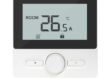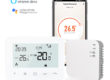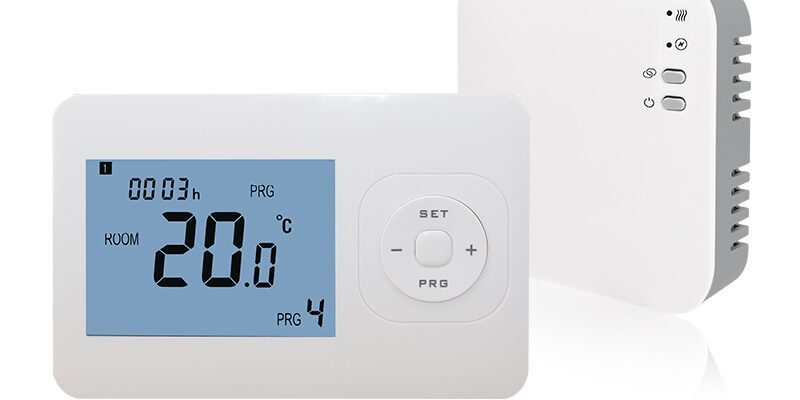
Thermostats play a crucial role in regulating indoor temperature in modern homes and offices, but various malfunctions can still occur during long-term use. Familiarity with common problems and their solutions helps quickly restore the device to normal operation, ensuring indoor comfort and energy efficiency. Whether it’s a traditional mechanical thermostat or a smart electronic thermostat, problems are often related to the installation environment, daily use, and system maintenance. Timely troubleshooting and handling can extend the device’s lifespan.
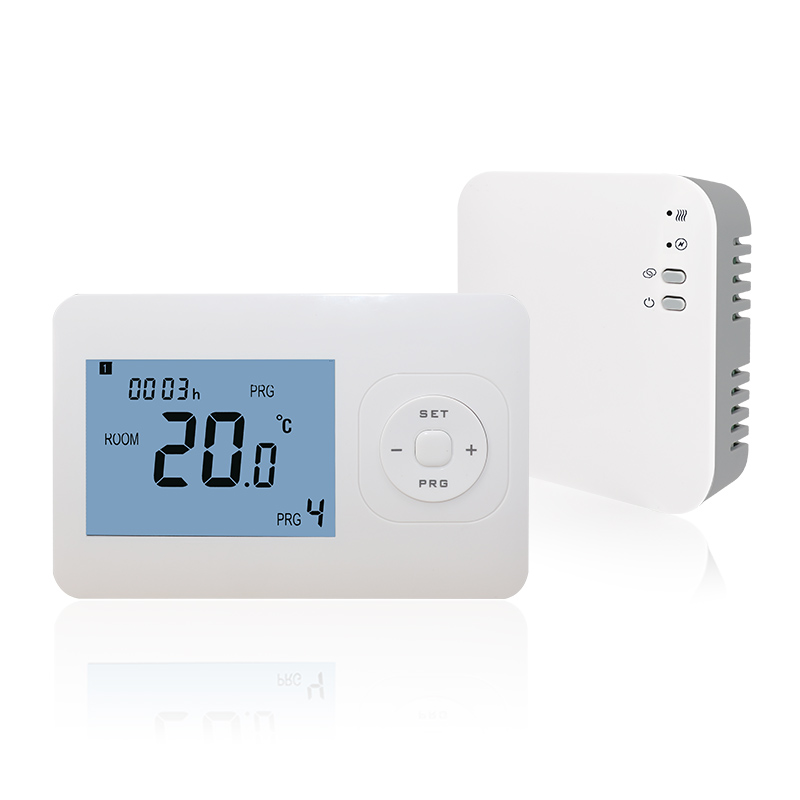
Thermostat Won’t Start or Is Unresponsive
When a thermostat completely fails to start or is unresponsive, common causes include power problems, insufficient battery power, or internal wiring faults. For battery-powered devices, check the battery level and replace it if necessary. For plug-in thermostats, confirm that the power plug is making good contact and that the power line is working properly. If the device still cannot start after ruling out external power supply issues, the internal circuitry or control module may be faulty, requiring professional repair. Keeping the surrounding environment dry and stable can reduce the risk of short circuits or circuit damage.
Abnormal Temperature Display or Inaccurate Adjustment
Incorrect temperature display or significant deviation between the actual temperature and the set value are common problems during use. The solutions are as follows:
- Sensor Calibration Issues: Check if the internal temperature sensor of the thermostat is misaligned or obstructed. Adjusting its position can improve temperature control accuracy.
- Environmental Interference: Radiators, air conditioner vents, or direct sunlight may affect temperature measurement. Avoid placing the thermostat in these areas.
- System Errors or Aging: Electronic components may develop errors over time. Restoring factory settings or updating the software can improve reading deviations.
- Manual Reset: Some devices provide a reset button. Following the instructions allows for recalibrating the internal temperature control program.
These methods can effectively solve the problems of abnormal temperature display and inaccurate adjustment.
Frequent Thermostat Start-Stops
If the device is found to start and stop frequently within a short period, it may be due to the temperature setting being too close to the current room temperature, large fluctuations in ambient temperature, or an overly sensitive system response. Appropriately adjusting the temperature setting range and avoiding excessively small setting intervals can reduce mechanical wear and energy consumption caused by frequent start-stops. For intelligent thermostats, timer or learning modes can be used to allow the device to automatically optimize its operation based on daily routines, reducing unnecessary frequent switching. Simultaneously checking the heating or cooling system pipes and equipment for blockages or abnormal pressure can also improve start-up frequency.
Thermostat Error Codes or Alarms
Some modern thermostats are equipped with error code or alarm functions to indicate equipment problems. When encountering error codes, refer to the product manual and check each code’s meaning systematically. For example, sensor malfunctions, communication abnormalities, system overheating, or voltage abnormalities usually have clear indications. By referring to the manual, users can perform some simple operations themselves, such as reconnecting wiring or replacing sensors; complex faults or those involving internal electronic components require contacting a professional technician. Keep the thermostat and its control circuitry dry and clean to avoid environmental factors causing false alarms or malfunctions.
Routine Maintenance and Preventive Measures
In addition to troubleshooting and handling faults, regular maintenance of the thermostat can prevent problems from occurring. Keep the device surface clean, preventing dust from covering sensors or buttons, and regularly check the battery or power supply lines to ensure secure connections. Avoid installing thermostats in environments with excessively high humidity or drastic temperature fluctuations to help ensure stable operation. For smart devices, maintaining software updates and system calibration can improve response accuracy and reduce false alarms. Routine maintenance and proper use can effectively reduce the failure rate, allowing the thermostat to maintain stable performance over the long term.
Common thermostat malfunctions and solutions mainly include problems such as inability to power on, abnormal temperature display, frequent start-stop cycles, and alarm prompts. Through proper troubleshooting, appropriate adjustments, and regular maintenance, thermostat systems in home or office environments can quickly return to normal operation, maintain comfortable temperatures, and extend equipment life, thereby improving efficiency and energy management.