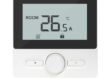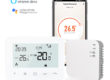
Thermostats are widely used in modern homes and industrial equipment. Whether it’s air conditioning systems, underfloor heating systems, or laboratory temperature control systems, they all rely on thermostats to achieve stable temperature control. A stable thermostat not only maintains a comfortable ambient temperature but also improves equipment operating efficiency and reduces energy consumption. There are many types of thermostats on the market, with different models varying in function, accuracy, and applicable scenarios. When choosing a suitable product, it’s necessary to consider actual usage needs and fully understand the key parameters and functions to ensure long-term stable operation of the temperature control equipment.
Temperature Control Accuracy and Stability
Temperature control accuracy is one of the important indicators for evaluating thermostat performance.
- Temperature Control Accuracy
High-precision thermostats can maintain a small error range around the set temperature, which is especially important for places requiring a stable temperature environment, such as laboratory equipment or precision instruments.
- Temperature Fluctuation Rang
High-quality thermostats exhibit small temperature fluctuations during operation, maintaining a stable ambient temperature and avoiding frequent fluctuations that could affect the equipment or user experience.
- Sensor Quality
Temperature sensors are a crucial component of thermostats. High-quality sensors can more accurately detect changes in ambient temperature, thereby improving control performance.
- Applicable Environment and Installation Method
Different environments have different requirements for thermostats. For example, home air conditioning systems, industrial equipment, or greenhouse environments have different functional requirements for temperature control equipment. When purchasing, it is necessary to understand the applicable scope of the equipment, including factors such as operating temperature range, humidity adaptability, and installation method. Some thermostats are designed for wall-mounted installation, while others are suitable for embedded or internal installation. Choosing the appropriate type based on the actual usage scenario can improve ease of use and ensure stable temperature control.
Functional Configuration and Operation Method
With the development of smart devices, the functions of thermostats have become more diverse.
- Programmable Temperature Control Function
Some thermostats support time programming, which can automatically adjust the temperature according to different time periods, improving comfort and contributing to energy saving.
- Intelligent Control and Remote Operation
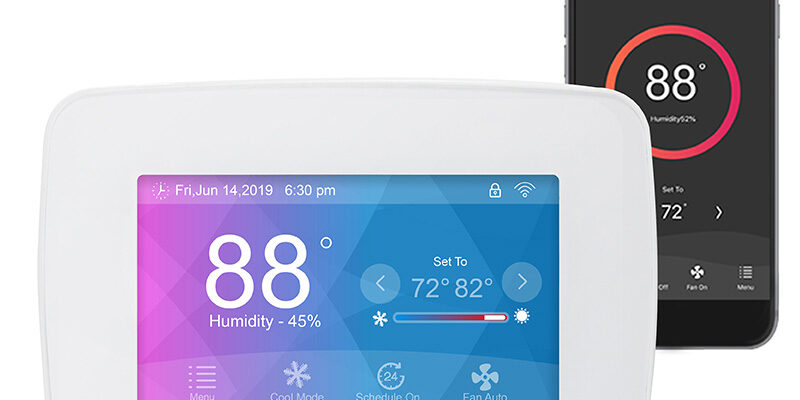
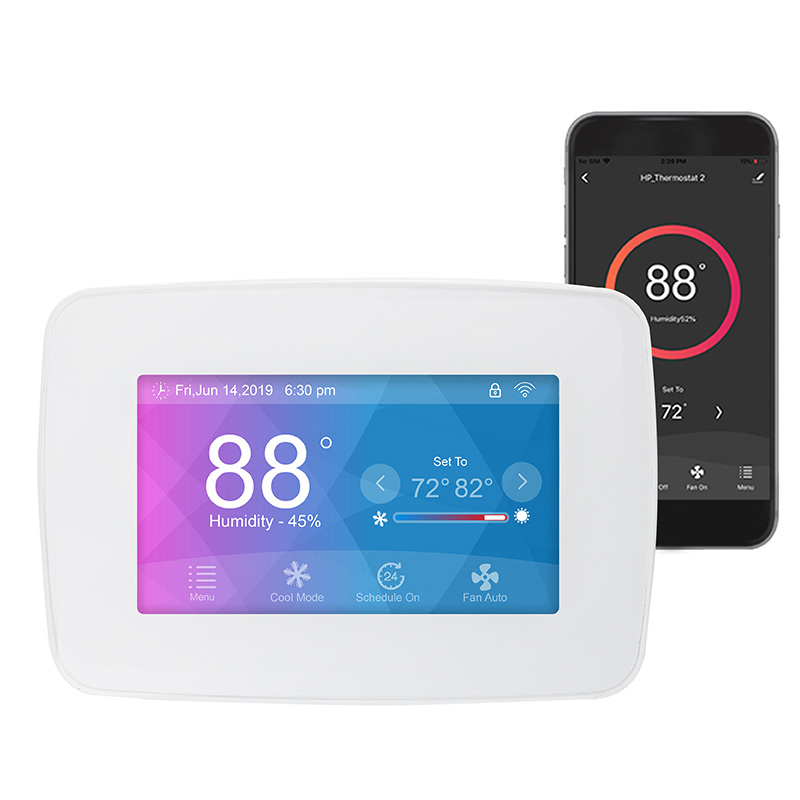
Smart thermostats can be remotely controlled via mobile applications, allowing users to easily adjust temperature settings at any time.
- Multi-mode operation
Some products support cooling, heating, and automatic mode switching to adapt to different seasons and environmental needs.
Energy Consumption and Energy Saving Effect
Thermostats not only affect temperature control but also energy consumption. Stable temperature control devices can reduce frequent start-ups and shutdowns by precisely adjusting the temperature, thus reducing energy waste. Energy-saving thermostats typically have more intelligent control systems that can automatically adjust their operating status according to environmental changes, maintaining a comfortable temperature while reducing unnecessary energy consumption. For long-term air conditioning or heating systems, the energy-saving effect will show significant advantages over long-term operation.
Brand Quality and After-sales Service
When purchasing a thermostat, product quality and after-sales service are equally important. Well-known brands usually have stricter requirements in product design, manufacturing processes, and quality testing, resulting in higher equipment stability. Good after-sales service provides timely support when equipment malfunctions or requires maintenance, reducing potential problems during use. For temperature control systems requiring long-term stable operation, reliable product quality and a comprehensive service system provide users with a more reassuring user experience. By comprehensively considering factors such as temperature control accuracy, applicable environment, functional configuration, energy consumption, and brand quality, it is easier to select a thermostat product that suits your needs. A suitable device selection not only improves temperature control performance but also provides a more stable temperature environment for daily life and equipment operation.