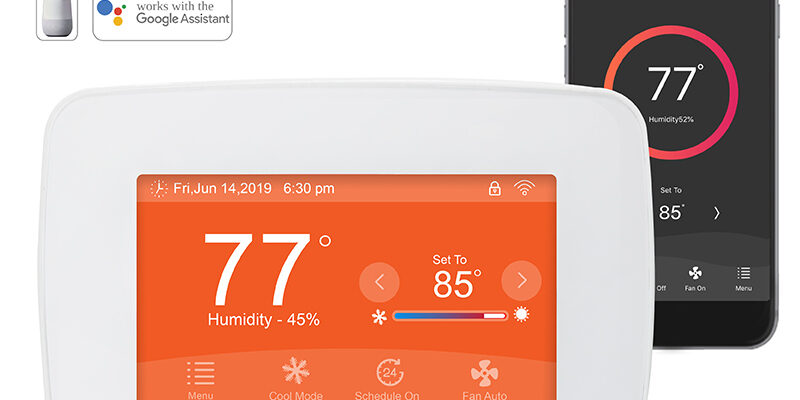
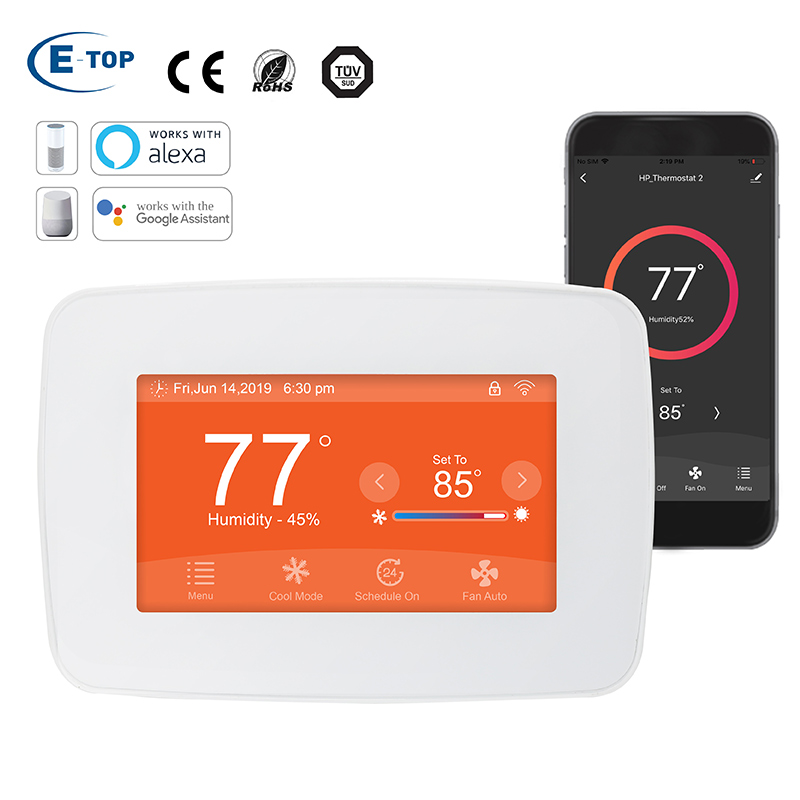
Thermostats play a crucial role in home heating systems, air conditioning equipment, underfloor heating systems, and industrial temperature control equipment. The equipment monitors ambient temperature and controls the operation of heating or cooling systems to maintain the environment within a set range. During long-term operation, lack of maintenance can lead to problems such as inaccurate temperature control, decreased response speed, or abnormal equipment operation. Proper maintenance and care not only ensure the thermostat’s operational stability but also extend its lifespan and improve the overall efficiency of the temperature control system.
Regular Equipment Cleaning
Thermostats are constantly in the working environment, and dust or impurities easily accumulate on their surface and inside, affecting temperature detection and equipment operation.
- Clean the outer casing and display panel
Dust accumulation on the equipment surface may affect button or touch operation. Wiping with a clean, soft cloth can keep the equipment’s appearance clean and prevent dust from entering the interior.
- Keep the sensor area clean
The temperature sensor is a critical component of the thermostat, and dust accumulation can affect the accuracy of temperature sensing. Regularly checking the sensor area helps maintain temperature control accuracy.
- Avoid Humid Environments
When using the equipment in a humid environment, take precautions to prevent moisture from entering the equipment, which could affect the normal operation of electronic components.
Check Temperature Settings and Calibration
After long-term operation, the temperature displayed by the thermostat may differ from the actual ambient temperature. Regularly checking the accuracy of the equipment’s temperature settings and performing necessary calibrations on the temperature control system can ensure that the equipment maintains correct temperature control. If a large temperature deviation is found, calibration can be performed through the equipment settings, or a professional technician can be contacted for testing and adjustment. Accurate temperature control not only improves user comfort but also reduces energy waste.
Check Power Supply and Connections
The stable operation of the thermostat depends on a reliable power supply and connection lines.
- Check Power Connections
If the equipment fails to start or displays abnormally, it may be related to a loose power connection. Regularly checking the power cord and interface can reduce such problems.
- Confirm Stable Connections
For thermostats connected to air conditioning or heating systems, the stability of the connection directly affects the equipment’s control function.
- Check Battery Status
Some thermostats are battery-powered. Insufficient battery power can affect normal operation. Replacing the battery promptly can prevent sudden power outages.
Maintain a Reasonable Installation Location
The installation location of the thermostat directly affects temperature detection. If the device is installed in direct sunlight, near a heat source, or in a location with strong airflow, temperature detection may be inaccurate. A reasonable location should avoid strong sunlight and heat source interference, while maintaining good air circulation so that the device can accurately detect the ambient temperature. A stable installation environment helps the thermostat better control the entire temperature control system.
Regularly Check System Operation Status
Thermostats are not only independent devices but also need to work in conjunction with heating or cooling systems. Therefore, the system operation status also needs to be monitored.
- Observe the Device Response Speed
When the temperature changes, the thermostat should be able to start or stop the relevant equipment promptly. If the response is slow, it may need to be checked.
- Monitor Temperature Control Stability
If the ambient temperature fluctuates frequently, it may indicate a problem with the temperature control system, requiring checking the thermostat settings or the status of related equipment.
- Pay attention to abnormal sounds or alarm prompts
Some intelligent thermostats have fault indication functions; when abnormal situations occur, the device will issue a reminder, which should be addressed promptly.
Extending Equipment Lifespan
Proper maintenance habits can help thermostats maintain stable performance. Avoiding frequent temperature settings, keeping the device clean, and regularly checking the system status can all reduce the burden on the equipment. For temperature control systems used for a long time, good maintenance can not only reduce the occurrence of malfunctions but also improve equipment operating efficiency. A stable and reliable thermostat can provide continuous and stable temperature control for home or work environments, ensuring the efficient operation of the entire temperature control system.