
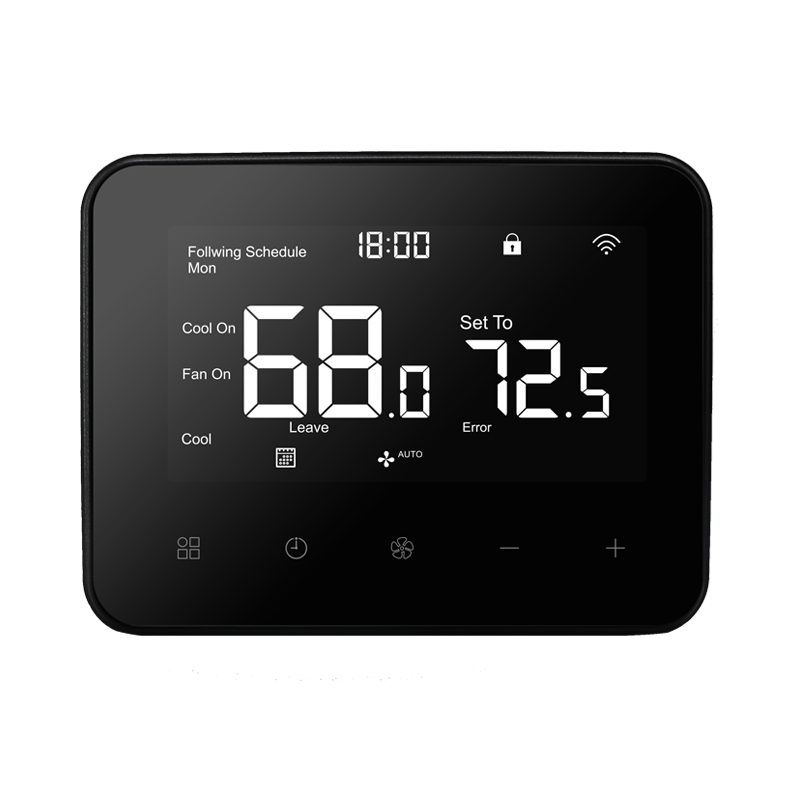
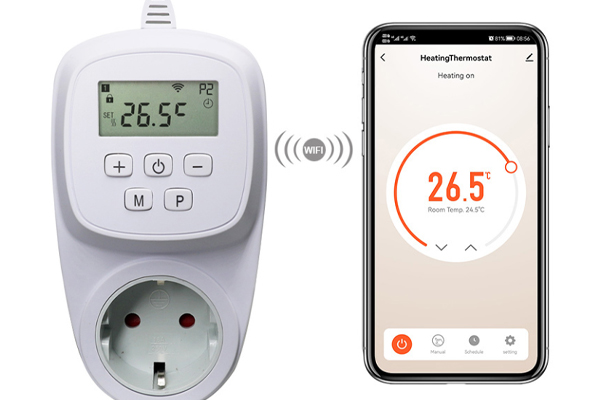
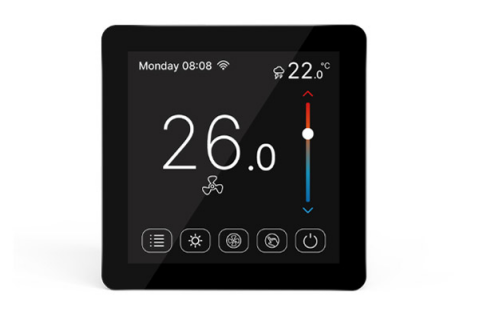
Thermostats play a central role in residential and commercial heating systems, regulating indoor temperature to improve comfort and energy efficiency. With technological advancements, wireless RF thermostats have gradually become the mainstream in the market, offering significant differences in ease of operation and functionality compared to traditional wired or mechanical thermostats. Understanding these differences helps in making informed choices when purchasing and using a thermostat system that better meets actual needs.
Differences in Operation and Control Methods
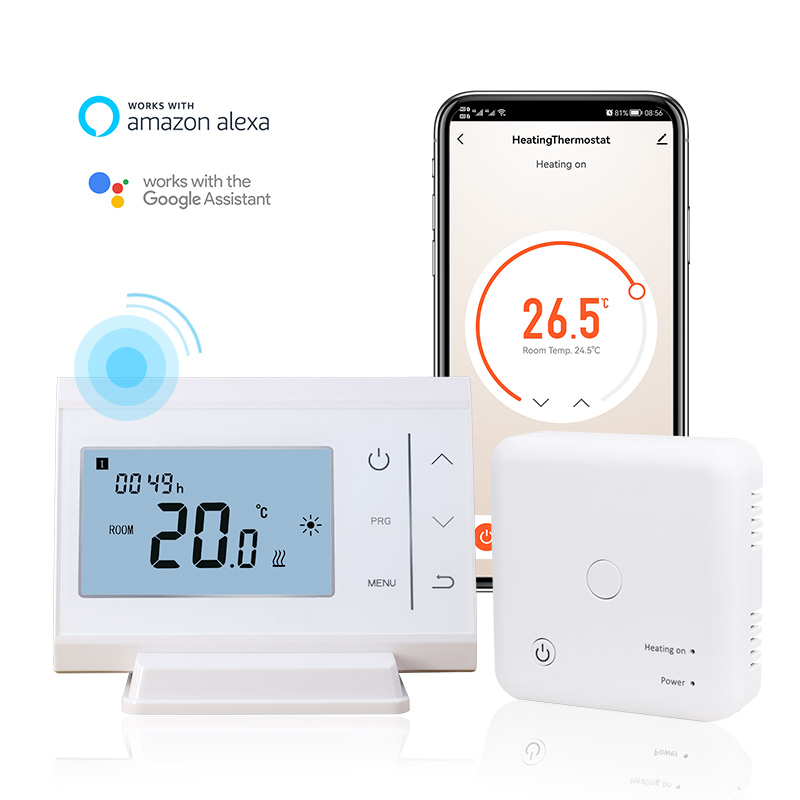
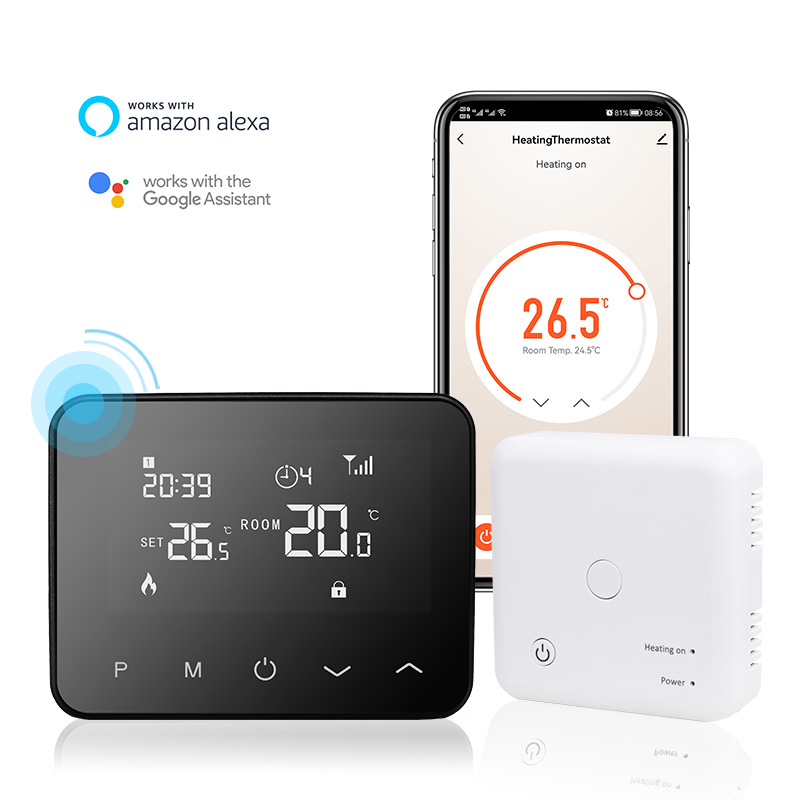
Traditional thermostats typically use mechanical knobs or fixed panels for control, connected to heating equipment via wiring. Temperature adjustment requires physical operation. Wireless RF thermostats, on the other hand, transmit data wirelessly, allowing for remote temperature control. Users can adjust the temperature in real-time via handheld panels, smartphones, or other network-connected devices, offering greater flexibility and convenience. Wireless control reduces reliance on wiring and allows for flexible temperature settings in different rooms, enabling independent management of multiple rooms.
Differences in Functionality and Intelligence
Wireless RF thermostats generally offer richer functionality, supporting features such as timer switching, temperature curve settings, energy-saving modes, and remote monitoring.
- Timed Adjustment: Automatically adjusts room temperature according to schedule, saving energy.
- Remote Control: Enables temperature management anytime, anywhere via mobile phone or tablet.
- Independent Room Settings: Each room can have its own temperature set for comfortable and balanced operation.
- Data Recording and Analysis: Some smart thermostats can record temperature changes, providing a reference for energy saving.
- Energy-Saving Optimization Mode: Automatically adjusts operating time and power to reduce energy consumption.
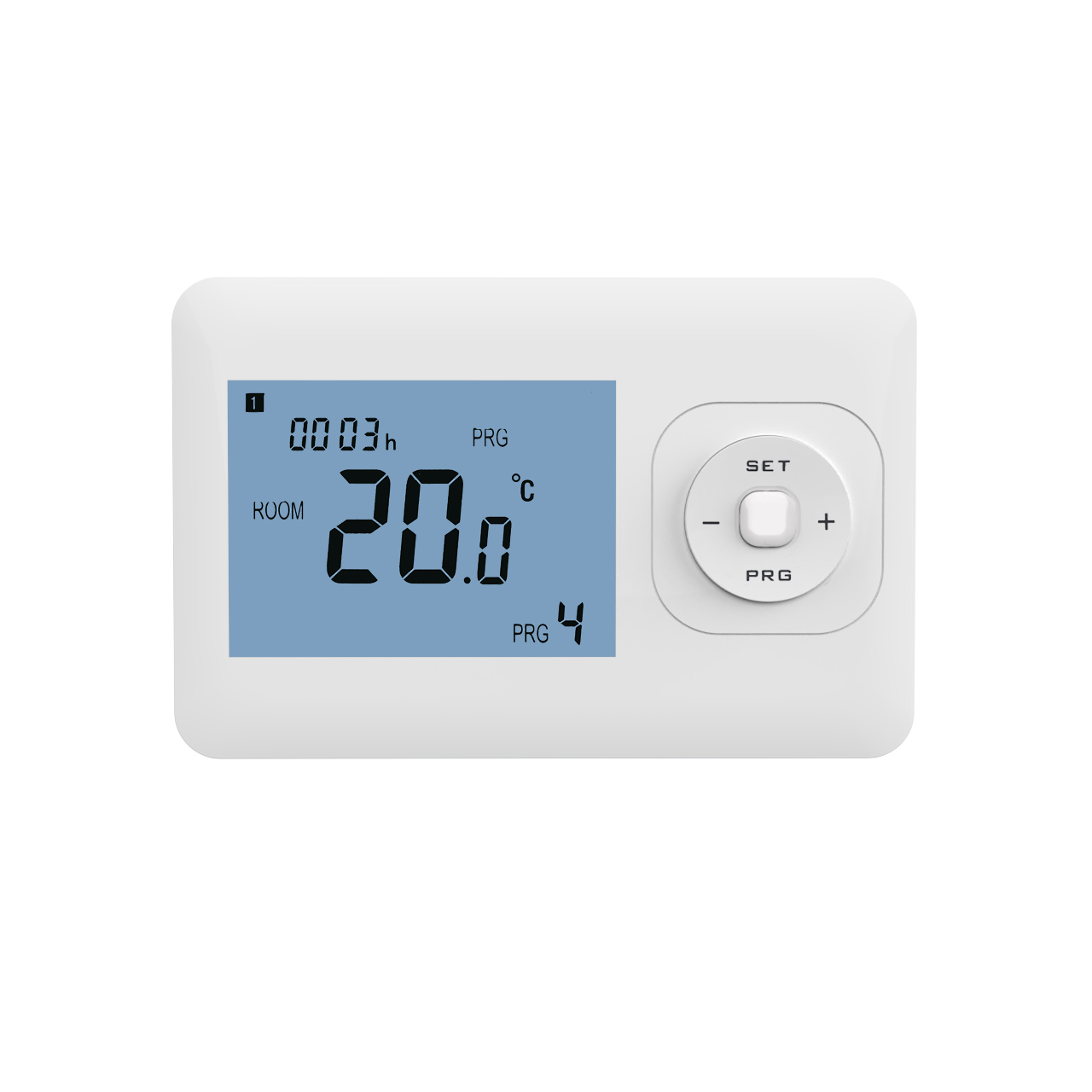
In contrast, traditional thermostats have relatively limited functions, mainly limited to basic temperature adjustment, lacking remote operation and intelligent management capabilities.
Differences in Installation and Maintenance
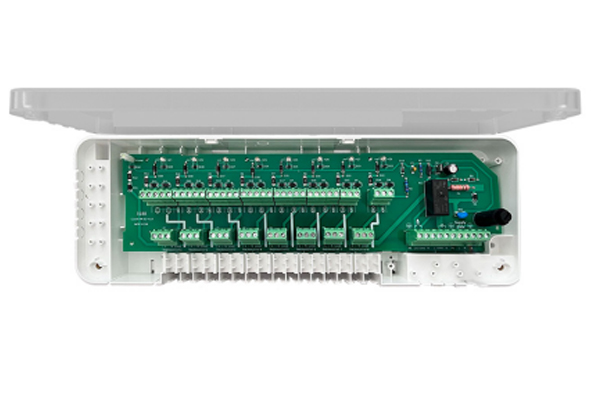
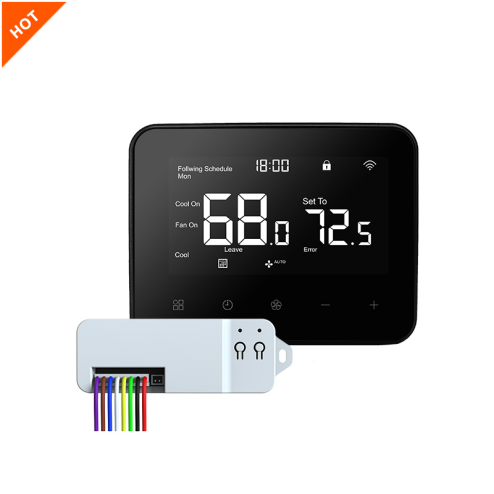
Wireless radio frequency thermostats are more flexible in installation, requiring no complex wiring; simply pair the thermostat with the receiver. Installation is usually simple and quick, suitable for renovations or new construction. Traditional thermostats require pre-laid wiring in fixed locations, making installation more difficult and costly. In terms of maintenance, wireless thermostats require regular battery replacement or signal stability checks, while traditional thermostats mainly focus on wiring safety and the condition of mechanical components.
User Experience and Convenience
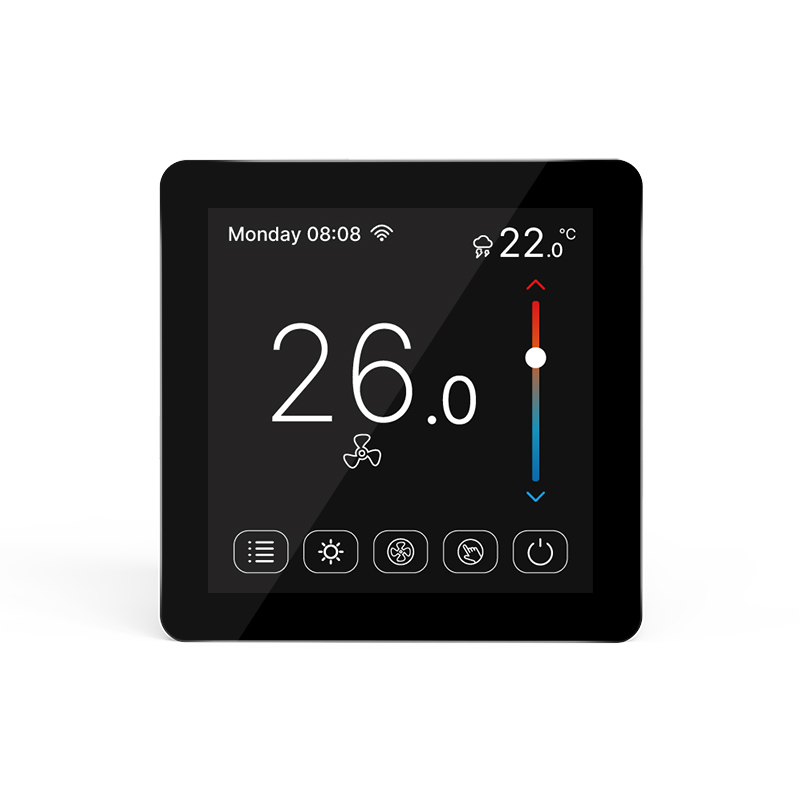
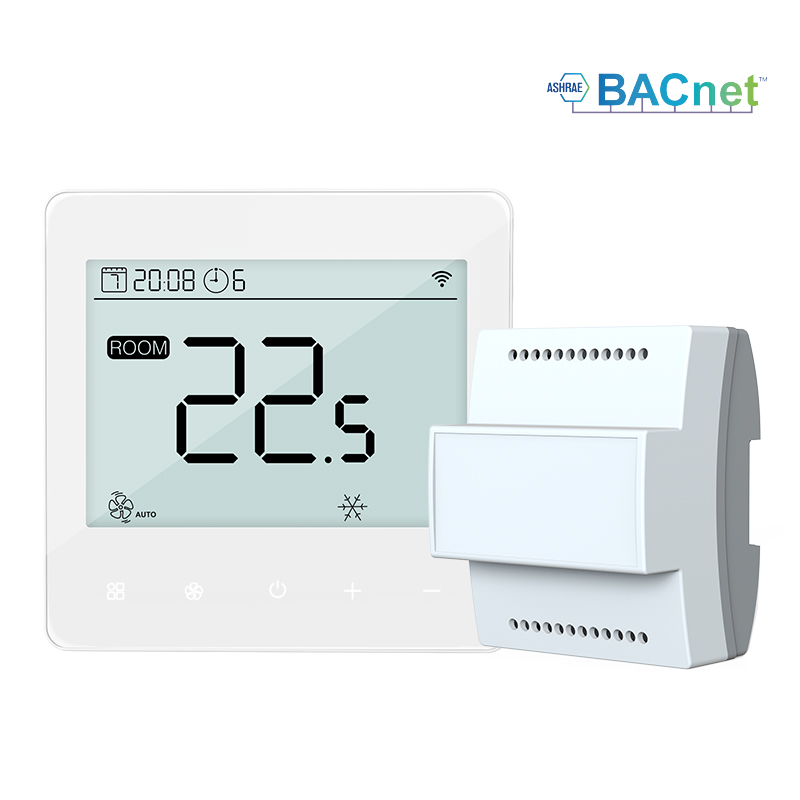
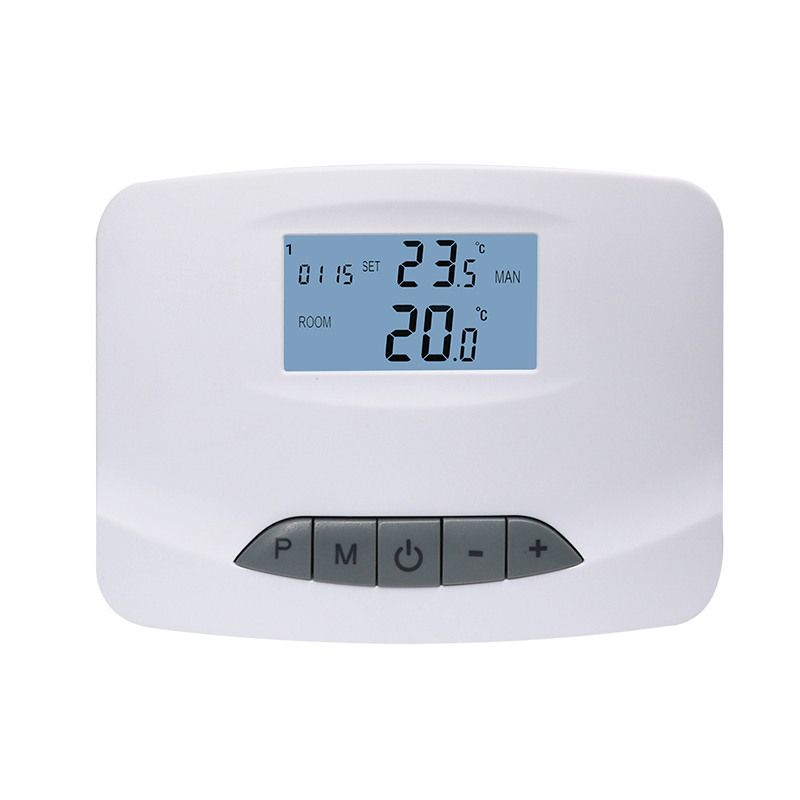
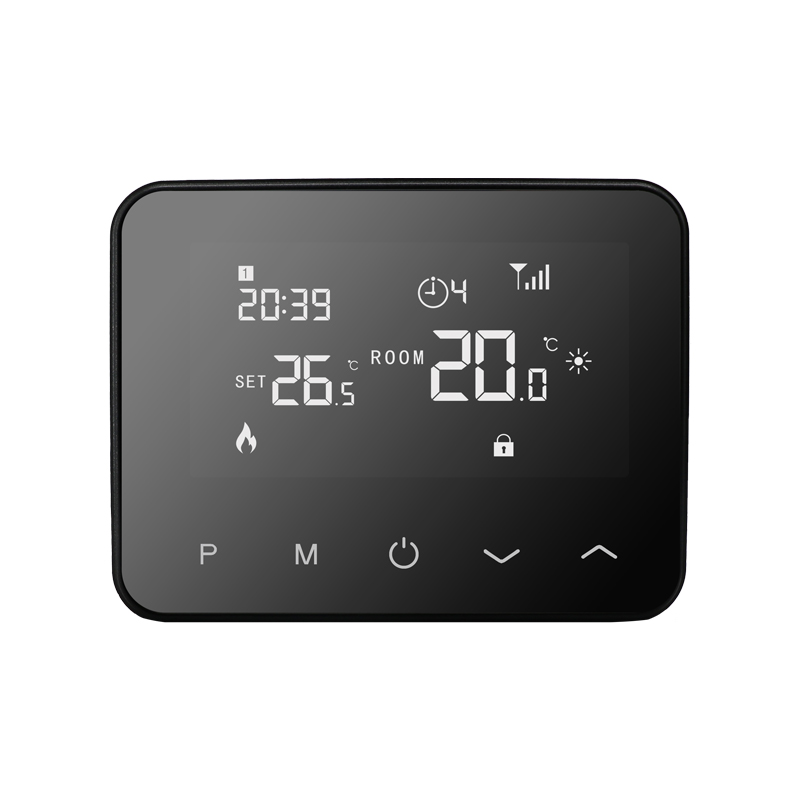
Wireless radio frequency (RF) thermostats offer a more intuitive user experience. Users can adjust the temperature remotely from a comfortable environment without having to physically go to the control panel. Thermostat interfaces often use LCD screens or touch panels, displaying real-time temperature, setting status, and battery information, providing clearer feedback. Traditional thermostats typically have simple interfaces with limited information display, requiring physical contact with the panel or knobs. The significant difference in convenience and interactivity makes wireless RF thermostats more popular in modern homes and offices.
Energy Saving and Intelligent Control
Wireless RF thermostats optimize heating equipment operation time and reduce unnecessary energy consumption through precise temperature control and intelligent scheduling. Multi-room independent adjustment allows different areas to maintain a comfortable temperature while avoiding energy waste. Some devices, combined with weather forecasts and usage habit analysis, can automatically adjust temperature strategies for high energy efficiency. Traditional thermostats lack intelligent control functions, relying solely on manual operation, resulting in limited energy control effectiveness. By using wireless RF thermostats appropriately, users can achieve better energy savings while improving comfort.