
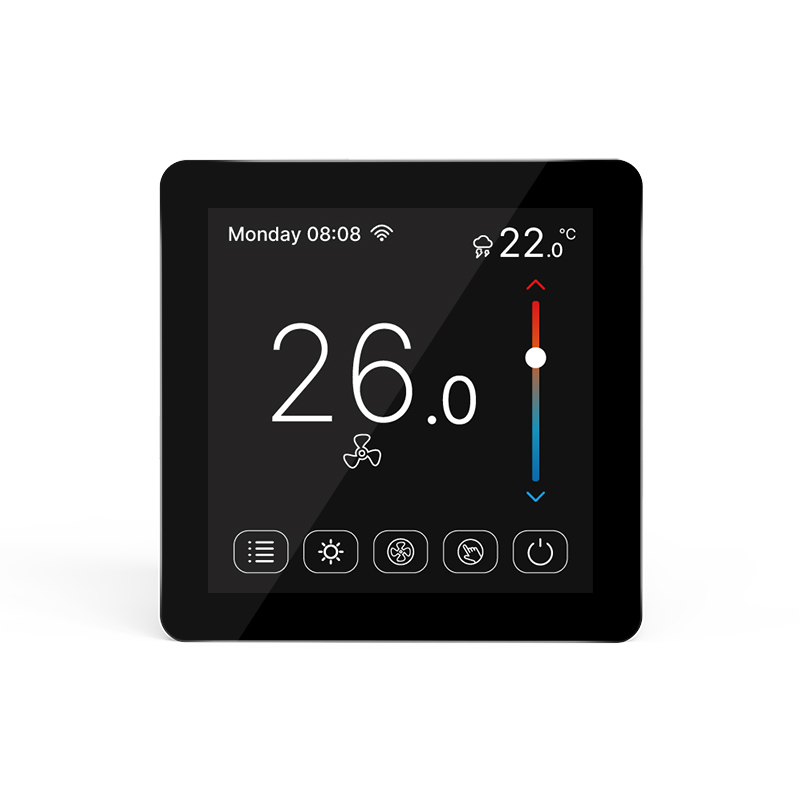
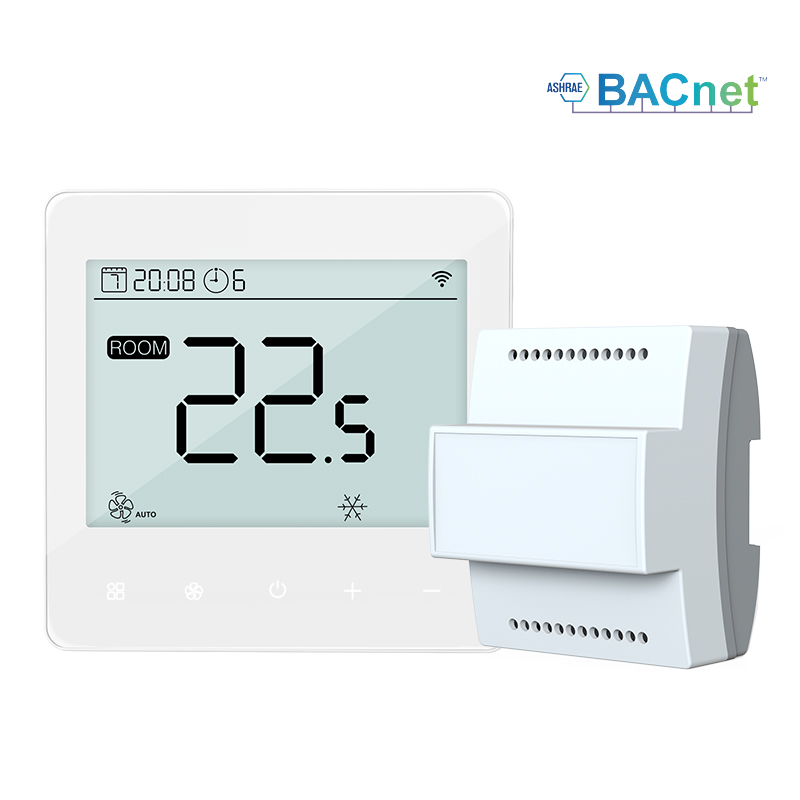
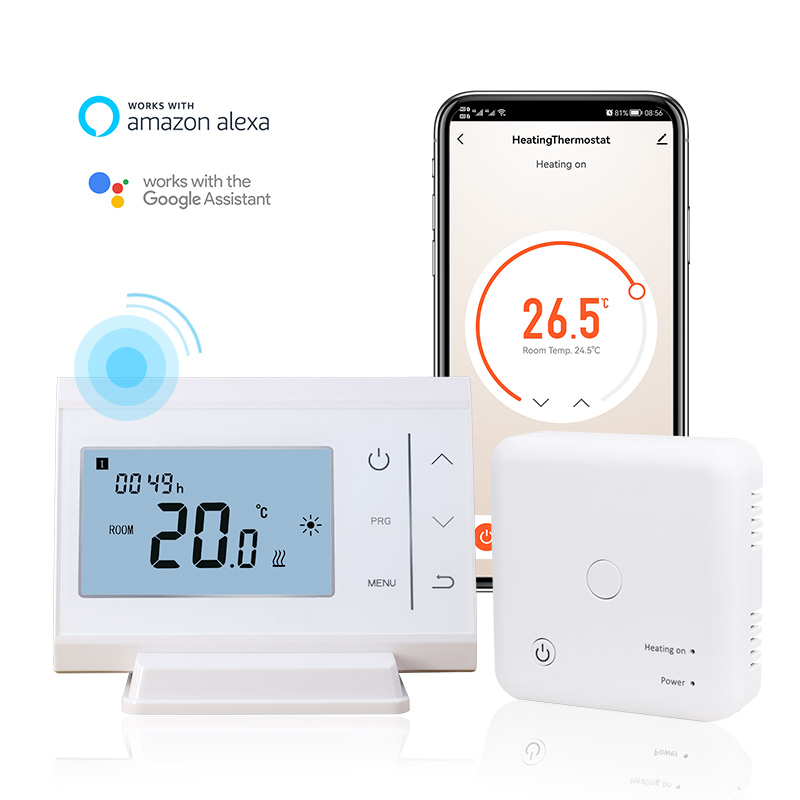
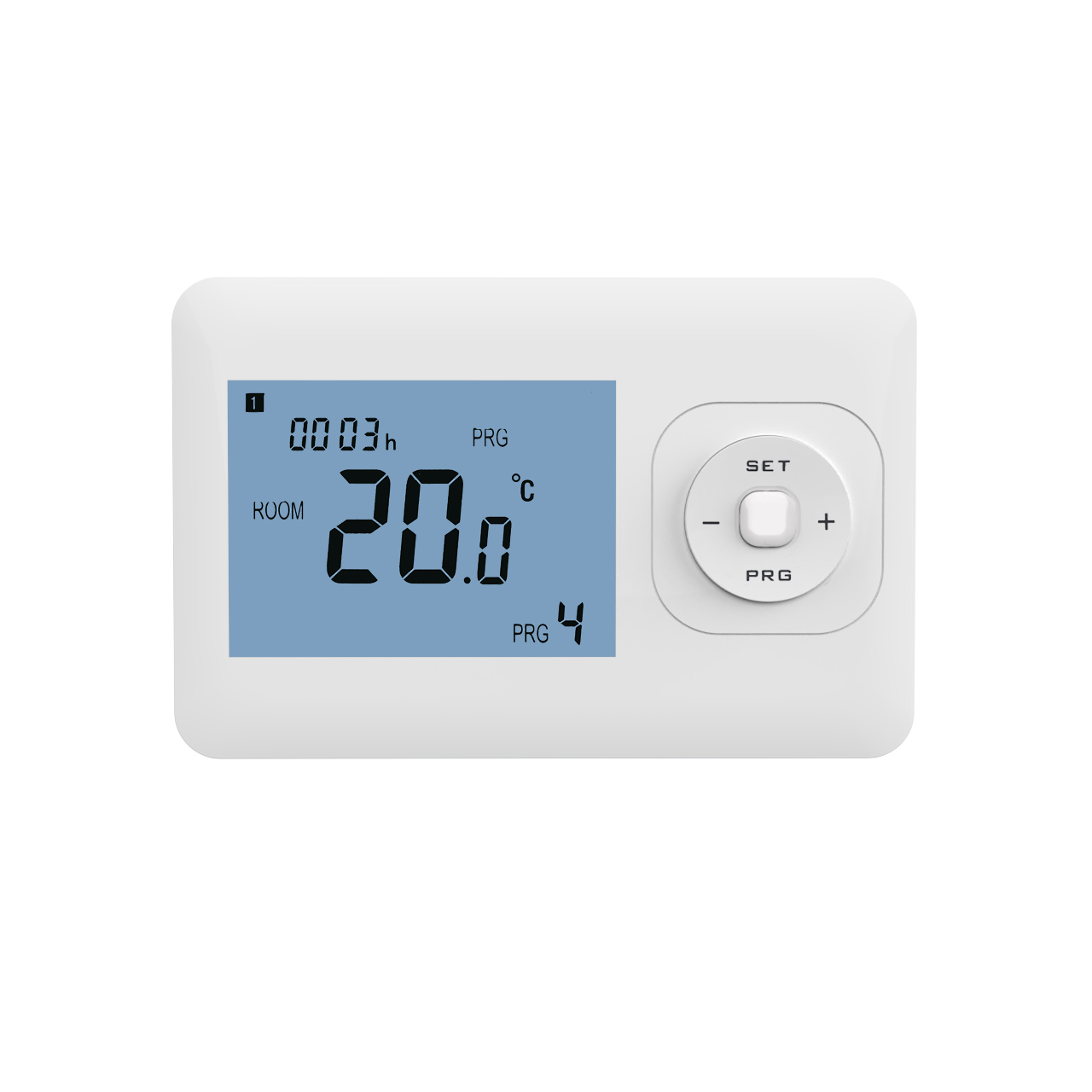
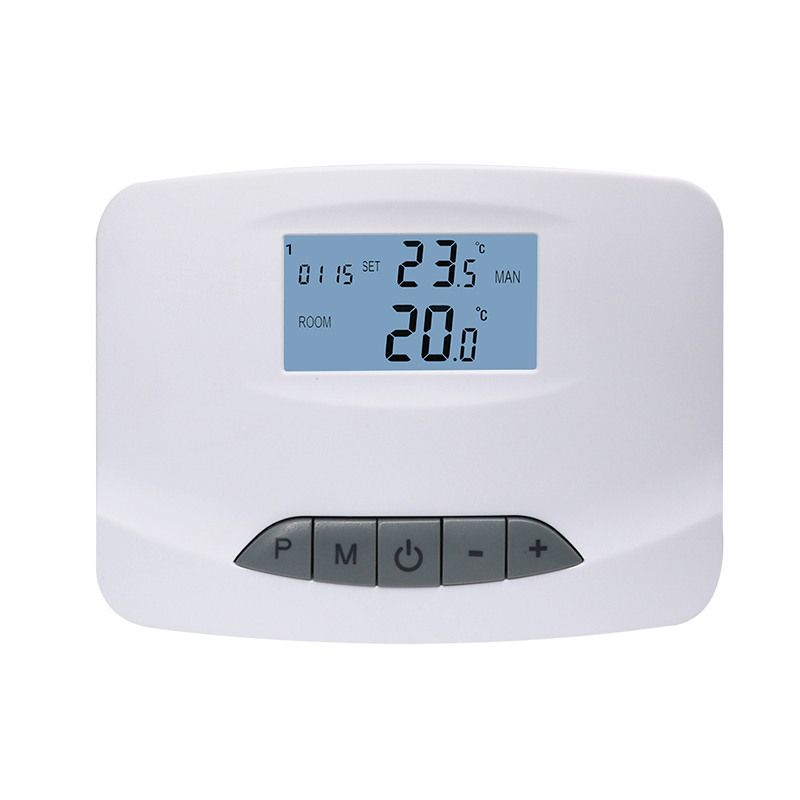
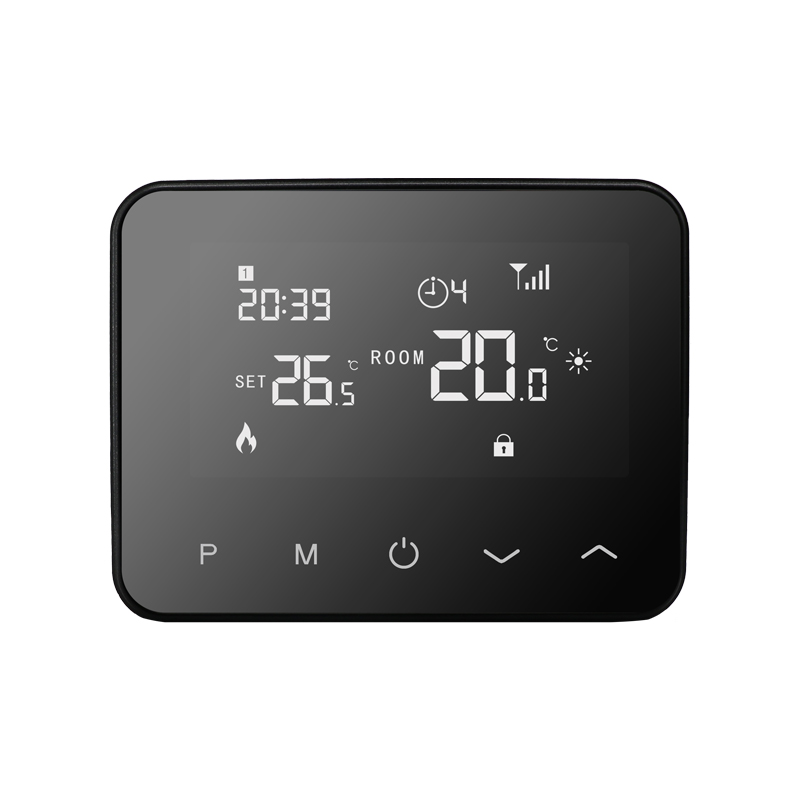
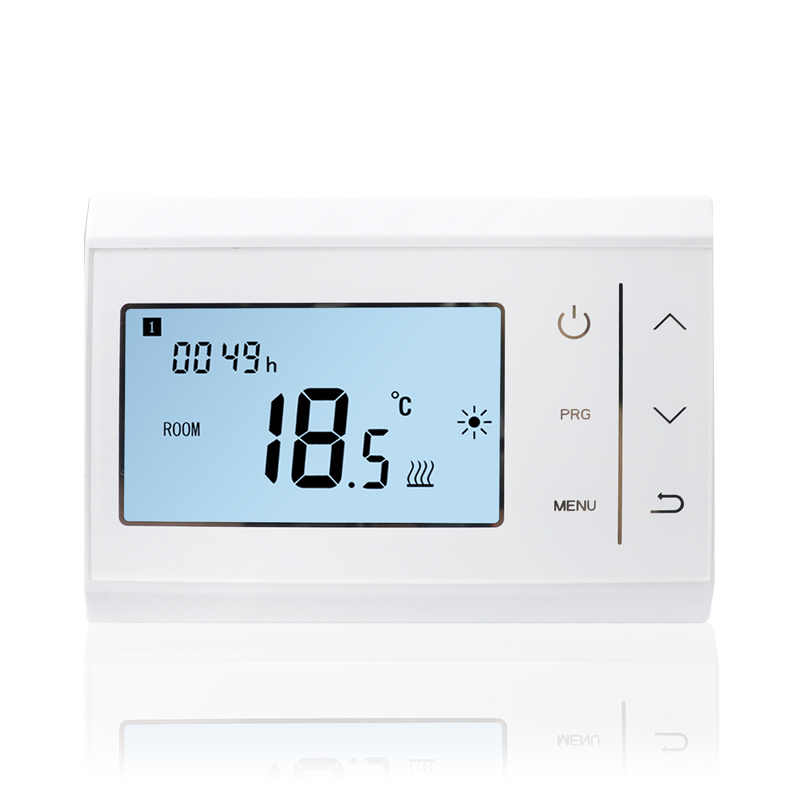
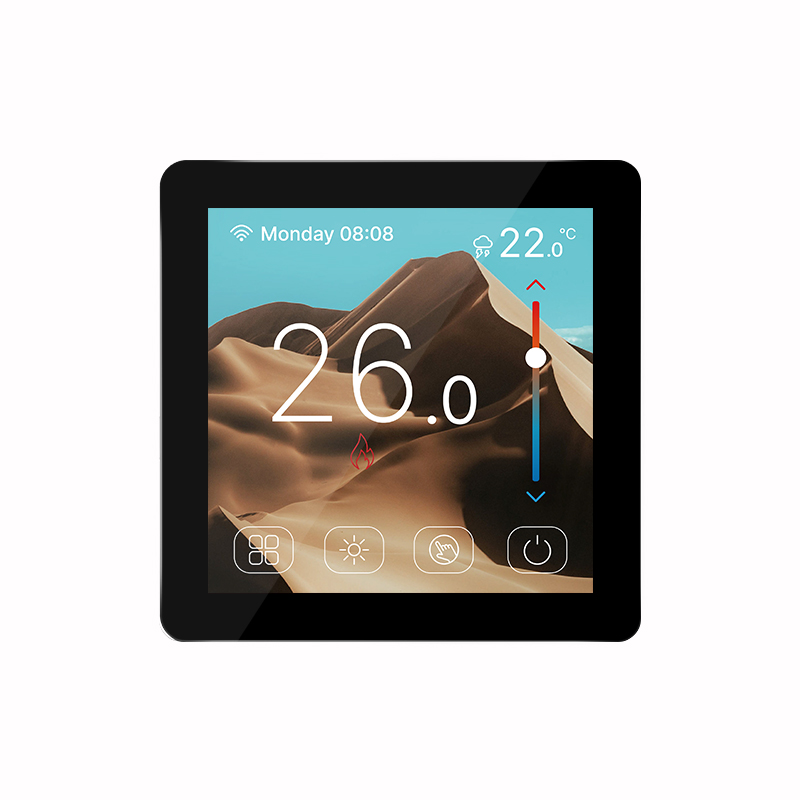
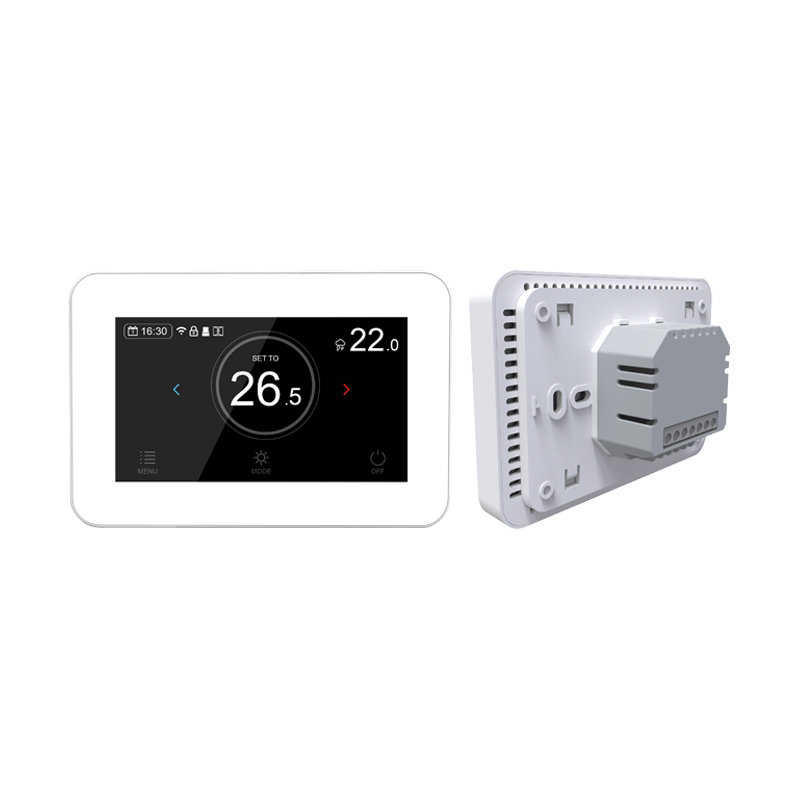
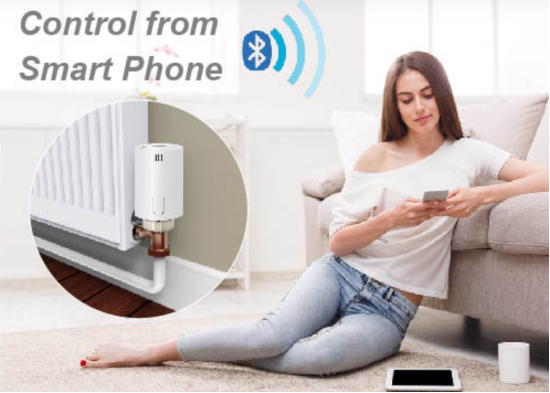
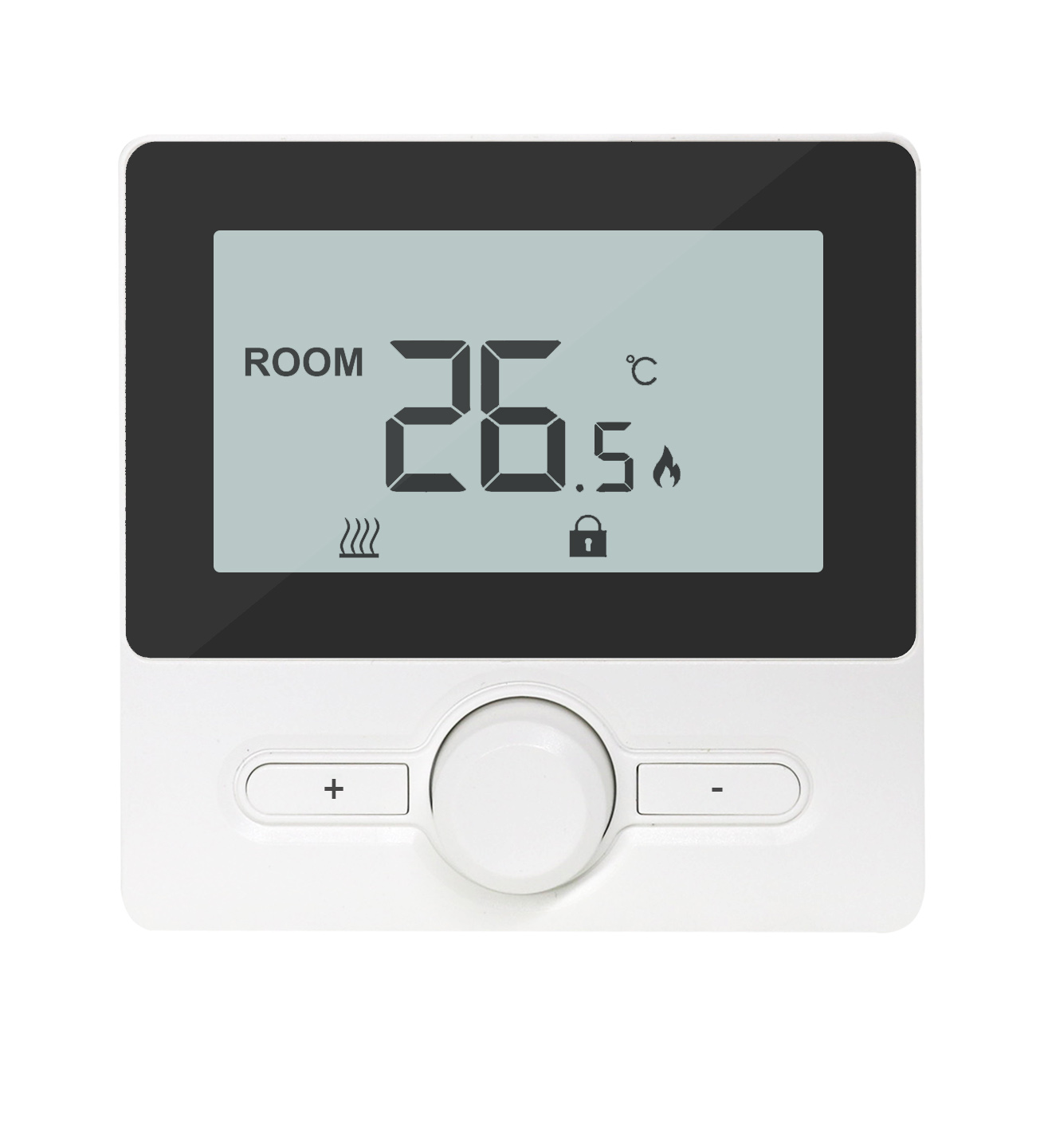
In the daily use of heating or cooling equipment, the needs of different time periods, environments, and occupants often vary significantly. A single, static method of temperature control struggles to accommodate these shifting requirements over the long term; it is against this backdrop that smart thermostats have gradually gained prominence. When making a selection, many users pay particular attention to whether a device supports multi-mode operation, as this directly impacts both operational flexibility and overall comfort. Multi-mode functionality implies not only a wider range of choices but also the device’s capacity to adapt to more complex real-life scenarios. By gaining a deeper understanding of a smart thermostat’s capabilities, users can better anticipate its performance in practical applications, thereby identifying a solution that aligns more closely with their specific needs—making temperature management both effortless and efficient.
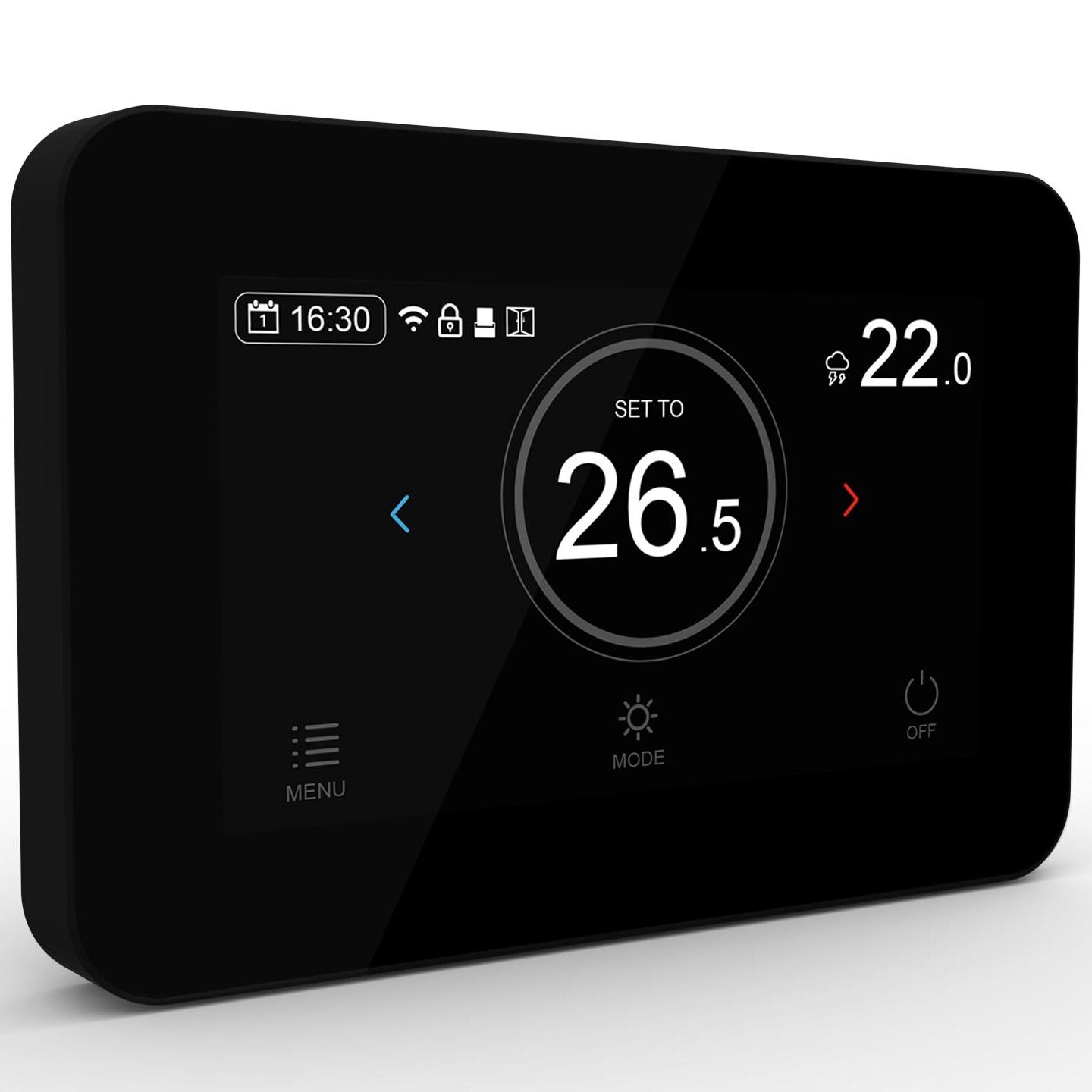
Multi-Mode Functionality Meets Diverse Usage Scenarios
Smart thermostats adapt to varying environmental requirements through a variety of operating modes.
- Comfort Mode offers a stable experience:It maintains a constant temperature during daily use, making the living space more habitable.
- Energy-Saving Mode reduces energy consumption:It minimizes energy usage while still ensuring that basic comfort needs are met.
By switching between modes, users can flexibly adjust the device’s operation to suit actual conditions.
Scheduling and Programming Modes Enhance Automation
Multi-mode functionality extends beyond mere selection; it also encompasses advanced automated control capabilities.
- Scheduled Mode suits regular routines:The device operates automatically according to a preset schedule, eliminating the need for frequent manual adjustments.
- Cyclical Programming enables long-term planning:Users can configure distinct temperature strategies based on their weekly schedule.
The inclusion of automated modes makes the user experience significantly easier and more hassle-free.
Flexible Switching Between Manual and Smart Modes
Different users often have distinct preferences regarding how they control their devices.
- Manual Mode facilitates immediate adjustments: It is ideal for situations where temperature requirements change unexpectedly or temporarily.
- Smart Mode enables automatic regulation: The system dynamically adjusts settings in response to changes in the surrounding environment.
This flexible switching capability ensures users can enjoy the best of both worlds: convenience and intelligent automation.
Multi-Mode Functionality Enhances Overall Comfort
The distinct experiences offered by different modes have a direct impact on user comfort and satisfaction.
- Timely adjustments based on environmental changes:This ensures that indoor temperatures remain consistently within a comfortable range.
- Reduced discomfort caused by temperature fluctuations:Smooth, consistent operation contributes to a more pleasant living environment.
The availability of multiple modes ensures that temperature control remains closely aligned with the practical demands of daily life.
Strategic Mode Usage Aids Energy Management
Multi-mode functionality not only enhances the user experience but also contributes to optimized energy usage.
- On-demand operation minimizes waste:Users can switch to an appropriate mode to avoid high-power consumption during times when maximum output is not required.
- Adjustments Based on Time and Space: Employing different modes for different time periods enhances efficiency.
With proper planning, it is possible to achieve a harmonious balance between comfort and energy conservation.
Smart thermostats support multi-mode operation—a feature that holds significant practical value in real-world usage. By flexibly switching between modes across various scenarios, the device can better adapt to the rhythms of daily life, thereby providing users with a more stable and comfortable living experience. The significance of these multiple modes extends beyond mere functional expansion; it represents a nuanced and attentive response to user needs. Through thoughtful configuration and consistent use over time, users can gradually cultivate a temperature control strategy tailored to their specific preferences, ensuring their living environment aligns perfectly with their personal habits. As this process of continuous optimization unfolds, the smart thermostat emerges as a vital tool for enhancing overall quality of life.