
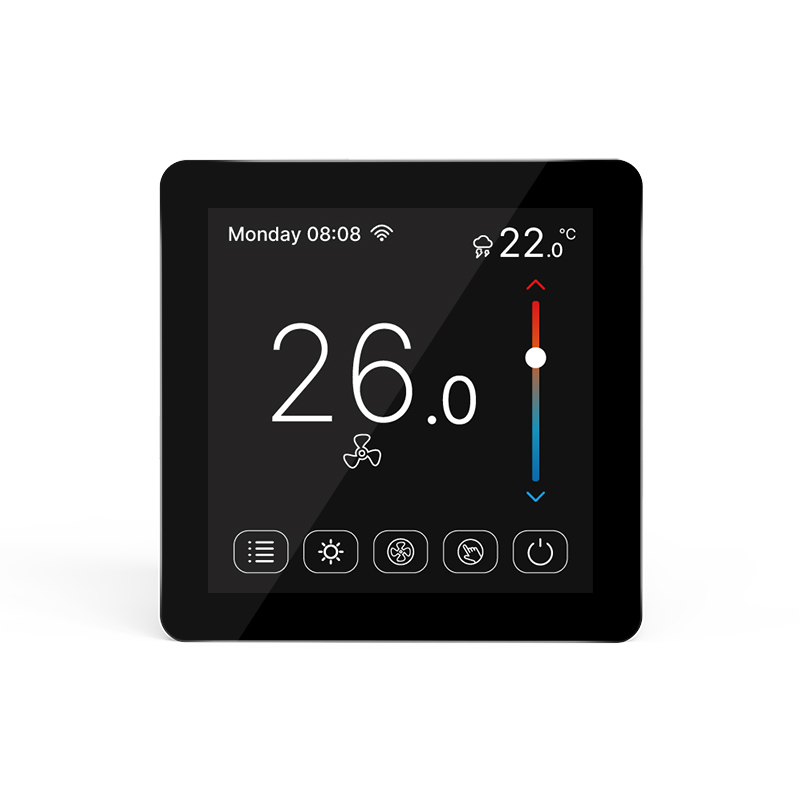
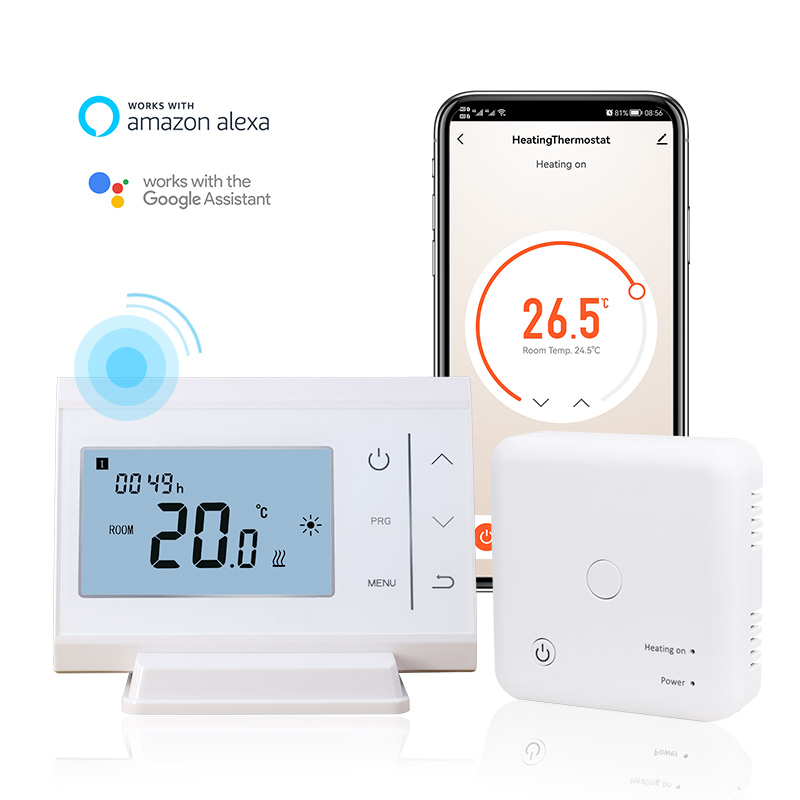
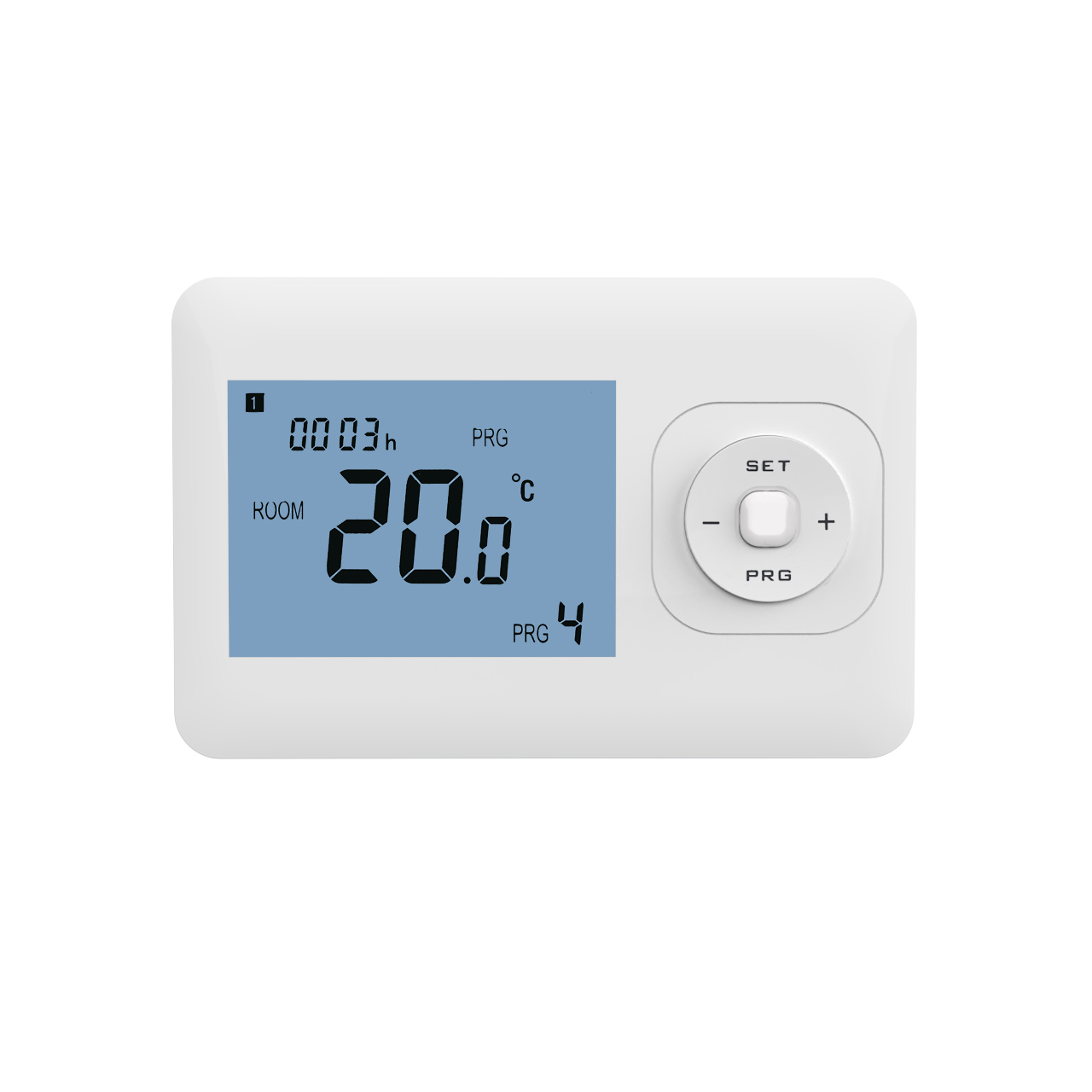
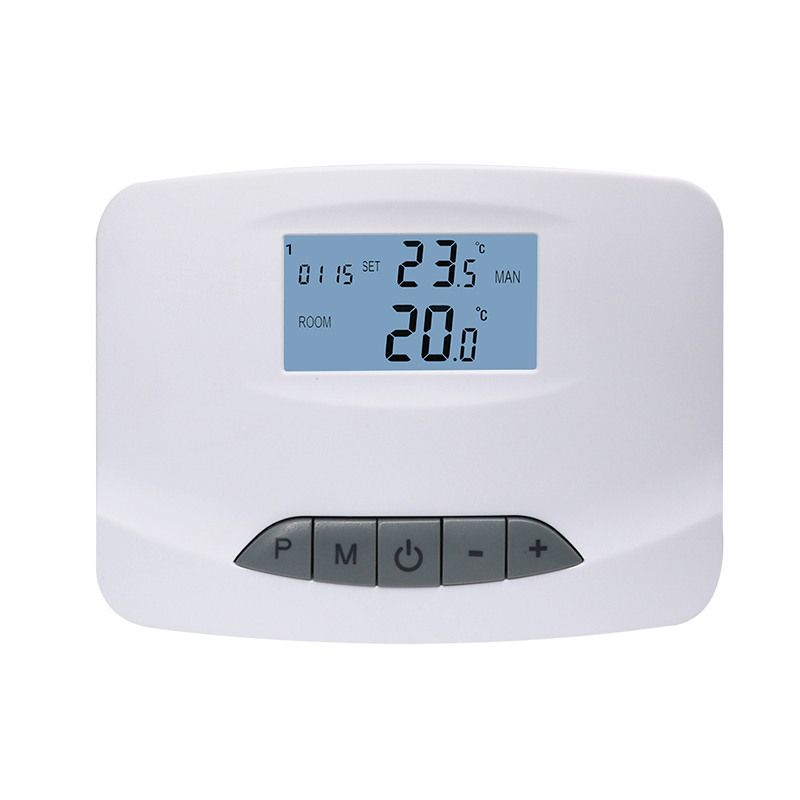
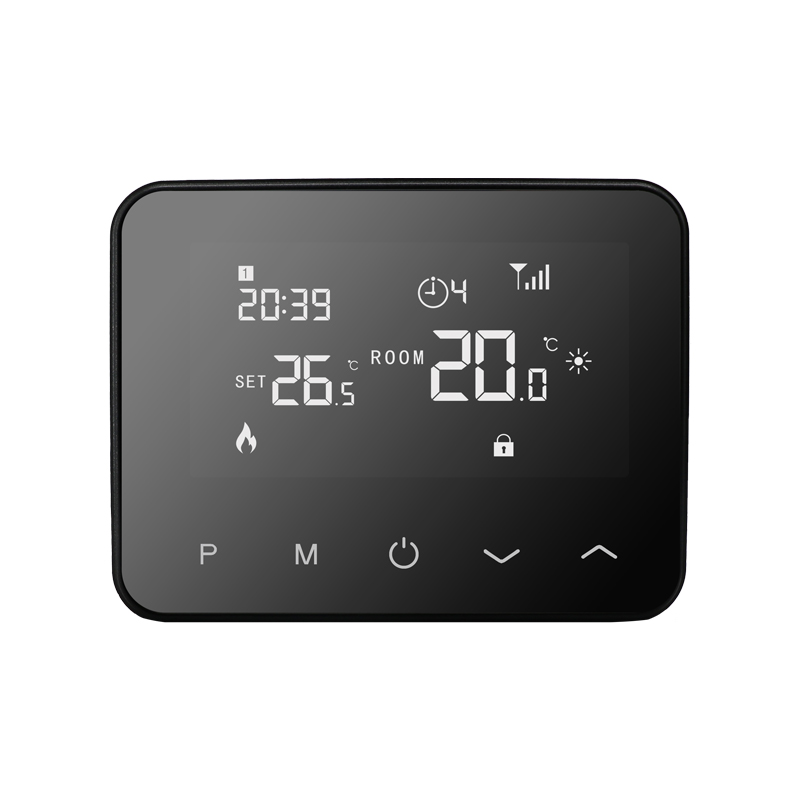
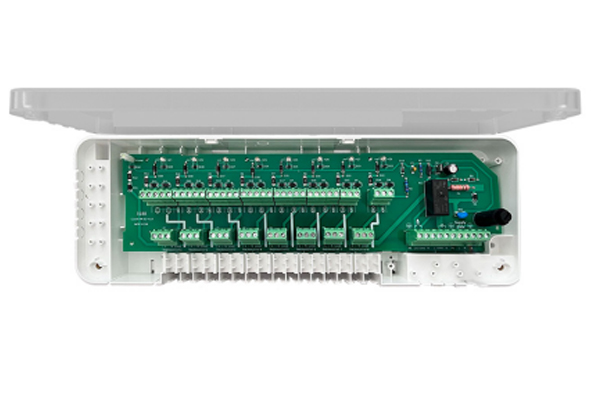
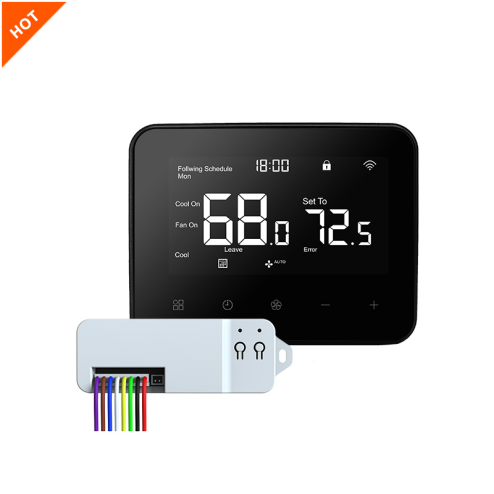
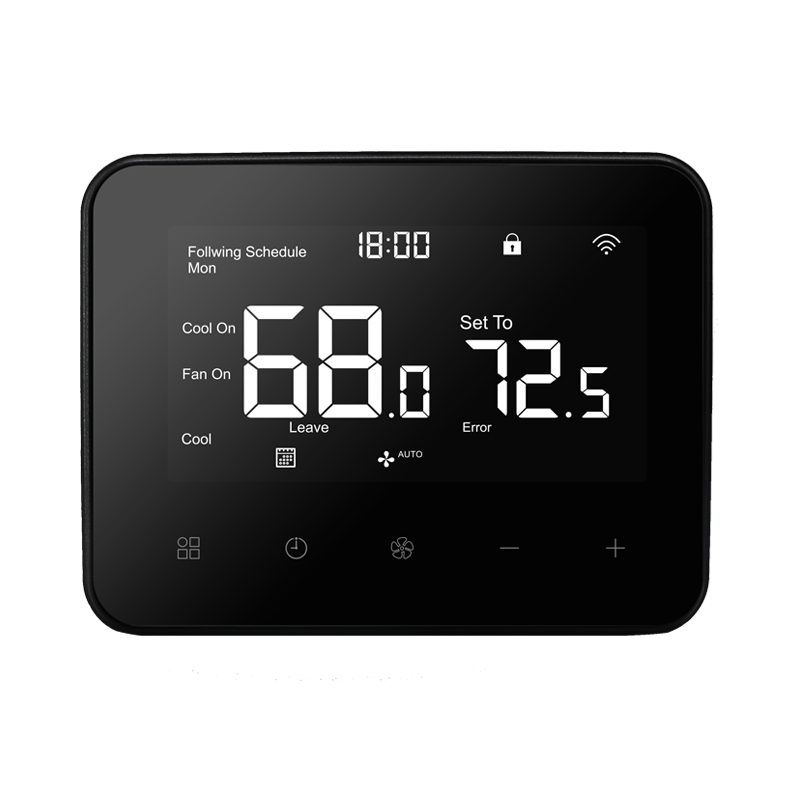
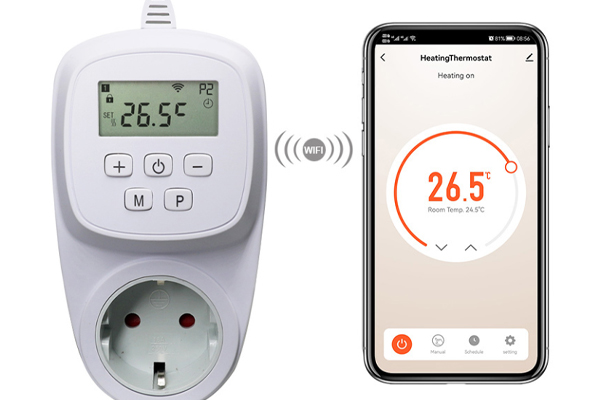
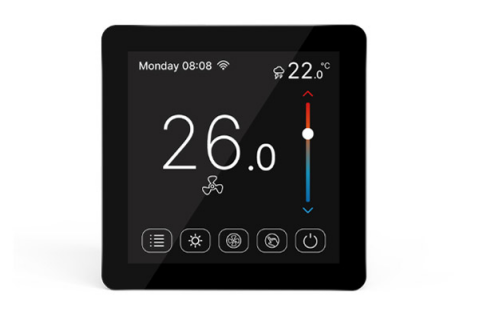
In modern building HVAC management, digital control has emerged as an increasingly vital direction for development. Traditional fan coil systems often rely on manual adjustment; this not only limits management efficiency but also makes it difficult to achieve precise temperature control. In contrast, smart fan coil thermostats allow devices to be integrated into a Building Management System (BMS), enabling data-driven monitoring and automated adjustment, thereby making temperature control significantly more intelligent. For hotels, office buildings, and commercial structures, digital temperature control enhances occupant comfort while simultaneously helping to optimize overall operational efficiency. The question of whether “fan coil systems can achieve digital temperature control” can be analyzed from three key perspectives: communication control, automated adjustment, and management methodology.
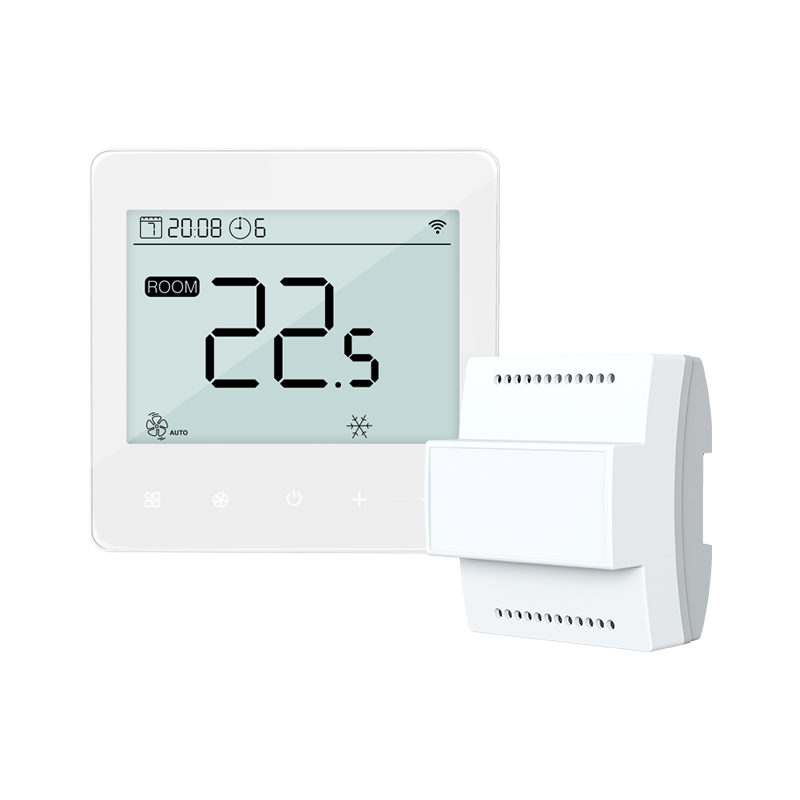
Communication Protocols Enable Digital Control
This aspect determines whether the system possesses the fundamental infrastructure for digitalization.
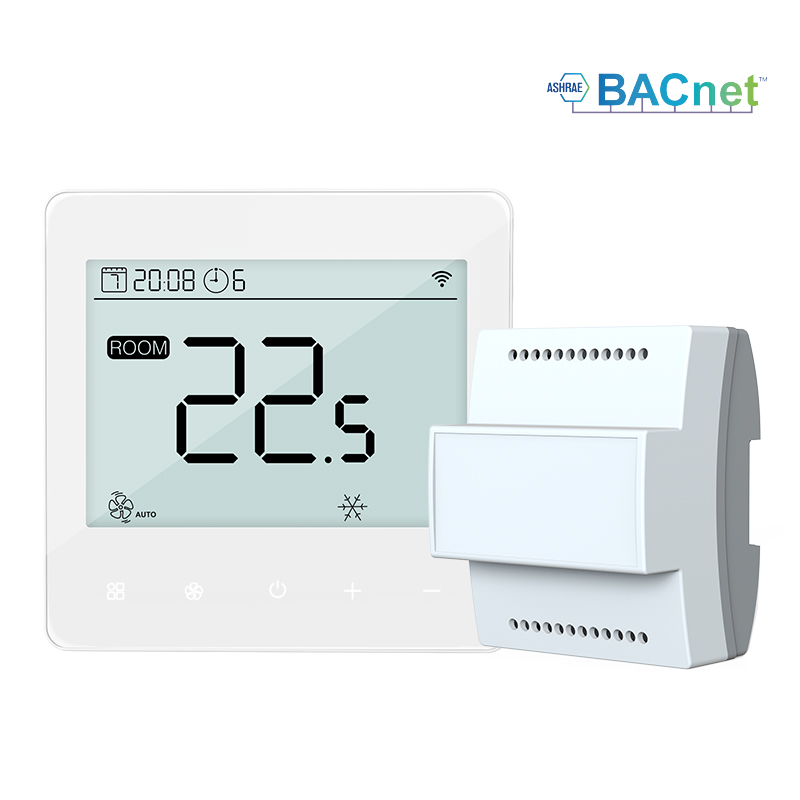
- BACnet and Modbus Facilitate Data Interoperability: Fan coil thermostats connect to the BMS via BACnet MS/TP or Modbus RS485 protocols, enabling data sharing and unified control across various devices.
- Real-time Data Transmission Offers Greater Clarity: Information regarding device operational status, temperature fluctuations, and fan modes can be uploaded in real-time, providing facility managers with immediate visibility.
Digital data makes the temperature control process more transparent and intelligible.
Automated Adjustment Enhances Temperature Control Efficiency
Intelligent operation has a direct impact on the user experience.
- Automatic Temperature Adjustment Based on Environment: The system can automatically adjust the operational status of fans and valves in response to changes in indoor temperature, thereby minimizing the need for manual intervention.
- Support for Multi-Mode Operation Control: Users can select between cooling, heating, or ventilation modes, with the system handling the automatic switching between them.
This flexibility in adjustment contributes to an overall improvement in occupant comfort.
Centralized Management Optimizes Operational Methods
Digital management makes the system significantly more efficient. By implementing unified monitoring across multiple zones, facility managers can simultaneously view the operational status of numerous rooms or areas via the building management system. This centralized control reduces repetitive tasks and helps minimize energy waste. Furthermore, by digitally analyzing operational data, managers can intelligently fine-tune device work cycles to eliminate inefficient operation, thereby boosting overall energy utilization efficiency.
In practical application, the integration of smart thermostats with a Building Management System allows fan coil systems to achieve comprehensive digital temperature control. Device operational status can be monitored in real-time, and temperature adjustments can adapt automatically to environmental conditions, rendering the entire HVAC system both smarter and more efficient. For large-scale buildings requiring centralized management, this digital approach enhances administrative convenience, ensures more stable and energy-efficient operation, and establishes a flexible control foundation for the development of future smart buildings.