
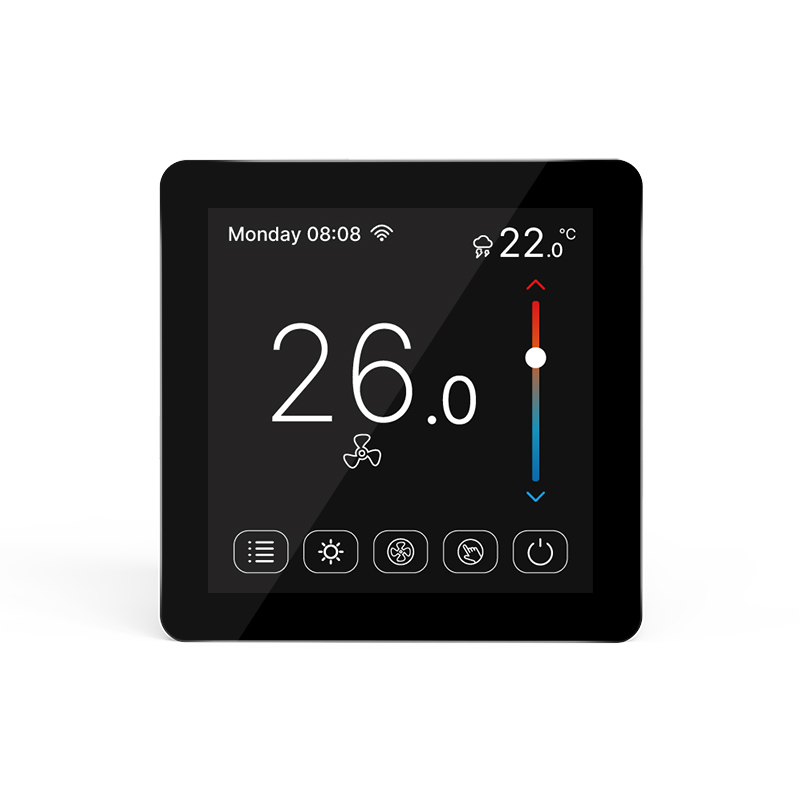
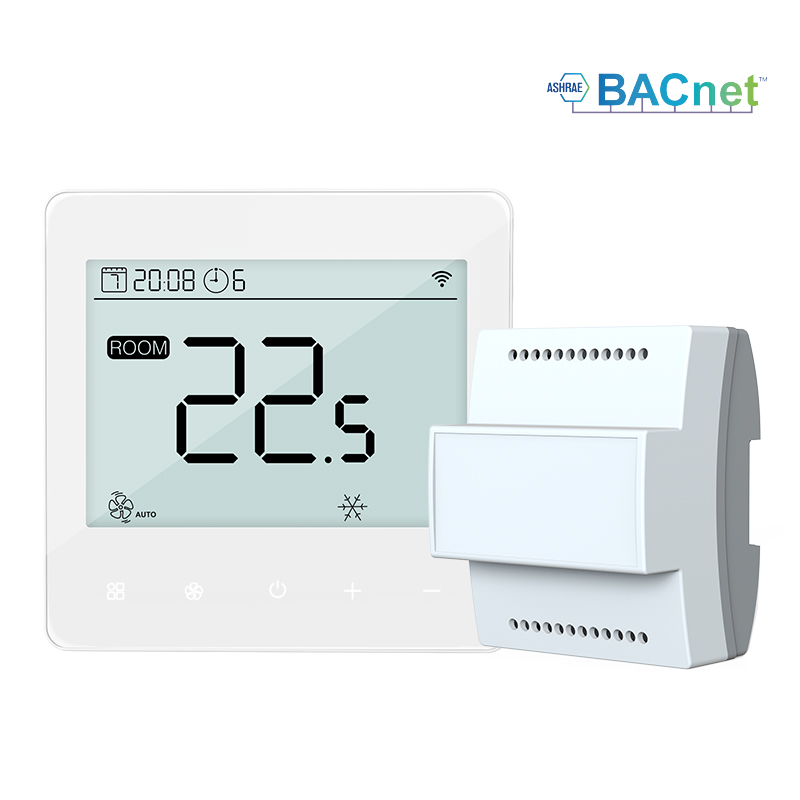
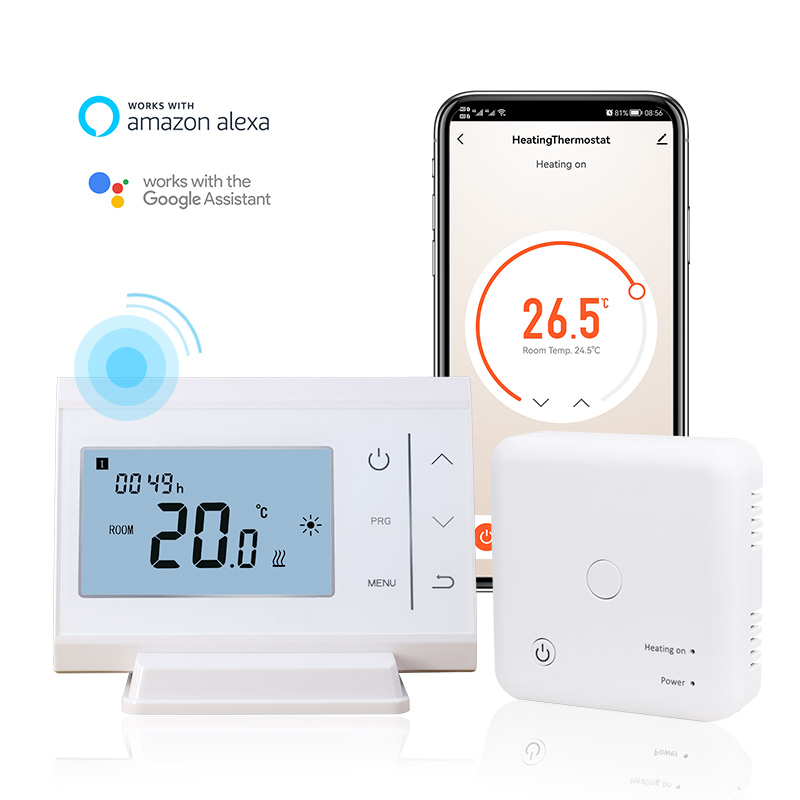
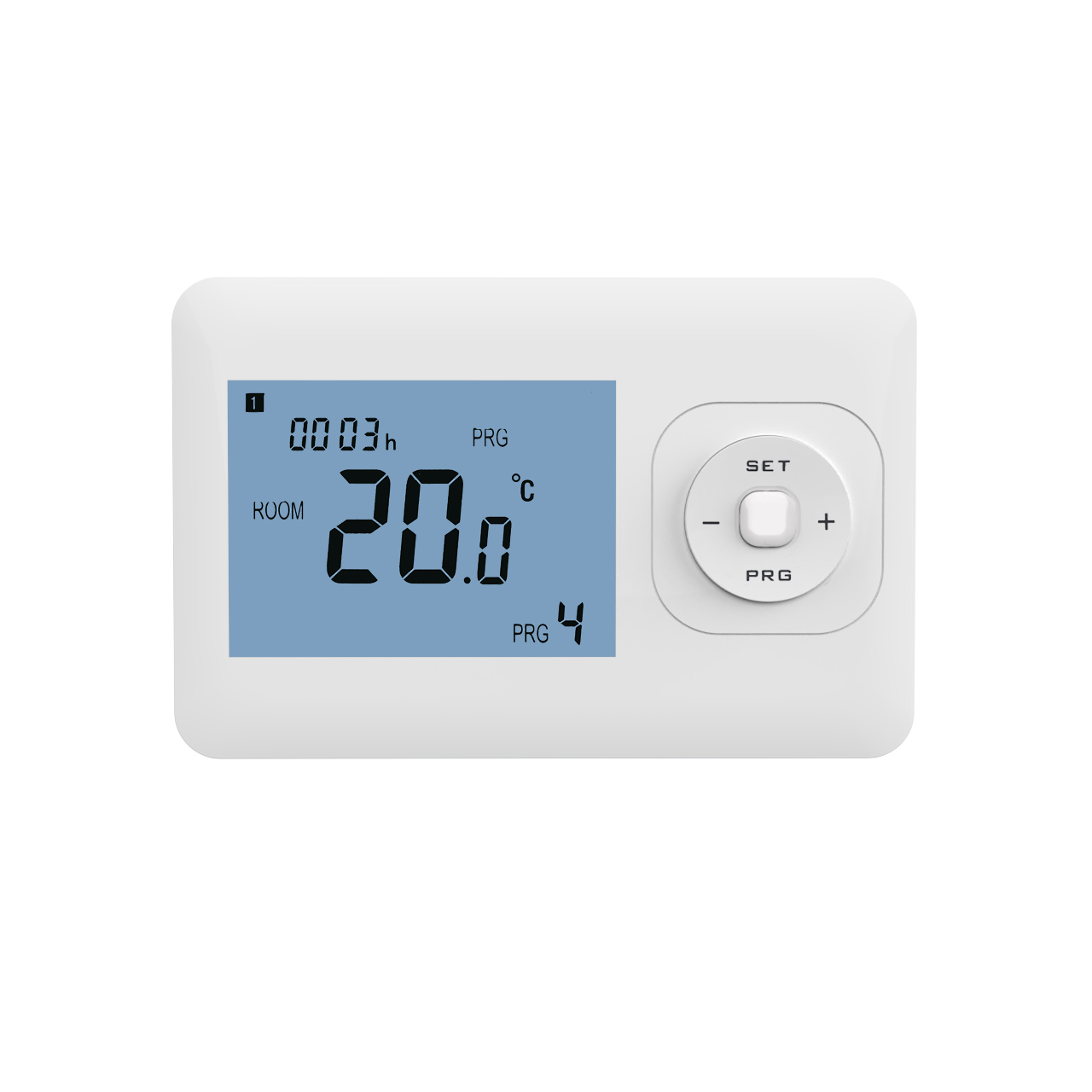
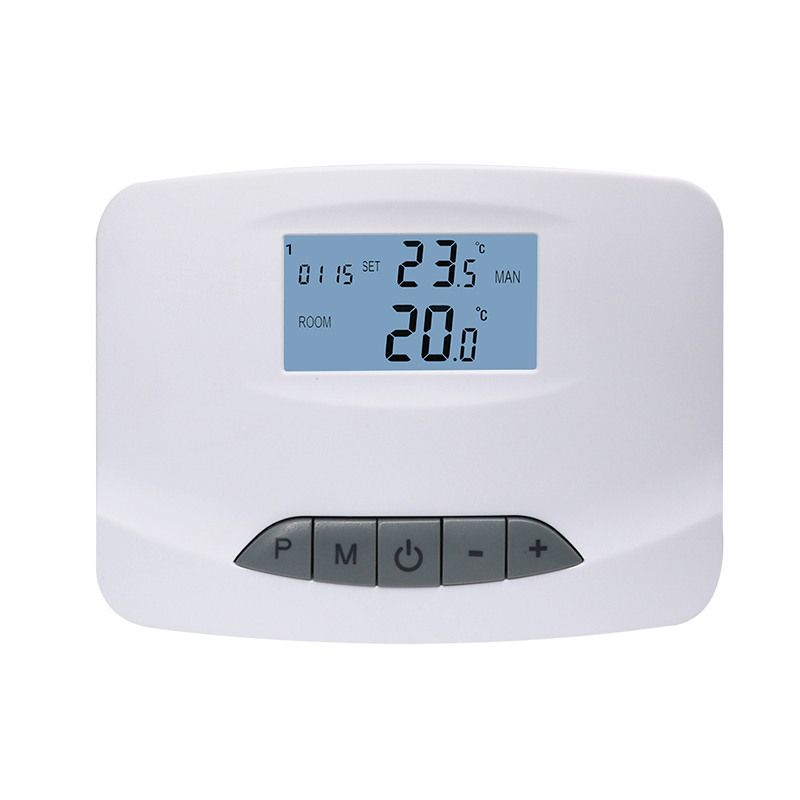
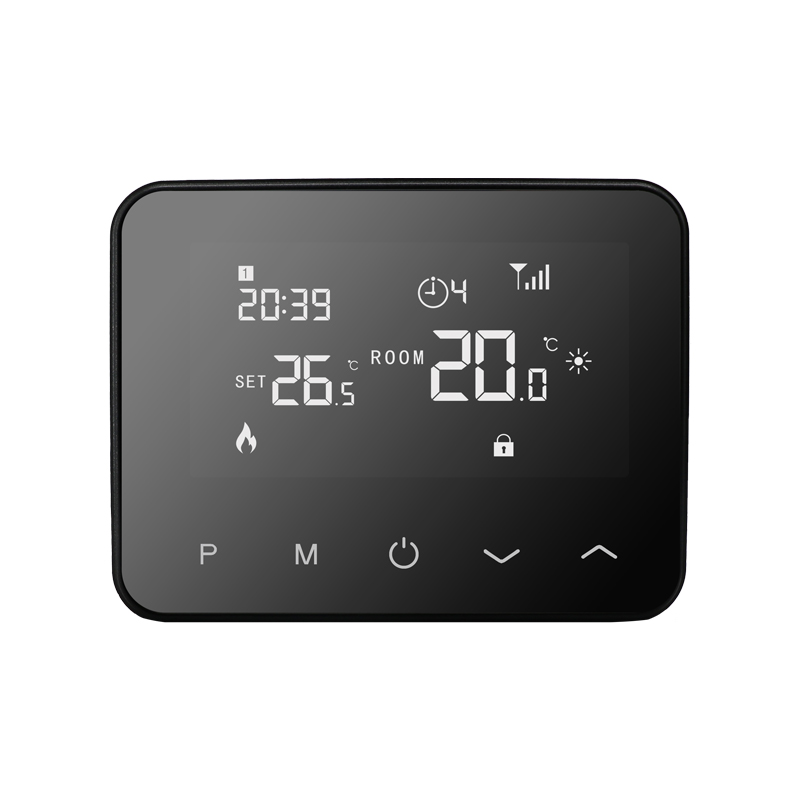
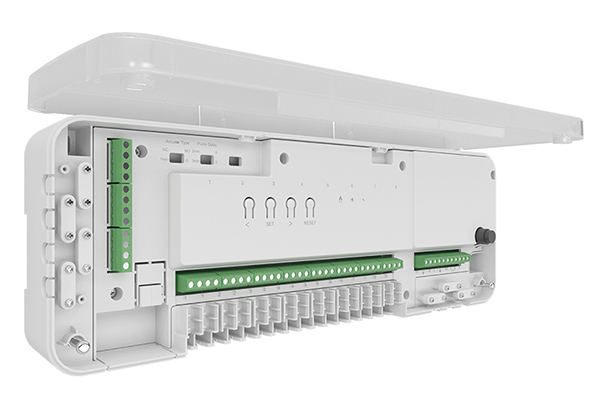
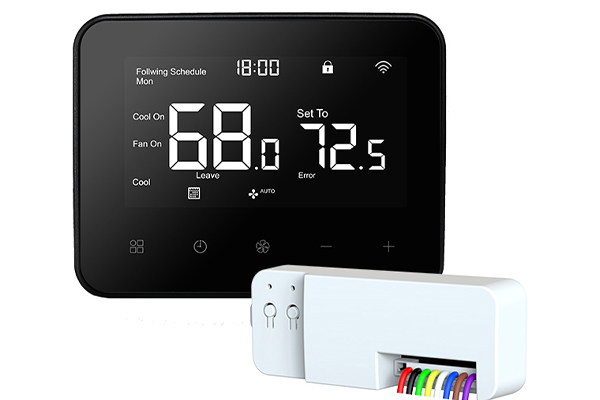
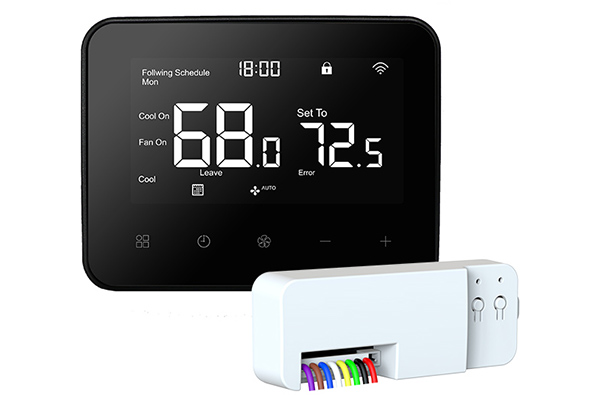
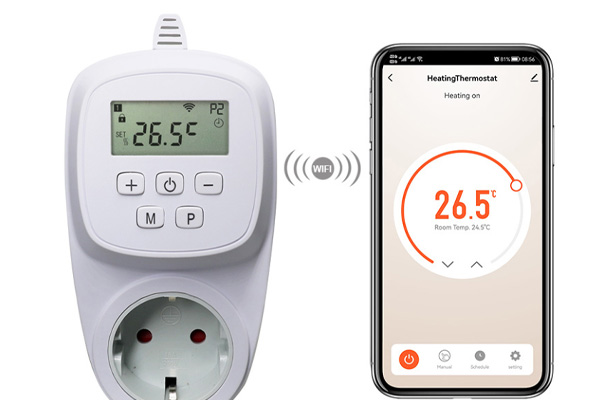
In modern smart building projects, heating systems are no longer designed only to meet basic temperature requirements. They also need to balance energy utilization, equipment management, and user comfort. Traditional thermostats usually rely on single-point adjustment methods, making it difficult to achieve precise control when a building contains multiple rooms or functional areas. This can lead to insufficient heating in some areas or excessive energy consumption in others. Based on the KNX communication protocol, KNX smart thermostats can connect with underfloor heating wiring boxes, room thermostats, and building automation systems to achieve data transmission and coordinated operation between different devices. Through intelligent management, the system can adjust heating conditions according to space requirements, making energy distribution more efficient while meeting the demands of residential buildings, hotels, office buildings, and other applications that require advanced management solutions.
Multi-Zone Independent Control Reduces Energy Waste
KNX smart thermostats support separate management of multiple zones, allowing heating parameters to be adjusted according to the actual usage conditions of different spaces and avoiding a single operating mode throughout the entire building.
- Independent temperature settings for different zones: Users can set different temperature standards for bedrooms, living rooms, meeting rooms, and other areas. Heating requirements can be arranged based on occupancy patterns, allowing each space to maintain a suitable environment.
- Unified management of multiple zones: By connecting different room thermostats through the KNX system, managers can centrally monitor the status of each area and make adjustments according to project operation requirements.
Zone-based control allows building heating systems to better match actual usage patterns. Accurate temperature zoning can reduce unnecessary heat output and make energy allocation more efficient.
Automatic Adjustment Improves Equipment Operation Efficiency
KNX smart thermostats can automatically adjust heating conditions according to environmental changes, reducing manual intervention and allowing the system to operate in a more stable and organized manner.
- Dynamic adjustment of heating output: The thermostat collects indoor temperature data and compares it with preset parameters. When the required temperature is reached, it automatically adjusts equipment operation to avoid continuous high-load running.
- Create intelligent operation schedules: Users can set heating periods according to working hours, occupancy conditions, and daily habits, allowing equipment to operate based on actual needs.
Automatic adjustment enables heating systems to better adapt to different usage scenarios. Proper scheduling of equipment operation helps reduce system load and improve energy utilization performance.
Connecting Building Systems Enables Centralized Management
KNX smart thermostats adopt an open communication method, allowing them to connect with various smart devices within a building and provide more complete management solutions for large-scale projects.
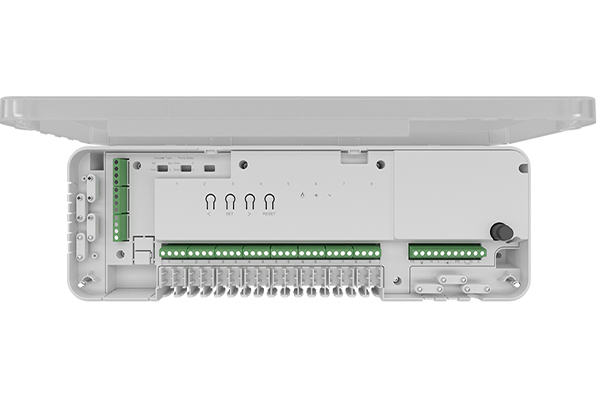
- Enable device information interaction: The thermostat can communicate with KNX underfloor heating wiring boxes, room control terminals, and other devices to achieve temperature data transmission and control command execution.
- Simplify project maintenance management: In hotels, apartments, office buildings, and other applications, staff can monitor the operating conditions of different areas through a unified system, reducing the need for frequent on-site operations.
System integration improves coordination between building equipment. Centralized management makes heating systems easier to maintain, adjust, and optimize.
Support Long-Term Energy-Saving Operation Requirements
KNX smart thermostats focus not only on current heating performance but also help buildings establish a more sustainable energy management approach.
- Optimize energy usage methods: The system distributes heating resources according to the requirements of different areas, preventing low-occupancy spaces from operating at high intensity for extended periods.
- Support future upgrade requirements: The KNX system offers strong scalability, allowing additional control zones or new smart devices to be added according to future building changes.
During long-term operation, flexible control strategies help projects maintain effective management performance. The expandable system structure also provides more possibilities for future building upgrades.
KNX smart thermostats provide more advanced technical support for building energy management through zone control, automatic adjustment, and system integration. Compared with traditional temperature control devices, they can create more suitable heating strategies based on the actual needs of different spaces, reduce manual operation, and ensure equipment operation better matches building usage patterns. In residential buildings, hotels, commercial offices, and smart building projects, KNX temperature control solutions can improve indoor comfort while making long-term maintenance and energy planning easier. Proper application of KNX smart thermostats helps buildings achieve more efficient heating management and provides a reliable control foundation for future smart building development.