
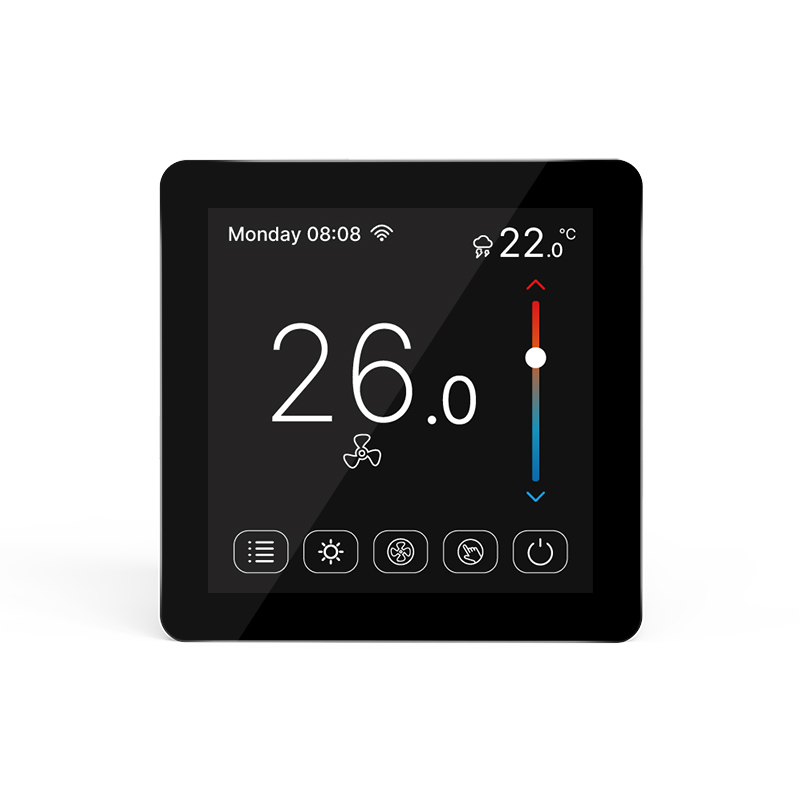
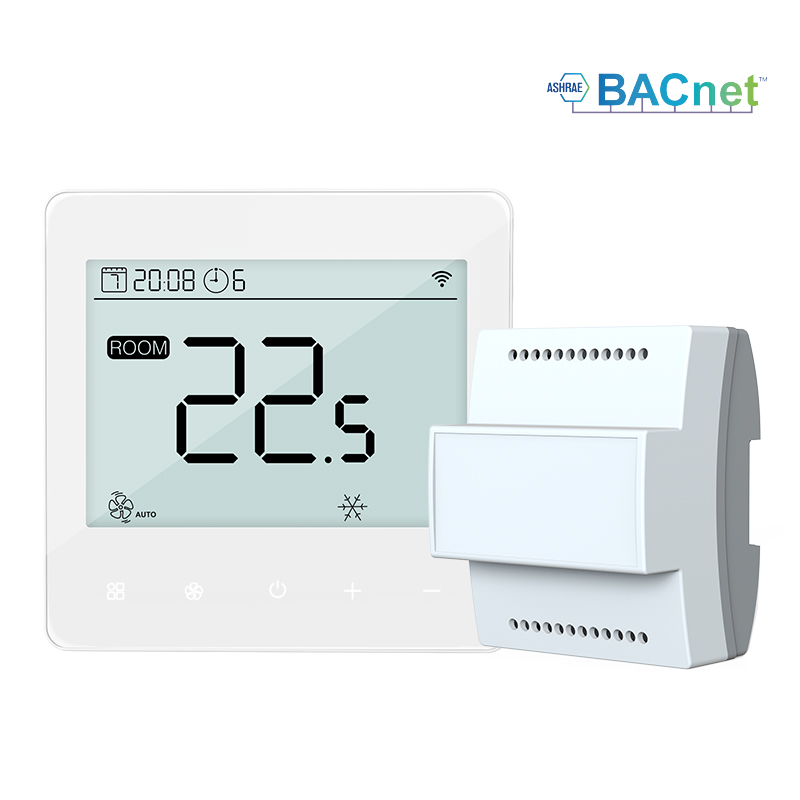
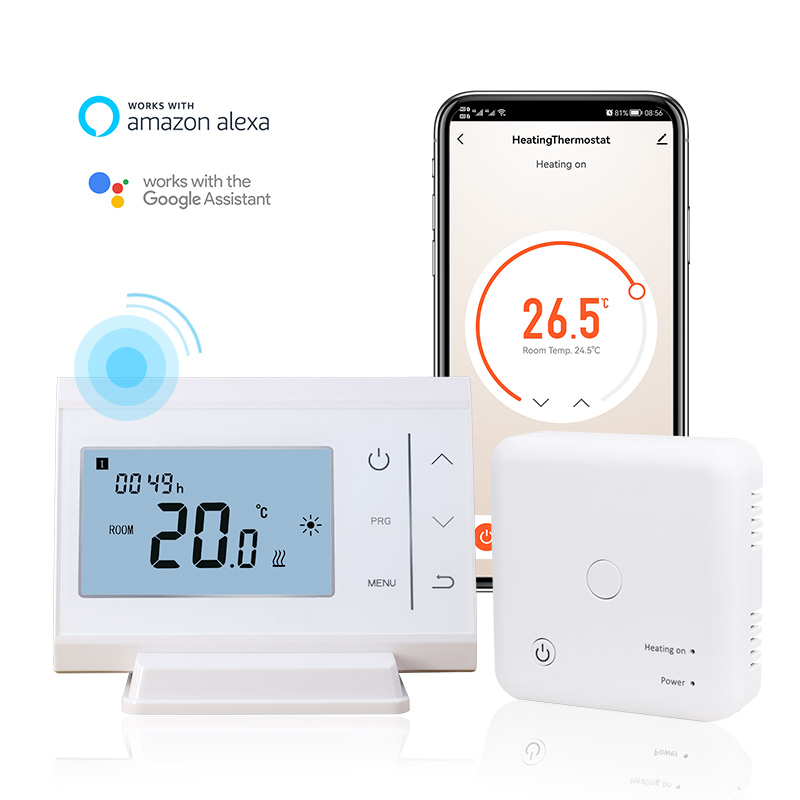
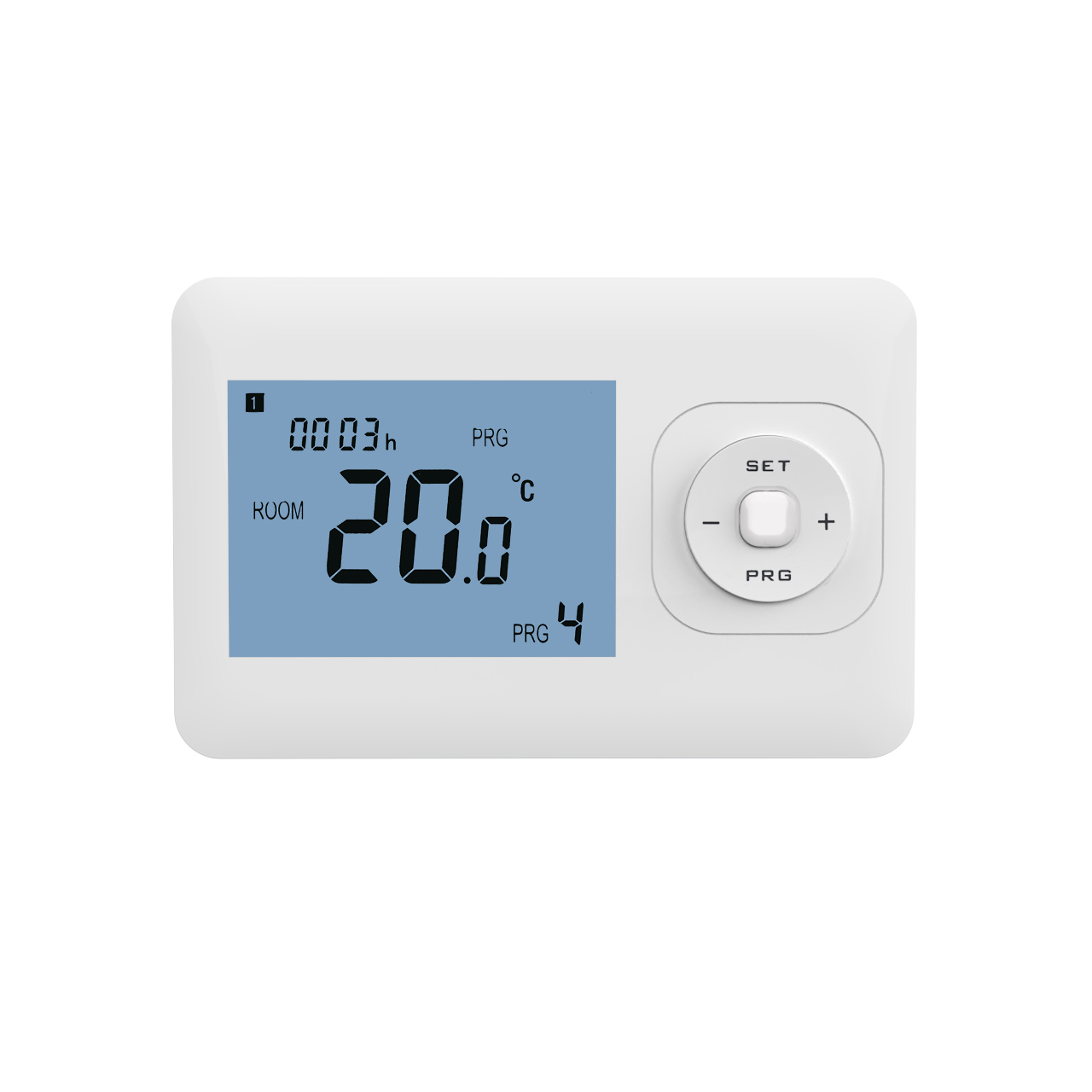
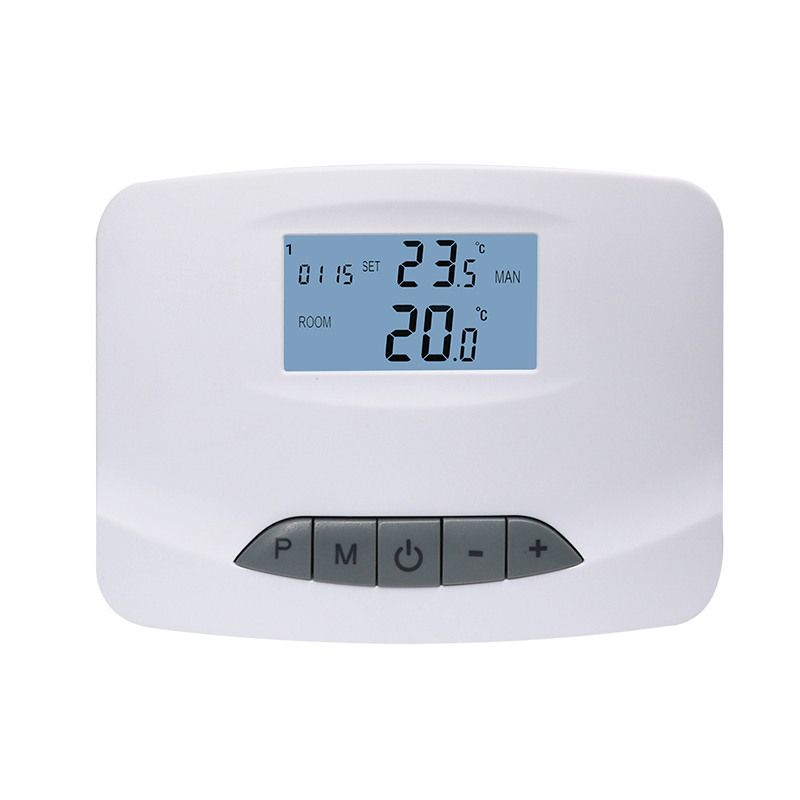
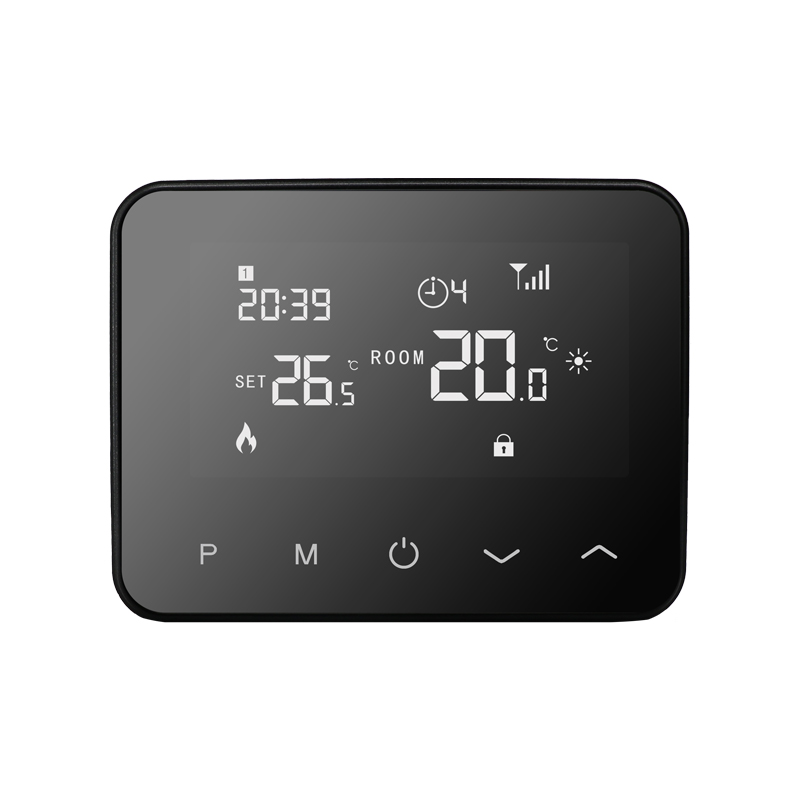
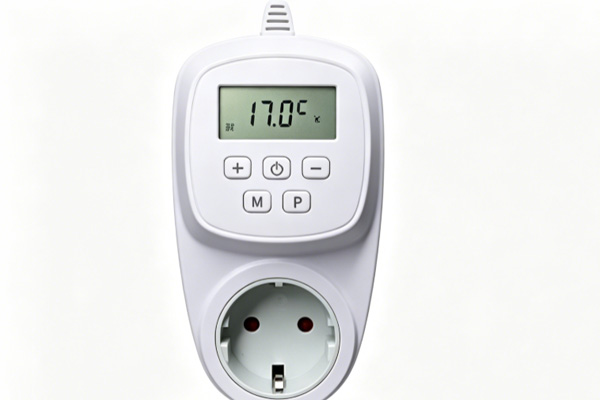
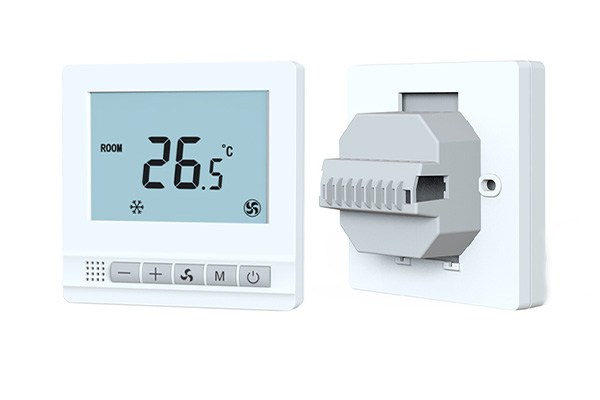
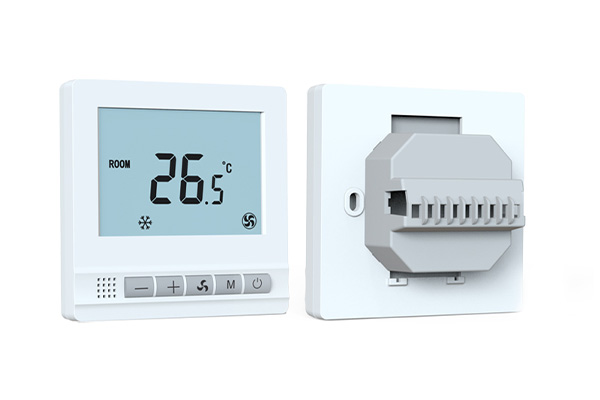
In hotels, apartments, retirement communities, and light commercial buildings, PTAC units are widely used because they are flexible to install and easy to maintain. As users place greater emphasis on comfort and energy-saving management, PTAC thermostats with programmable functions are gradually becoming the mainstream choice. By presetting operating schedules and temperature plans, the device can automatically adjust its working status according to actual usage habits, reducing manual intervention while keeping the indoor environment within a comfortable range. For property managers, programmable functions help unify the management of a large number of guestroom units; for end users, they mean a more convenient, comfortable, and economical experience. Making proper use of these functions can fully bring out the performance advantages of heat pump PTAC systems and make heating and cooling management more efficient.
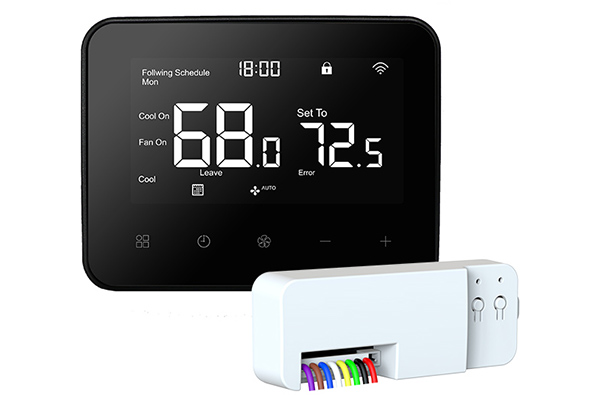
Achieving Precise Temperature Control by Time Period
The programmable function allows the PTAC thermostat to automatically adjust temperature according to different time periods, making it suitable for spaces that require regular management.
- Automatic operation based on daily routines: Users can set different temperature plans for daytime, nighttime, weekdays, and weekends, so the indoor environment always matches actual needs and frequent manual adjustments are avoided.
- Reducing temperature fluctuations: Preset programs automatically maintain the target temperature range, keeping the room comfortable at different times and improving the living and working experience.
This time-based control method is not only more convenient, but also helps maintain a more stable indoor temperature.
Improving Energy-Saving Management
Programmable settings help the equipment operate at the right time, reducing unnecessary energy consumption. When no one is using the space, the system can automatically lower its operating intensity or enter energy-saving mode, avoiding extra power use caused by idle operation. At the same time, arranging start and stop times reasonably allows the PTAC unit to work in a more efficient range, extending equipment life and reducing maintenance pressure. Through such programming, the PTAC thermostat can improve overall energy efficiency while still ensuring comfort.
Making Centralized Management and Remote Control Easier
For environments with multiple rooms or zones, programmable functions can significantly improve management efficiency.
- Unified configuration for multiple rooms: For hotel and apartment projects, managers can quickly deploy the same operating schedule, improving operational efficiency.
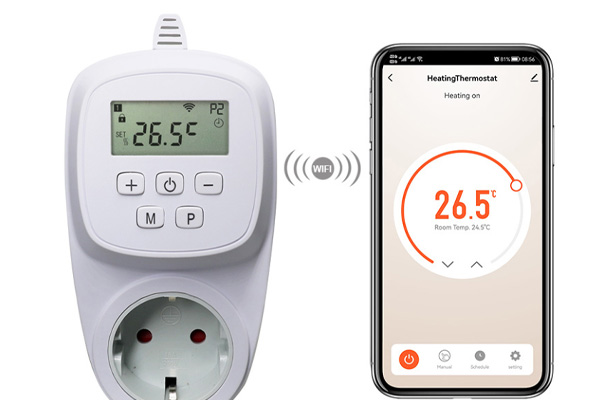
- Support for mobile adjustments: With WiFi and an app, settings can be changed even when the user is not on site, meeting temporary usage needs.
This centralized management approach makes device control more flexible and better suited to the operational needs of modern buildings.
Enhancing Convenience and Comfort
Programmable functions not only serve management needs, but also directly improve the user’s daily experience.
- Reducing manual operation: The system automatically performs temperature control tasks according to the preset program, allowing users to enjoy a stable environment without frequent intervention.
- Providing personalized settings: Different rooms and users can have independent temperature schedules, making air conditioning operation better suited to actual habits.
When the device can automatically adapt to different usage needs, both comfort and convenience are significantly improved.
Programmable functions upgrade the PTAC thermostat from a simple temperature switch to an intelligent environmental management tool. Through time scheduling, energy-saving control, and remote management capabilities, it can balance comfort, energy efficiency, and management convenience, providing a more complete temperature control solution for hotels, apartments, and various commercial projects. For users who want to improve building quality and reduce long-term operating costs, making full use of programmable functions will allow heat pump PTAC systems to deliver greater value and lay a solid foundation for future smart building management. The practical advantages of a programmable PTAC thermostat are reflected in a more stable, more energy-efficient, and easier-to-manage daily experience.