
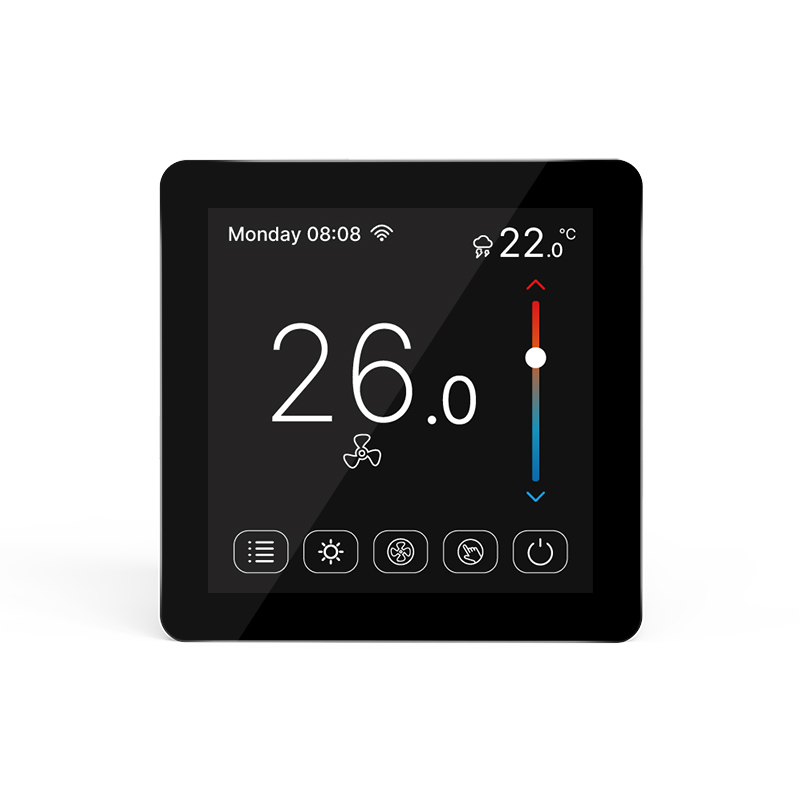
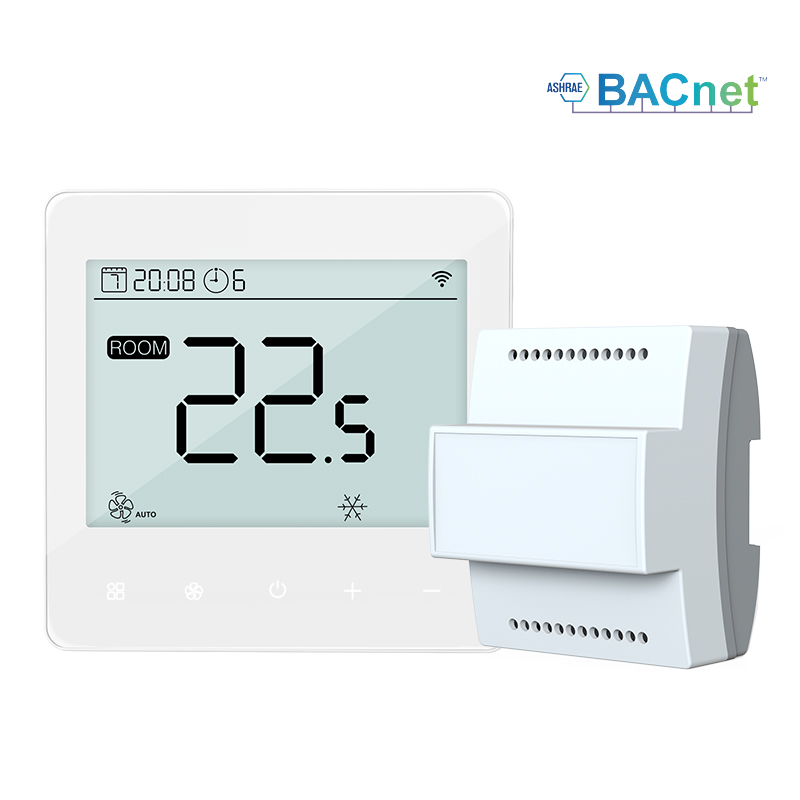
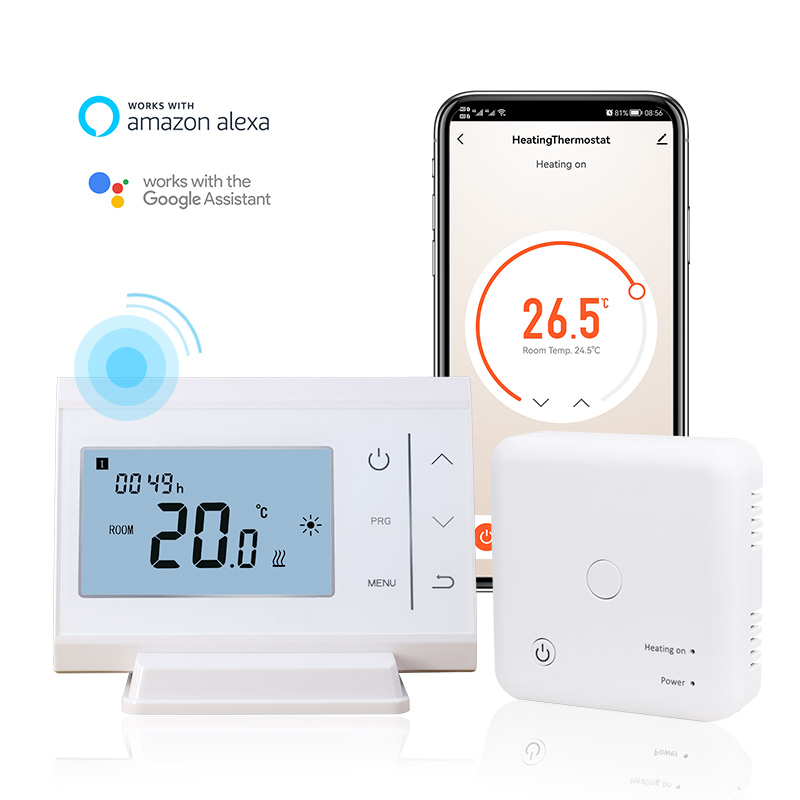
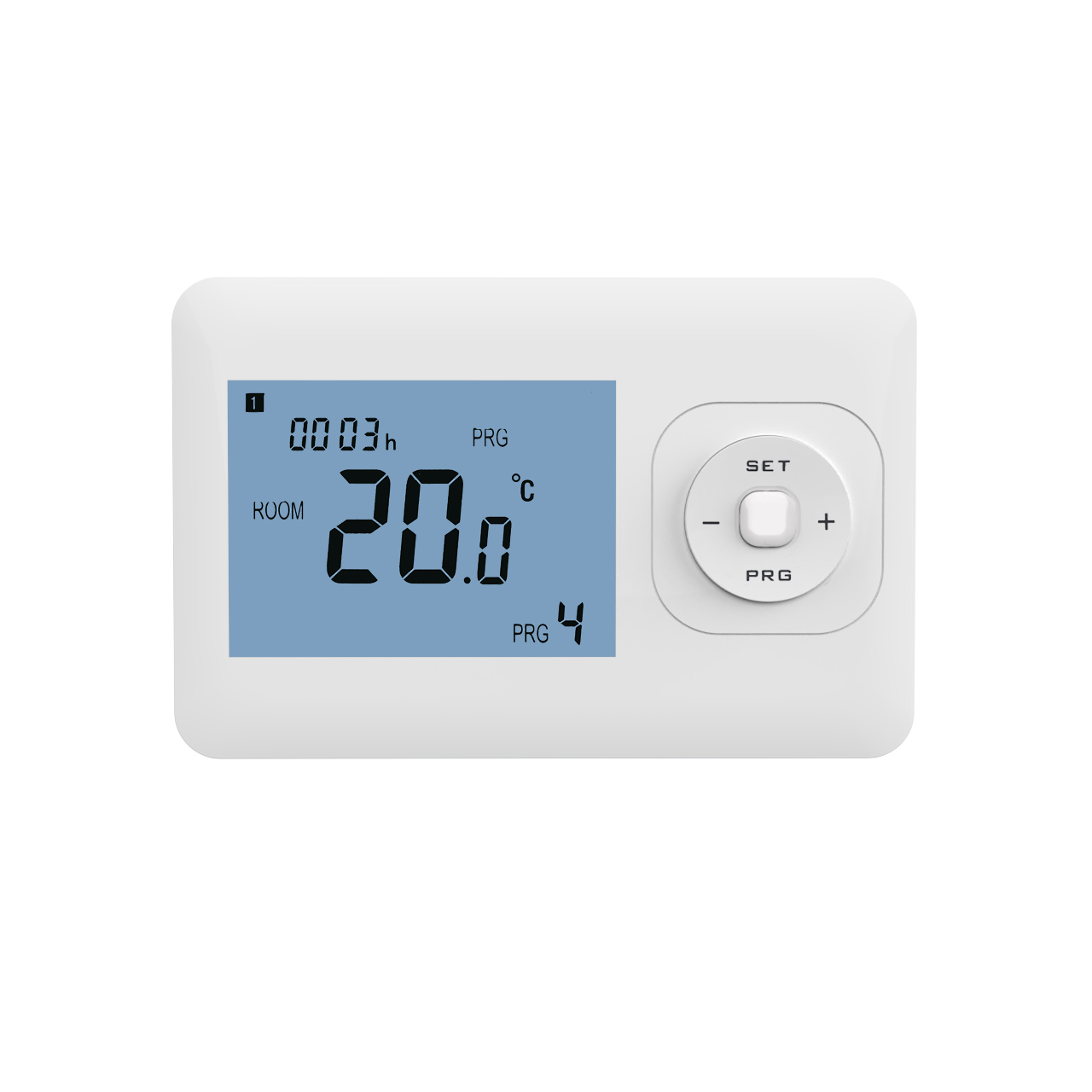
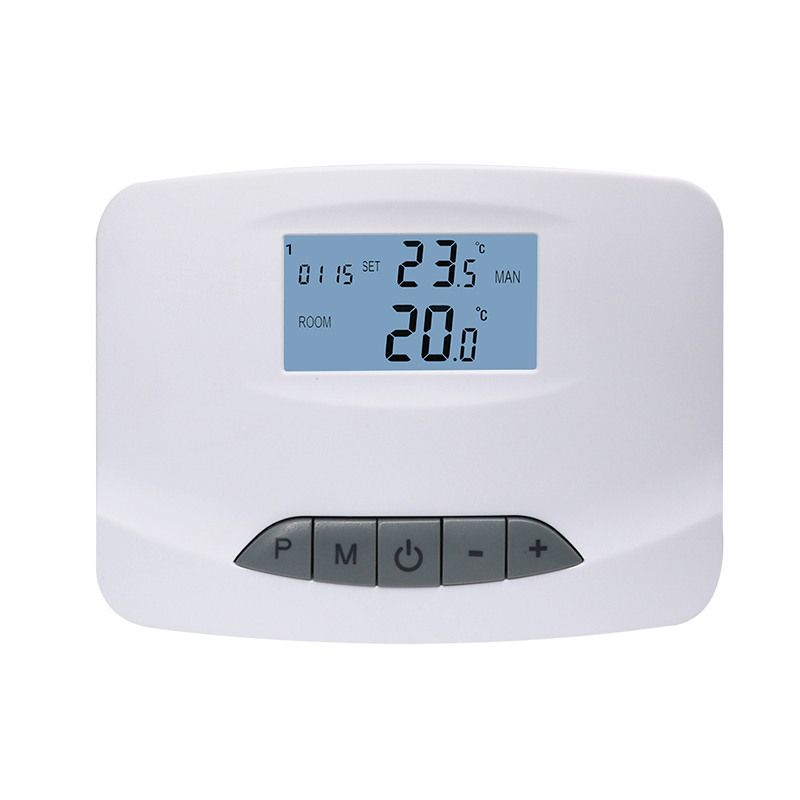
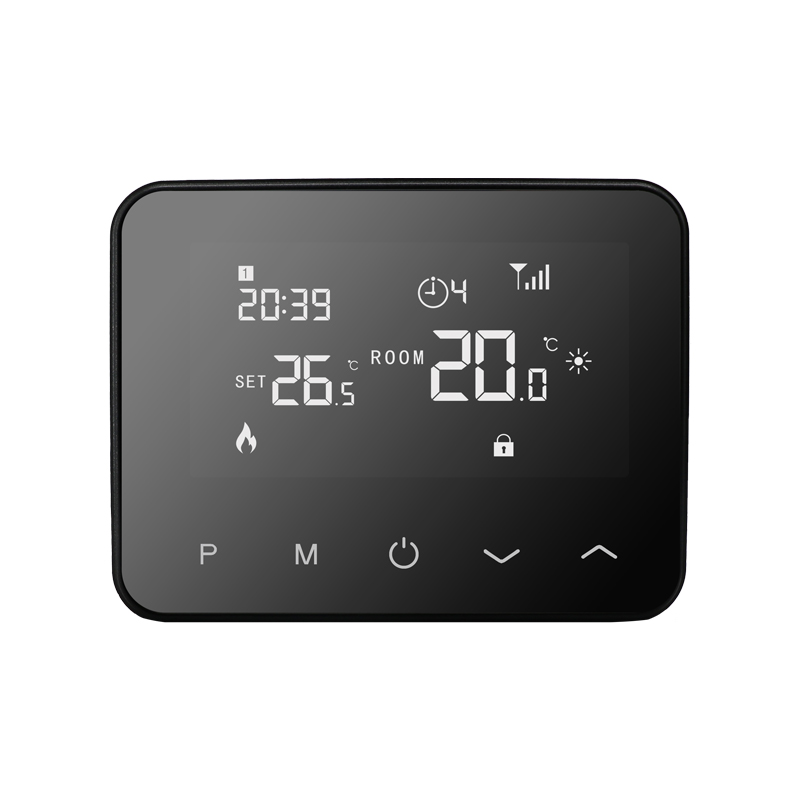
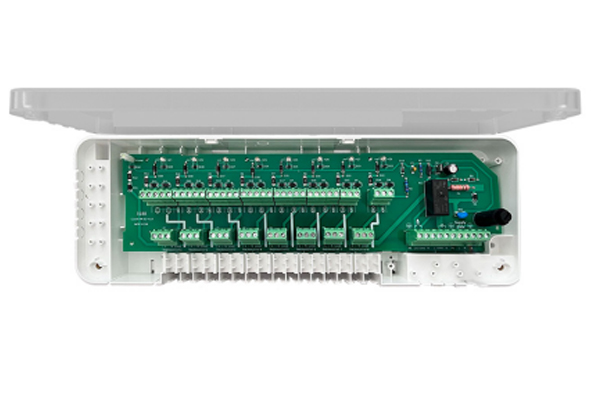
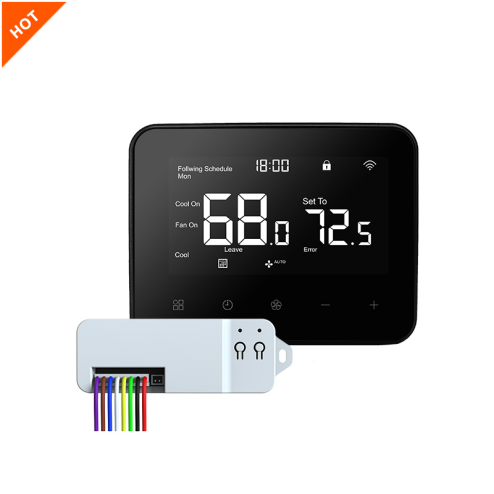
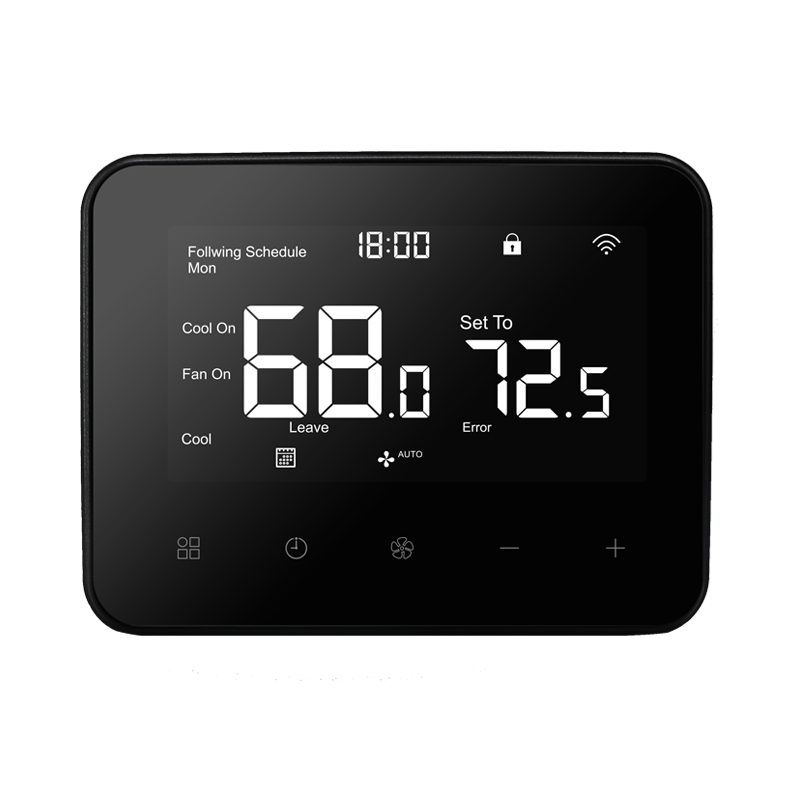
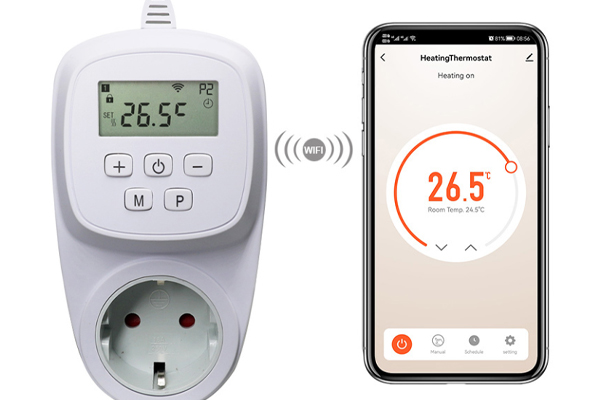
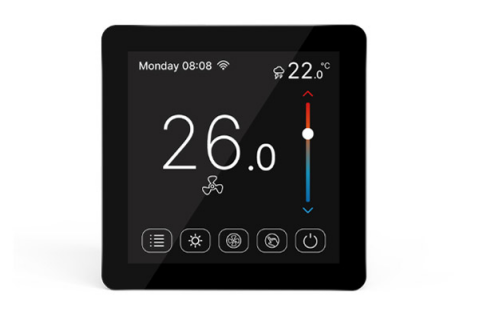
In modern home environments, temperature control devices are no longer just simple on/off tools, but are gradually evolving towards intelligence and automation. Many users are concerned about whether intelligent multi-functional thermostats can be set according to daily routines. In fact, these devices, through built-in programming functions and time management logic, can integrate temperature regulation with the user’s lifestyle, thus achieving a more practical temperature control experience that not only improves comfort but also helps optimize energy use.
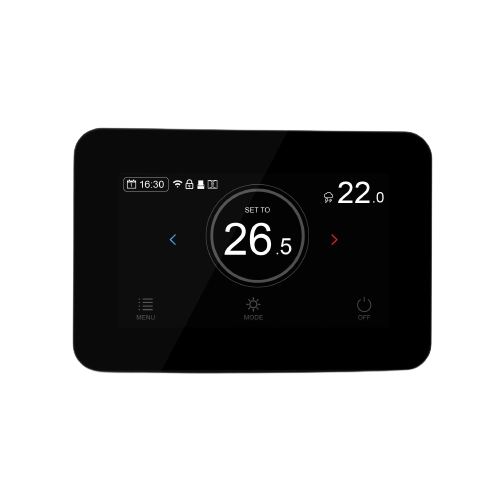
Supports Time-Based Schedule Settings
Reasonable time planning makes temperature control more in line with daily life.
(1) Multi-Time Period Temperature Settings
Users can set different temperatures according to different time periods of the day, such as morning, daytime, and nighttime, achieving automatic switching.
(2) Independent Settings for Weekdays and Weekends
Different temperature control schemes can be set for different lifestyles to meet diverse needs.
Time-based settings make temperature adjustment more flexible and reduce frequent manual operation.
Automatic Operation Reduces Human Intervention
Automation functions make the temperature control process easier.
- Automatic Start/Stop According to Plan: The system automatically turns heating and cooling on or off according to preset times, without human intervention.
- Early or delayed adjustment: Some devices can start in advance according to the set logic, so that the indoor temperature reaches the ideal level before use.
Automatic operation makes temperature control more intelligent and improves the convenience of daily use.
Enhancing comfort and user experience
Integration with daily routines brings more natural environmental changes. More comfortable living times mean the indoor temperature is already adjusted to a suitable range when you get up or return home, reducing waiting time. A more stable nighttime environment means the temperature automatically adjusts to a suitable level during sleep, avoiding excessive cold or heat that could affect rest. Temperature control synchronized with the pace of life makes the living experience more considerate.
Optimizing energy efficiency
Scientifically setting the time also helps reduce energy consumption.
- Avoiding operation when idle: Automatically reducing operating intensity when away from home or unoccupied, reducing energy waste.
- Allocating energy on demand: Heating or cooling only during the required time periods improves overall efficiency.
Reasonable work-rest settings also make energy utilization more efficient.
Intelligent multi-functional thermostats, through time-sharing programming and automatic operation functions, can well adapt to the user’s daily routine. It transforms temperature control from passive regulation to active management, ensuring the indoor environment is always at a more comfortable level. For users who want to improve living comfort while also achieving energy savings, this intelligent temperature control method based on daily routines offers a more relaxed and efficient user experience.