
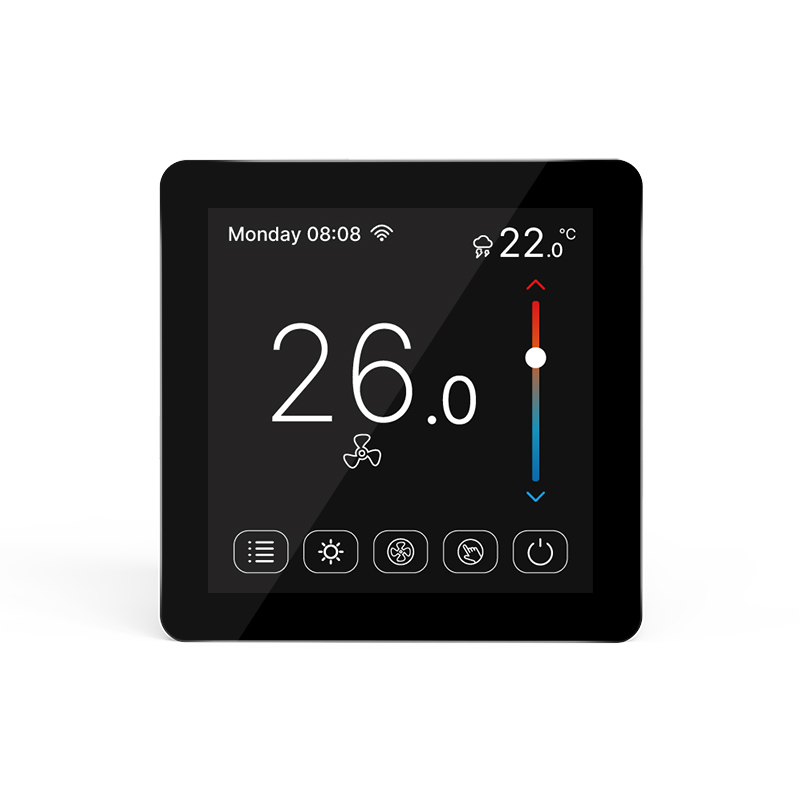
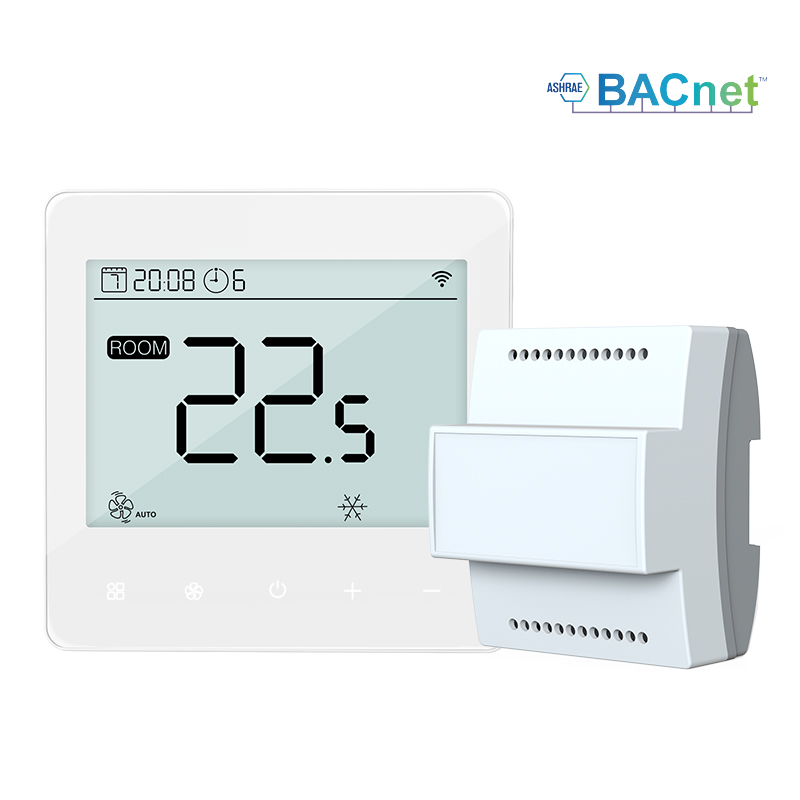
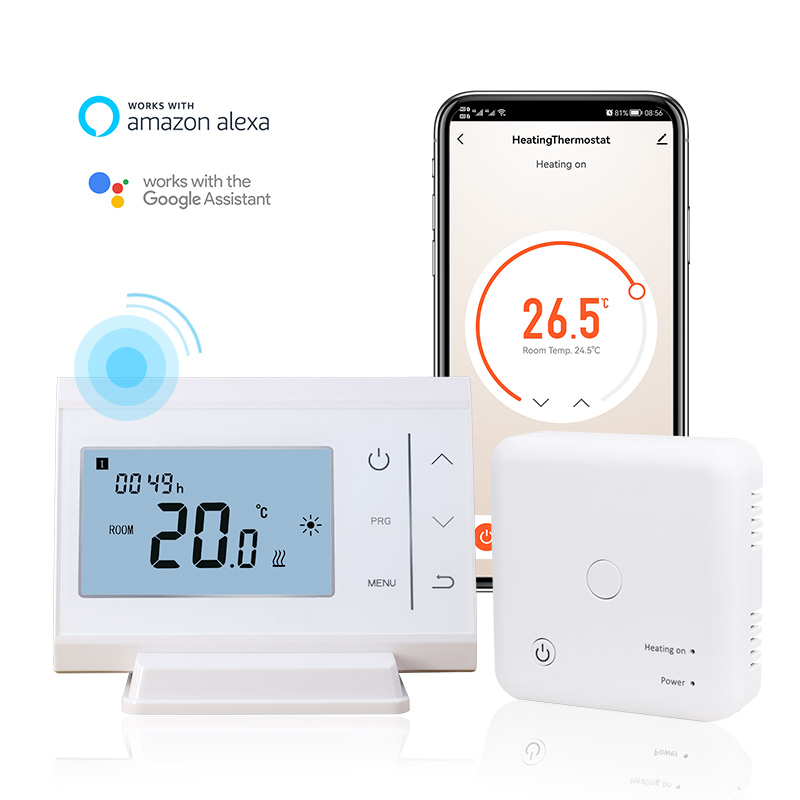
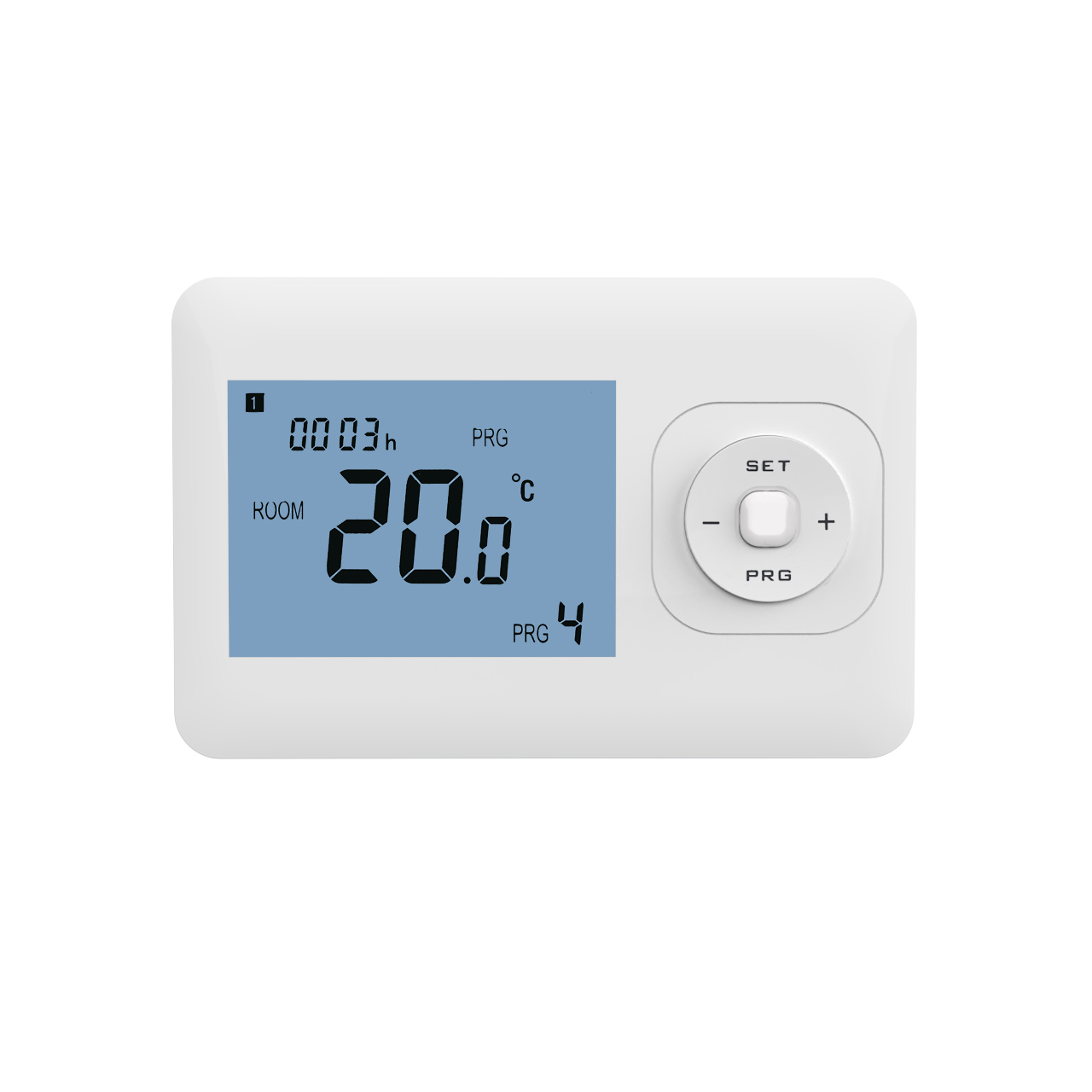
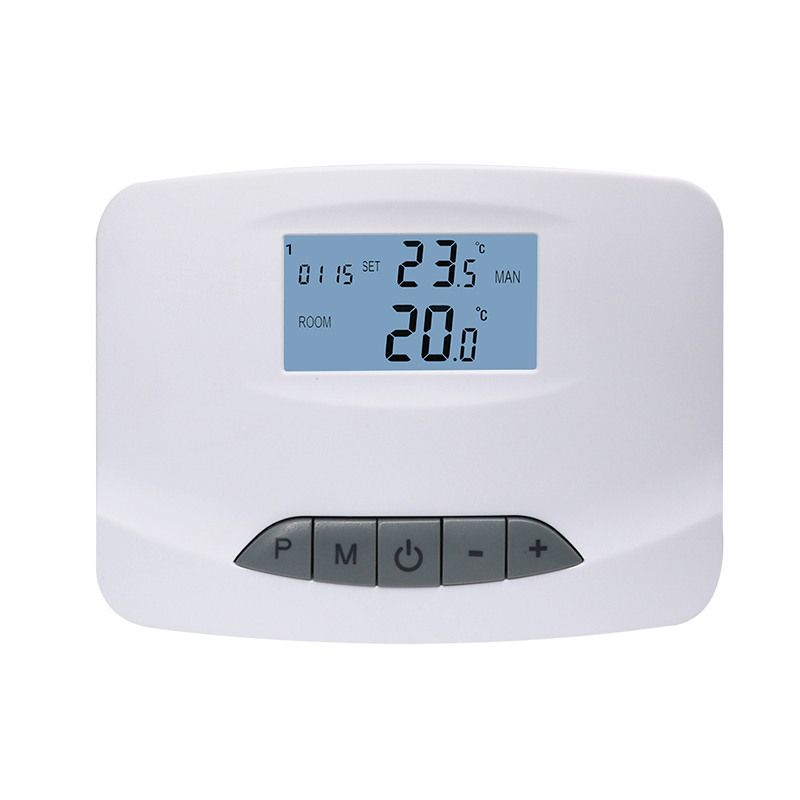
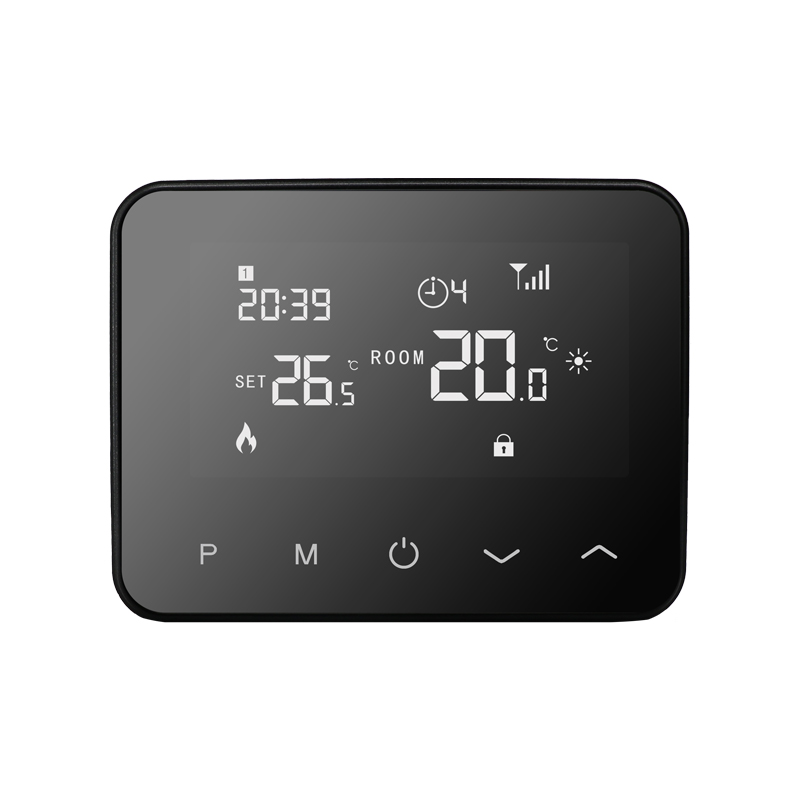

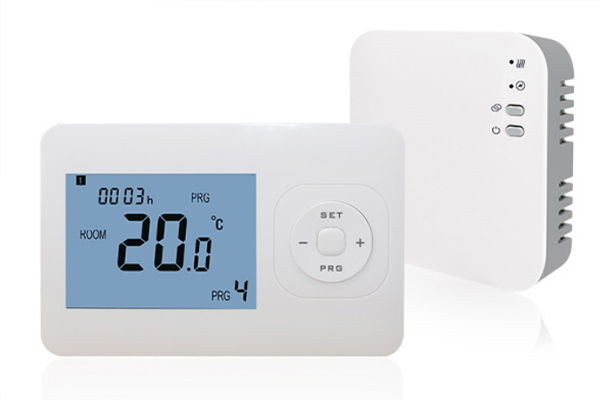
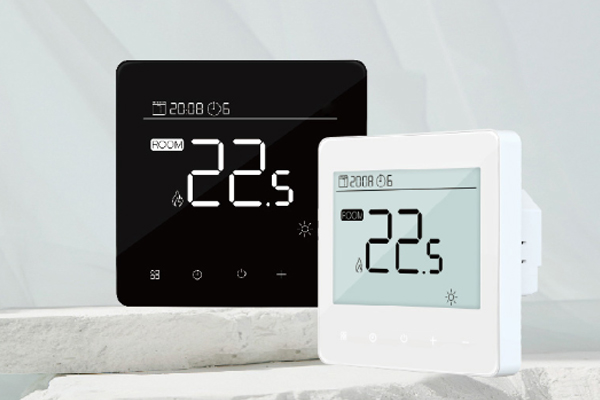
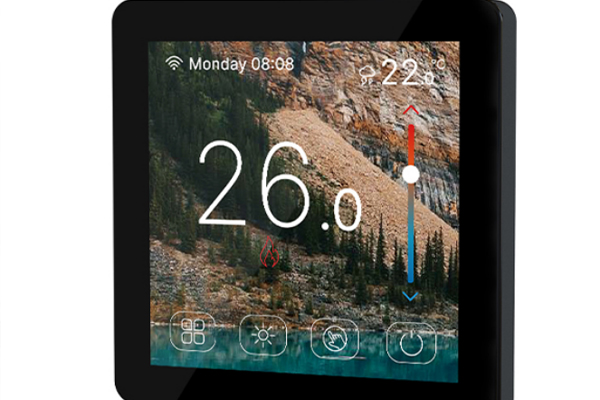
In the context of continuous upgrading of modern building heating systems, floor heating control methods are gradually developing from traditional wired structures to wireless intelligence. The wireless floor heating control system realizes independent adjustment and unified management of multiple areas through wireless communication between the centralized control center and the thermostats in each area, so that the heating system can maintain efficient operation in complex building environments. This method not only reduces the complexity of wiring construction, but also improves the system installation flexibility and later expansion capabilities, and is widely suitable for floor heating application scenarios in residential and commercial spaces.
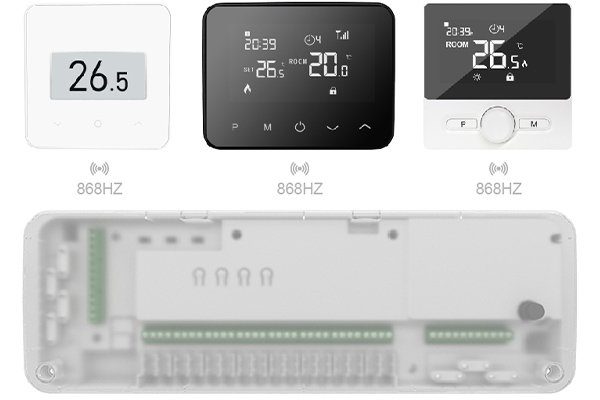
Wireless installation structure improves construction flexibility
During the installation process of floor heating systems, wiring complexity often directly affects construction efficiency and cost.
- No need for complicated wired wiring:Connect the thermostats in each area through wireless signals to avoid the complicated processes and extra costs caused by traditional wiring construction.
- Adaptable to different building structures:Not limited by walls and floors, it can be flexibly used in new construction or renovation projects.
The wireless installation structure overall reduces construction difficulty and significantly improves project deployment efficiency, making system implementation more flexible and efficient.
Multi-region independent control improves comfort experience
Different rooms often have obvious differences in temperature requirements in actual use. For example, the bedroom pays more attention to constant temperature comfort, while the living room or office area may require more flexible temperature changes. Therefore, the floor heating system must have the ability to finely control the zones. Through the collaborative work of the wireless control center and each room thermostat, each area can independently set the target temperature and adjust the operating status independently, so that different spaces can achieve differentiated heating management under the same system. At the same time, the system can also dynamically coordinate according to real-time temperature changes in each area to avoid local overheating or insufficient heating, thereby making the overall indoor environment more balanced and stable. This independent and collaborative control method not only improves the comfort of each space, but also makes the operation of the entire heating system more reasonable and efficient.
Centralized control improves system management efficiency
Multi-zone heating systems require unified management of core equipment to ensure stable operation.
- Unified control of boiler and pump systems:Automatically control the start and stop of boilers and circulating pumps according to the needs of each region to achieve centralized dispatch.
- Real-time coordination of operating status:Data from each region is synchronously fed back to the control center to achieve dynamic optimization of the overall system.
The centralized control mechanism improves system operation efficiency and makes heating management more unified, orderly, energy-saving and efficient.
System expansion capabilities adapt to various scenarios
Different building sizes have higher scalability requirements for heating systems.
- Supports multi-room expansion access:Temperature control nodes can be flexibly added to adapt to the needs of buildings of different sizes.
- Suitable for renovation and upgrade of new and old buildings:The wireless structure reduces construction restrictions and facilitates intelligent upgrades of old systems.
Good system scalability makes it suitable for a variety of building environments and has long-term upgrade and application value.
The floor heating wireless control system achieves a more efficient and intelligent heating management method through wireless installation structure, multi-zone independent control, centralized management mechanism and flexible expansion capabilities. It not only reduces construction complexity, but also improves system operation efficiency and user comfort experience. As modern buildings increasingly demand intelligence and energy saving, this type of wireless control solution is gradually becoming an important direction for upgrading floor heating systems, providing more reliable technical support for multi-scenario heating applications.