
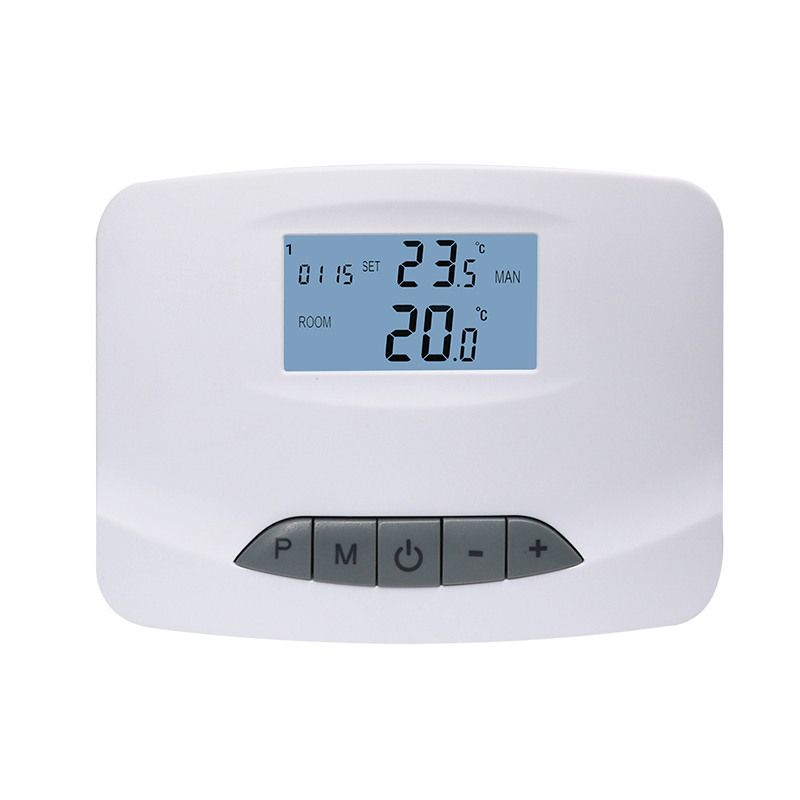
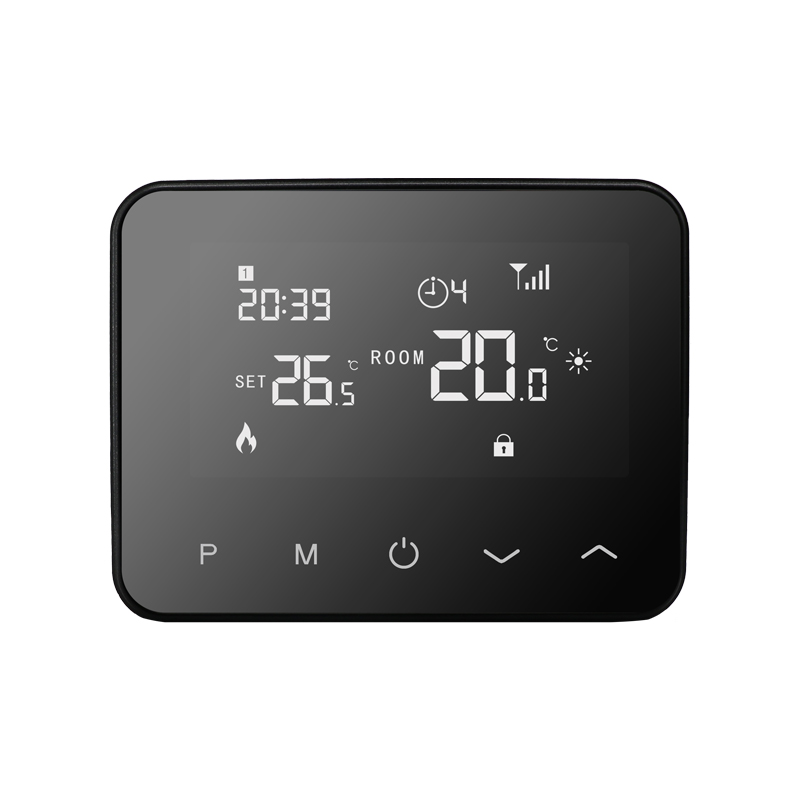
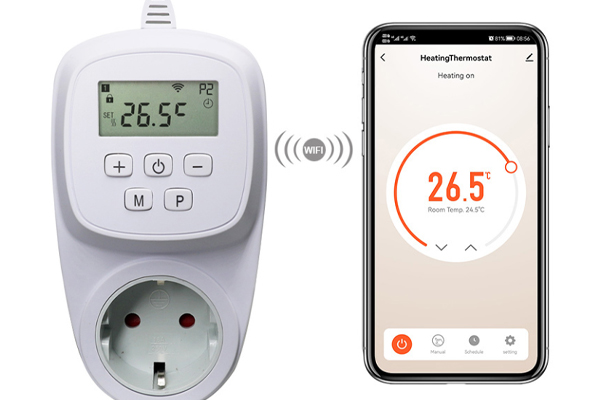
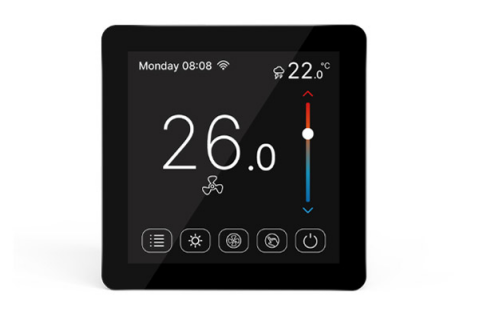
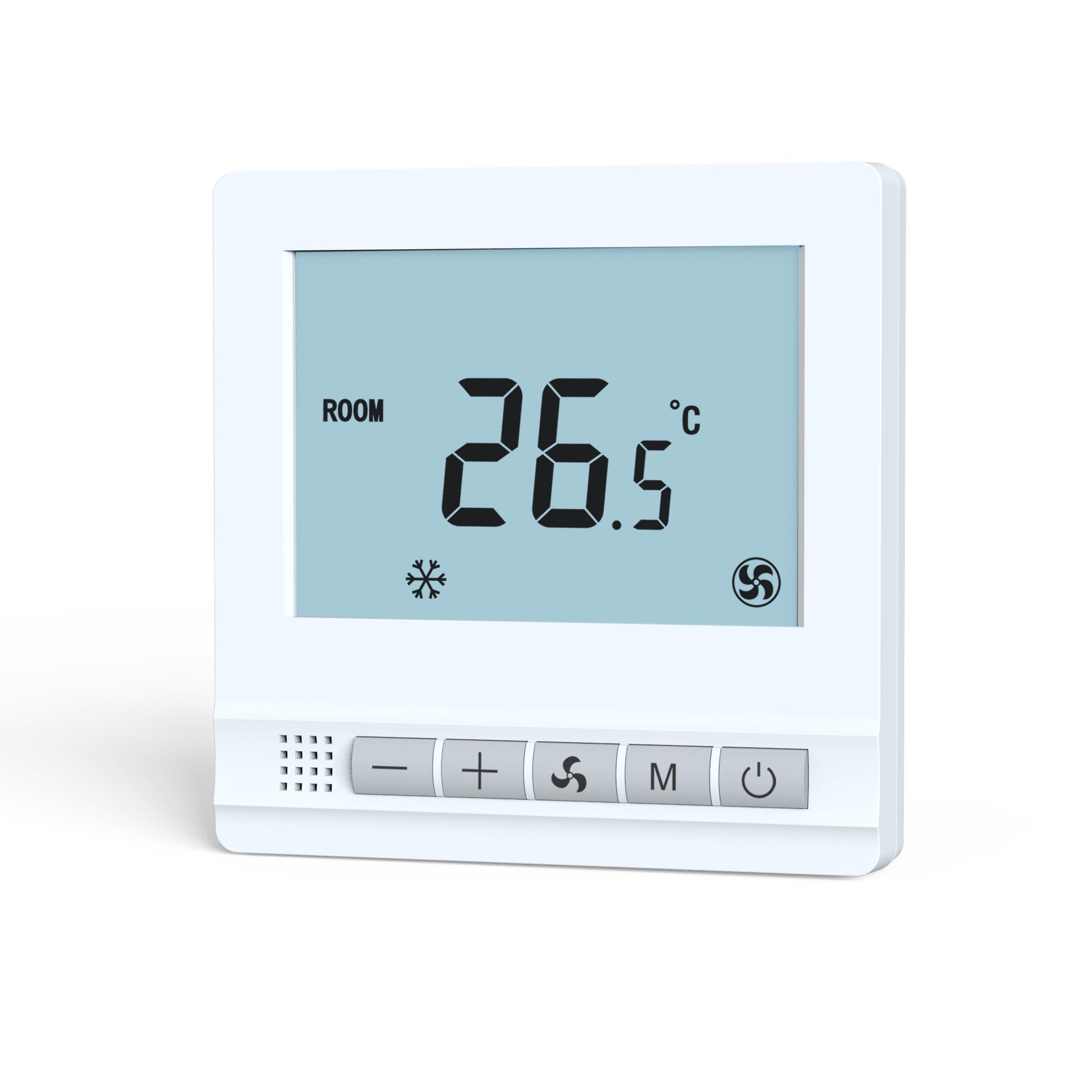
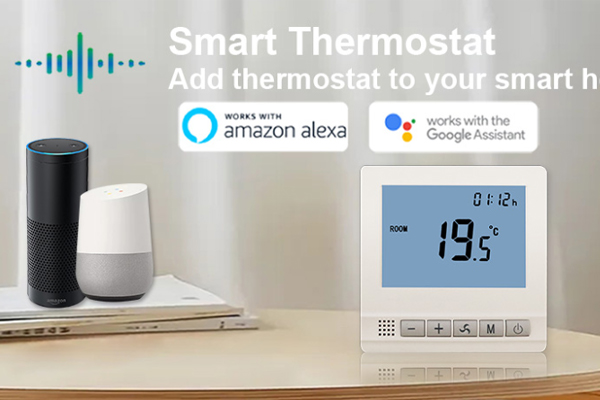

With the growing popularity of electric underfloor heating systems, thermostats have become the core control component of indoor heating. An electric underfloor heating thermostat directly affects indoor comfort, energy consumption, and overall system safety. Once a thermostat malfunctions, it may not only reduce heating performance but also lead to higher operating costs or potential safety risks. Understanding common thermostat faults and their solutions helps users identify problems early and ensure stable system operation.
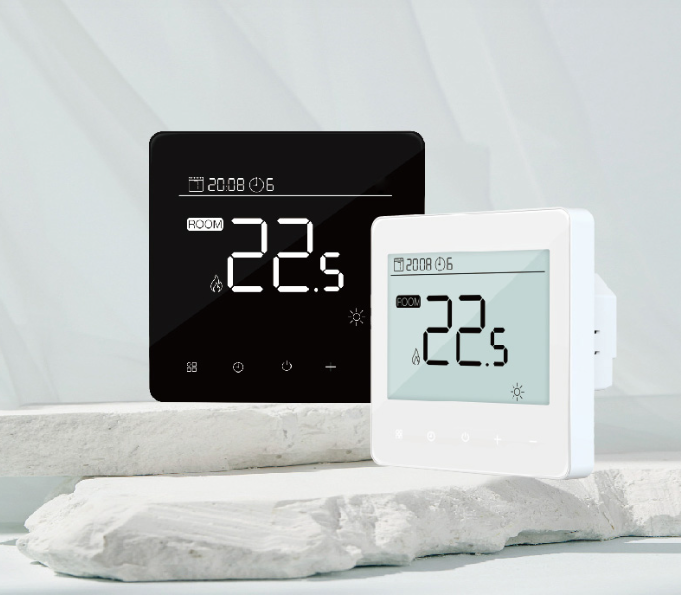
Thermostat Has No Display or Cannot Power On
One of the most common issues with electric underfloor heating thermostats is a blank screen or failure to power on. In most cases, this problem is related to the power supply. Possible causes include power outages, tripped circuit breakers, or loose wiring connections. Users should first confirm that household power is functioning normally and then check whether the wiring behind the thermostat is securely connected. If power is present but the thermostat still does not respond, internal power module failure may be the cause, which usually requires professional repair or replacement.
Heating Does Not Start Despite Normal Temperature Settings
When the thermostat display is normal and the temperature is set correctly, but the floor heating system does not activate, the issue often lies in the control signal or temperature sensor. A damaged or improperly installed sensor may cause incorrect temperature readings, preventing the thermostat from sending heating commands. In some cases, a faulty relay inside the thermostat can interrupt the heating circuit. Users should inspect the sensor connection first, and if necessary, replace the sensor or have the thermostat components professionally tested.
Inaccurate or Fluctuating Temperature Readings
Inaccurate temperature display is another frequent thermostat problem that can significantly affect comfort and energy efficiency. This issue is commonly caused by aging sensors, moisture exposure, or improper installation location. Sensors placed near heat sources, direct sunlight, or electrical appliances may produce misleading readings. Adjusting the sensor position to a more representative location often improves accuracy. If temperature deviations persist, replacing the sensor is usually the most effective solution.
Frequent On-Off Cycling or False Alarms
Frequent startup and shutdown of the heating system not only reduces comfort but can also shorten the lifespan of heating components. This behavior is often linked to improper thermostat parameter settings, such as an excessively small temperature differential. Unstable voltage or loose wiring connections may also trigger false alarms. Restoring factory settings and reconfiguring parameters can resolve many issues. If the problem continues, users should inspect the power supply and wiring stability.
Usage and Maintenance Recommendations
Proper usage and maintenance play a crucial role in reducing thermostat failures. Users should avoid frequent manual switching and instead maintain a stable temperature range. Regular inspections of wiring connections and keeping the thermostat dry and clean help prevent long-term issues. During renovation or maintenance work, extra care should be taken to protect the thermostat and temperature sensors from physical damage. Choosing a high-quality thermostat that is compatible with the electric underfloor heating system is also essential for minimizing failure rates.
Conclusion
Overall, most electric underfloor heating thermostat faults are related to power supply issues, temperature sensors, or internal control components. By understanding common fault symptoms and corresponding solutions, many problems can be detected and addressed at an early stage. Proper installation, reasonable usage habits, and routine maintenance not only extend the service life of the thermostat and heating system but also improve heating comfort and safety. For issues that cannot be resolved independently, seeking professional assistance remains the most reliable way to ensure long-term stable operation.