
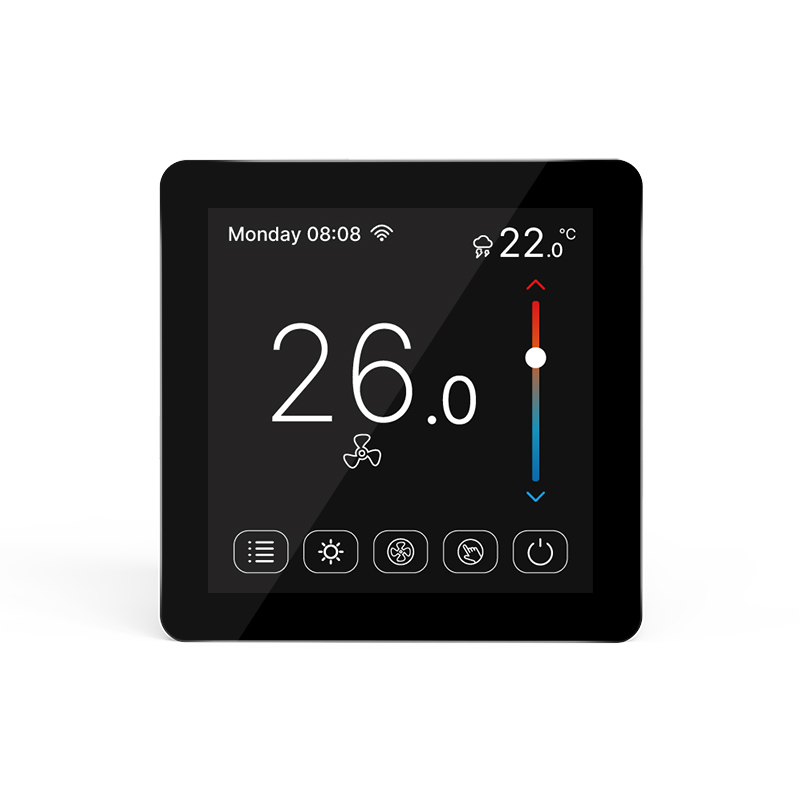
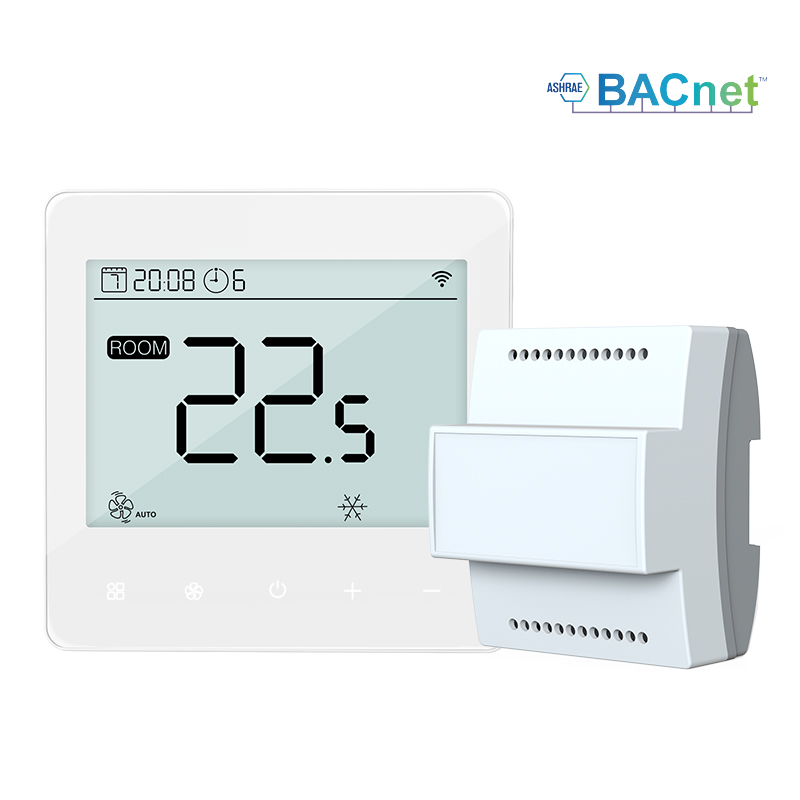
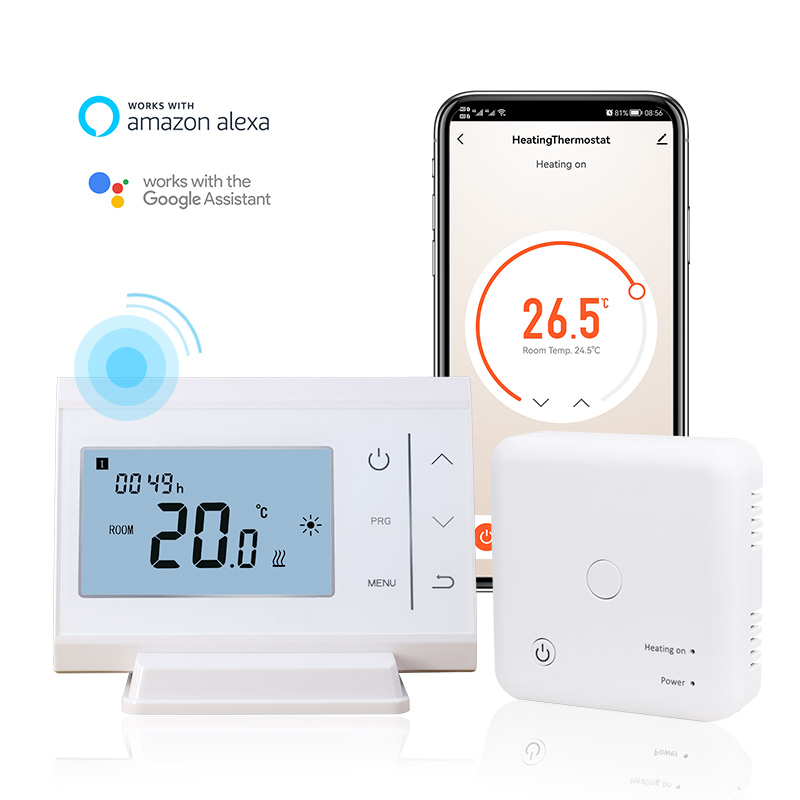
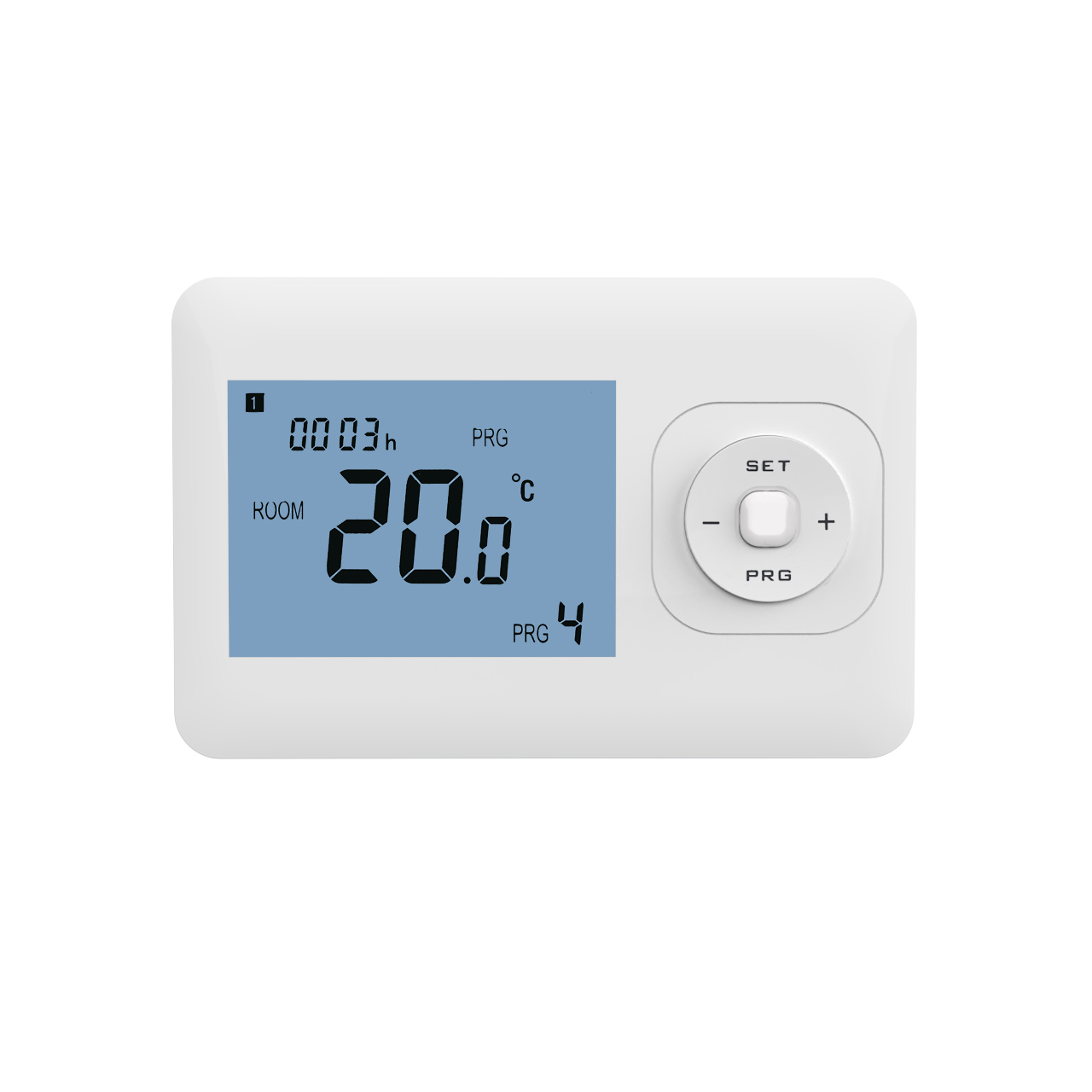
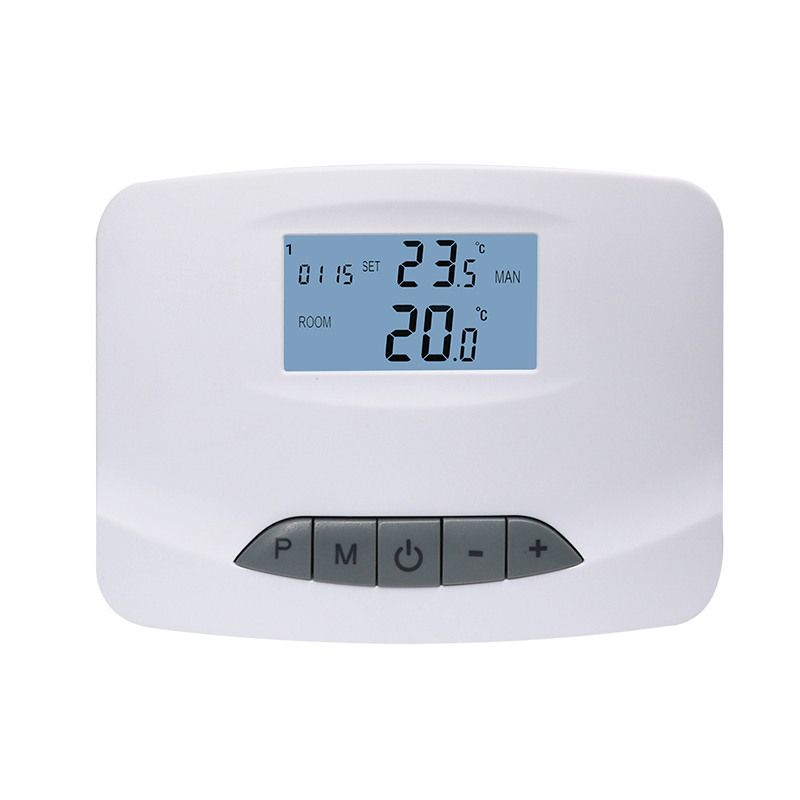
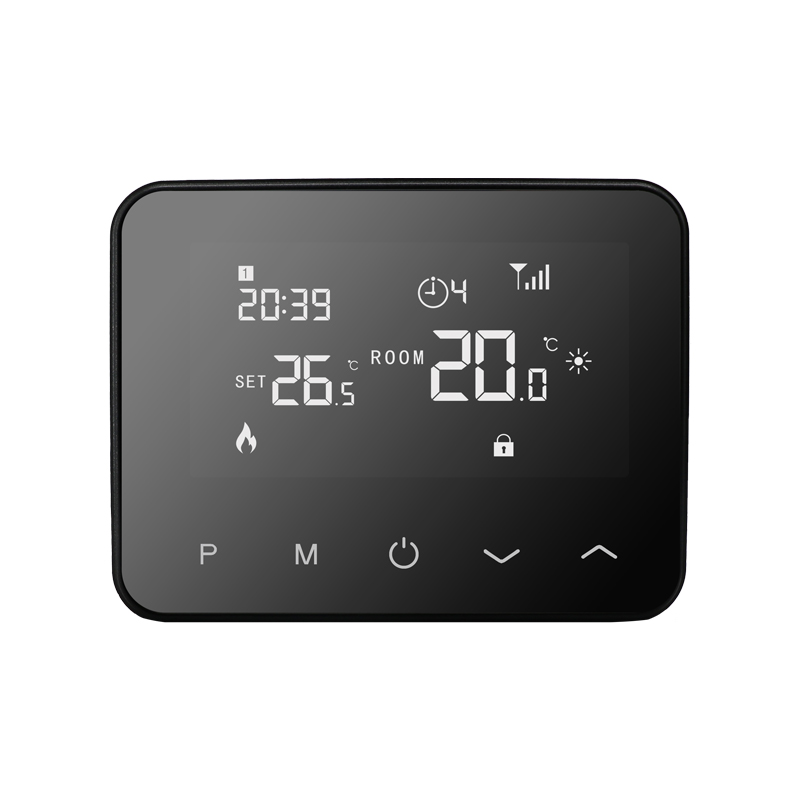
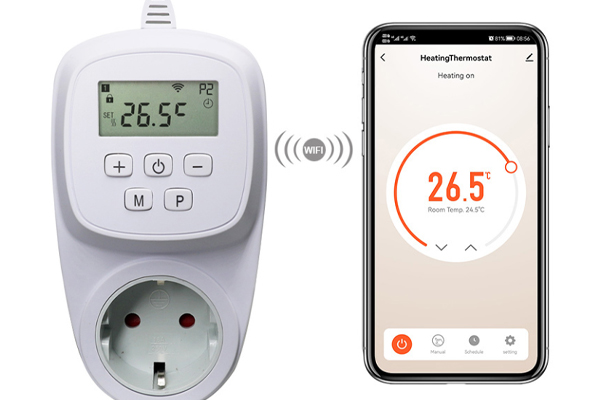
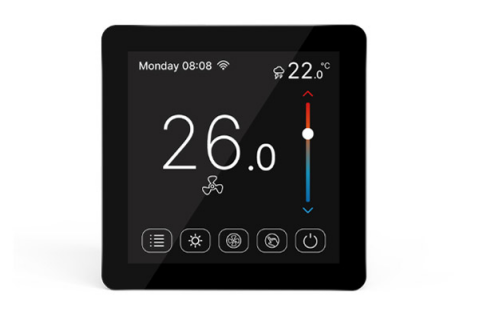
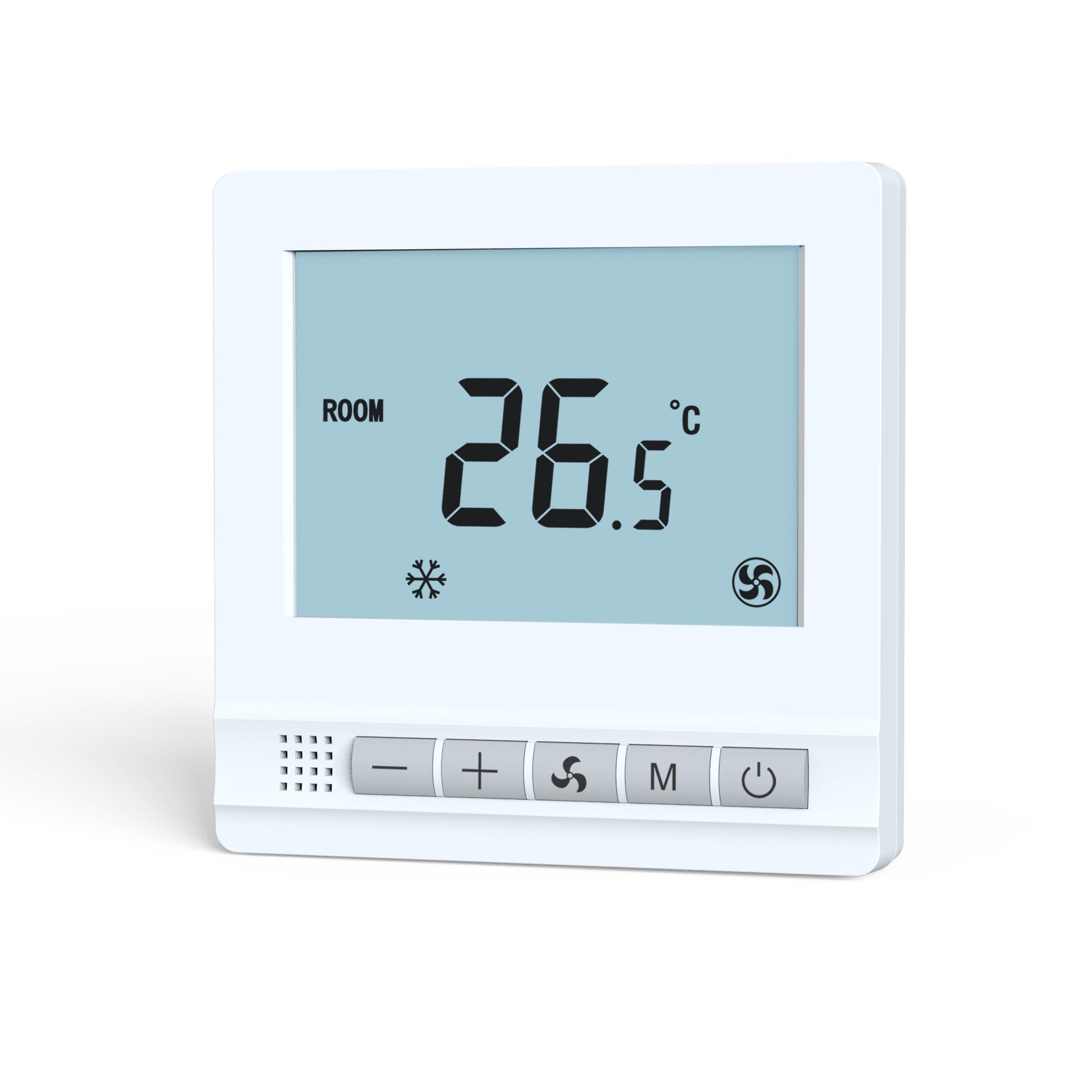
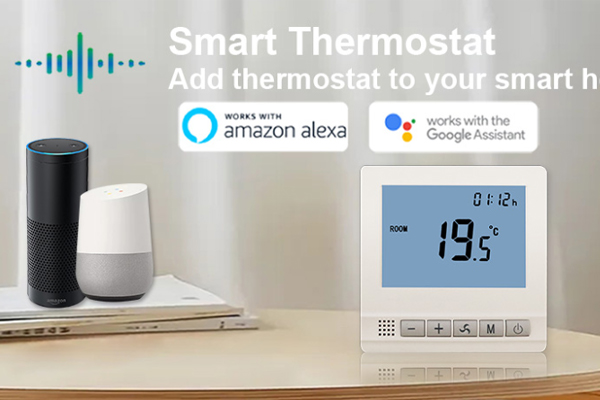

Electric floor heating is an essential solution for modern home comfort, and its electricity consumption has always been a major concern for users. Proper use of thermostats not only maintains a comfortable indoor temperature but also effectively reduces energy usage. This article provides practical energy-saving strategies by focusing on thermostat usage techniques, setting optimization, smart control, and routine maintenance.
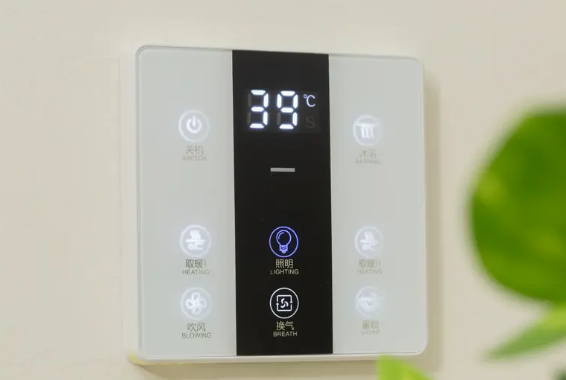
Set Appropriate Temperature Ranges
The primary function of a thermostat is to maintain a stable indoor temperature. Setting temperatures too high or too low increases energy consumption or reduces comfort. For winter, it is recommended to set the indoor temperature between 18°C and 22°C, a range that balances comfort and energy efficiency.
Different rooms may have different temperature needs. Bedrooms, living rooms, and kitchens can be set individually. Zoning control allows for localized heating, improving overall energy utilization.
Utilize Timers and Smart Controls
Modern electric floor heating thermostats often come with timer functions, allowing automatic temperature adjustments based on daily routines. For example, the temperature can be lowered during sleep and raised before returning home. Using timers effectively reduces unnecessary heating time, saving electricity.
Smart thermostats can also integrate with mobile apps and voice assistants, enabling remote control and scene-based automation. Users can lower temperatures when leaving home and increase them before arrival, ensuring comfort while reducing energy consumption.
Optimize Thermostat Usage Strategies
Energy savings also depend on usage habits and operational strategies:
Avoid frequent temperature changes: Constant adjustments cause power fluctuations and increased energy consumption.
Select the appropriate mode: Most thermostats offer energy-saving, comfort, and manual modes. Choosing energy-saving or smart modes helps reduce consumption while maintaining comfort.
Leverage the thermal inertia of floor heating: Setting the temperature slightly earlier allows the system to utilize stored heat, reducing peak power consumption.
Routine Maintenance for Efficiency
Thermostat and floor heating system maintenance also affects energy efficiency:
Regularly clean thermostat sensors: Dust or obstructions can cause inaccurate readings, leading to overheating.
Check floor heating pipes and cables: Blocked pipes or aging cables reduce heat transfer efficiency, indirectly increasing electricity use.
Ensure room insulation: Poor sealing of doors and windows results in heat loss, forcing the system to run longer and consume more power.
Combine with Energy-Saving Devices
Energy efficiency can be further enhanced by integrating supporting devices, such as smart zone controllers, additional temperature sensors, or energy-saving apps. These tools monitor real-time temperature and automatically adjust power output, improving overall system efficiency.
Conclusion
In summary, the key to energy saving with electric floor heating thermostats lies in proper temperature settings, timer and smart controls, optimized usage strategies, and regular maintenance. Applying these methods scientifically ensures a comfortable indoor environment while effectively reducing electricity consumption, providing an efficient and eco-friendly heating solution for homes.