
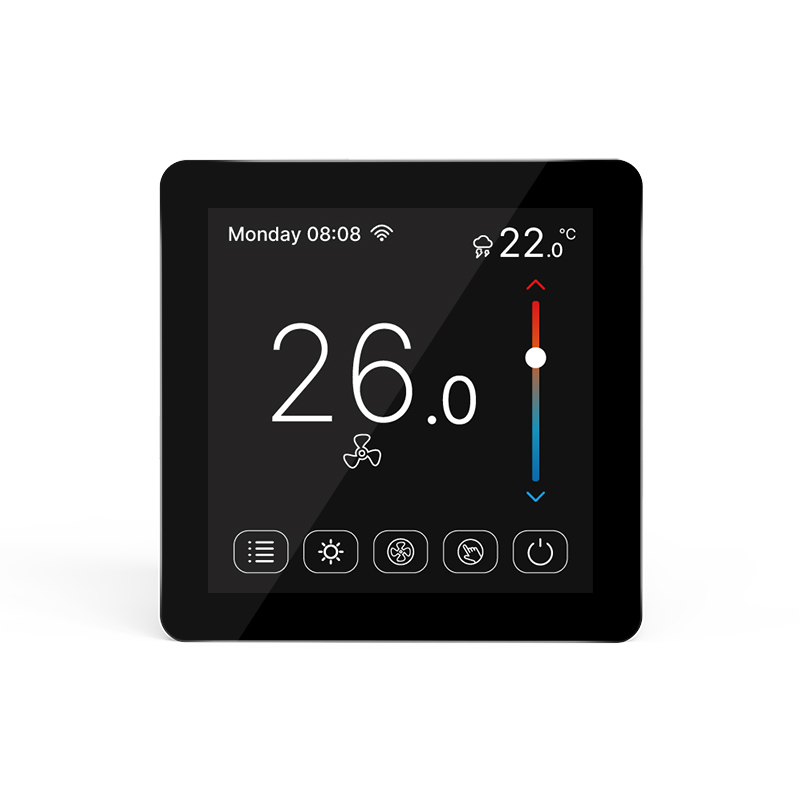
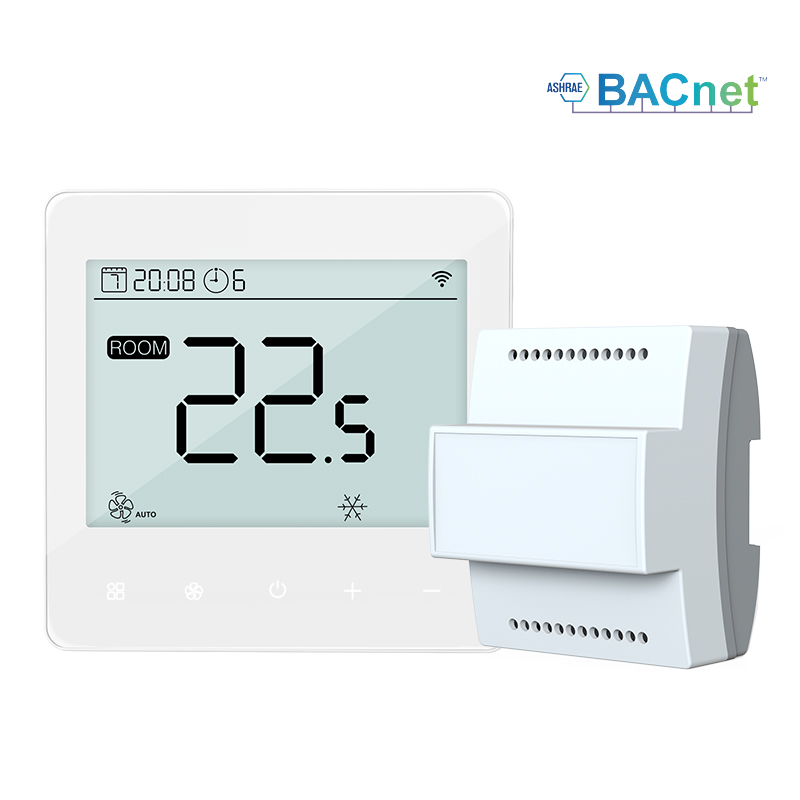
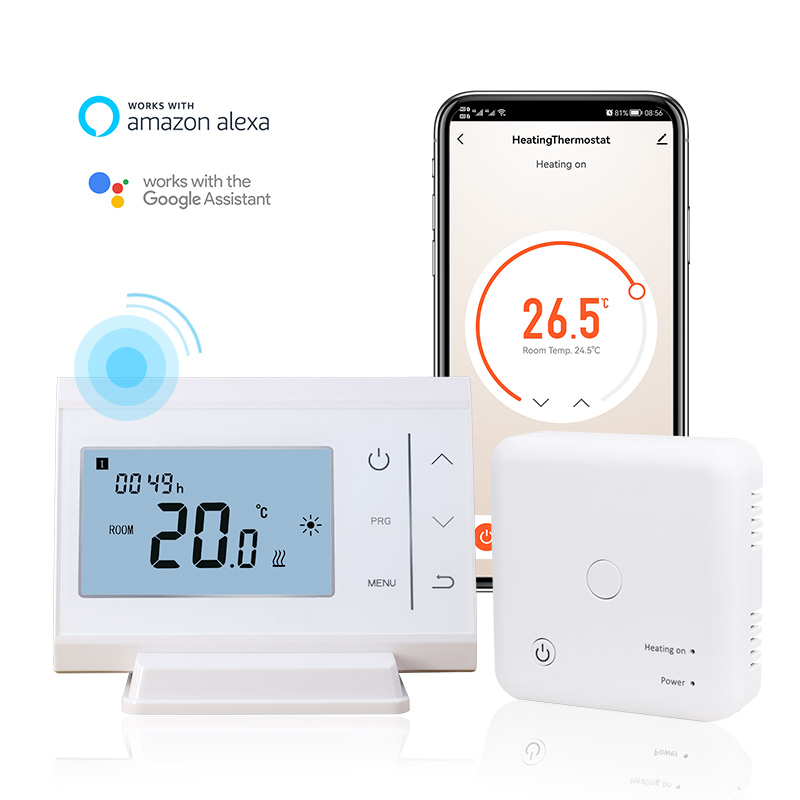
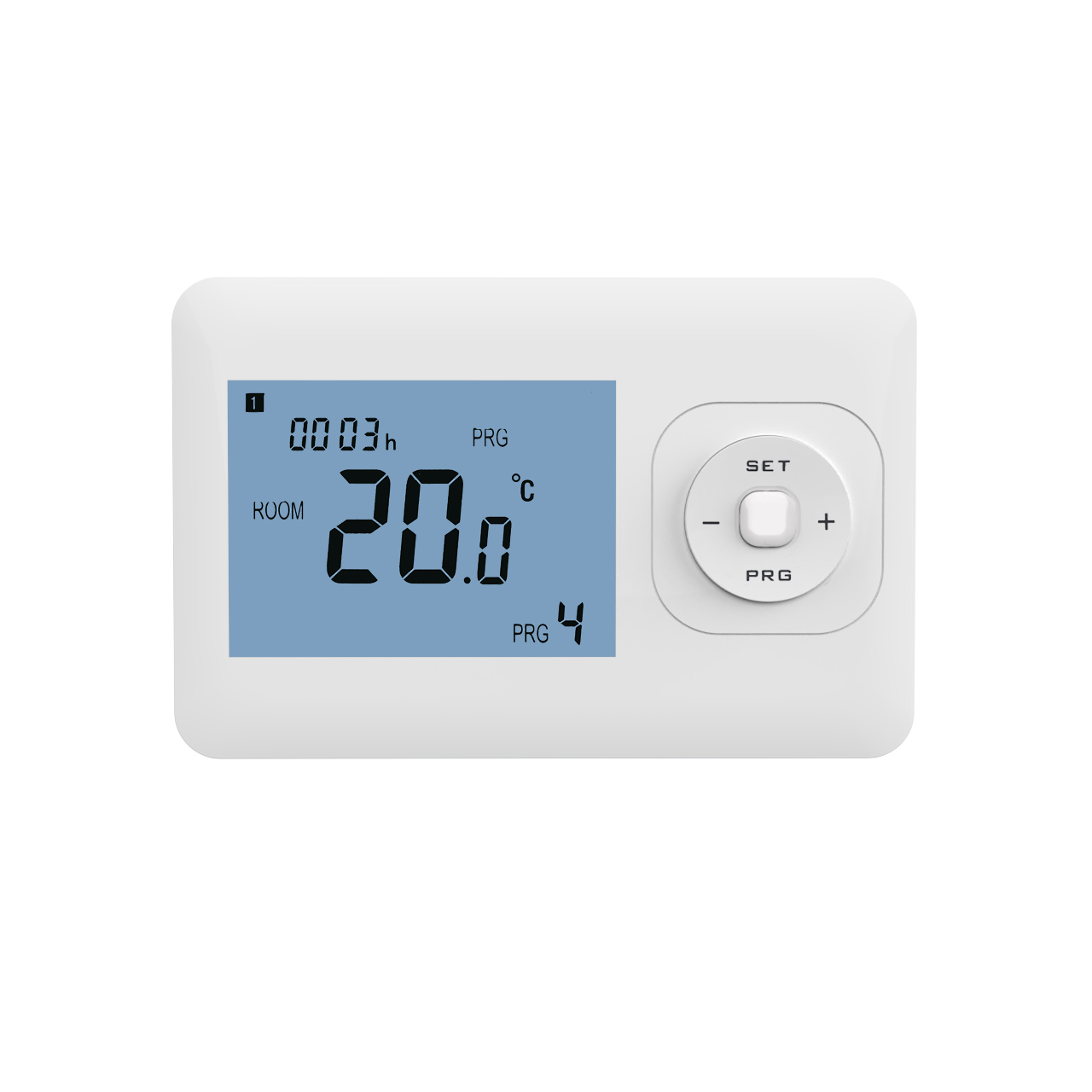
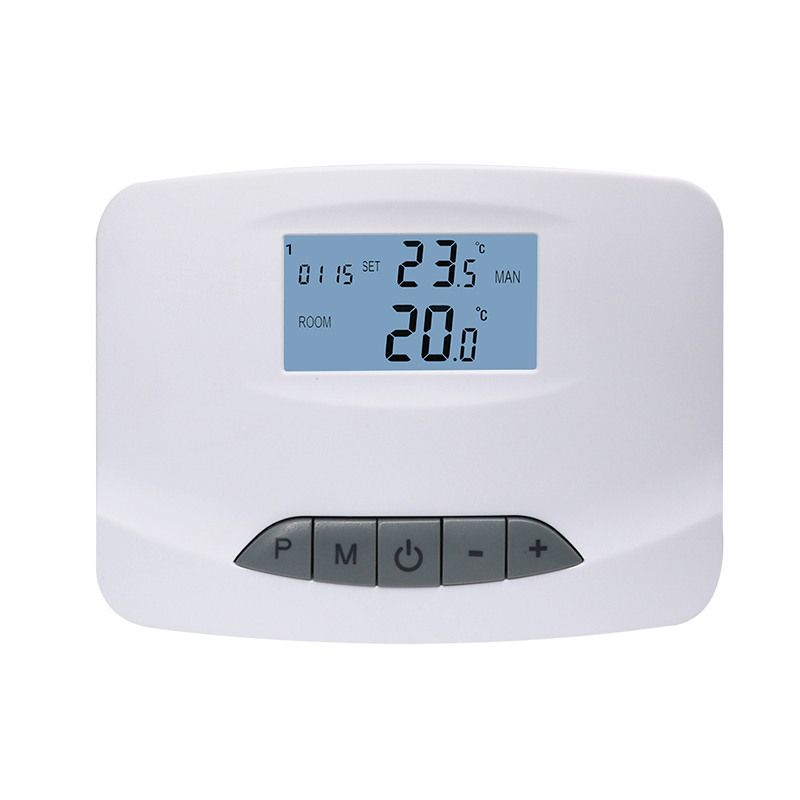
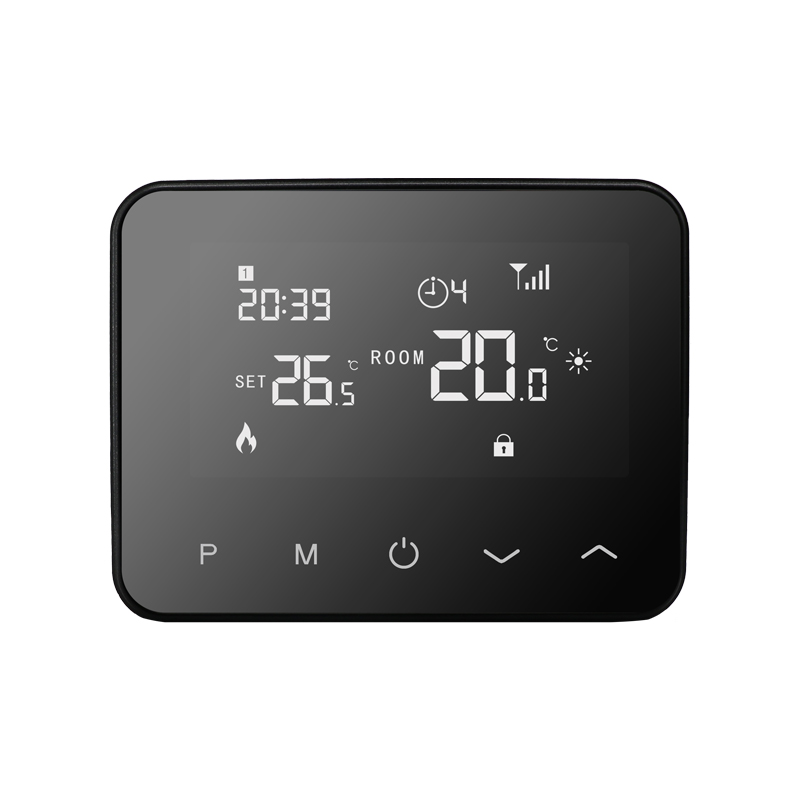
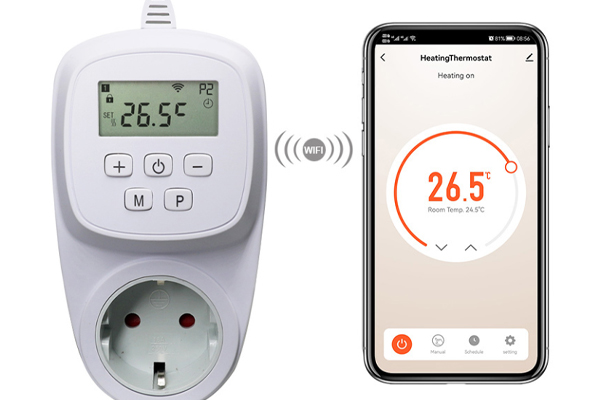
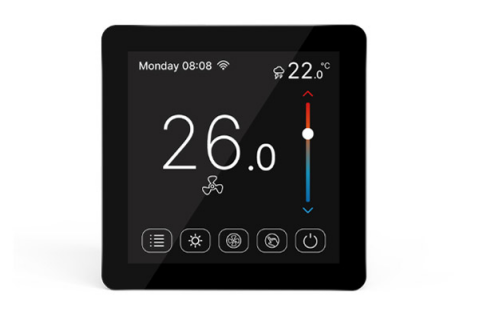
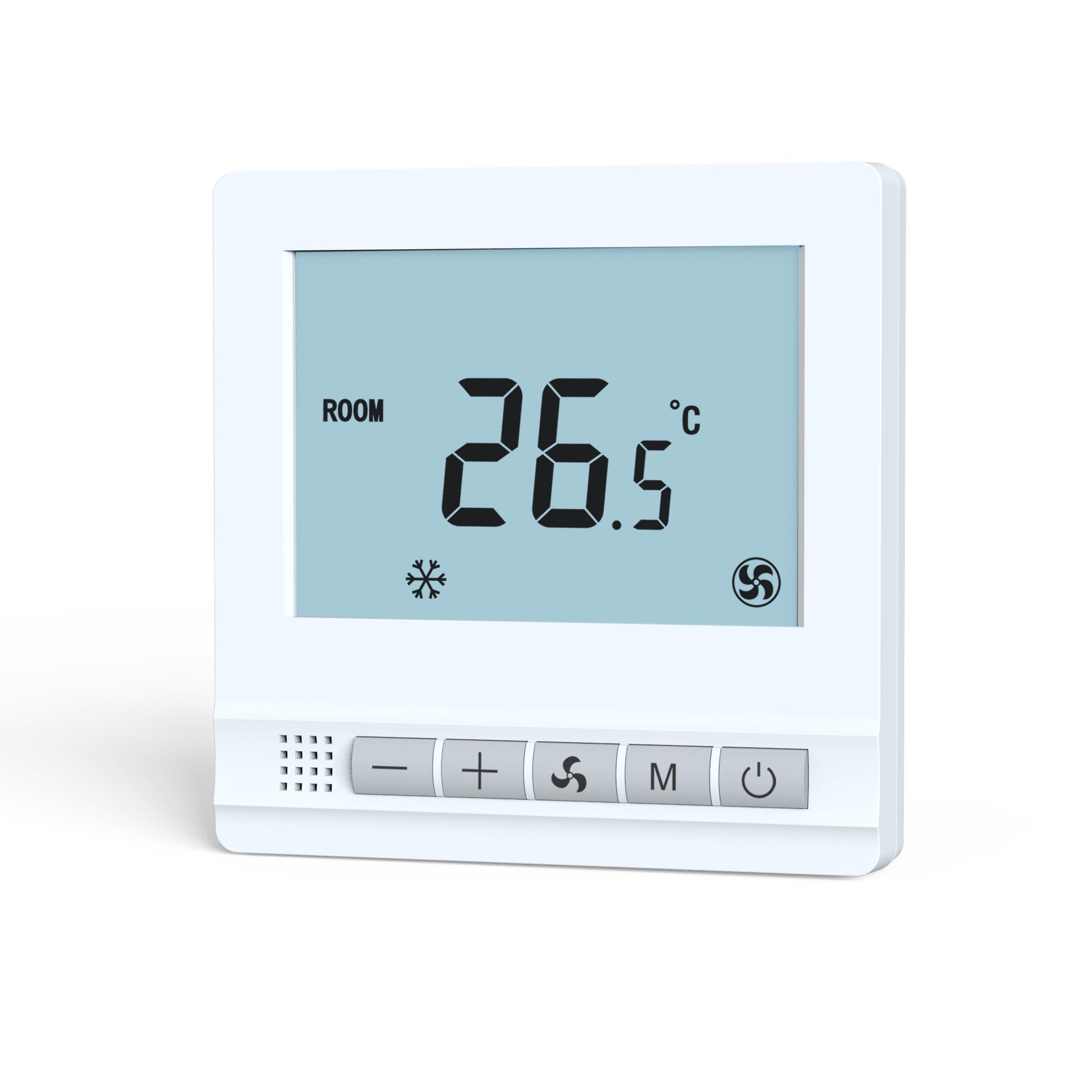


Electric floor heating systems have become an important solution for modern home heating due to their comfort, energy efficiency, and safety. The thermostat, as the core device for controlling indoor temperature, directly affects home comfort, energy consumption, and the lifespan of the floor heating system. Therefore, understanding the temperature setting standards and reference values for electric floor heating thermostats is essential for homeowners.
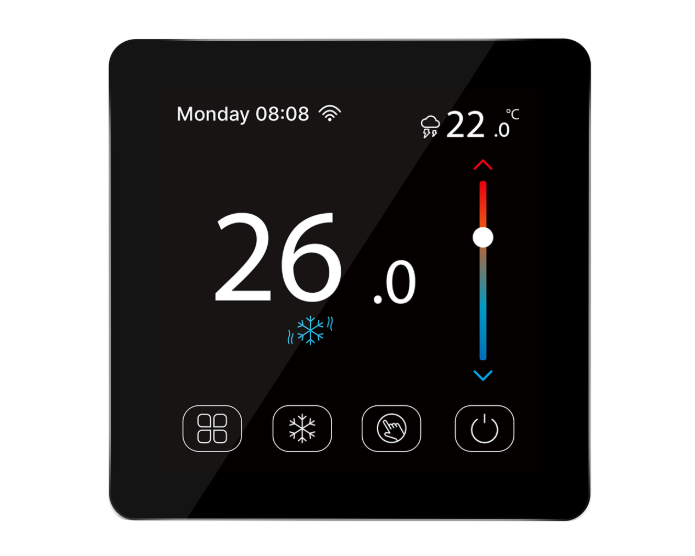
Common Thermostat Temperature Setting Standards
Electric floor heating thermostats typically adjust the temperature by controlling either the water temperature in the heating pipes or directly regulating room temperature. Generally, thermostat temperature settings should follow the following standards:
Living Area Temperature Standard: According to national building energy codes and comfort guidelines, the indoor temperature for living rooms and bedrooms should generally be maintained between 18°C and 22°C. Temperatures that are too high or too low can affect comfort and increase energy consumption.
Bathroom Temperature Standard: Bathrooms are smaller spaces, and their air temperature changes quickly. It is recommended to set the thermostat at 24°C–26°C to ensure a comfortable bathing experience while minimizing cold drafts.
Nighttime Temperature Adjustment: To save energy and ensure sleep quality, the indoor temperature at night can be lowered by 2–3°C, typically maintaining 16°C–19°C.
Reasonable temperature standards not only improve comfort but also extend the life of floor heating pipes and thermostats, preventing excessive load caused by overly high temperatures.
Reference Temperature Values for Different Rooms
Since different rooms serve different functions, thermostat settings should be adjusted accordingly:
Living Room: As the most frequently used space, the temperature can be set at 20°C–22°C to ensure comfort during daily activities.
Bedroom: For sleeping, a slightly lower temperature is recommended, around 18°C–20°C, to promote restful sleep and save energy.
Kitchen: With heat generated during cooking, the temperature can be slightly lower, typically 18°C–20°C.
Bathroom and Washroom: A slightly higher temperature is recommended, around 24°C–26°C, to prevent cold exposure while bathing.
Children’s Room: The temperature should remain stable, around 20°C, to ensure comfort and safety for children.
Using zone-specific thermostat settings not only enhances comfort but also effectively reduces energy consumption, achieving intelligent energy-saving results.
Thermostat Adjustment Tips
When setting the temperature, consider the following points:
Avoid Frequent Adjustments: Frequent manual adjustments increase the number of start-stop cycles for the floor heating system, reducing the lifespan of pipes and increasing energy use.
Use Room Temperature Sensors: Most modern thermostats are equipped with indoor temperature sensors. Adjust settings based on actual room temperature rather than just the scale value.
Match Household Schedules: Use the thermostat’s timer function to set different temperatures for daytime, nighttime, and away modes, improving comfort while saving energy.
Avoid Excessively High Temperatures: Heating above 28°C increases energy consumption and may damage pipes or floor materials.
Scientific adjustment methods ensure efficient operation of the floor heating system while minimizing unnecessary electricity costs.
Conclusion
The temperature setting standards and reference values for electric floor heating thermostats are essential for maintaining indoor comfort and energy efficiency. By adjusting thermostat settings based on room function, daily routines, and environmental conditions, homeowners can achieve efficient heating, extend equipment lifespan, and reduce energy waste. Proper thermostat management not only improves the living experience but also contributes to an energy-saving, comfortable, and eco-friendly home environment.