
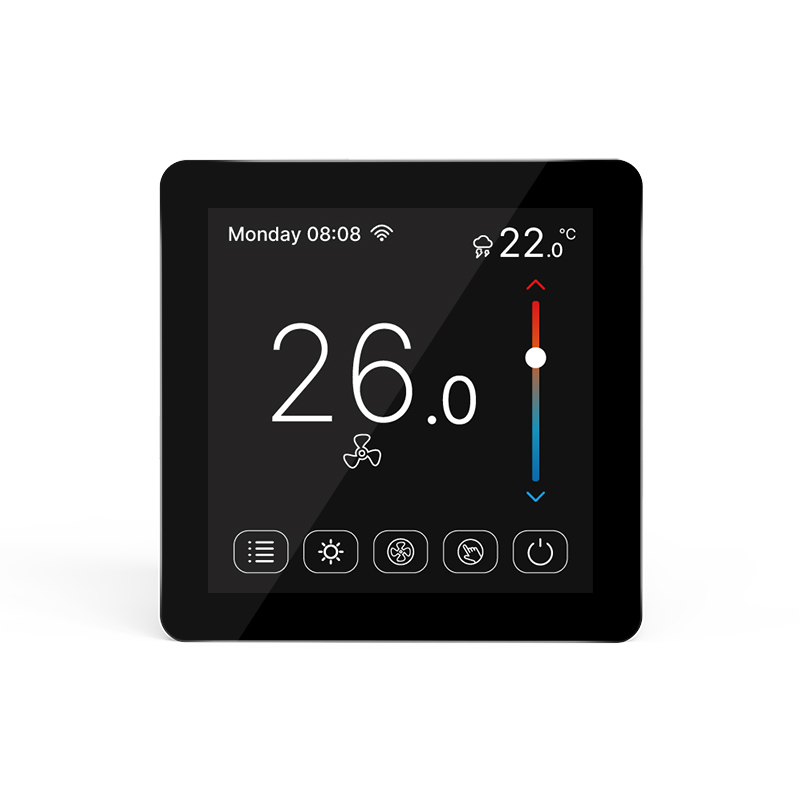
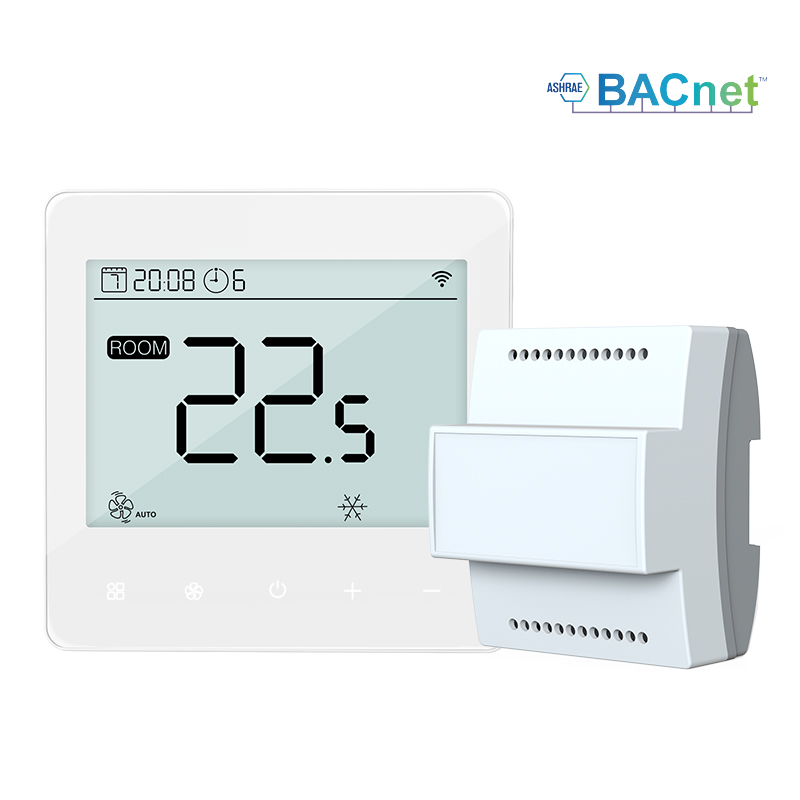
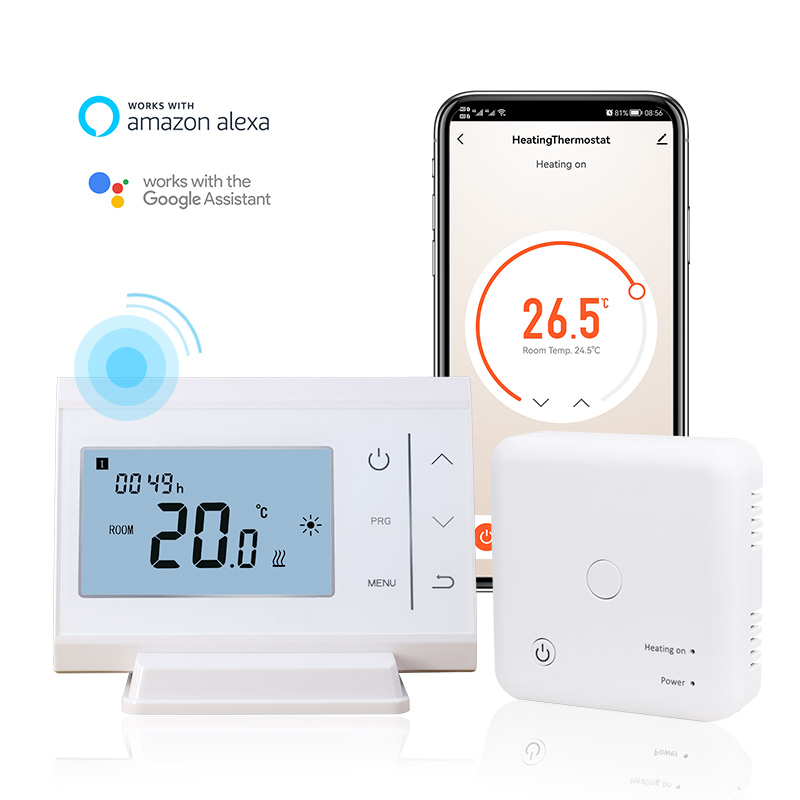
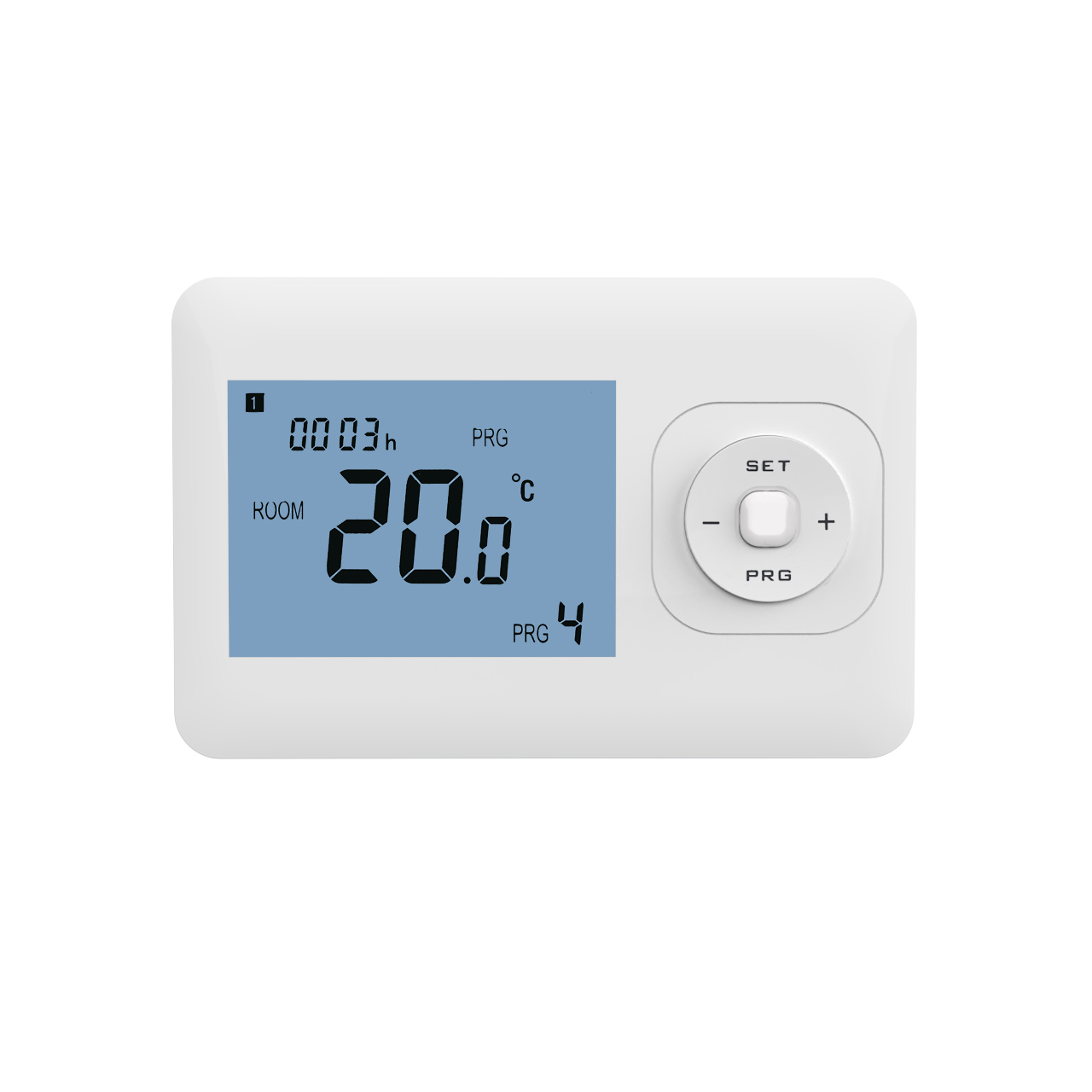
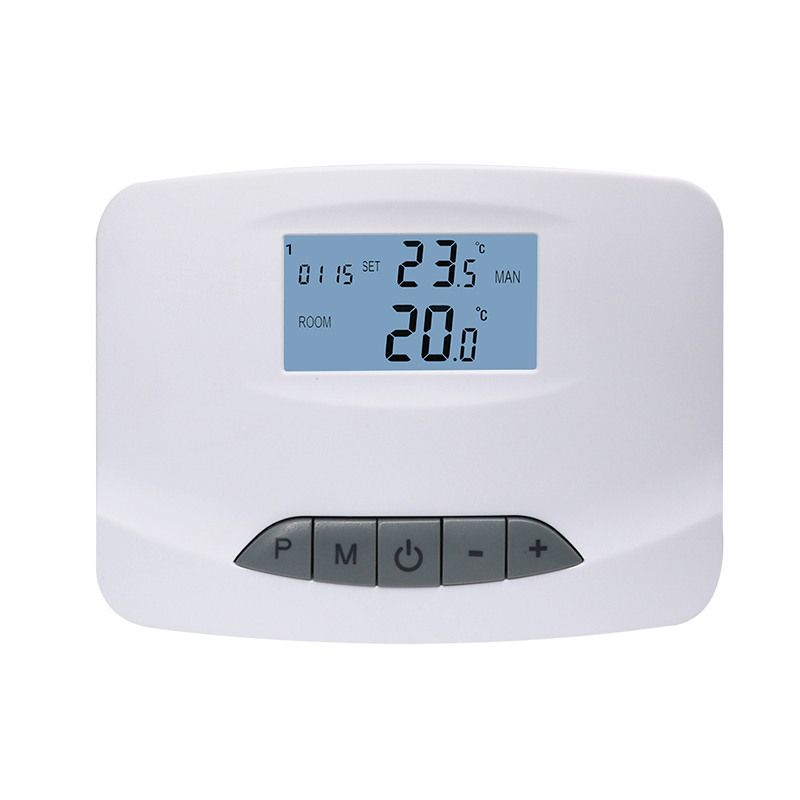
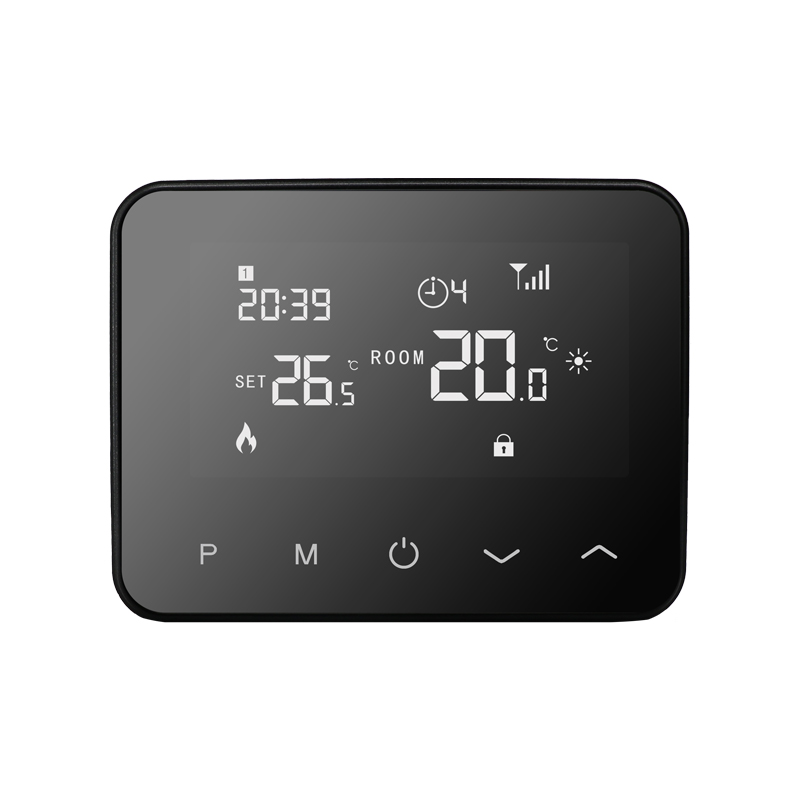
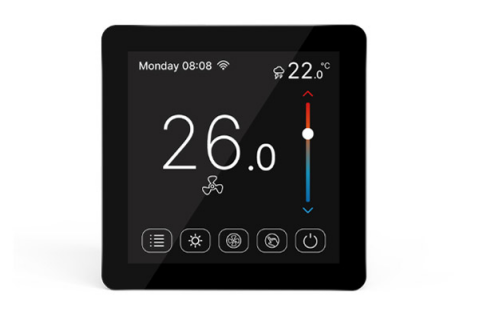

In today’s booming smart home era, thermostats, as key devices for regulating indoor temperature, directly impact home comfort and energy efficiency. Wireless and wired thermostats, as the two main types on the market, each have their unique advantages and applicable scenarios. Determining which is better requires comprehensive consideration from multiple dimensions.

From the perspective of installation convenience, wireless thermostats have a clear advantage. Traditional wired thermostats require advance wiring planning during installation, which is not only cumbersome but may also damage wall or ceiling structures due to wiring requirements, increasing renovation costs and time. Wireless thermostats, on the other hand, eliminate the constraints of cables and complex wiring, making them easy to install in both new home renovations and old home remodeling. Users can flexibly adjust the thermostat’s position according to actual needs and even move it freely between different rooms, greatly improving ease of use. For example, for families that have already renovated and want to upgrade their temperature control system, wireless thermostats are undoubtedly a better choice, avoiding the hassle and cost of rewiring.
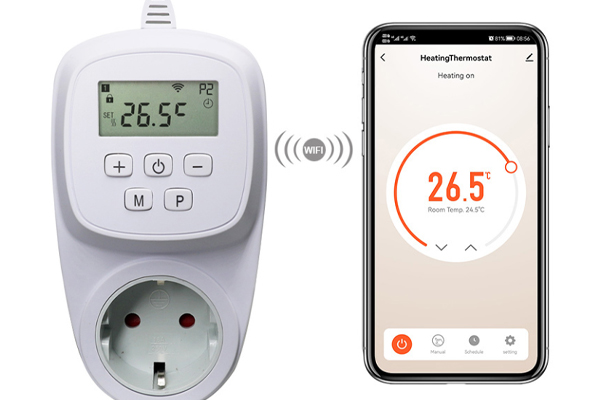
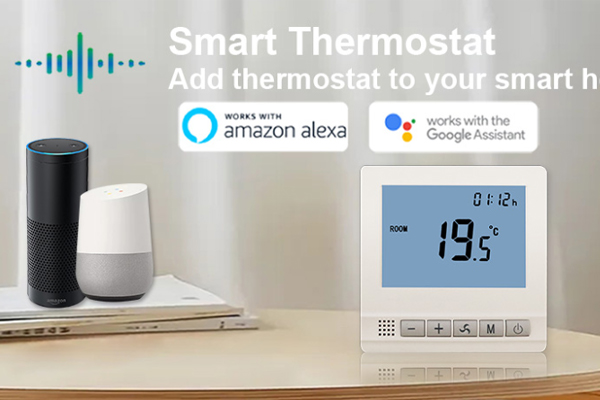
In terms of feature richness and intelligence, wireless thermostats also perform excellently. With the widespread adoption of IoT technology, most wireless thermostats support remote control via mobile apps, allowing users to monitor indoor temperature in real-time and adjust it remotely as needed, regardless of their location. Some high-end wireless thermostats also feature intelligent learning capabilities, automatically adjusting temperature settings based on user habits for truly intelligent temperature control. For example, when a user leaves home, the thermostat can automatically lower the temperature to reduce energy waste; as they approach their return, it can preheat the temperature to ensure a comfortable environment upon arrival. In contrast, wired thermostats have relatively limited functionality, primarily focusing on basic temperature adjustment and exhibiting lower levels of intelligence.
However, wired thermostats are not without advantages. Regarding signal stability, wired thermostats, relying on physical wiring, are immune to external interference, ensuring strong stability and precise temperature control. While wireless thermostats utilize advanced wireless communication technology, they can still be affected by interference from other wireless devices in complex electromagnetic environments, leading to unstable signal transmission and impacting temperature control performance. Furthermore, wired thermostats do not require battery power; they operate as long as the device is plugged in, avoiding the inconvenience of frequent battery replacements and reducing maintenance costs. For environments with extremely high signal stability requirements or significant electromagnetic interference, wired thermostats offer greater reliability.
In terms of price, wireless thermostats, integrating more advanced technologies and functions, are generally more expensive than wired ones. For users with limited budgets, wired thermostats offer better value for money due to their affordability. However, considering long-term operating costs and energy efficiency, the intelligent energy-saving features of wireless thermostats can offset their higher initial purchase cost to some extent, providing users with better overall benefits.
Both wireless and wired thermostats have their advantages and disadvantages; the best choice depends on specific needs and usage scenarios. If ease of installation, rich functionality, and a smart experience are prioritized, wireless thermostats are undoubtedly the better option; if signal stability and affordability are paramount, wired thermostats are more suitable. In the wave of smart homes, consumers can weigh the pros and cons based on their own needs and choose the most suitable thermostat to add comfort and convenience to their home life.