
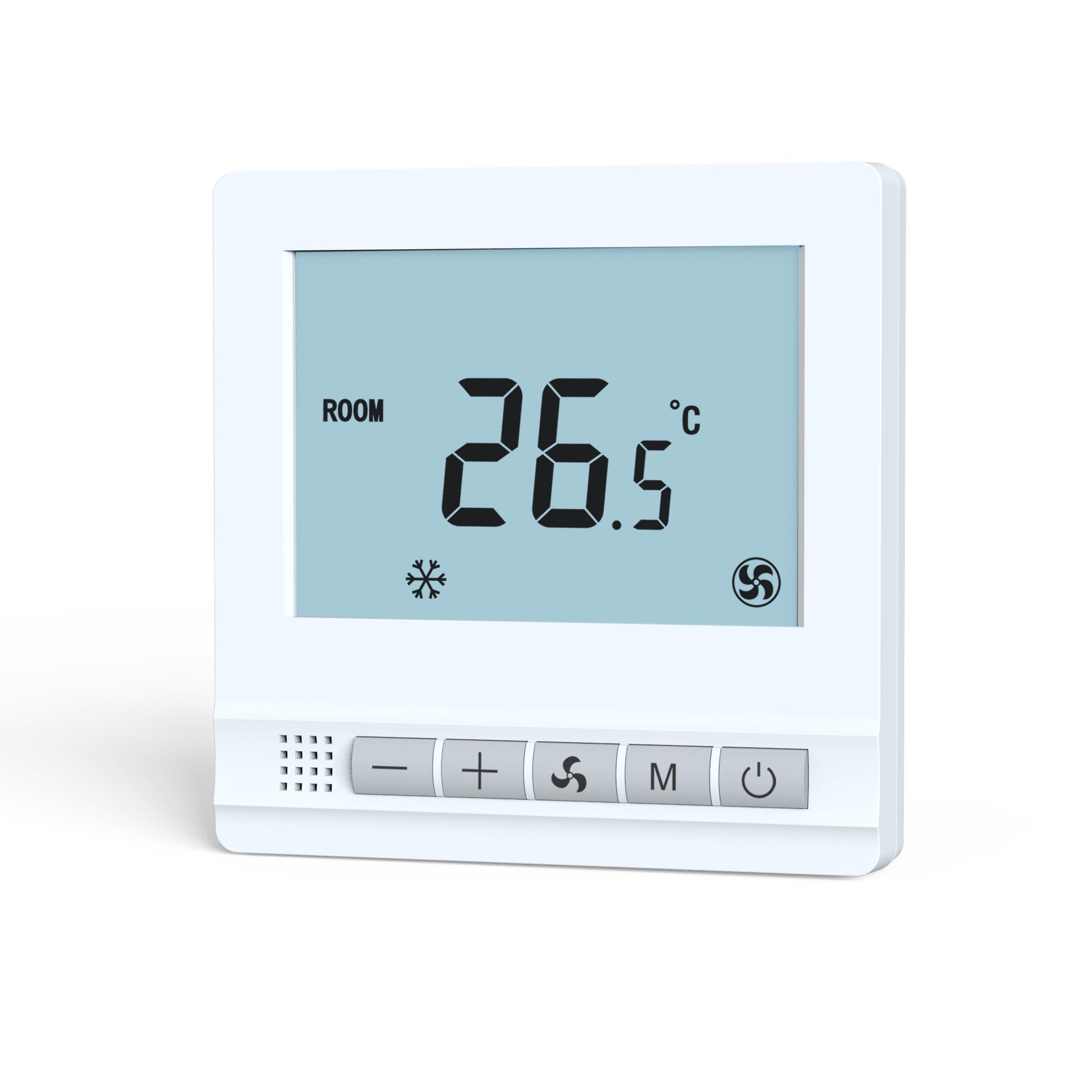
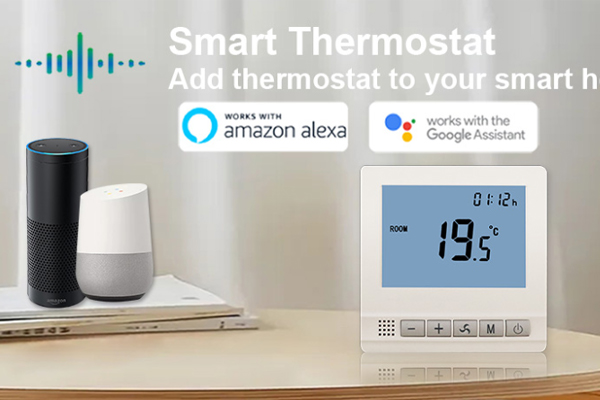
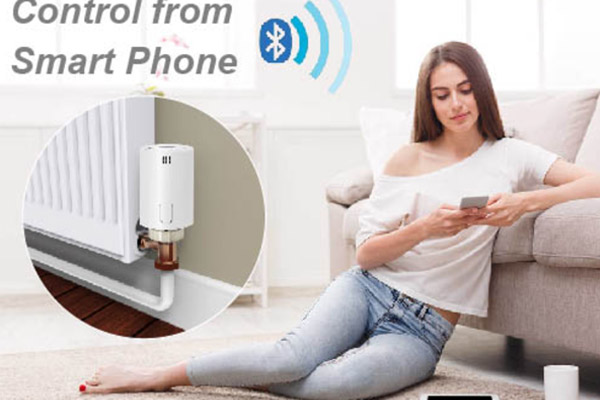
With the growing emphasis on energy-efficient buildings, dual-function fan coil and underfloor heating heat pump systems have become increasingly popular in residential and commercial projects. This integrated system combines fan coil cooling and underfloor radiant heating, using a heat pump as the core energy source to provide both winter heating and summer cooling. Compared to traditional air conditioning or single heating systems, it offers improved comfort, energy efficiency, and better space utilization. Understanding where this system performs best helps developers and property owners make informed planning decisions.
Residential Application Scenarios
In residential environments, dual-function systems provide year-round climate control and are particularly suitable for homes with higher comfort expectations:
- Villas and self-built houses with larger floor areas and zoning requirements
- High-end apartments that prioritize quiet operation and even heating
- Newly constructed residential buildings where piping can be planned during renovation
- Premium housing projects seeking to enhance property value and competitiveness
Underfloor heating delivers uniform radiant warmth during winter, while fan coils provide fast and effective cooling in summer, creating a balanced indoor climate throughout the year.
Commercial Space Applications
Commercial buildings require stable temperature control and efficient energy management. Dual-function systems adapt well to varying operating hours and occupancy patterns:
- Office buildings with zone-based temperature control
- Hotels and guesthouses balancing guest comfort and operational costs
- Retail stores and showrooms requiring quick seasonal adjustments
- Educational and training facilities needing reliable long-term operation
Heat pump systems demonstrate high energy efficiency ratios in medium to large commercial spaces, helping reduce long-term operational expenses.
Suitable for Integrated Planning in New Construction
This system requires coordinated piping and equipment installation, making it ideal for new construction projects. Residential complexes or commercial developments can reserve pipe routes and equipment spaces during structural planning, reducing later modification costs. Underfloor heating pipes are embedded within floor layers, while fan coils are installed in ceilings or wall spaces, allowing efficient use of interior layouts.
Early coordination of water circulation paths, heat pump placement, and electrical configuration improves system performance and simplifies maintenance.
Climate Suitability Analysis
Dual-function fan coil and underfloor heating heat pump systems perform particularly well in regions with cold winters and hot summers. Heat pumps extract energy from air or water sources to provide efficient heating and cooling.
- Cold northern regions where the system can replace traditional gas boilers
- Areas with distinct seasonal temperature differences requiring year-round solutions
- Coastal temperate cities with moderate but variable climates
- Energy-efficient demonstration zones aligned with low-carbon building standards
In extremely cold climates, auxiliary heating equipment may be required to maintain stable performance during low outdoor temperatures.
Spaces with High Comfort Requirements
Underfloor heating operates as a low-temperature radiant system, distributing warmth evenly and reducing air dryness caused by convection. Fan coils respond quickly during cooling seasons, lowering indoor temperatures efficiently. This combination is well-suited for families, maternal and childcare environments, and senior living spaces where comfort is a priority.
Even floor heating minimizes temperature imbalance, while zoned fan coil control allows independent room adjustments, enhancing overall living quality.
Green Building and Energy-Efficient Projects
In sustainable building initiatives, dual-function heat pump systems support energy efficiency goals. Heat pumps utilize renewable air or water energy sources, reducing dependence on fossil fuels. Through water circulation systems, they achieve efficient thermal exchange with higher performance levels compared to traditional split air conditioners and boiler-based heating.
For projects pursuing energy certifications or low-carbon operations, this system helps lower energy consumption benchmarks and improve building efficiency ratings. Over long-term operation, energy costs remain stable, and equipment lifespan is extended, contributing to sustainable performance objectives.