
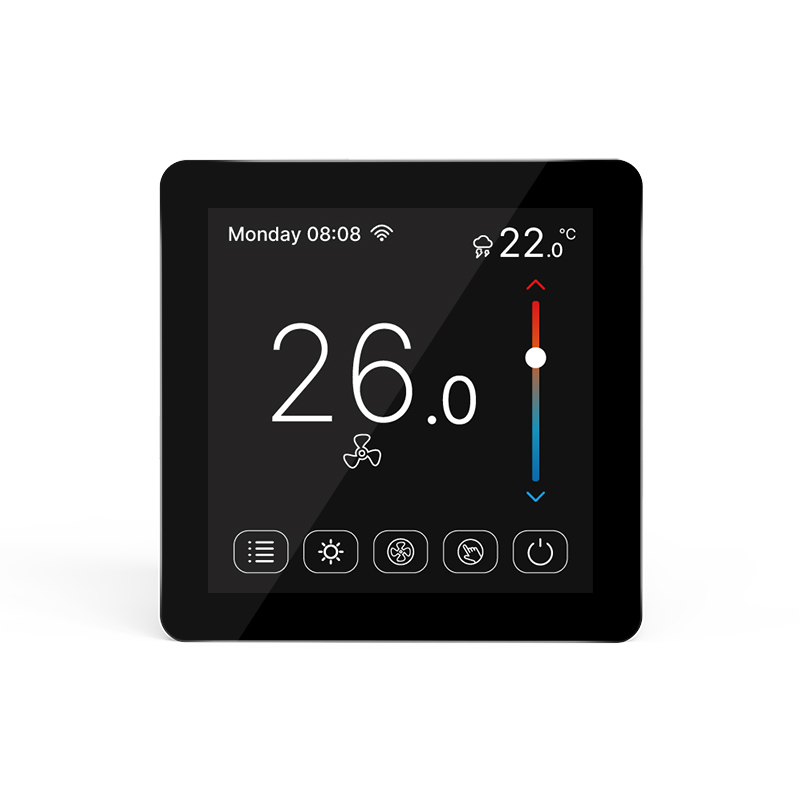
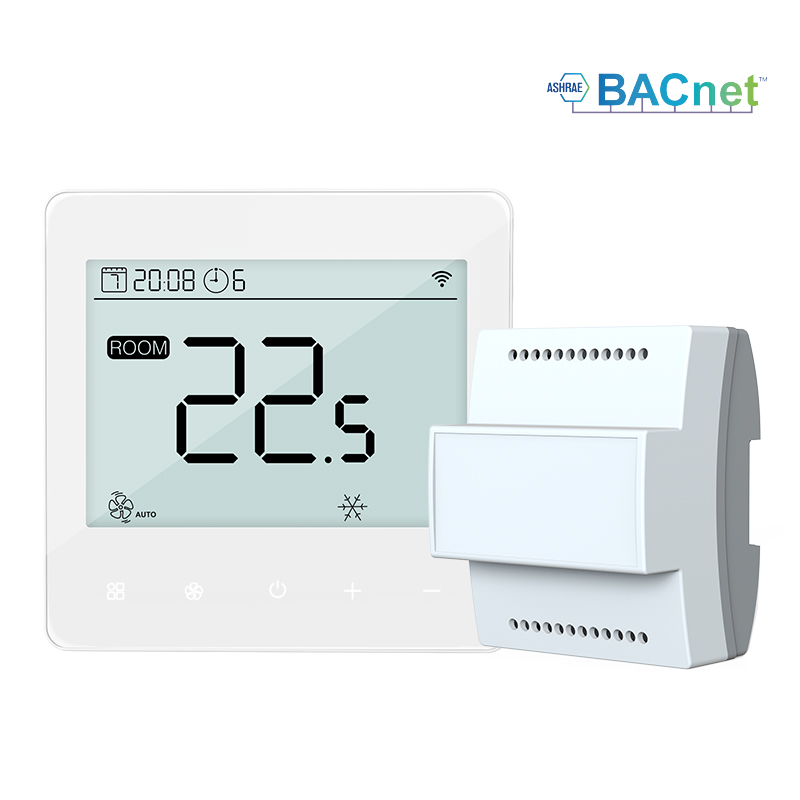
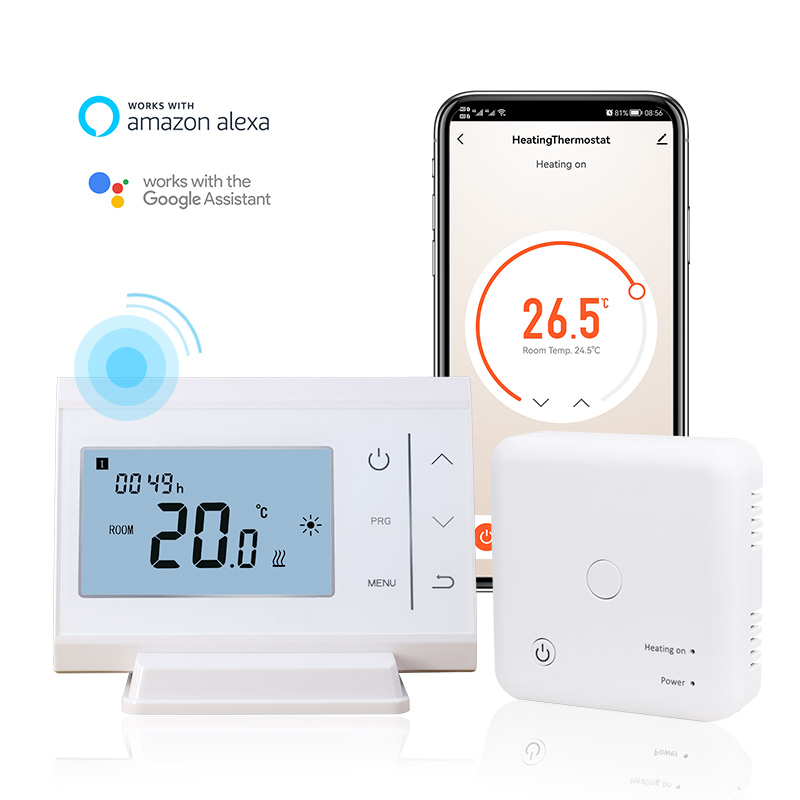
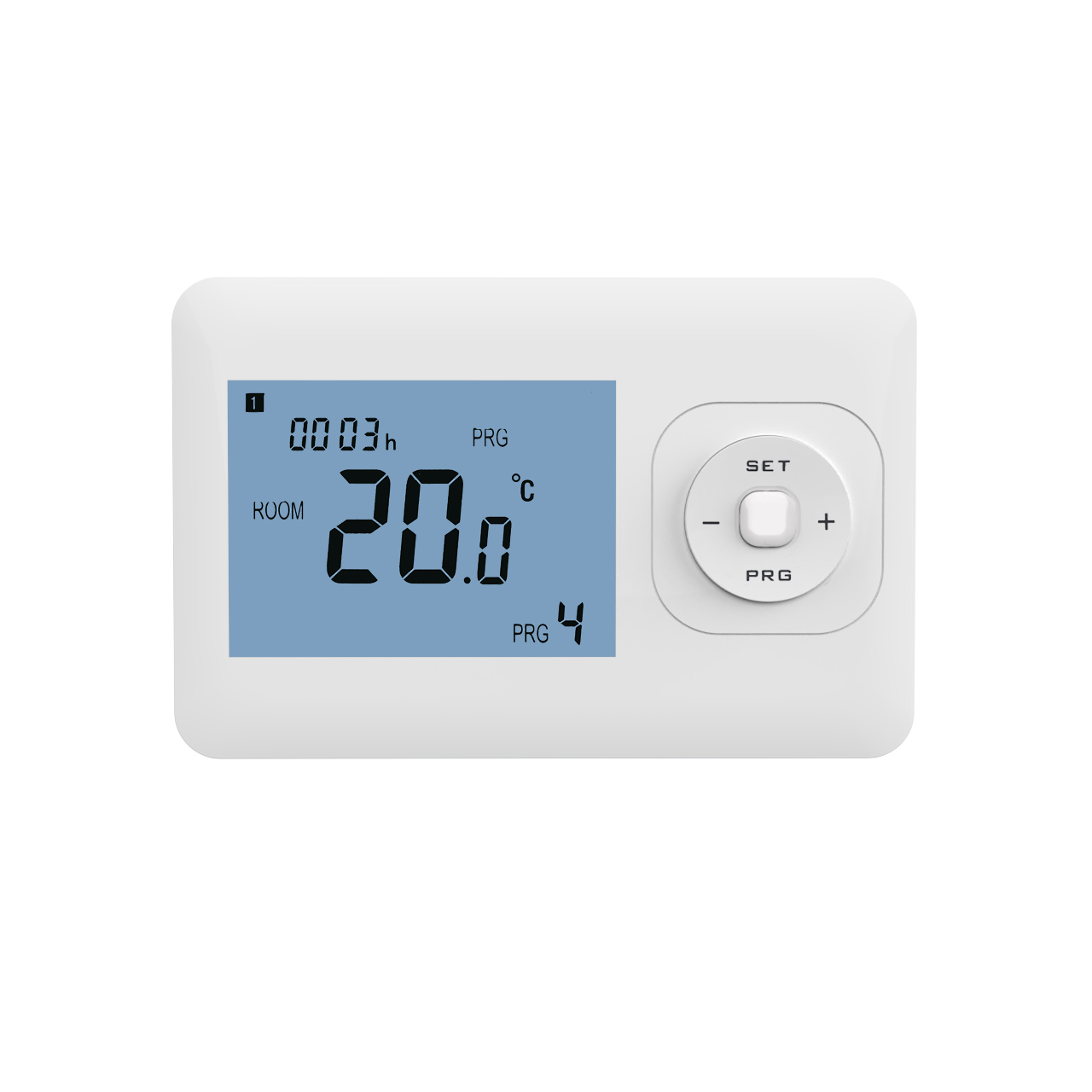
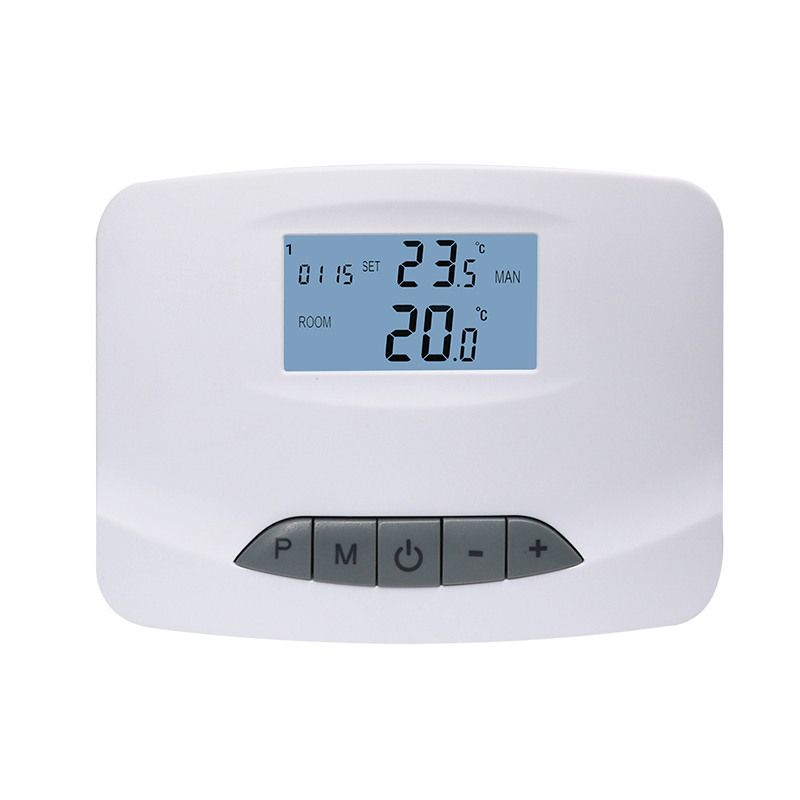
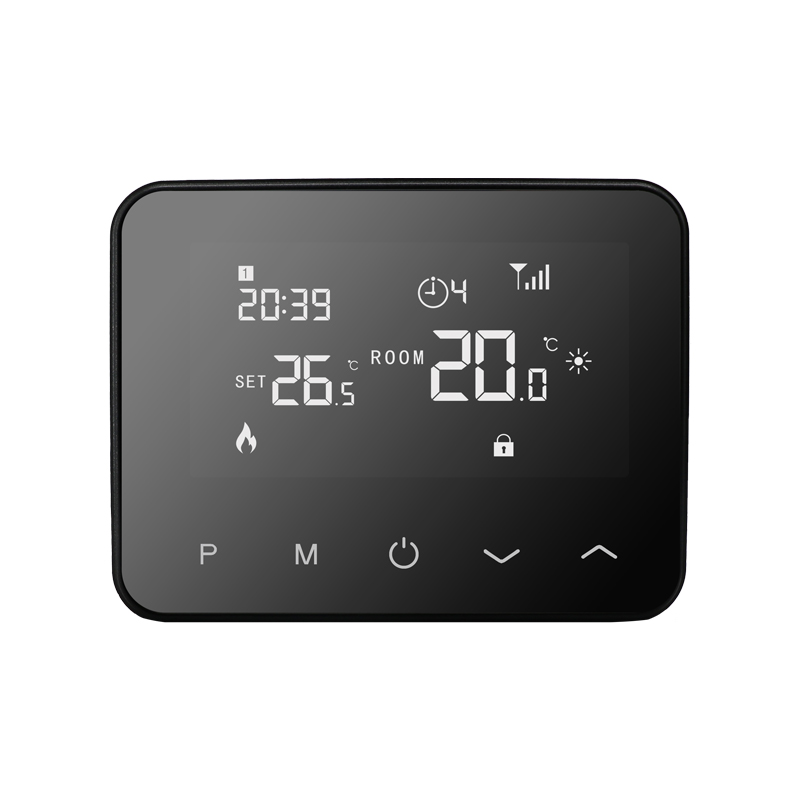
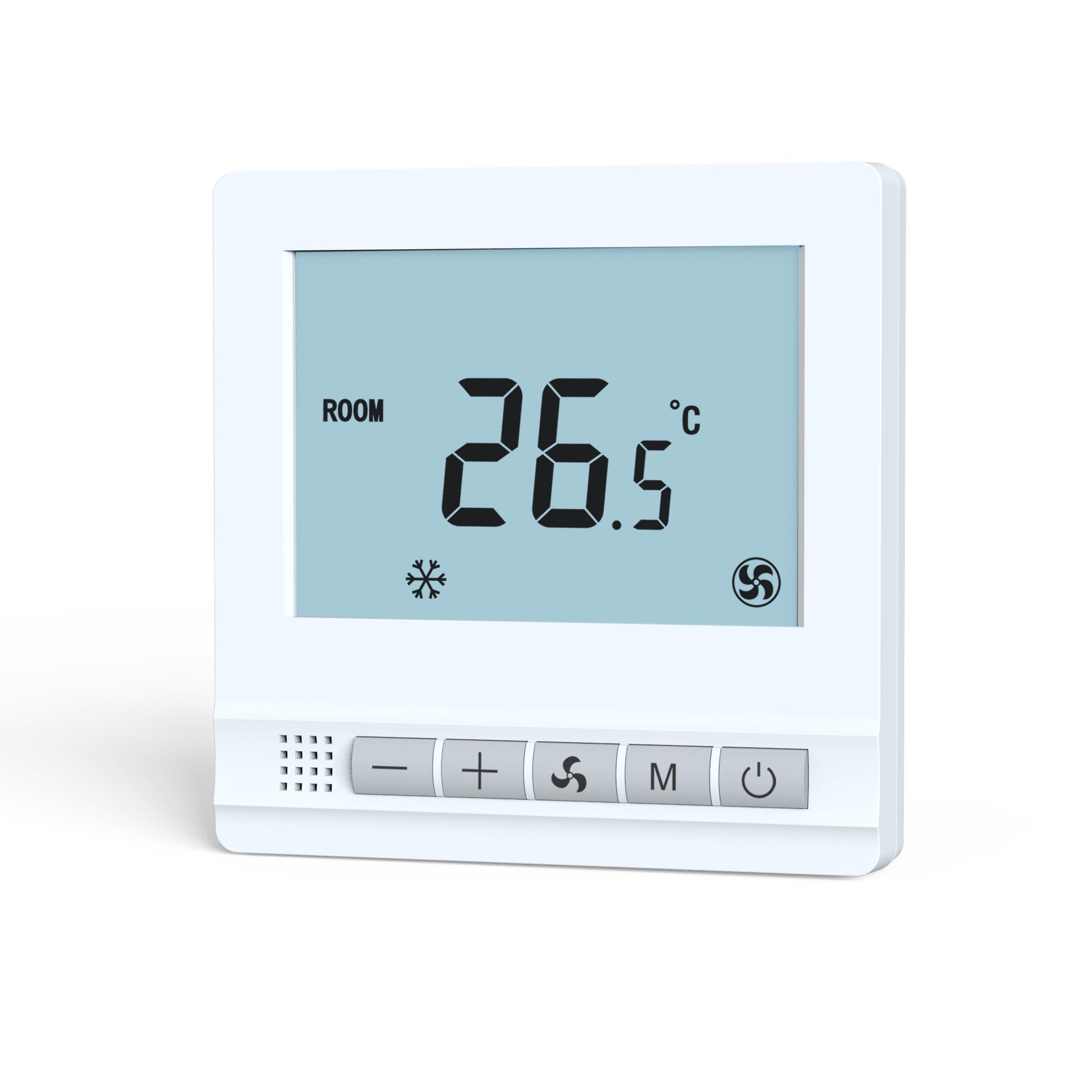
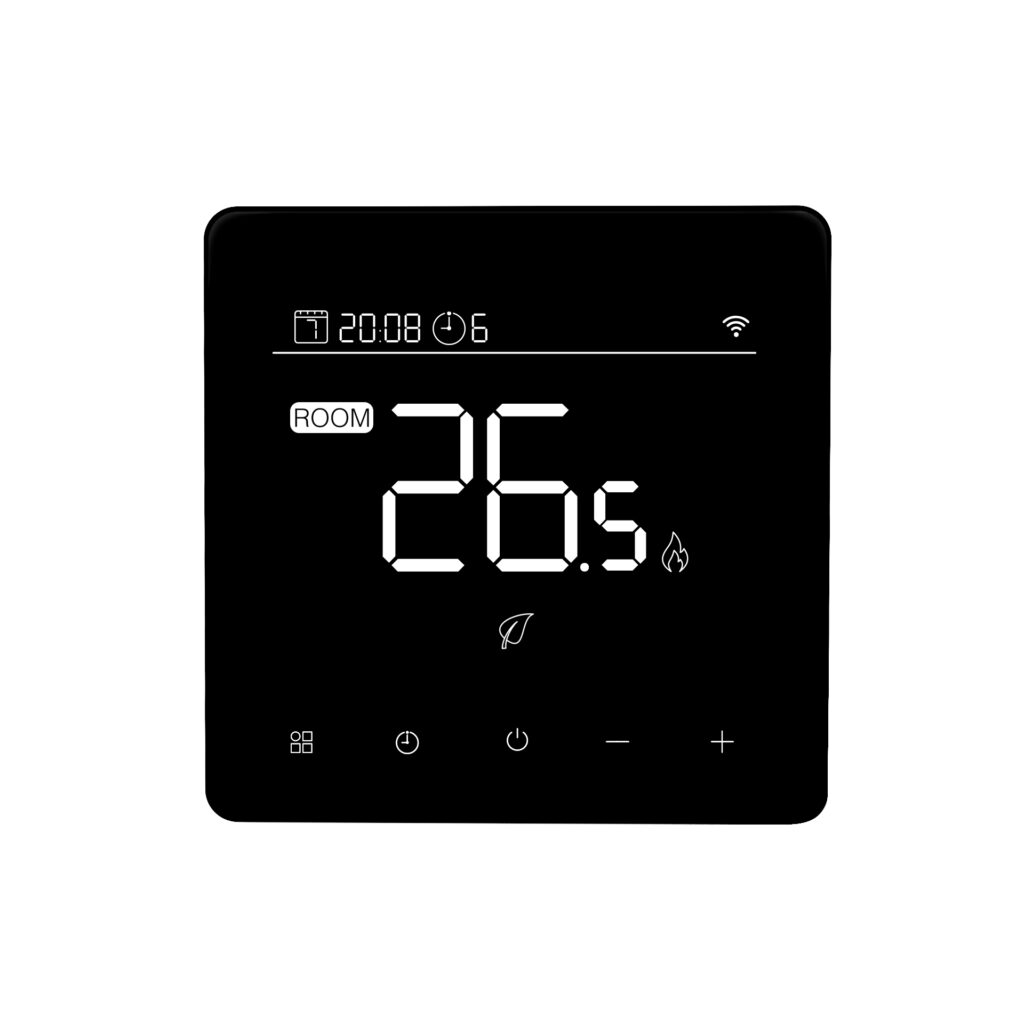
In the actual use of hydraulic underfloor heating systems, the rationality of the operating rhythm directly affects indoor comfort and energy consumption. Traditional underfloor heating control methods often rely on manual adjustment, which can easily lead to problems such as prolonged high-load operation or uneven temperature fluctuations. The emergence of programmable touchscreen thermostats has shifted underfloor heating control from “real-time adjustment” to “time-based planning.” Users can pre-set temperature strategies for different stages according to their daily routines, making the system operation more orderly. Regarding whether “programmable functions can optimize the operation rhythm of underfloor heating,” we can analyze it from three aspects: time control, system operation mode, and user experience.
Time-segmented control optimizes operating patterns
This directly determines whether the underfloor heating can operate on demand.
- Multi-period temperature setting: Programmable thermostats support dividing the day into multiple time periods and setting different temperatures for each, making the heating rhythm match daily life changes.
- Automatic execution of preset plans: After setting, the system automatically switches temperature states, eliminating the need for frequent manual adjustments.
Automatic operation reduces instability caused by human intervention.
More stable and efficient system operation
A reasonable operating logic can improve overall efficiency.
- More stable and efficient system operation: Reduced burden from frequent start-stop cycles: Pre-programmed control of boiler and pump operation rhythms avoids energy consumption fluctuations caused by frequent start-stop cycles.
- On-demand heating intensity adjustment: Automatically reduces output during low-demand periods and preheats during high-demand periods, ensuring the system maintains a reasonable load.
This method improves energy efficiency.
More user-friendly experience that aligns with lifestyle
Optimized operating rhythm ultimately translates to increased comfort.
- Preheating enhances comfort: Preheating can be done before getting out of bed or returning home, maintaining a comfortable indoor environment.
- Reduced manual operation frequency: Users don’t need to frequently adjust the temperature; the system operates automatically according to the plan.
Simplified operation makes the user experience easier.
In practical applications, programmable functionality transforms hydronic underfloor heating from “passive control” to “active planning.” Through the rational combination of time and temperature, the system operates with greater rhythm and stability. For users seeking comfort and energy savings, this approach enhances the overall user experience, makes energy consumption more reasonable and controllable, and ensures the underfloor heating system performs more efficiently and stably in the long term.