
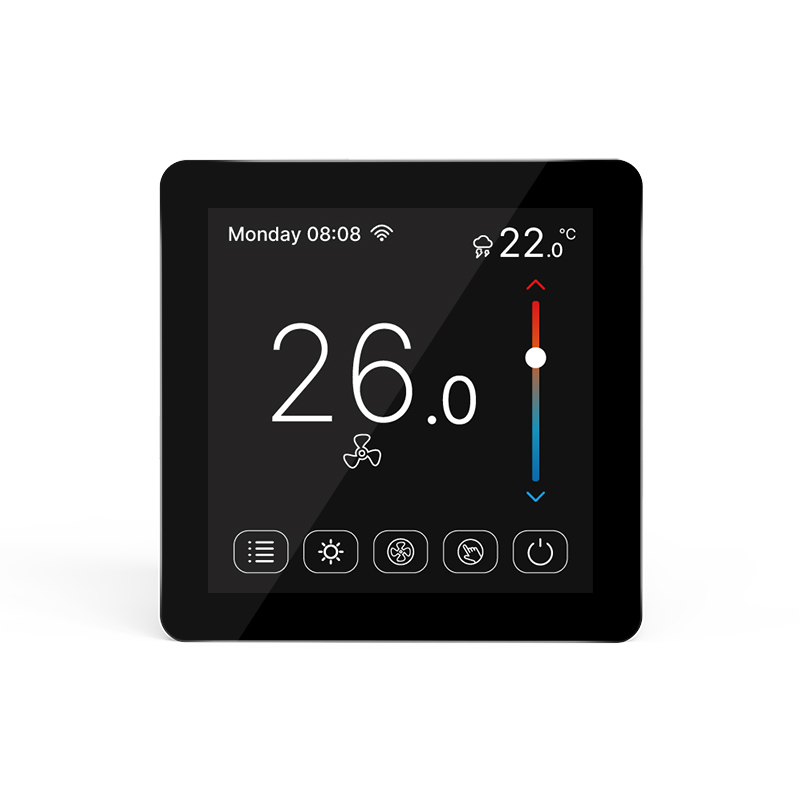
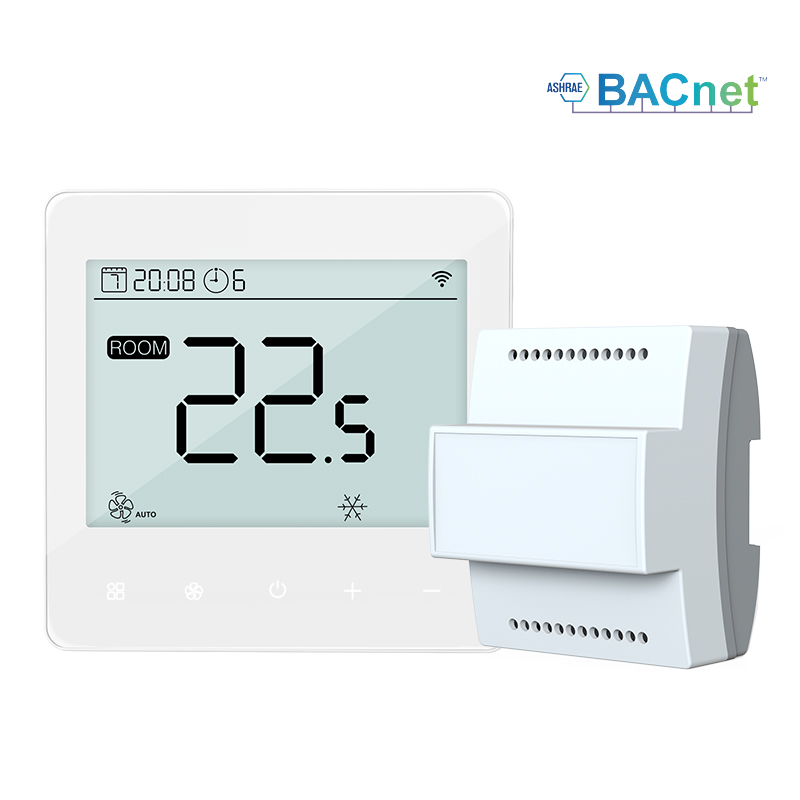
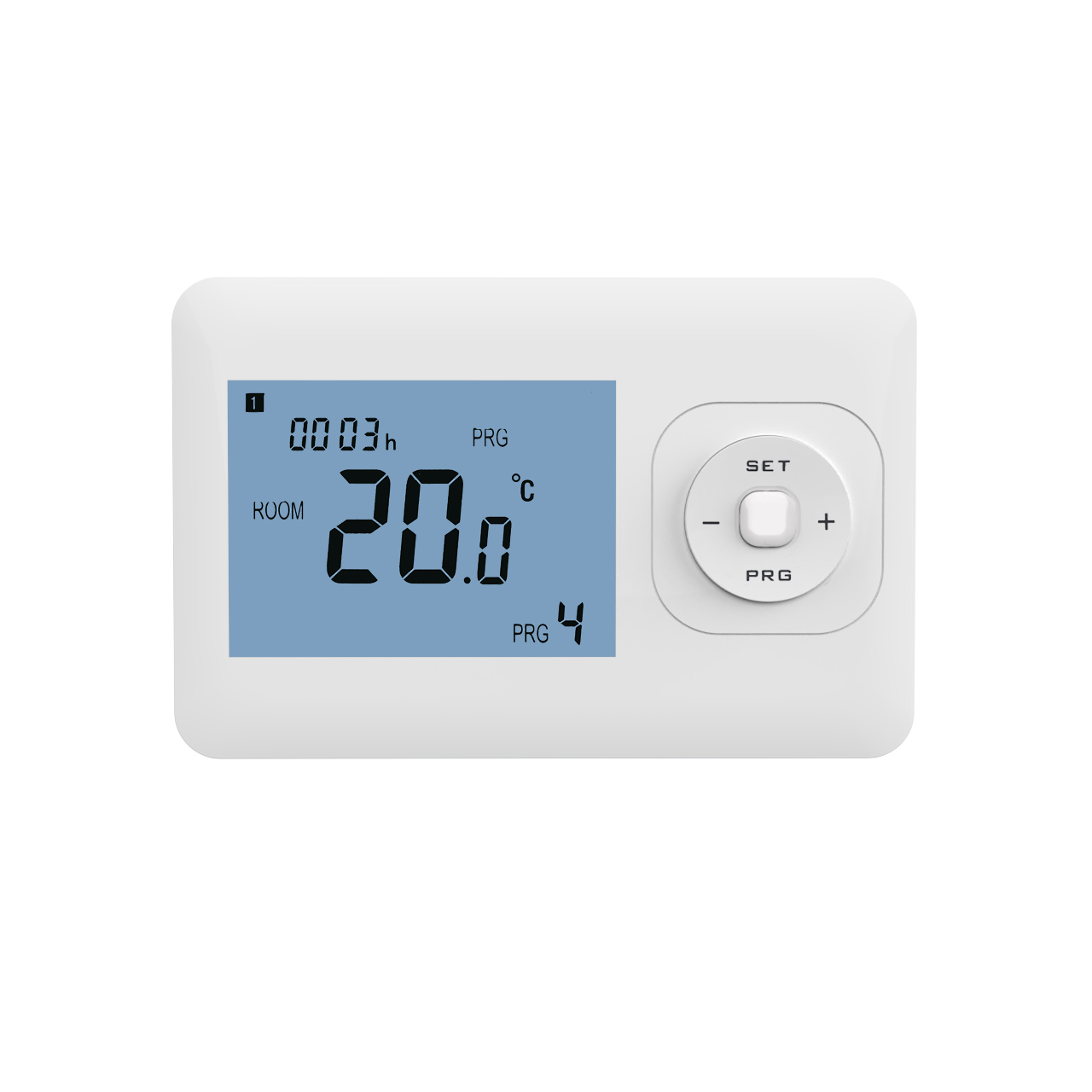
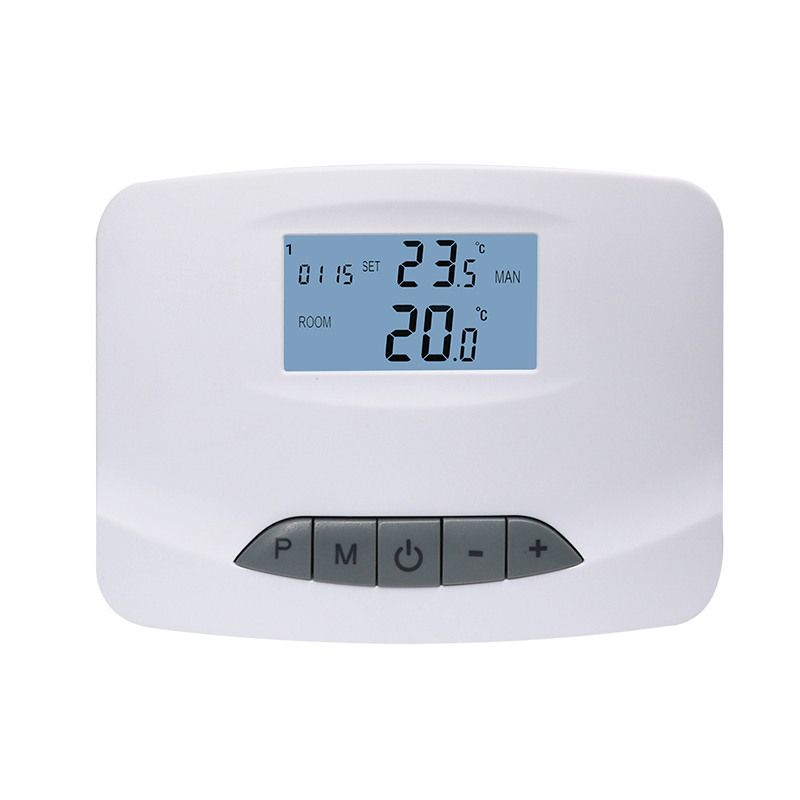
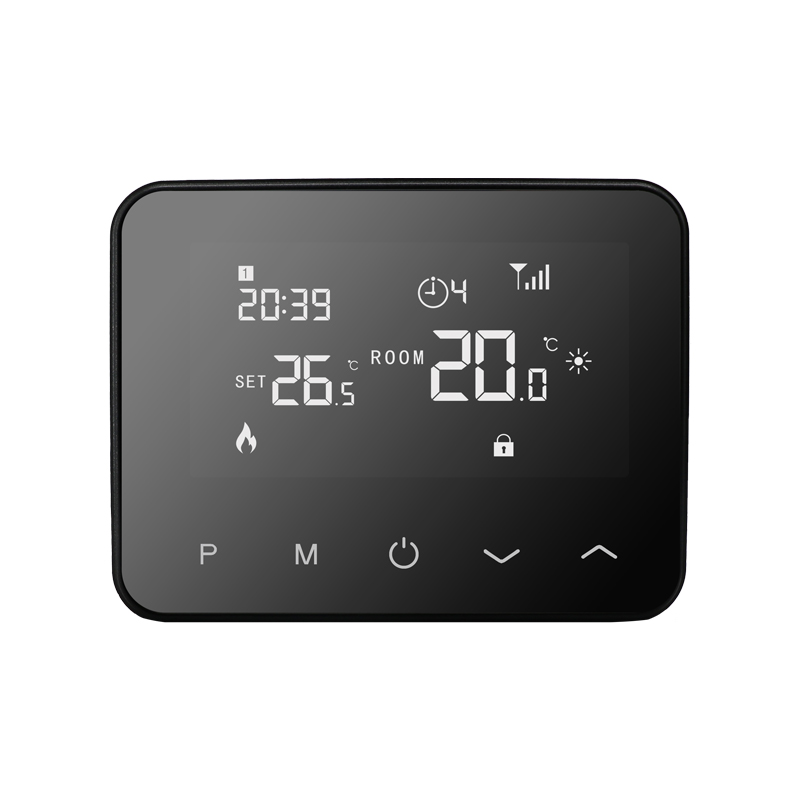
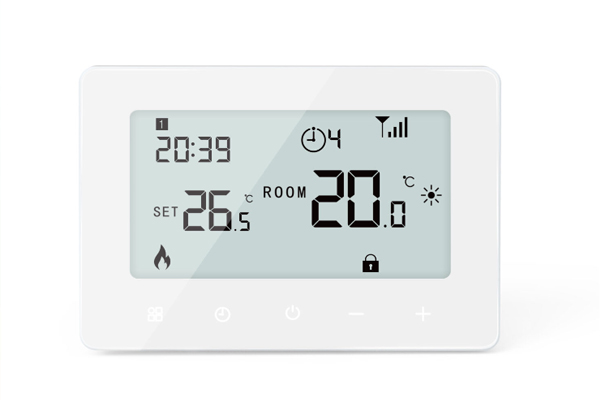
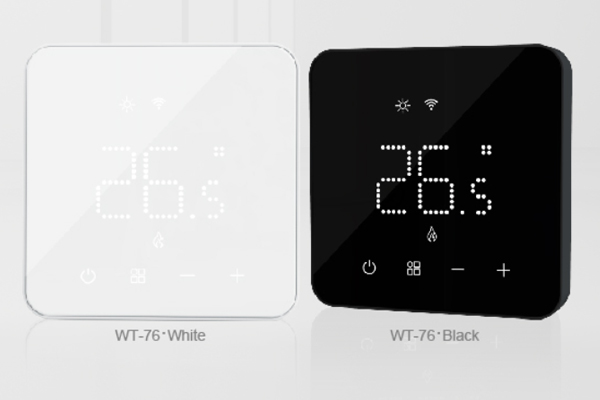
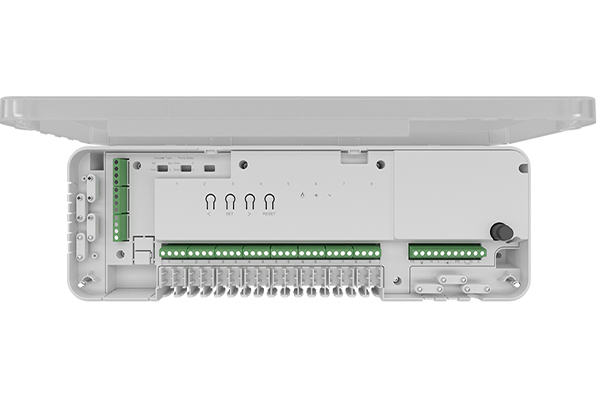
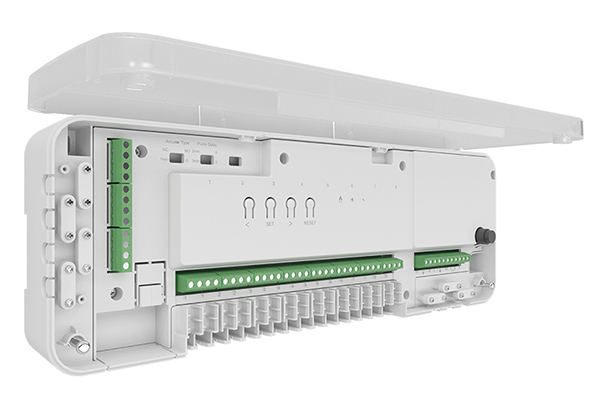
In residential heating, hotels, apartments, and commercial buildings, boiler thermostats directly affect the performance of heating systems. Different projects have different requirements for temperature control methods, device connection options, and user operation experience. Ignoring product compatibility may result in inaccurate temperature adjustment, inconvenient operation, or unsuitable installation. Modern boiler thermostats have developed from simple temperature switches into intelligent devices that integrate sensing, control, and network functions. They can not only manage boiler operation but also work with underfloor heating, ceiling cooling, and other systems to support various application scenarios. When selecting a product, users need to consider key factors such as temperature control accuracy, smart functions, energy-saving design, and installation requirements. A suitable boiler thermostat can help heating equipment maintain proper operating conditions and provide a more comfortable temperature experience for different environments.
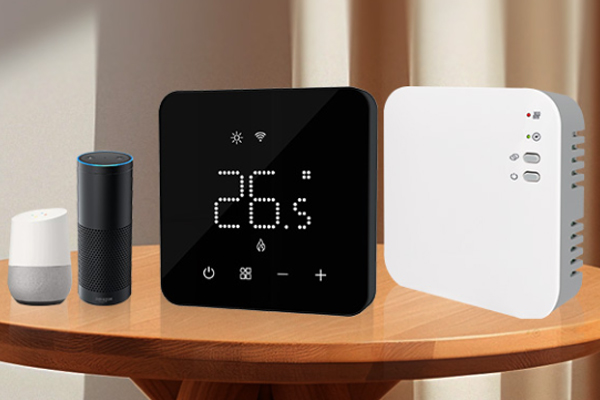
Focus on Temperature Detection and Control Capability
A boiler thermostat needs to accurately detect indoor environmental changes and adjust the heating equipment according to preset requirements, which is an important factor affecting the overall user experience.
- Accurately collect temperature data: The thermostat uses built-in or external sensors to detect indoor temperature changes and sends real-time data to the control system, helping the equipment determine current heating requirements.
- Support different control modes: Depending on the application environment, some products provide air temperature control, floor temperature control, and dual-sensor control modes, allowing users to select a suitable control method.
Accurate data collection allows the boiler to operate according to actual environmental conditions. Proper control logic can prevent excessive temperature fluctuations and help maintain a comfortable indoor atmosphere.
Focus on Smart Connectivity and Operation Methods
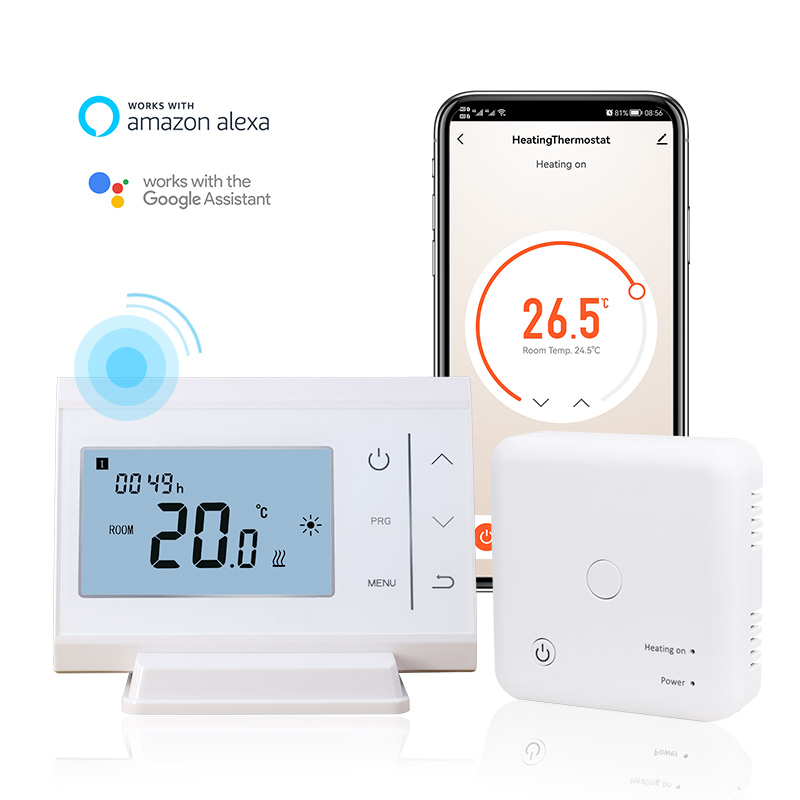
Smart connectivity allows boiler thermostats to overcome the limitations of traditional on-site adjustments and provides users with more flexible equipment management options. Thermostats with WiFi connectivity can connect to wireless networks and be paired with mobile applications, allowing users to check current temperature, operating status, and setting parameters at any time. Through mobile operation, users do not need to be near the thermostat installation location to remotely adjust temperature, switch operating modes, or modify heating schedules. For example, users can turn on heating before arriving home to prepare a comfortable indoor environment in advance, or adjust equipment settings based on actual conditions while away. Wireless communication and remote control functions make boiler system operation easier and meet the needs of modern homes and commercial projects for intelligent temperature management. Flexible operation methods allow users to better monitor heating conditions and improve daily convenience.
Focus on Energy-Saving Control Functions
Besides adjusting temperature, a boiler thermostat should also provide reasonable energy management capabilities to help the system avoid unnecessary operation.
- Support schedule programming: Users can preset different operating plans for various periods, such as daytime, nighttime, or rest periods, using different temperature strategies based on actual needs.
- Provide automatic adjustment capability: When the indoor temperature reaches the target setting, the thermostat can reduce boiler operating frequency, preventing the equipment from continuously producing unnecessary heat.
Smart energy-saving designs allow heating processes to better match real usage patterns. Proper operation scheduling can reduce energy consumption and improve equipment utilization.
Focus on System Compatibility and Installation Requirements
A boiler thermostat needs to match existing HVAC systems, and its structure and connection method can affect long-term application performance.
- Suitable for multiple heating systems: Some thermostats can work with underfloor heating, boilers, and ceiling cooling systems, meeting control requirements in different building environments.
- Choose the appropriate installation method: Battery-powered and wireless designs can reduce wiring limitations, making them suitable for new construction projects and existing system upgrades.
Good compatibility can reduce limitations during installation. Selecting a suitable product based on project conditions allows the device to integrate better into the overall HVAC solution.
Temperature detection capability determines whether the device can accurately respond to environmental changes, smart connectivity affects daily operation convenience, energy-saving design influences long-term operating costs, and compatibility determines whether the product can be successfully applied to existing HVAC systems. For residential homes, hotels, apartments, and commercial building projects, a well-designed smart boiler thermostat can provide more flexible temperature management solutions. By selecting equipment that meets actual requirements, users can help boiler systems operate in a more organized manner while satisfying modern buildings’ needs for comfort, safety, and convenient control.