
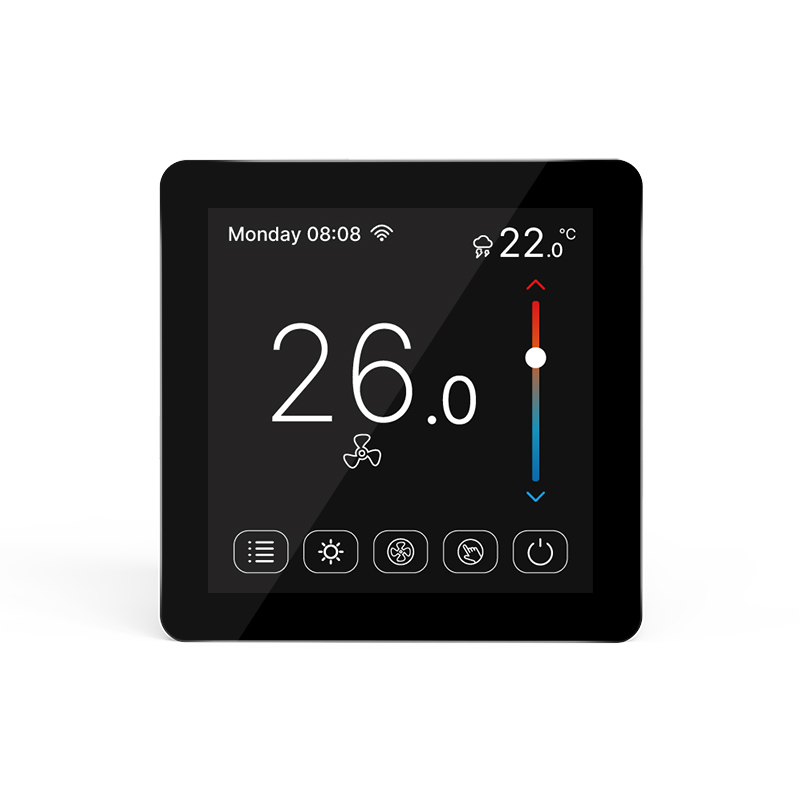
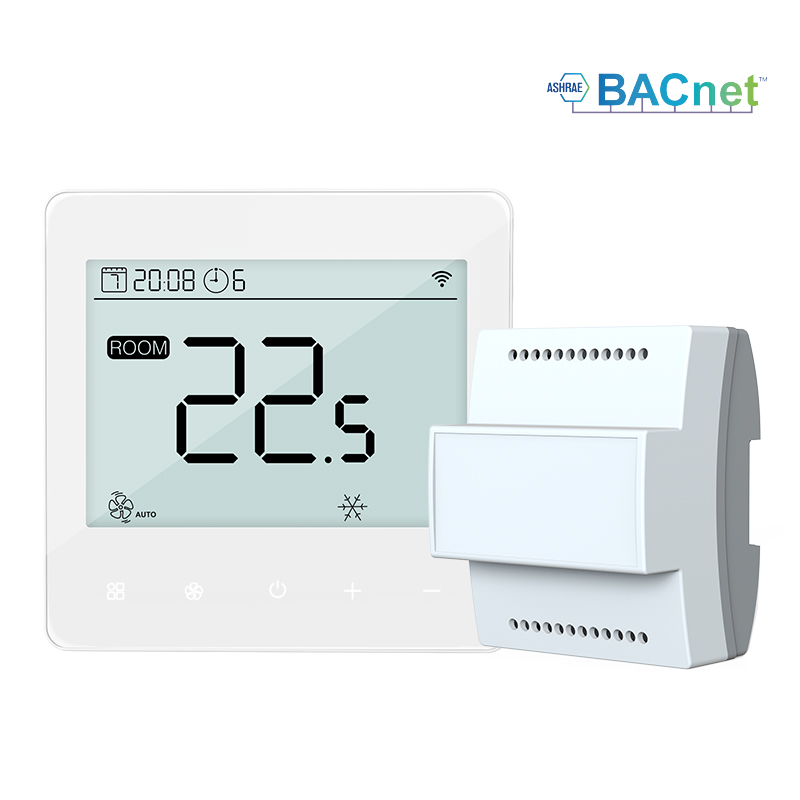
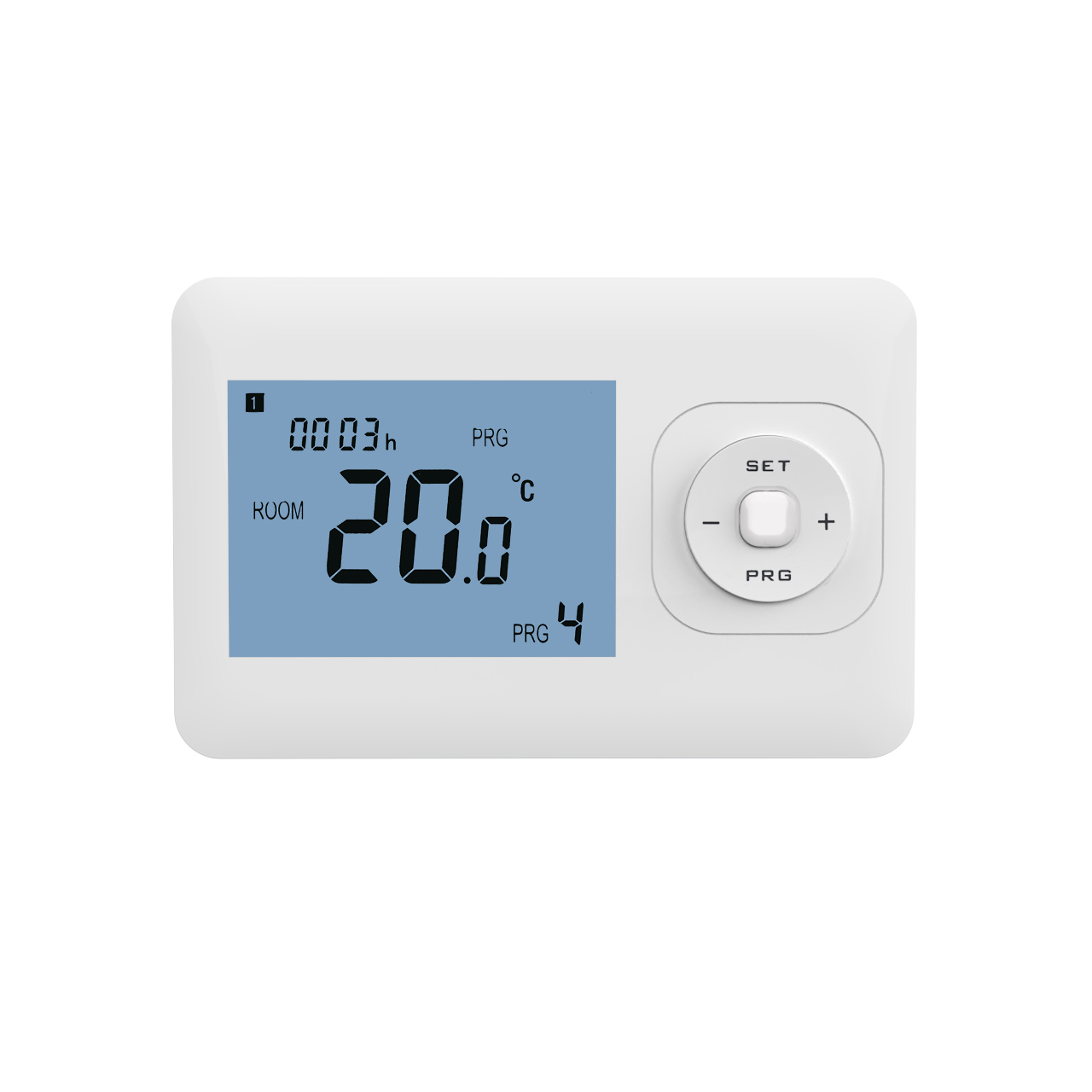
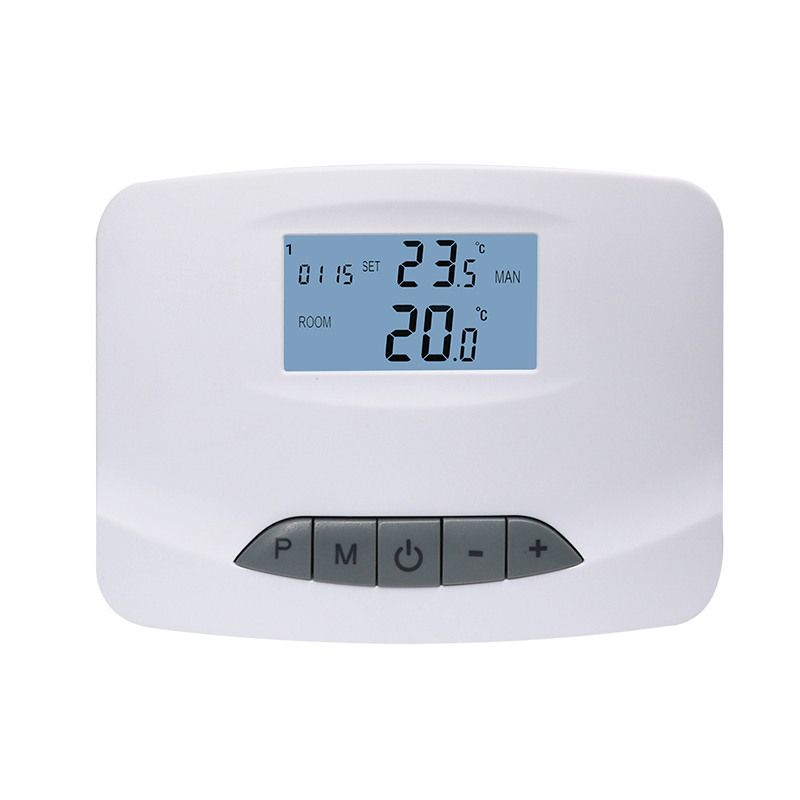
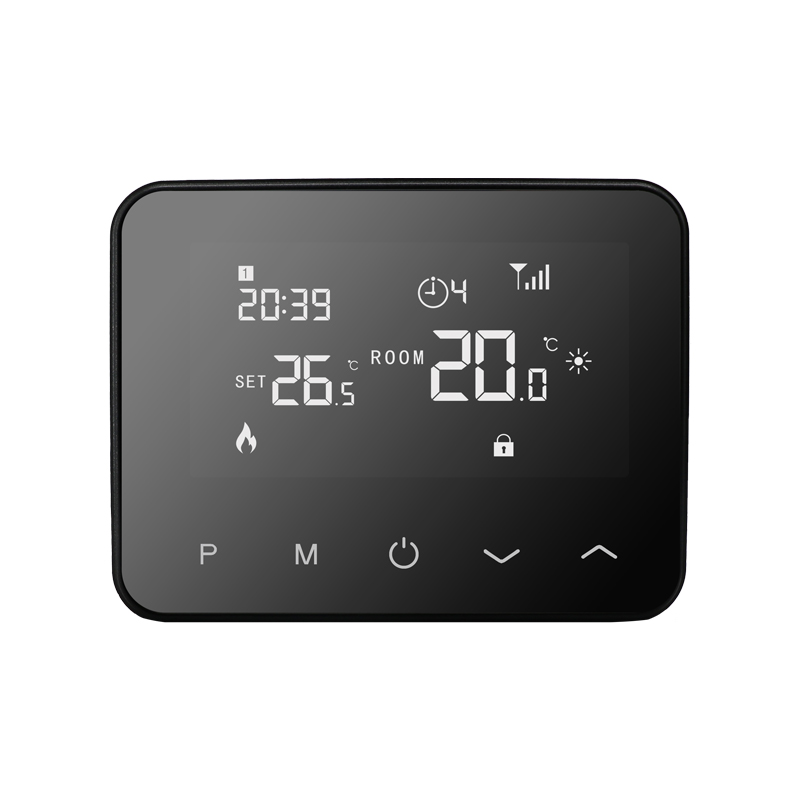
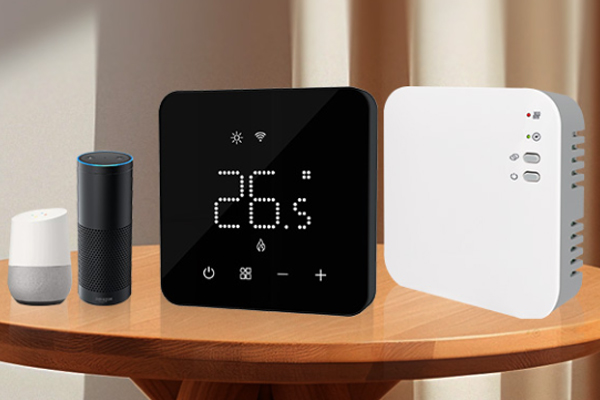
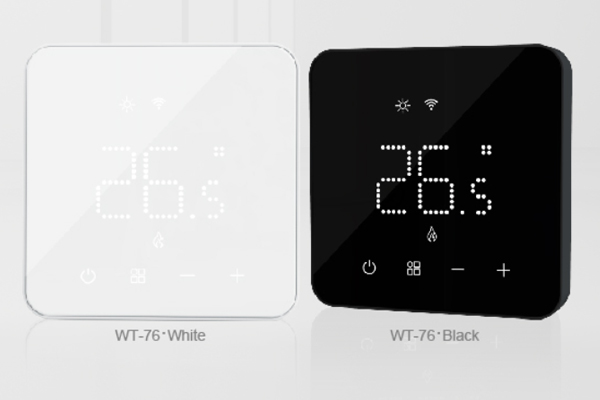
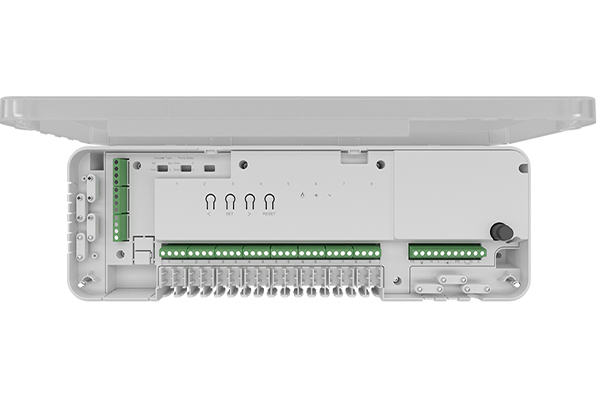
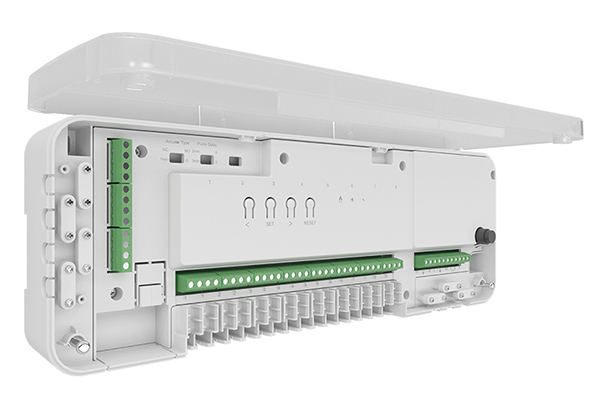
In hydronic underfloor heating systems used in residential homes, villas, apartments, and commercial buildings, thermostats not only regulate indoor temperature but also influence how the entire heating system operates. Traditional control methods usually rely on manual adjustments and cannot respond quickly to environmental changes, which may result in overheating rooms or prolonged equipment operation. Smart hydronic underfloor heating thermostats use temperature sensing, automatic control, and intelligent management functions to allow the heating system to provide heat according to actual requirements. Users can set operating plans based on room functions, daily habits, and schedules, helping reduce unnecessary heating while maintaining a stable and comfortable indoor environment. For households and engineering projects that aim to lower heating costs and improve user experience, smart thermostat solutions provide a more efficient approach to energy management.
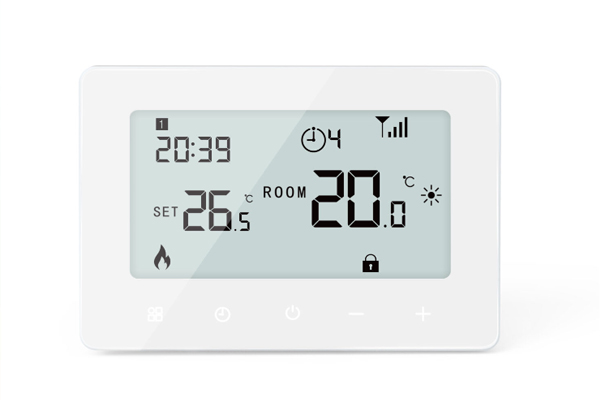
Accurate Detection Helps Prevent Energy Waste
Smart hydronic underfloor heating thermostats continuously detect indoor temperature changes, allowing heating equipment to operate according to actual environmental conditions and reducing energy consumption caused by excessive heating.
- Real-time temperature data collection: The thermostat uses built-in sensors to detect indoor temperature and compares the current conditions with the preset value to determine whether continued heating is required.
- Automatic heat output adjustment: When the temperature reaches the target range, the device adjusts the operating status of the boiler or underfloor heating actuator to prevent unnecessary heat supply.
Accurate temperature detection allows the system to distribute heat according to actual needs. Reducing unnecessary operating time makes the heating process more economical and reasonable.
Time-Based Control Improves Heating Efficiency
Smart hydronic underfloor heating thermostats support schedule programming, allowing users to arrange heating requirements for different periods based on daily routines.
- Set different temperatures for different periods: Users can adjust temperature settings according to working hours, rest periods, and nighttime sleep schedules, allowing the equipment to operate only when needed.
- Reduce frequent manual adjustments: By setting operating schedules in advance, the system can automatically execute temperature changes and reduce the need for daily manual operation.
Time-based control allows heating equipment to better match actual usage patterns. Scheduling operation cycles according to lifestyle habits helps reduce long-term energy consumption.
Multiple Control Modes Meet Different Requirements
Different building spaces have different heating requirements, and smart hydronic underfloor heating thermostats can provide various control methods for different application scenarios.
- Support multiple temperature detection methods: Some products can combine air temperature and floor temperature control, allowing the system to determine heating conditions more accurately.
- Meet different zone requirements: Spaces such as living rooms, bedrooms, and offices can have different temperature settings based on usage needs, avoiding a unified heating strategy for all areas.
Flexible control modes expand the application range of underfloor heating systems. Creating temperature plans for different spaces allows heating resources to be used more effectively.
Smart Connectivity Enables Remote Management
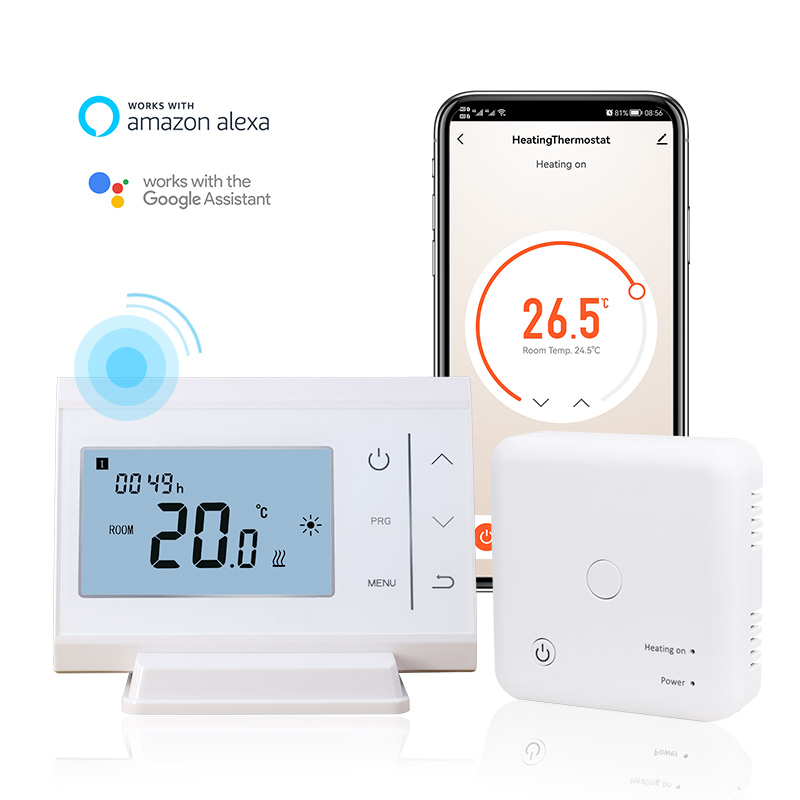
Hydronic underfloor heating thermostats with smart connectivity can connect with mobile devices through wireless networks, making heating equipment management more convenient.
- Support mobile remote control: Users can check temperature status through an App and adjust device settings according to weather changes or usage schedules.
- Enable smart home integration: The thermostat can work with other smart devices and automatically adjust heating modes according to preset conditions.
Remote management changes the traditional way of controlling underfloor heating systems. Users can monitor equipment operation more flexibly and improve daily convenience.
Proper selection of hydronic underfloor heating control equipment can help building spaces maintain a more suitable environment during different usage periods. For homeowners, smart control functions reduce the complexity of daily adjustments and make heating more aligned with personal lifestyles. For hotels, apartments, and commercial projects, complete temperature management solutions can simplify system operation and improve maintenance convenience. As demand for comfortable living environments and green buildings continues to increase, thermostats with intelligent adjustment capabilities are becoming an important part of modern HVAC systems. Choosing a hydronic underfloor heating thermostat that matches project requirements not only supports current application needs but also creates a better foundation for future smart building upgrades.