
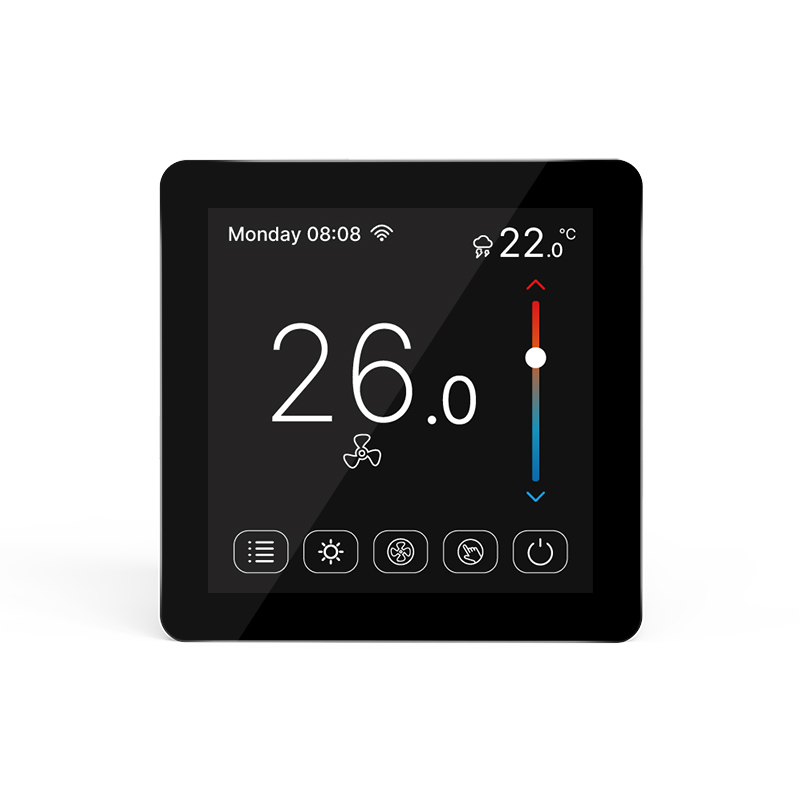
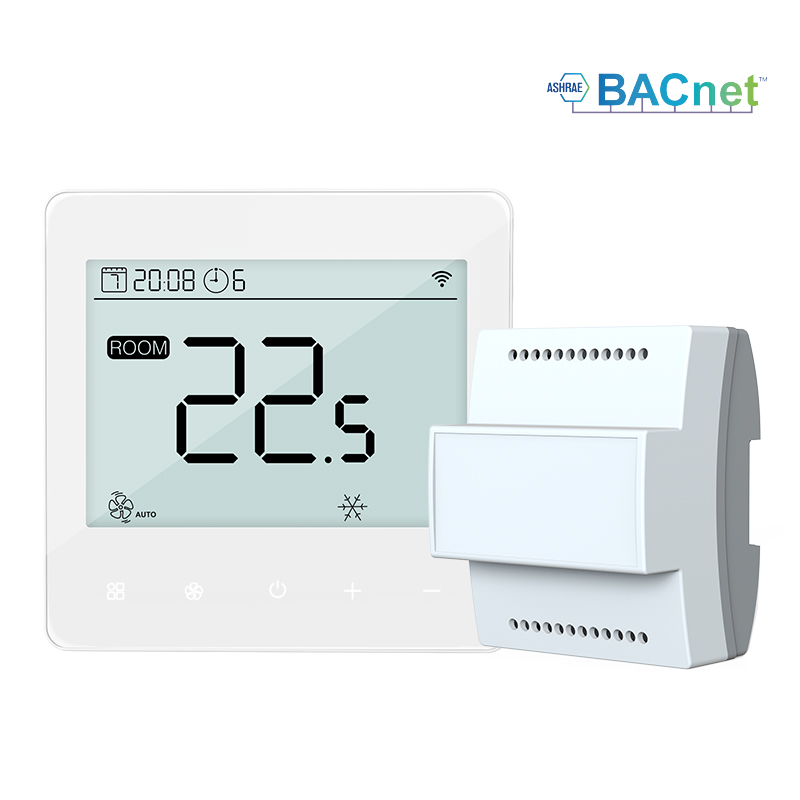
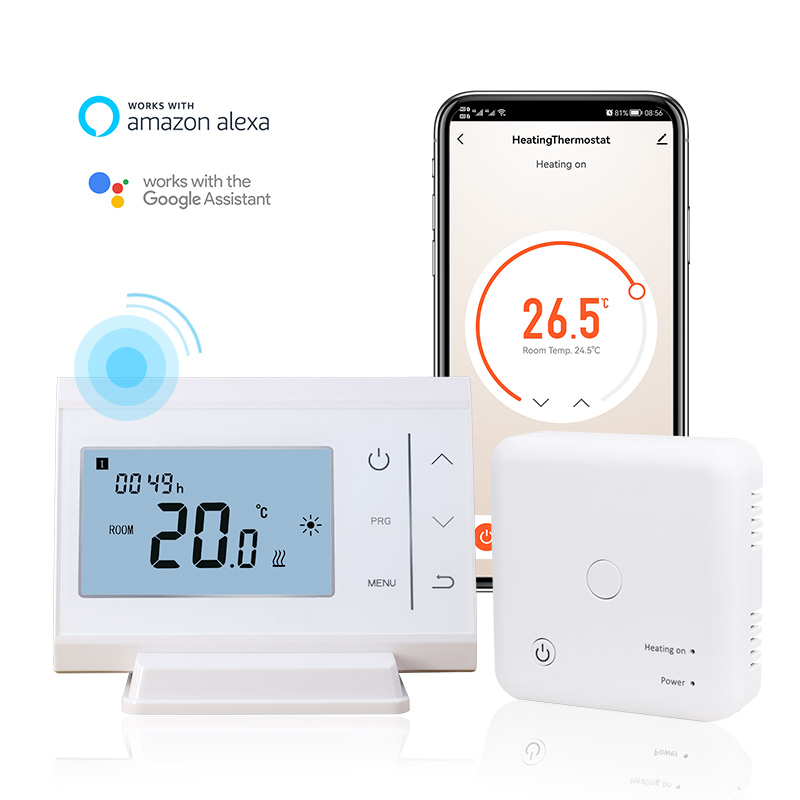
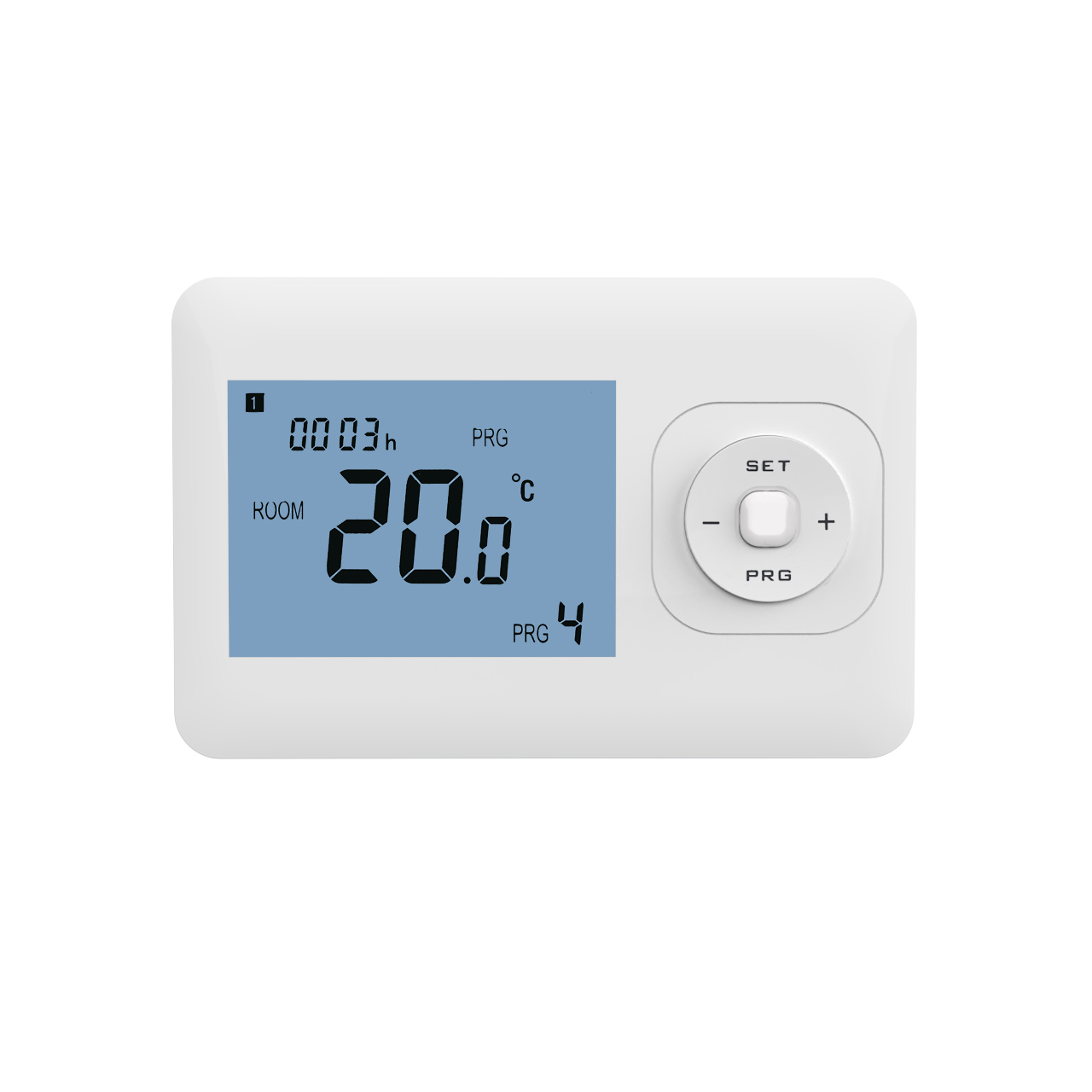
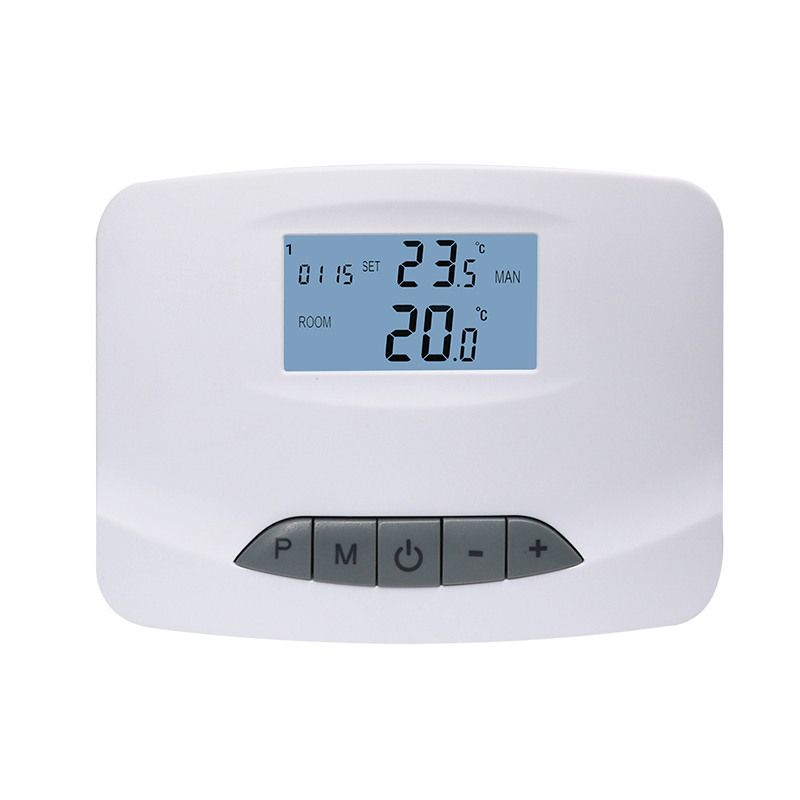
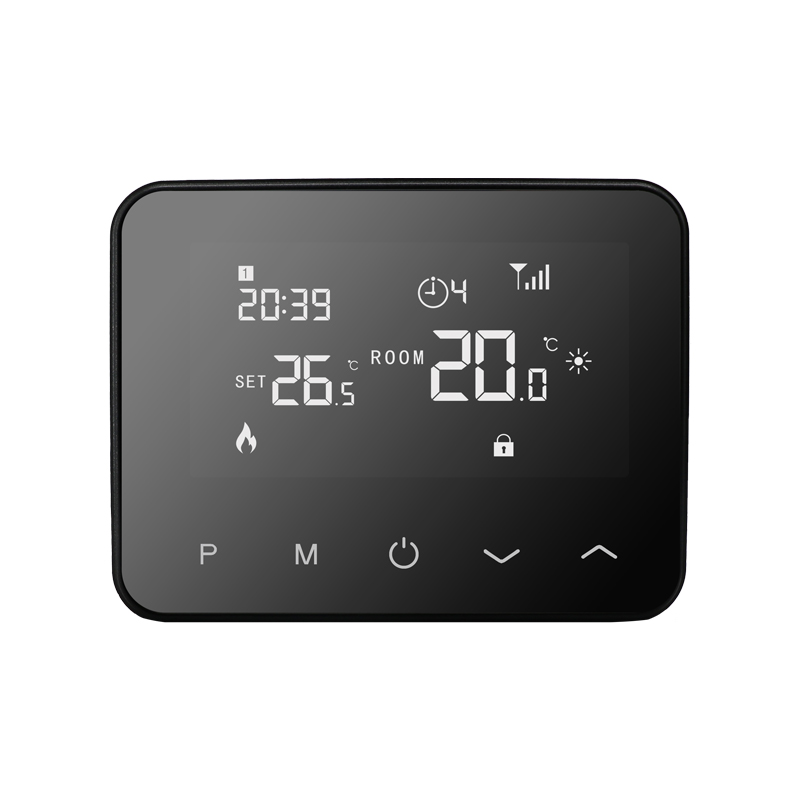
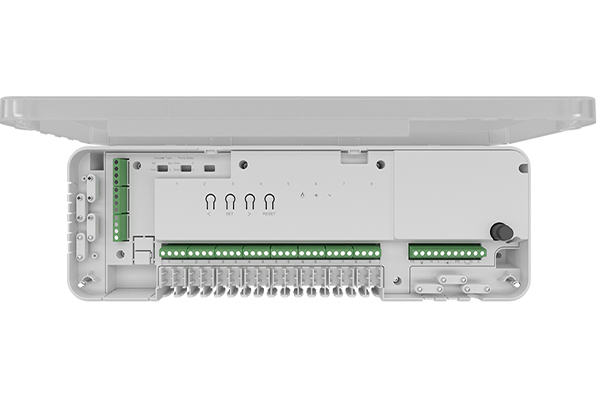
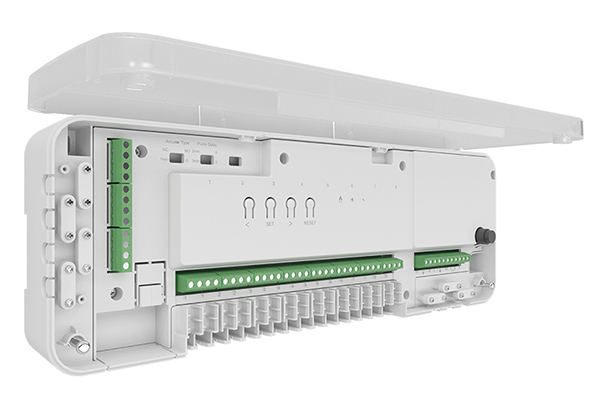
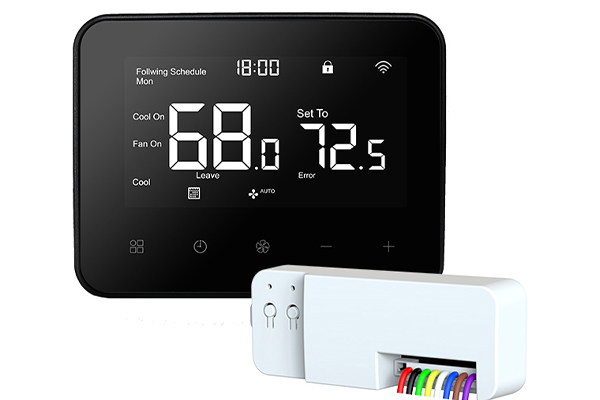
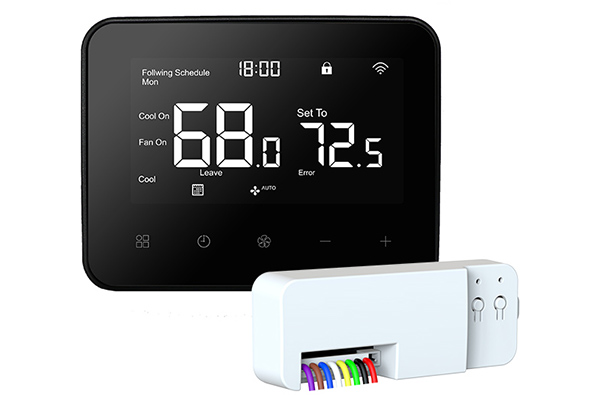
In residential heating, commercial buildings, and smart HVAC projects, boiler systems need to adjust heat output according to actual environmental conditions to avoid excessive energy consumption. Traditional heating equipment often relies on manual adjustments, making it difficult to respond quickly to temperature changes. This can lead to issues such as overheating, unnecessary operation time, and inefficient energy use. A smart boiler thermostat uses temperature sensors to continuously collect indoor conditions and automatically adjusts the operating status of the heating system based on preset parameters, ensuring that heat supply better matches actual requirements. With WiFi connectivity, users can also remotely manage temperature settings through a mobile app, adjusting operation plans according to weather conditions, schedules, and room usage. For homes and projects using underfloor heating, ceiling cooling, or boiler heating systems, a suitable thermostat can improve temperature control and create a more efficient heating experience.
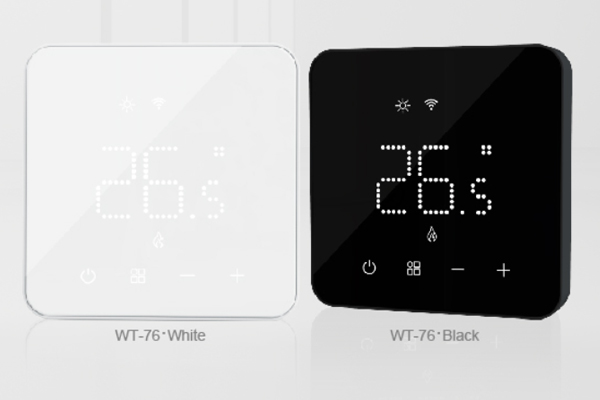
Precise Detection Controls Heat Output
A boiler thermostat monitors indoor temperature changes in real time and adjusts heating equipment operation, allowing heat supply to better match current needs.
- Collect indoor temperature data: The thermostat uses temperature sensors to continuously monitor room conditions and compares the detected data with the preset temperature to determine whether additional heating is required.
- Adjust boiler operation status: When the indoor temperature reaches the target range, the thermostat sends control signals to reduce heating frequency or stop operation, preventing unnecessary heat output.
Accurate data feedback allows the boiler to operate according to actual conditions. Proper heat output control helps avoid excessive heating and improves the efficiency of energy usage.
Smart Programs Reduce Unnecessary Operation
A programmable boiler thermostat can create heating schedules based on users’ daily routines, allowing the system to operate only when heating is actually needed.
- Set different temperature schedules: Users can plan temperature settings for different periods, such as nighttime, working hours, or rest periods, enabling the heating system to follow daily habits.
- Adjust low-demand operation: When rooms are unused for extended periods, the thermostat can lower temperature settings or switch to energy-saving modes, preventing the boiler from running at high capacity continuously.
Automatic scheduling allows heating management to better fit real usage patterns. By arranging operation periods properly, energy consumption can be focused on times when heating is required.
Remote Connection Makes Equipment Adjustment Easier
A WiFi boiler thermostat can connect with mobile applications through wireless networks, allowing users to monitor and control heating equipment anytime.
- Modify temperature settings through a smartphone: Users can adjust the target temperature remotely through an app, such as preparing a comfortable indoor environment before arriving home.
- Check operating information remotely: The mobile interface can display current temperature and operating modes, helping users understand system conditions and make timely adjustments.
Remote operation removes location limitations in heating management. More flexible control methods allow users to arrange equipment operation according to real needs.
Compatibility with Different Systems Improves Energy-Saving Performance
Boiler thermostats can be applied in various HVAC environments and provide flexible temperature management solutions for different heating systems.
- Support underfloor heating systems: In electric or water-based underfloor heating applications, the thermostat can control heating operation according to comfort requirements and maintain stable indoor temperatures.
- Meet different installation environments: In addition to residential applications, boiler thermostats can also be used in apartments, hotels, and other spaces that require long-term heating management.
Wide application compatibility allows boiler thermostats to provide greater practical value. Choosing suitable control equipment helps different heating systems maintain reliable operating performance.
A boiler thermostat provides modern heating systems with more precise energy management through temperature detection, programmable control, and remote operation features. Compared with traditional manual adjustment methods, smart thermostats allow boilers to automatically change operating conditions according to environmental variations, reducing unnecessary energy consumption caused by excessive heating. For residential buildings and commercial projects using underfloor heating, ceiling cooling, or boiler systems, intelligent temperature control can improve indoor comfort while making long-term operation easier to manage. Selecting a reliable and well-matched boiler thermostat helps achieve more balanced heat distribution and provides stable support for energy-efficient building operation.