
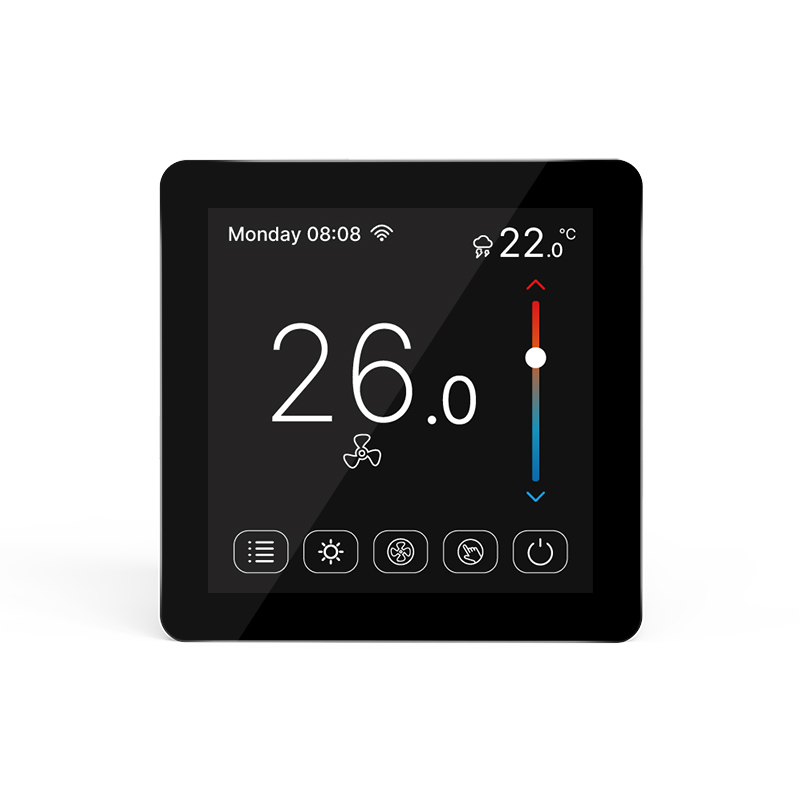
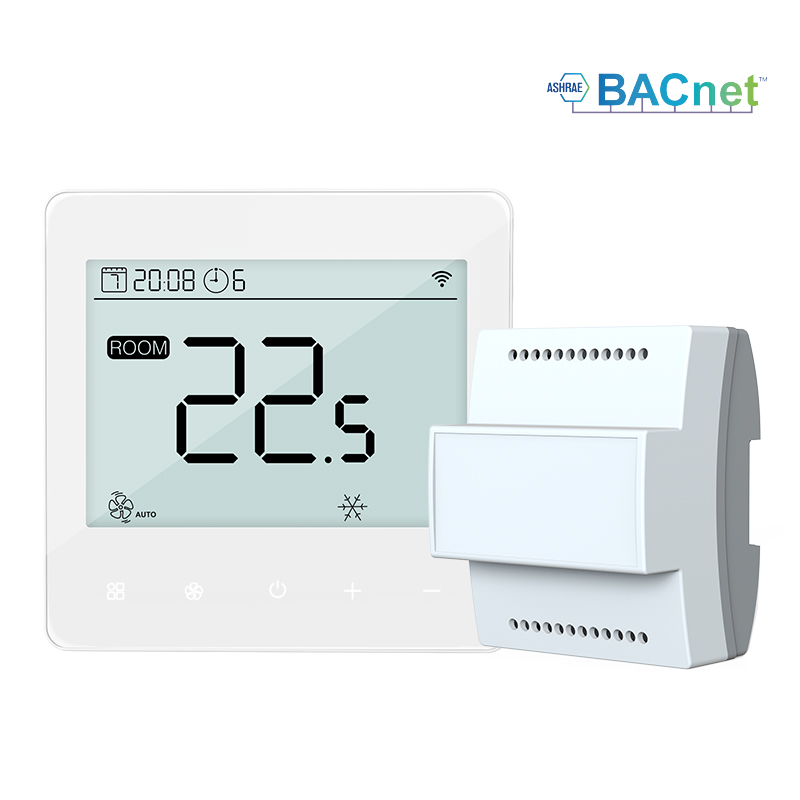
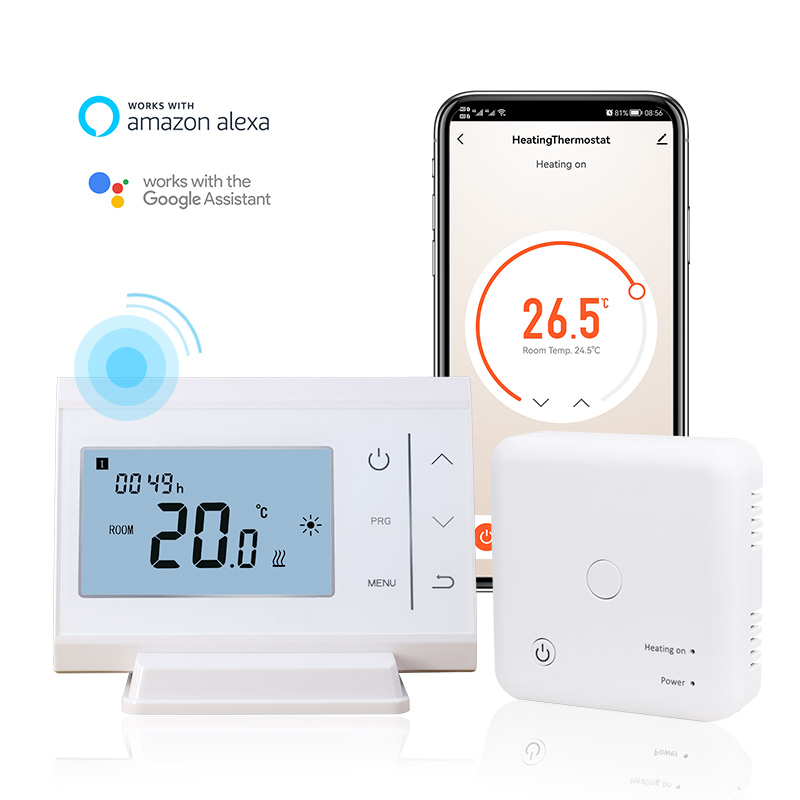
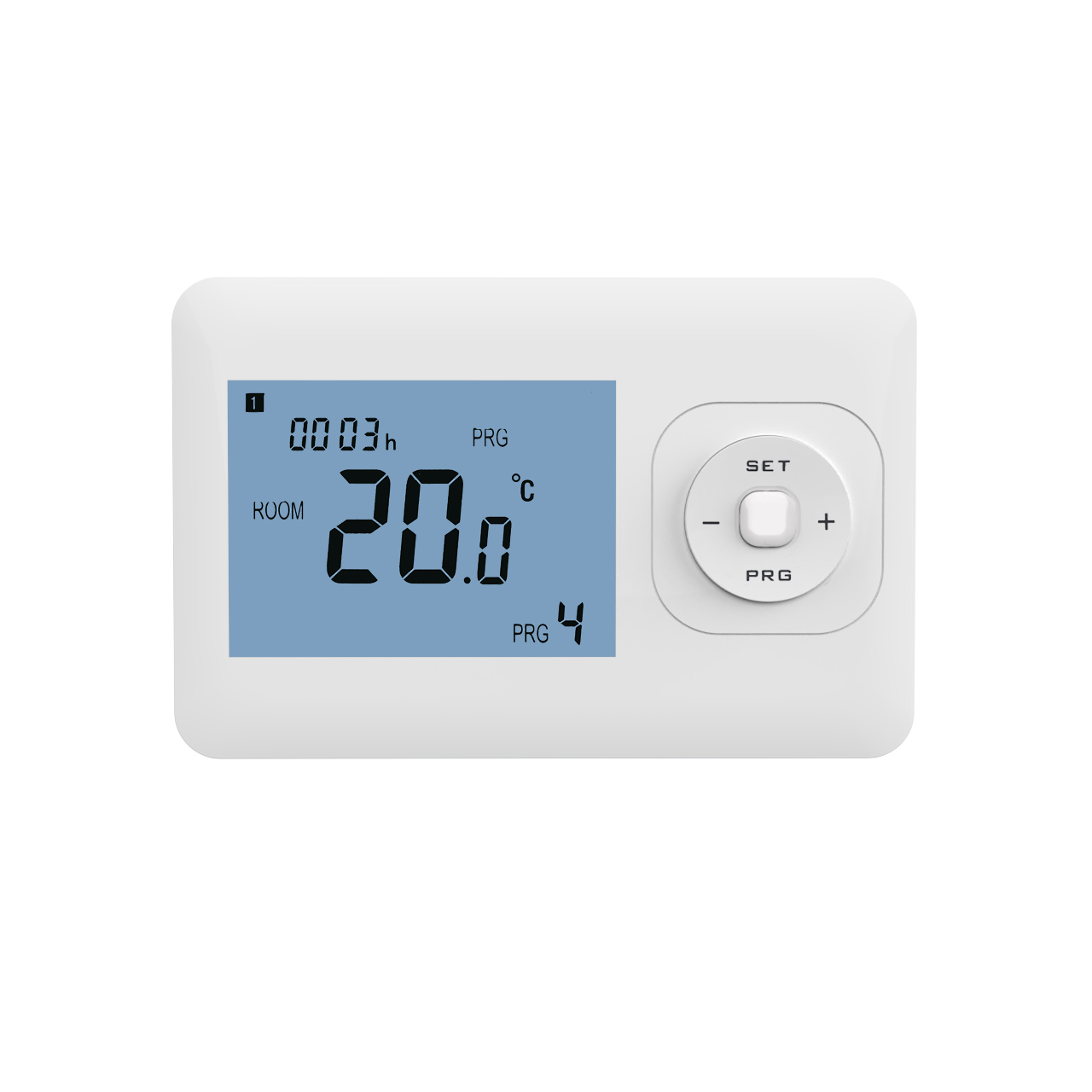
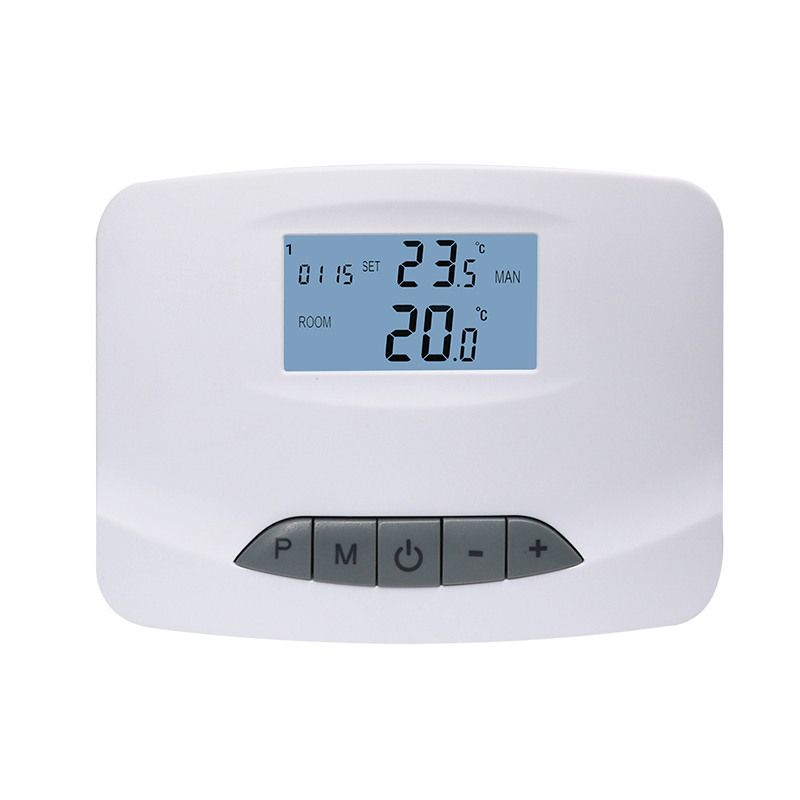
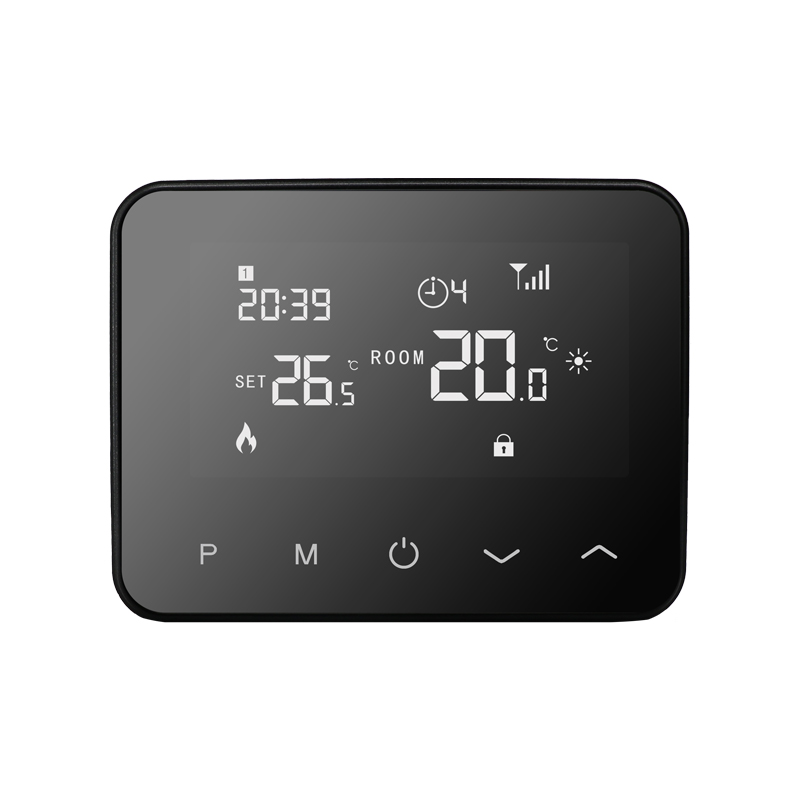
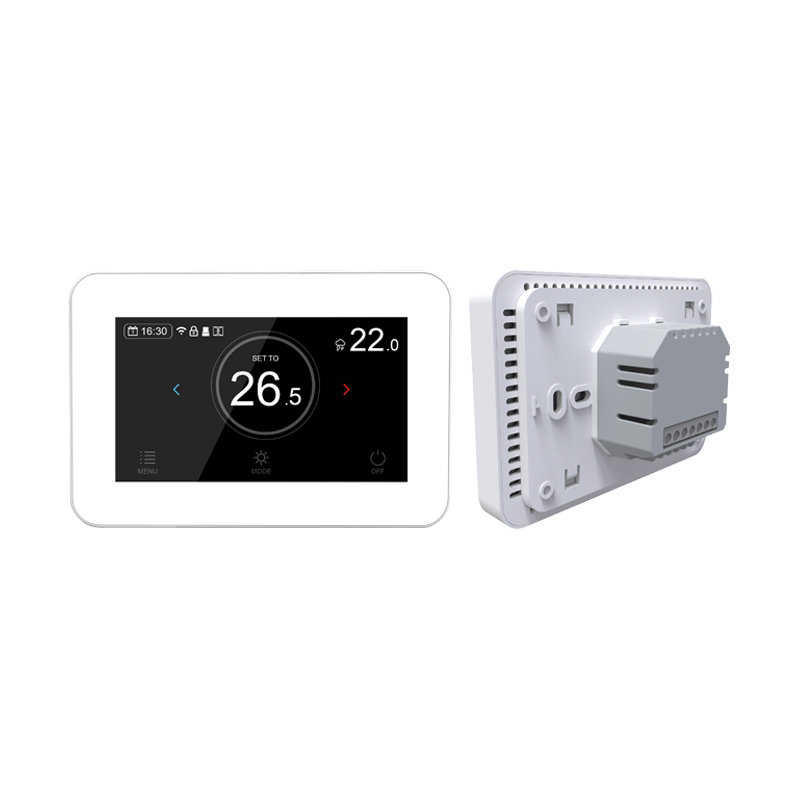
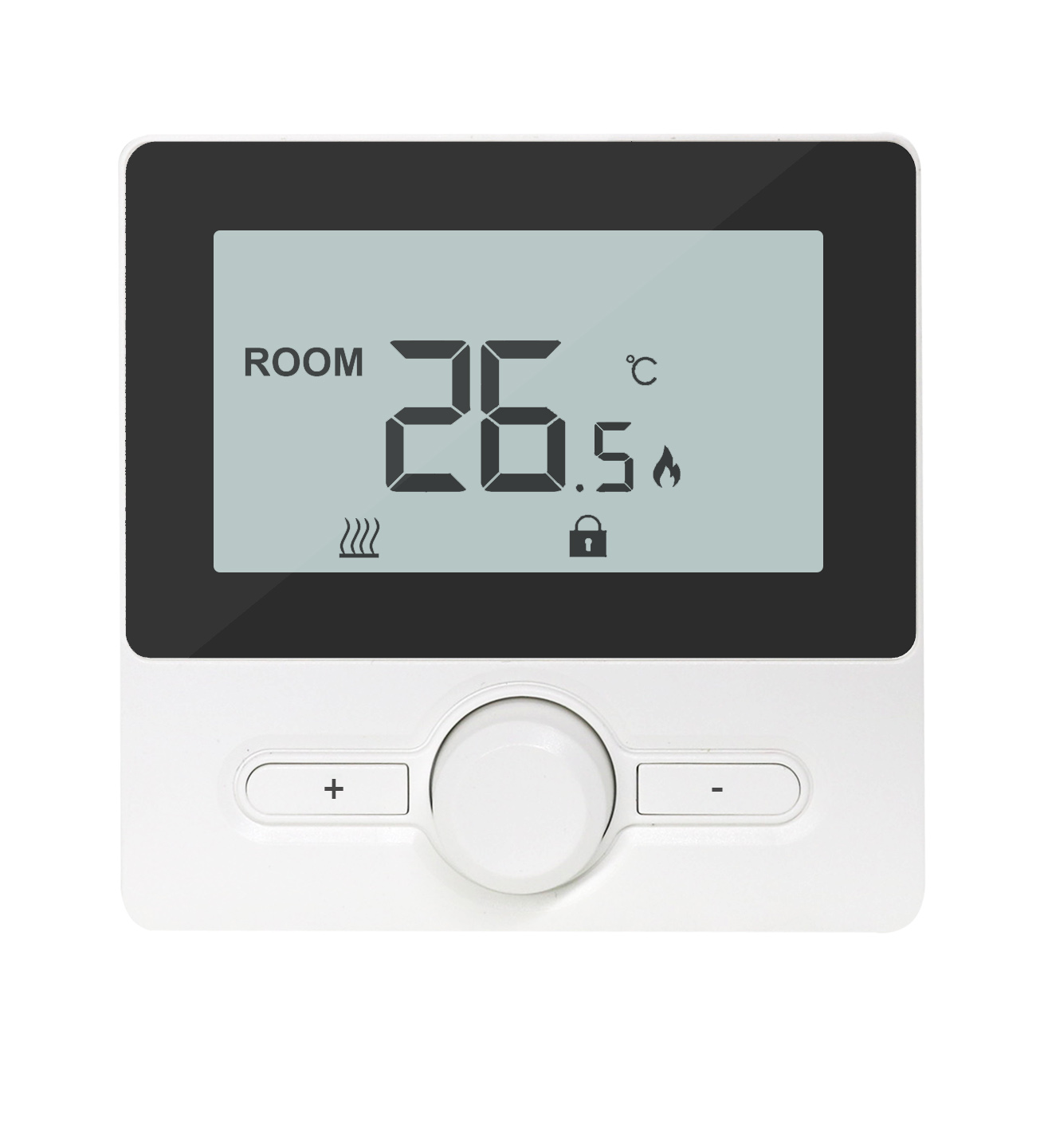
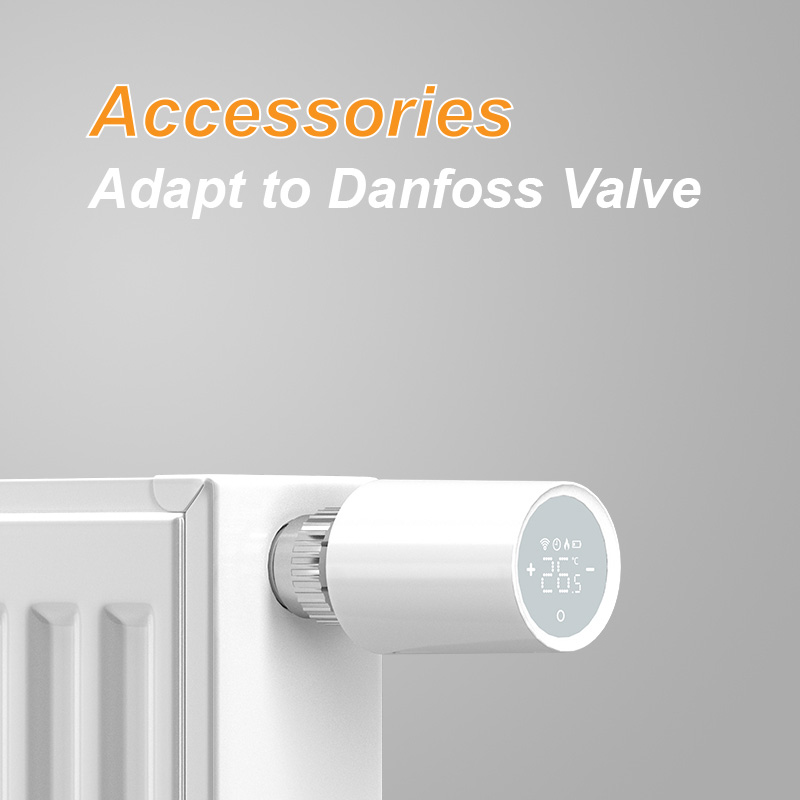
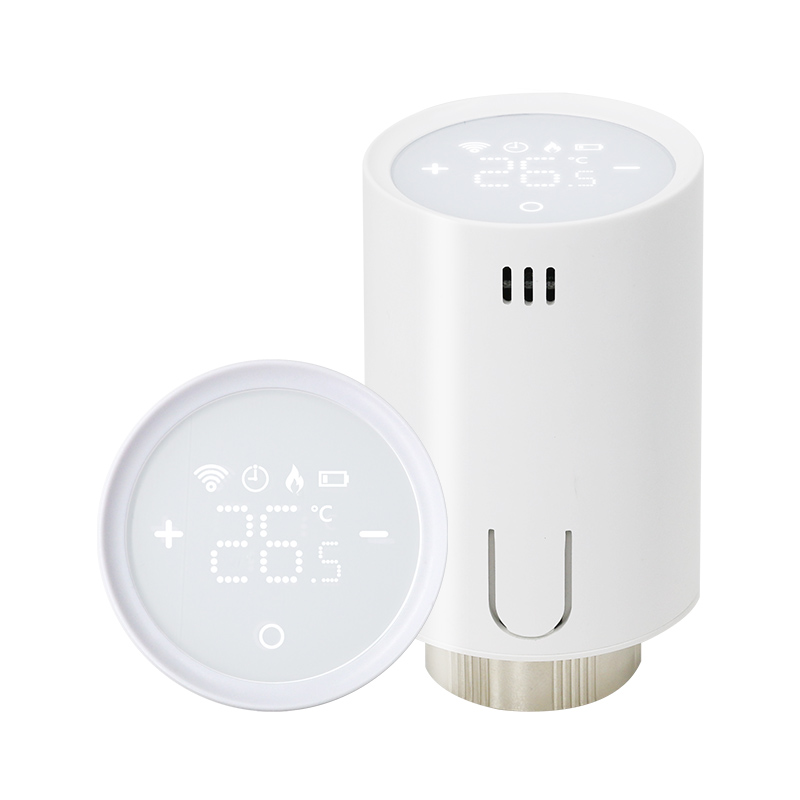
In building HVAC systems, Fan Coil Unit (FCU) thermostats typically require continuous, long-term operation; consequently, their stability and durability are of paramount importance. When making a selection, users prioritize temperature control precision while also considering the device’s reliable performance over extended periods of use. Through sound control logic and robust hardware configurations, these devices can maintain a stable operational state across diverse environments. To address the question of whether FCU thermostats are suitable for long-term use, an analysis can be conducted based on factors such as system compatibility, functional stability, and maintenance performance.
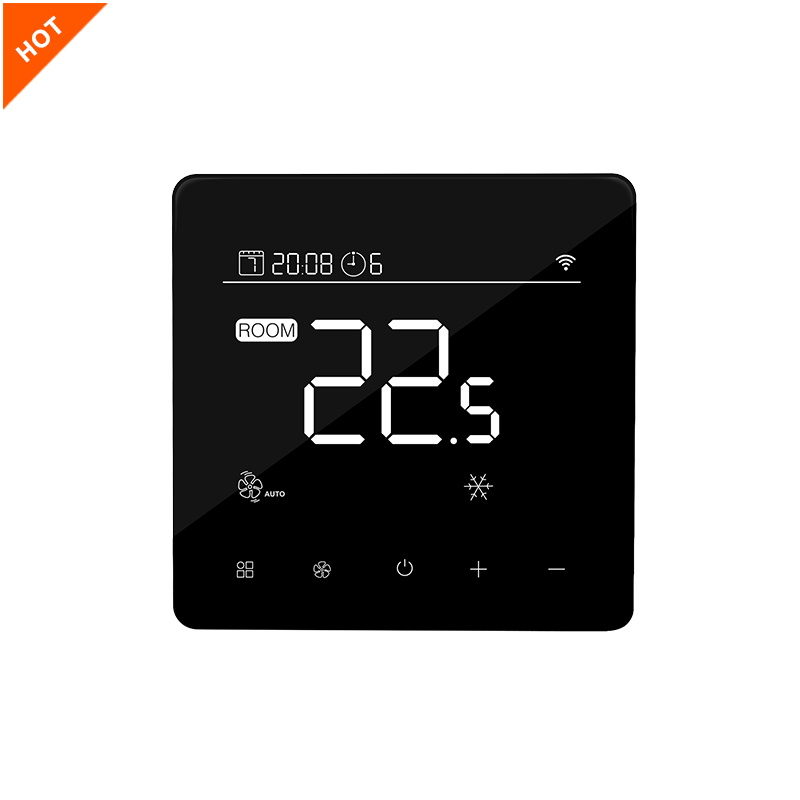
System Compatibility Supports Long-Term Operation
This aspect concerns the device’s ability to adapt to varying environmental conditions.
- Support for Centralized BMS Management: FCU thermostats integrate into building management systems (BMS) via protocols such as Modbus or BACnet, enabling unified monitoring and control to enhance overall operational stability.
- Suitability for Diverse Applications: These thermostats are widely deployed in environments such as hotels, office buildings, and residential complexes, effectively meeting a broad spectrum of user requirements.
From a systems perspective, robust compatibility serves as a fundamental prerequisite for long-term usability.
Functional Design Enhances Operational Stability
A device’s functional design directly impacts its performance over extended periods of use.
- Precise Temperature Control and Automatic Adjustment: Utilizing built-in sensors, the thermostat monitors ambient temperature in real-time and automatically modulates the operation of fans and valves to maintain a stable indoor environment.
- Power-Loss Memory and Program Retention: Certain models feature a power-loss data retention function, ensuring that original settings are preserved and restored once power supply is reinstated.
From a functional standpoint, these features contribute to extending the device’s operational lifespan.
Operational and Maintenance Performance Influence Durability
Sustained long-term use is contingent upon effective maintenance and operational protocols.
- Reduction of Frequent Start-Stop Cycles: Intelligent control logic minimizes the wear and tear associated with frequent device cycling, thereby extending the equipment’s service life.
- Facilitated Maintenance and Troubleshooting: Digital controls and centralized management systems make it easier to identify and resolve issues, thereby mitigating potential latent risks that might otherwise accumulate over time.
From a maintenance perspective, this design approach significantly enhances the device’s capacity for sustained, long-term operation.
In practical application, FCU thermostats—distinguished by their stable control capabilities and excellent system compatibility—are fully capable of meeting the demands of continuous, long-term operation. Through intelligent regulation and centralized management, these devices can consistently maintain optimal performance while minimizing the uncertainties often associated with manual intervention. For environments requiring sustained operational stability, these thermostats deliver a consistently comfortable experience while simultaneously rendering system management more efficient and organized. Provided it is used and maintained properly, its long-term performance proves more reliable and better aligns with the modern building requirements for stability and energy efficiency.